

Enormous Lake Shrinkage Warns of Looming Environmental Loss
Lake Shrinkage Signals a Growing Environmental Crisis With Global Consequences
Lake shrinkage is becoming harder to ignore as more waterways around the world pull back from their former shorelines. The changes are often subtle at first. Yet they grow into stark reminders of how quickly natural systems can unravel when pushed by hotter temperatures and heavier demand on water supplies. Many communities are now seeing consequences they once thought were decades away.
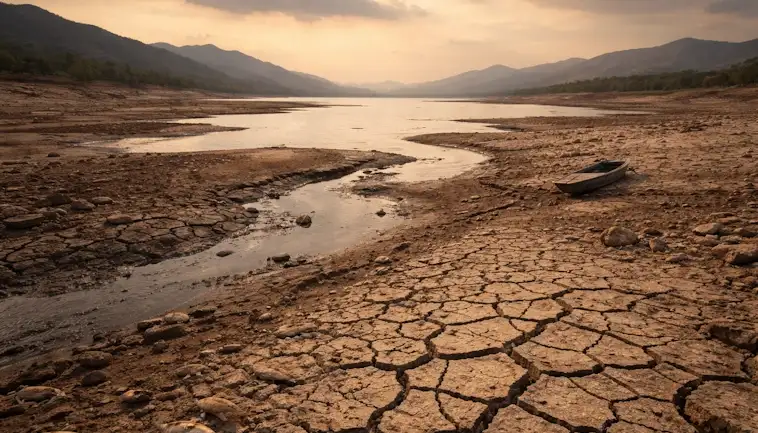
As the water retreats, it reveals more than cracked earth. It shows how fragile surrounding ecosystems have become. Fish populations slip, wetlands fade, and local weather patterns shift in ways that affect daily life. These trends point toward a future where water scarcity becomes a defining pressure for both people and wildlife.
There is still room for action though. Scientists, policymakers, and residents are working to understand the root causes and guide recovery efforts. Their progress offers hope that smarter choices today can prevent deeper harm tomorrow.
Lake Shrinkage and What It Tells Us About a Changing Planet
Lakes are often seen as steady features in our landscapes. They feel permanent, almost timeless. Yet today, many lakes are shrinking faster than we ever expected. This trend is more than a curiosity. It is a clear signal that our planet is changing in ways that affect all of us.
As you look closer, you start to see the pattern. Water levels drop. Shorelines retreat. Communities lose a vital source of life and identity. This is why lake shrinkage has become such an important clue in understanding the future of our environment. It shows us how rising temperatures, shifting rainfall, and growing water demand are reshaping the natural world.
A Warning Hidden in Plain Sight
When a lake shrinks, the change can feel slow. But the forces behind it are strong. Hotter summers pull water into the air. Longer droughts leave less water flowing in. At the same time, more people and industries take water out. Each factor adds pressure. Together, they push lakes past a tipping point.
These shrinking lakes tell a bigger story. They reveal how climate stress builds over time. And they highlight the choices we face about water, land, and energy. They also remind us that what seems distant can quickly become personal.
As we move forward, it helps to see lake shrinkage not just as a loss, but as a signal. It is a sign urging us to pay attention. To rethink how we use water. And to prepare for a future where every drop matters.
By understanding this trend now, we give ourselves a better chance to act with clarity and care. Lakes may shrink, but our awareness—and our willingness to respond—doesn’t have to.
Why Vanishing Lakes Are Faster and More Widespread Than Ever
Across the world, lakes that once supported entire communities are shrinking at alarming rates. You may have seen the headlines, yet the speed of this change is often underestimated. Today, vanishing lakes are not rare events. They are happening in many regions at the same time. And they’re happening faster than at any point in modern history.
So why is this unfolding now? Part of the story comes from a warming climate, which boosts evaporation and alters rainfall patterns. Another part comes from how we use water. As populations grow, farms expand, and cities demand more water, lakes simply cannot refill the way they used to. When these pressures combine, even large lakes can disappear within a single generation.
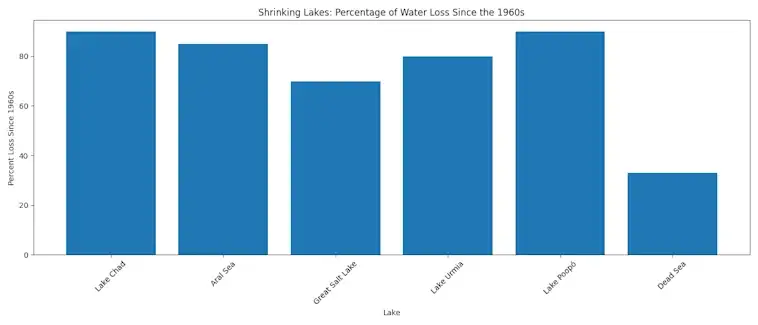
As we look ahead, the pattern becomes even more concerning. Climate extremes are rising. Water demand is climbing. Without major changes, more lakes will slip into crisis. Yet understanding the scale of the problem is the first step toward protecting the waters that remain. The chart below gives a clear look at just how quickly some of the world’s most iconic lakes have lost water over the past several decades. It’s a trend that tells us we need to act—and soon.
Lake Shrinkage as a Warning Signal for Future Water Security
When a lake starts to shrink, it often does so quietly. At first, the shoreline slips back a little. Then the water turns shallower. Before long, a once-steady body of water begins to look fragile. This slow retreat tells an urgent story. It signals deeper stress in our climate and our water systems. And as lake shrinkage becomes more common, it offers a clear warning about future water security.
Today, more lakes around the world are losing water faster than they can recover. Some changes are natural, but many are not. Rising temperatures speed up evaporation. Longer droughts strain freshwater supplies. Growing cities demand more water than local sources can handle. When these pressures stack up, lakes respond.
It helps to think of lake shrinkage as an early alarm bell. Alerting us long before taps run dry. And giving communities a chance to act while solutions are still possible. At the same time, shrinking lakes affect daily life in ways most people do not see right away. They weaken ecosystems, disrupt farming, and reduce the water available for drinking, washing, and industry.
Here are some of the clearest impacts linked to lake shrinkage:
- Lower water levels increase the risk of water shortages for homes, farms, and businesses.
- Local fish species decline, affecting food supplies and biodiversity.
- Dust storms become more frequent as exposed lakebeds dry out.
- Tourism declines as shorelines retreat and water quality drops.
- Communities face higher costs to pump, treat, and deliver clean water.
As these trends continue, it becomes even more important to plan ahead. We need smarter water management, stronger climate action, and better protection of freshwater ecosystems. Because when a lake shrinks, it is never just losing water. It is showing us what the future could look like—unless we choose a different path.
How Local Communities Are Coping With Rapid Water Loss
Across many regions, people are learning to live with less water. It is happening fast, and it is reshaping daily life. Yet communities are finding ways to adapt. They are doing it through small changes at home, new local projects, and simple habits that help stretch every drop. And while the problem can feel overwhelming, these local stories show that progress is possible.
In many towns, residents are turning to rain barrels, drought-tolerant gardens, and tighter home-water checks. These steps may seem small, but together they add up. Cities are also investing in updated pipes, new storage systems, and water-saving public spaces. At the same time, neighbors are sharing knowledge through local workshops and online groups. That sense of shared action makes it easier to keep going, even when the challenge grows.
As water loss accelerates, these early moves offer a path forward. They show that communities can stay resilient with the right mix of awareness, cooperation, and practical tools.

What Must Change Now to Prevent Permanent Environmental Damage
It’s clear we’re running out of time. Our environment is shifting faster than most people realise. And while the signs are everywhere, they can still feel easy to ignore in the rush of daily life. Yet if we act now, we can still shape a better future. This moment is a turning point, and it calls for choices that protect the world we depend on.
The good news is that powerful solutions already exist. They are practical, proven, and ready to scale. What we need is the collective will to push them forward. When we do, we not only prevent long-term damage but also build healthier communities for the next generation.
Understanding the Urgency of Lake Shrinkage
One example that captures the scale of change is the rapid decline of major lakes around the world. When lakes shrink, everything shifts. Water supplies drop. Local climates warm. Biodiversity collapses. And communities that rely on these bodies of water lose their security and stability. This trend is a warning sign we cannot afford to overlook. It shows why bold action is no longer optional.
So what must change? First, we need stronger policies that prioritise clean energy and protect natural ecosystems. Next, we need investment in water-smart infrastructure, such as restored wetlands and improved irrigation systems. And finally, we need everyday habits that cut waste, save water, and reduce pollution. Each step may seem small, but together they shape real progress.
If you want a clear, science-based overview of the environmental risks we face this decade, the United Nations provides an accessible reports.
We still have time to act, but the window is narrowing. Change starts now, and every action helps.
Conclusion: A Final Warning We Can’t Ignore
As we step back and look at the big picture, it is clear that lake shrinkage is more than a distant environmental issue. It is a real-time signal that our ecosystems are under strain. These disappearing waters affect our weather, our food systems, and even the places we call home. And because the changes often unfold slowly, they can be easy to overlook—until the damage becomes impossible to reverse.
Yet there is room for optimism. When communities act early, they protect both nature and local livelihoods. And when policymakers listen to science, they build resilience. Also with individuals staying informed, they help push solutions forward. Lake shrinkage may be a warning, but it is also a call to rethink how we use water and how we care for the landscapes around us.
By paying attention now—and by treating these shrinking lakes as the urgent signals they are—we give ourselves a chance to protect what remains and rebuild what is slipping away.