

How Seasonal Foods Boost Your Health and Help the Planet
How Seasonal Foods Boost Your Health and Help the Planet
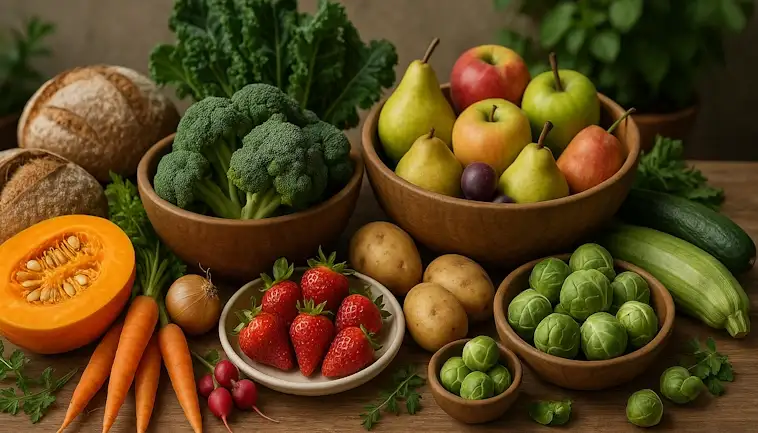
Eating what’s in season isn’t just a foodie trend—it’s a natural way to nourish your body and tread lighter on the planet. Choosing local, seasonal foods connects you to the rhythms of the earth. It helps support your community’s farmers while filling your plate with peak-flavor produce that’s bursting with nutrients.
Eating seasonally also nudges you to tune into your environment and appreciate what nature offers at different times of the year. It’s a simple, feel-good habit that supports both your personal health and the health of the planet.
Why Eating Local Makes You Healthier (And Happier)
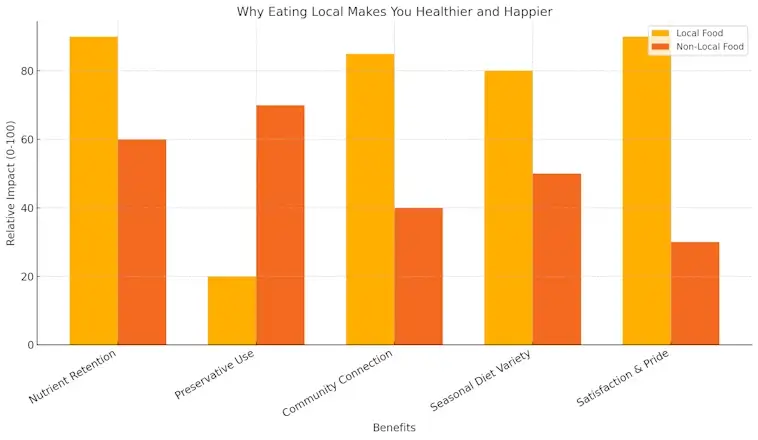
In today’s fast-paced world, it’s easy to grab whatever’s on the supermarket shelf or click “order now” on a delivery app. But what if the key to feeling better, living healthier, and even boosting your mood is right around the corner—literally? Eating local isn’t just a trendy movement; it’s a lifestyle choice that can transform your health and happiness.
The Health Boost from Local Foods
Eating local means choosing foods that are grown, raised, or produced close to where you live. It might sound simple, but the health benefits are pretty powerful.
Fresher Food Means More Nutrients
- Shorter supply chains mean the food spends less time in transport and storage.
- This often results in higher nutritional value, especially for fruits and vegetables, which can lose vitamins the longer they sit around.
- Local food is typically harvested at peak ripeness, not weeks before it’s ready.
Fewer Preservatives, More Flavor
- Local products often don’t need as many chemicals or preservatives to survive long journeys.
- This means cleaner, more natural food—good for your body and your taste buds.
Seasonal Eating, Healthier Habits
- Eating with the seasons naturally encourages a more varied, balanced diet.
- Seasonal produce often matches what your body needs (think hydrating fruits in summer, grounding root veggies in winter).
The Happiness Factor of Eating Local
Food is more than fuel—it’s joy, connection, and comfort. Eating local can feed more than your stomach; it can feed your soul.
Connection to Community
- Buying from local farmers, fishers, and artisans builds community ties.
- Farmers’ markets and local food hubs become places where stories are shared, not just sales made.
Supporting Local Means Feeling Good
- Knowing where your food comes from and who grows it can bring a deep sense of satisfaction and pride.
- It’s about being part of something bigger—helping local economies and keeping traditions alive.
A Sense of Place, A Sense of Well-Being
- Eating local connects you to your region’s unique flavors and foods.
- This can foster a sense of belonging and appreciation for where you live—powerful ingredients for mental health.
The Future of Local Eating: Where It’s Headed
The local food movement isn’t just a feel-good trend; it’s a forward-thinking solution for healthier communities and a healthier planet.
- Hyperlocal food systems are on the rise—think rooftop farms, vertical gardens, and community-supported agriculture (CSA) programs.
- As technology improves, expect to see more apps and platforms connecting consumers directly to local producers.
- The shift toward sustainable, resilient food networks will only make eating local more accessible and essential.
Why Local Is the Future of Wellness
Eating local isn’t about being perfect or giving up your favorite imported treats. It’s about making small, meaningful choices that nurture your body, your community, and your planet. And let’s be honest—it tastes better too.
So, next time you’re hungry, think about what’s growing nearby. Your health—and your happiness—will thank you.
Seasonal Eating Explained: What It Is and Why It Matters Today
In a world where strawberries show up in December and pumpkins are sold year-round, it’s easy to forget that food has seasons. Modern grocery stores give us the illusion that every crop is always in season. But this convenience comes with hidden costs—to our health, our environment, and even our taste buds.
Seasonal eating is an old idea making a strong comeback. It’s about eating foods when they naturally grow in your region. It may sound simple, but it’s a powerful way to improve your well-being and support a more sustainable food system.
Let’s explore what seasonal eating really is, why it’s becoming more relevant than ever, and how it could change the way you feel about food.
What Is Seasonal Eating?
At its heart, seasonal eating means eating foods at their natural harvest time, ideally grown locally or regionally.
For example:
- Spring brings leafy greens, asparagus, and peas.
- Summer is bursting with tomatoes, berries, and stone fruits.
- Autumn offers squashes, pumpkins, and root vegetables.
- Winter focuses on hardy produce like cabbage, citrus, and carrots.
It’s About Alignment
Seasonal eating aligns your meals with nature’s rhythms, helping your body adjust to seasonal changes. You’re not just eating food—you’re eating in tune with the world around you.
Why Does Seasonal Eating Matter Today?
Today, seasonal eating is more than a nostalgic trend—it’s a solution to some of the biggest food, health, and environmental challenges we face.
1. Better Nutrition, Naturally
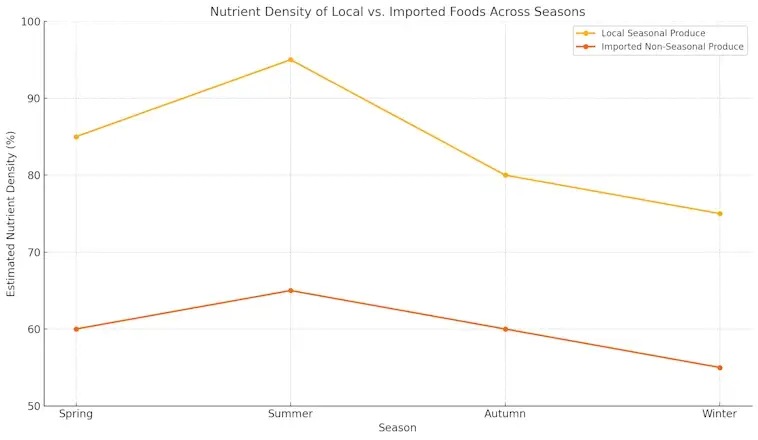
- Foods eaten in their true season are often fresher and more nutrient-rich.
- They haven’t spent weeks in cold storage or lost nutrients in long-haul transport.
- For example, summer berries picked at peak season can have higher antioxidant levels than those flown in mid-winter.
2. A Healthier, Happier Gut
- Seasonal variety encourages a more diverse, balanced diet, which supports gut health and immunity.
- Your body craves different nutrients at different times of year—seasonal eating gives it what it needs, when it needs it.
3. Supporting Local Food Systems
- Eating in season often means buying local, helping small farmers and boosting local economies.
- It keeps your money closer to home and supports food traditions that connect communities.
4. Reducing Food Miles and Your Carbon Forkprint
- Out-of-season food often travels thousands of miles, increasing emissions.
- Seasonal eating cuts down on these food miles, making your meals more eco-friendly.
5. Reconnecting with Food’s Joy and Flavor
- Let’s face it—a sun-ripened tomato in August tastes way better than a bland winter import.
- Seasonal eating makes meals more exciting, flavorful, and aligned with natural cravings.
The Future of Seasonal Eating: Tech Meets Tradition
Thanks to apps, online farmers’ markets, and urban farming innovations, eating seasonally is getting easier, even in cities. Imagine:
- AI-powered meal planners that recommend recipes based on your local harvest.
- Digital food hubs that connect you directly to nearby growers.
- Smart labels showing not just where your food came from, but what season it belongs to.
Seasonal eating is evolving into a savvy, connected lifestyle choice, blending the best of old wisdom and modern tech.
Seasonal Eating as a Wellness Revolution
Seasonal eating isn’t about rigid rules or giving up your favorite foods. It’s about eating more mindfully, joyfully, and sustainably, with the seasons as your guide. In a time of fast food and instant everything, it’s a gentle reminder to slow down and savor what’s truly in season—both in nature and in life.
How Local Food Choices Support the Planet (Without Sacrificing Taste)
Every bite we take impacts more than just our taste buds. Behind every meal is a web of choices that affect the planet’s health. But what if you could enjoy delicious, fresh food and still feel good about your environmental footprint? The good news is—you can.
Eating local is one of the most powerful (and tasty) ways to support a healthier planet. It’s not about perfection or giving up your favorite treats. It’s about making simple, mindful choices that nourish both you and the world around you.
Let’s break down how local food choices make a difference—and why they taste better too.
How Local Food Choices Support the Planet
1. Fewer Food Miles, Fewer Emissions
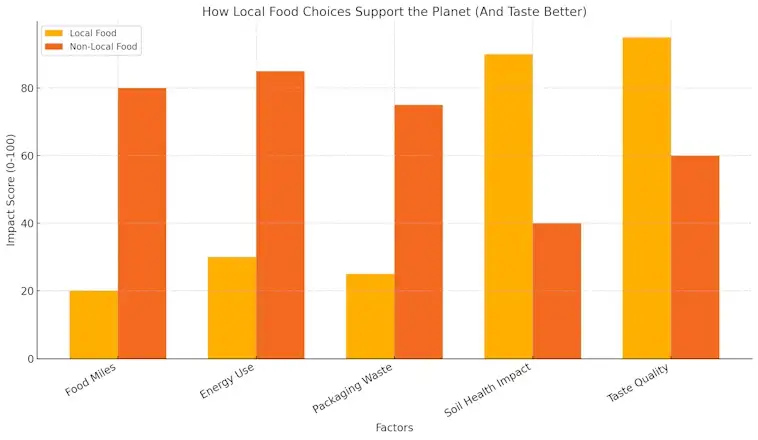
- Local food travels shorter distances, meaning fewer trucks, ships, and planes are needed.
- This reduces greenhouse gas emissions, helping combat climate change.
- It’s estimated that in some cases, food travels over 1,500 miles from farm to plate. Eating local slashes that dramatically.
2. Lower Energy Use and Waste
- Local foods often require less packaging and refrigeration, cutting down on energy use.
- Because they are fresher, local products also reduce food waste, as they last longer and taste better.
3. Supporting Sustainable Farming Practices
- Small, local farmers are more likely to use eco-friendly methods, like organic farming, regenerative agriculture, or permaculture.
- By supporting these farmers, you’re investing in soil health, biodiversity, and cleaner waterways.
4. Protecting Local Ecosystems
- Local food systems tend to prioritize seasonal crops, which use fewer resources and fit the natural climate.
- This helps maintain healthy local ecosystems and preserves native plant and animal life.
5. Building Resilient, Low-Carbon Communities
- When you buy local, you help create stronger, more self-reliant food systems.
- These systems are less vulnerable to global disruptions, making them a smart, future-ready choice in an unpredictable world.
No Taste Trade-Off—In Fact, It’s the Opposite
Local food doesn’t just support the planet—it supports your palate.
Why Local Food Tastes Better
- Harvested at peak ripeness, local food is fresher, juicier, and packed with flavor.
- You’re eating food that hasn’t been bred for long-distance transport, but for taste and nutrition.
Rediscovering Seasonal Flavors
- Eating local invites you to explore the seasons, reconnecting you with forgotten flavors and new culinary adventures.
- Think crisp spring greens, sun-warmed summer berries, earthy fall squashes, and sweet winter citrus.
The Future of Local Eating: Accessible, Smart, and Delicious
The rise of urban farming, food tech apps, and local food hubs is making local food more accessible, even in big cities. Expect to see:
- Smart delivery systems that bring local produce to your door.
- Community food networks connecting neighbors to local growers.
- Sustainable dining trends putting local and seasonal front and center in restaurants.
In short, local eating is not only here to stay—it’s the future of mindful, delicious dining.
Eat Local, Love the Planet
Choosing local food isn’t about sacrifice. It’s about celebrating food that’s fresher, tastier, and better for the planet. Every local meal is a chance to support sustainable farming, reduce your environmental footprint, and enjoy flavors that truly reflect your region.
Next time you fill your basket or order a meal, remember: eating local is a small, delicious act of planet-friendly change.
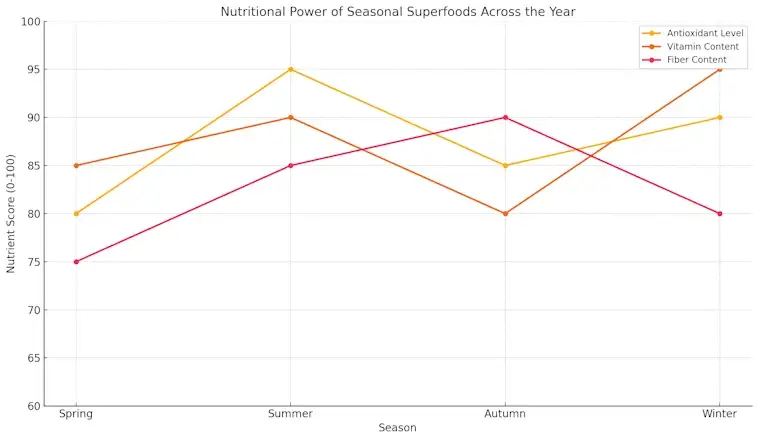
Top 7 Seasonal Superfoods That Boost Your Health Year-Round
Let’s face it—superfoods are everywhere. From acai bowls to chia seeds, the health world is obsessed with these nutrient-packed ingredients. But here’s a fresh (and local) twist: some of the most powerful superfoods are already growing close to home, right in line with the seasons.
Eating seasonal superfoods not only supports your health, but it also connects you to the natural rhythms of the year. You’ll enjoy fresher, more flavorful foods while giving your body what it naturally craves in each season. And the best part? This approach is eco-friendly, wallet-friendly, and totally delicious.
Let’s dive into the top 7 seasonal superfoods that can help you thrive—no matter the month.
Top 7 Seasonal Superfoods for Every Season
1. Spring: Asparagus
- Why it’s a superfood: Rich in folate, vitamins A, C, and K, and a natural diuretic.
- Health benefits: Supports detoxification, boosts gut health, and is perfect for spring cleansing.
- Try it: Grilled with olive oil or in a vibrant spring salad.
2. Spring: Spinach
- Why it’s a superfood: Packed with iron, magnesium, and antioxidants like lutein.
- Health benefits: Supports energy, vision, and immunity after winter.
- Try it: In smoothies, omelets, or fresh salads.
3. Summer: Berries (Strawberries, Blueberries, Raspberries)
- Why they’re superfoods: Loaded with antioxidants, fiber, and vitamin C.
- Health benefits: Fight inflammation, protect the heart, and keep skin glowing.
- Try them: Fresh, in yogurt bowls, or frozen for smoothies.
4. Summer: Tomatoes
- Why they’re a superfood: Rich in lycopene, a powerful antioxidant.
- Health benefits: Supports heart health and skin protection from the summer sun.
- Try it: In fresh salsas, caprese salads, or roasted.
5. Autumn: Pumpkin
- Why it’s a superfood: High in beta-carotene, fiber, and immune-boosting nutrients.
- Health benefits: Supports immunity as the cold season approaches.
- Try it: In soups, roasted, or blended into healthy lattes.
6. Autumn: Apples
- Why they’re superfoods: Full of fiber, antioxidants, and polyphenols.
- Health benefits: Supports gut health, regulates blood sugar, and promotes heart health.
- Try them: Baked, stewed, or fresh with nut butter.
7. Winter: Citrus Fruits (Oranges, Lemons, Grapefruits)
- Why they’re superfoods: High in vitamin C, flavonoids, and hydration.
- Health benefits: Supports the immune system and hydration during dry winter months.
- Try them: Fresh, in salads, or as warming teas.
Why Seasonal Superfoods Matter More Than Ever
In an age of global food chains, choosing local, seasonal superfoods is a simple way to boost your health while supporting the planet. Seasonal eating means fresher food, fewer food miles, and flavors that naturally fit what your body needs at each time of year.
Future-friendly tip:
Expect to see AI-powered apps and local food boxes making it easier than ever to enjoy seasonal superfoods at home—helping you eat better while lowering your carbon forkprint.
Eat Seasonally, Feel Super
Seasonal superfoods are nature’s way of giving your body exactly what it needs, when it needs it. By filling your plate with these powerhouse foods year-round, you’re not only boosting your health—you’re also joining a movement toward more mindful, planet-friendly eating.
Simple Tips to Find Local, Seasonal Foods in Your Area Today
We’ve all heard the buzz about eating local and seasonal foods—but many people still feel stuck when it comes to actually finding them. You might think it takes hours of research or living near a farm, but that’s not the case anymore.
Thanks to growing interest in sustainable eating and community-driven food systems, finding local, seasonal foods is easier than ever. From farmers’ markets to apps that put local produce at your fingertips, there are plenty of ways to connect with fresh, flavorful food that’s grown close to home.
Let’s explore simple, actionable tips you can start using today to find local, seasonal foods in your area.
Simple Tips to Find Local, Seasonal Foods
1. Explore Your Local Farmers’ Markets
- Farmers’ markets are still one of the best places to find fresh, in-season foods.
- Chat with local farmers to learn what’s in season and how to use it.
- Many markets now run year-round, offering seasonal produce, meats, cheeses, and more.
2. Join a Community Supported Agriculture (CSA) Program
- A CSA lets you subscribe to a local farm’s weekly or monthly produce box.
- It’s an easy way to get a surprise mix of seasonal items delivered or picked up.
- Bonus: You’ll try new foods you might not normally choose at the store.
3. Use Local Food Apps and Websites
- Apps like Eat Local, Seasonal Food Guide, and LocalHarvest can show you what’s in season near you.
- Some apps even connect you directly to local producers or pick-up hubs.
4. Visit Nearby Farm Shops and Co-ops
- Many small farms operate their own farm shops.
- Food co-ops often feature regional products and highlight seasonal offerings.
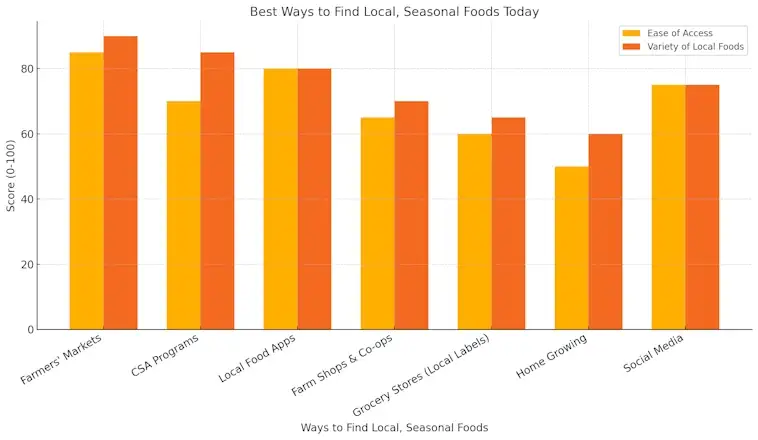
5. Check Labels and Ask Questions at Grocery Stores
- More grocery chains are highlighting local produce sections.
- Don’t be shy—ask store staff where items came from and what’s in season.
6. Grow Your Own (Even in Small Spaces)
- Growing your own herbs, greens, or veggies is a super local option.
- Even a windowsill garden can bring seasonal flavors into your kitchen.
7. Follow Local Foodies and Farmers on Social Media
- Many local growers post about what’s fresh and available.
- Following them helps you stay informed about pop-up markets, new products, and seasonal recipes.
The Future of Finding Local Foods: Tech Meets Tradition
Looking ahead, technology will continue to make local food more accessible:
- Expect AI-powered apps that customize shopping lists based on your local harvest.
- Smart fridges may soon suggest recipes based on hyperlocal food data.
- Local food hubs and digital farmers’ markets are on the rise, bridging the gap between growers and eaters.
Eating local isn’t just a trend—it’s the future of food. And it’s never been easier to join in.
Eat Local, Feel Good
Finding local, seasonal food doesn’t have to be complicated. With these simple steps, you can start enjoying food that’s fresher, tastier, and better for the planet—all while supporting your community. So why wait? Start exploring what’s in season near you today.
Conclusion
Choosing to eat local, seasonal foods is more than just a healthy habit—it’s a way to reconnect with the world around you. Every meal becomes an opportunity to support your body, your community, and the planet. Fresh, in-season produce not only tastes better but delivers the nutrients your body naturally craves throughout the year.
Supporting local growers also helps reduce food miles, protect natural resources, and strengthen regional food systems. It’s a simple, feel-good way to make a difference—without sacrificing flavor or convenience.
Next time you shop or plan a meal, look for what’s growing nearby and in season. Those small, mindful choices can add up to a healthier, more sustainable future for you and the world.