

Does Fire Weather Signal a Dangerous New Normal Ahead?
Fire Weather: How a Hotter Planet Is Fueling the Perfect Storm for Wildfires
Hot, dry winds. Parched forests. Skies that turn orange before noon. Fire weather isn’t just a forecast term anymore—it’s a warning sign that something fundamental is changing. Across regions once considered safe, conditions that spark and spread wildfires are becoming more frequent, more intense, and far harder to predict.
Scientists point to a clear pattern: rising global temperatures are pulling more moisture from the land, drying out vegetation and turning it into perfect fuel. At the same time, unpredictable wind patterns and longer droughts create the ideal setup for fires to ignite and race out of control.
For many communities, that means the old rhythms of the seasons no longer hold. Fire season now stretches deeper into spring and autumn, leaving little time for recovery. The question isn’t only how to fight these fires—but how to live with a climate that seems increasingly primed to burn.
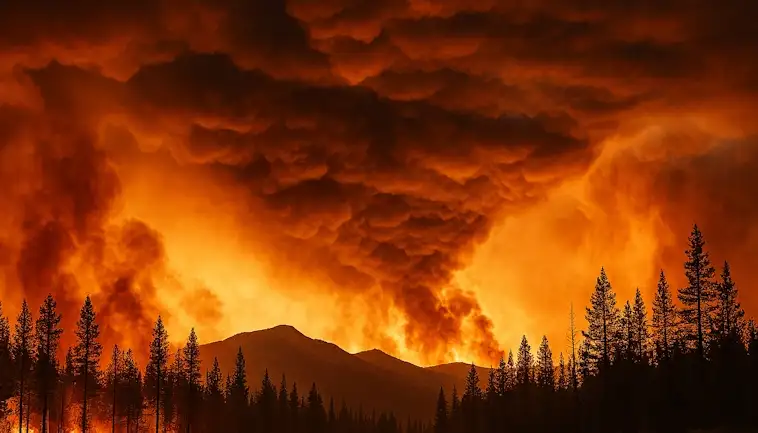
What Fire Weather Really Means—and Why It’s Getting Worse
If you’ve heard the term fire weather popping up more often lately, you’re not alone. It’s become one of those phrases that sounds technical, but it’s really about something we all feel—the rising risk of wildfires in our backyards, communities, and favorite places to explore. Fire weather isn’t just about hot days. It’s a mix of heat, wind, and low humidity that creates the perfect conditions for a spark to turn into a raging fire.
As our planet warms, those conditions are showing up more often—and lasting longer. What used to be a short “fire season” in many parts of the world is now stretching across most of the year. Drought dries out vegetation, strong winds spread flames faster, and even small temperature increases make landscapes more flammable. The result? Wildfires that are bigger, faster, and harder to control than ever before.
The Real-Life Impact of Fire Weather
Think about it—when the air feels bone-dry and the wind picks up, that’s fire weather in action. It’s not just happening in forests or faraway places. Suburbs, farms, and even coastal regions are now feeling the heat. Beyond the obvious danger of fire itself, there’s also smoke pollution, lost habitats, and massive carbon releases that feed back into the climate crisis.
Scientists warn that without action, we could see more frequent and more intense fire weather events across the globe. Communities are learning to adapt—some by rethinking land management, others by improving early warning systems and emergency responses.
Fire weather isn’t just a headline—it’s a sign of what’s shifting around us. The more we understand it, the better we can prepare, protect, and push for change before the next spark ignites.
How Climate Change Is Turning Up the Heat on Wildfire Seasons
Wildfires aren’t just a summer headline anymore—they’re becoming a year-round reality. Across the world, fire seasons are starting earlier, burning hotter, and lasting longer. What used to be rare is now routine. And climate change is the spark behind it all.
Warmer temperatures dry out forests and grasslands, turning them into tinderboxes. At the same time, shifting weather patterns bring longer droughts and stronger winds, creating the perfect storm for massive blazes. These fires don’t just destroy land; they choke our skies with smoke, impact local economies, and threaten communities that never used to worry about wildfire risks.
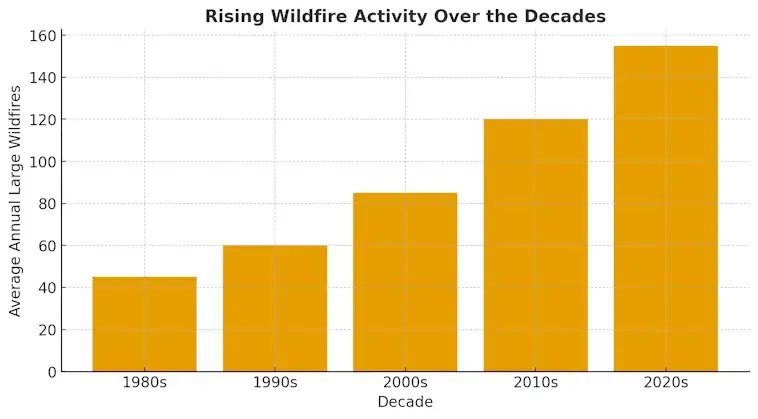
But here’s the truth: this trend isn’t slowing down. Each decade is seeing more fires, more destruction, and higher costs.
Fire Weather and the Shifting Balance Between Nature and Survival
The phrase fire weather is becoming more common in headlines — and for good reason. Around the world, rising temperatures, longer droughts, and shifting winds are creating perfect conditions for wildfires. What used to be rare is now a regular part of life in many regions.
Fire weather doesn’t just threaten forests. It changes how we live, breathe, and even think about safety. Communities that once worried about storms or floods now have to prepare for smoke, heat, and fast-moving flames. It’s a harsh reminder that nature is no longer predictable — and survival often depends on adaptation.
Let’s break down what’s happening and what it means for all of us:
- Longer fire seasons: Hotter, drier conditions mean fires can spark earlier and burn later into the year.
- Unstable air quality: Smoke travels far beyond burn zones, affecting cities and rural areas alike.
- Strain on resources: Firefighters, hospitals, and local services face growing pressure each season.
- Shifting habitats: Wildlife is losing ground, forcing animals closer to human communities.
- Economic impact: From lost homes to disrupted tourism, fire weather carries a heavy cost.
The balance between nature and human survival has always been delicate, but now it’s being tested like never before. The challenge is to find ways to live with fire weather — not just fight against it. That means smarter urban planning, cleaner energy, and stronger support for those on the front lines.
If you want to explore current global trends and data on wildfire risk, visit the World Meteorological Organization’s Global Fire Management Hub.
Communities on Edge: Living Through an Era of Relentless Flames
Wildfire season used to have a beginning and an end. Now, it feels like it never stops. Communities that once saw flames as a distant threat are finding them right at their doorsteps. From California to Australia, people are living with a constant sense of unease—checking air quality apps, packing emergency bags, and wondering if the next spark will be the one that forces them to flee.
The fires today aren’t just hotter—they’re faster, more unpredictable, and more destructive. Entire towns have vanished in hours. Forests that once took centuries to grow are gone in days. And the people left behind are struggling to rebuild while facing smoky skies, water shortages, and economic loss.
This growing crisis is reshaping how we live. Firefighters are pushed to their limits, and insurance companies are pulling out of high-risk zones. For many families, the question is no longer if their community will burn—but when.
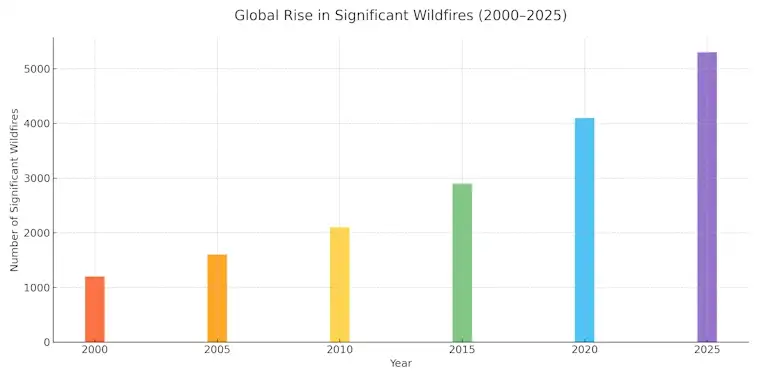
Yet, there is also resilience. Neighbors are banding together to create fire-safe zones. Local governments are investing in early warning systems and sustainable land management. Communities are learning to adapt, because standing still is no longer an option.
Can We Adapt Fast Enough to a Future Defined by Fire?
Every year, wildfires are burning hotter, spreading faster, and lasting longer. What used to be a seasonal threat is now a year-round danger. Communities across the globe are feeling the heat—literally. But here’s the big question: can we adapt quickly enough to survive in a future defined by fire?
It’s not just about fighting flames. It’s about rethinking how we live, build, and plan. Many homes today sit right on the edge of wildfire zones. Entire towns are reimagining everything from construction materials to evacuation routes. And even cities far from the fire line are dealing with smoke-filled skies and poor air quality.
Understanding the Rise of Fire Weather
Fire Weather is a term scientists use to describe the perfect storm of conditions—heat, wind, and dryness—that fuels extreme wildfires. Those days are becoming more frequent. In some regions, the number of high-risk fire weather days has doubled over the past few decades. This means the window for safe firefighting is shrinking while the danger window grows wider.
So what can we do? We can start by listening to science. Investing in fire-resistant infrastructure, early-warning systems, and smarter forest management isn’t optional anymore—it’s survival. Communities that prepare now will have a better chance of adapting.
If you want to see how researchers are tracking global wildfire risks, check out NASA’s Fire Information for Resource Management System (FIRMS). It’s a great resource showing real-time fire data around the world.
The truth is, we’re already living in the age of fire. The question isn’t whether we can stop it—it’s whether we can change fast enough to live with it.
Facing the Future of Fire Weather
As fire weather grows more frequent and intense, it’s becoming clear that this isn’t just a passing phase—it’s a wake-up call. Rising temperatures, drier landscapes, and longer fire seasons are shaping a world where wildfires no longer surprise us; they define our new reality.
But here’s the hopeful part: awareness sparks action. By understanding what drives fire weather and how it affects our communities, we can adapt faster and make smarter choices—whether that means supporting stronger fire management policies, protecting green spaces, or preparing our homes and neighborhoods.
Fire weather may be a warning sign of what’s ahead, but it’s also a chance to rethink how we live with our changing climate. The sooner we act, the better our chances of turning this dangerous new normal into a safer, more resilient future.