
Do We Really Face Another Mass Extinction Today?
Mass Extinction and the Future of Life on Earth: Are We Too Late to Turn Back?
The idea of a new mass extinction isn’t just a distant fear—it’s a growing reality many scientists believe is already unfolding. Across the planet, species are vanishing at a rate far beyond natural patterns. Forests are shrinking, oceans are warming, and ecosystems that once thrived are struggling to survive. It’s a pattern eerily similar to the five great extinctions that reshaped life on Earth, but this time, human activity is the driving force.
What makes this moment so alarming is how quickly change is happening. In just a few generations, industrial growth, pollution, and habitat loss have undone what nature built over millions of years. Yet amid the uncertainty, there’s also a sense of urgency and hope. Understanding what’s really happening could be the first step toward rewriting the outcome—and saving the diversity of life that sustains us all.
What History Teaches Us About Mass Extinction Events
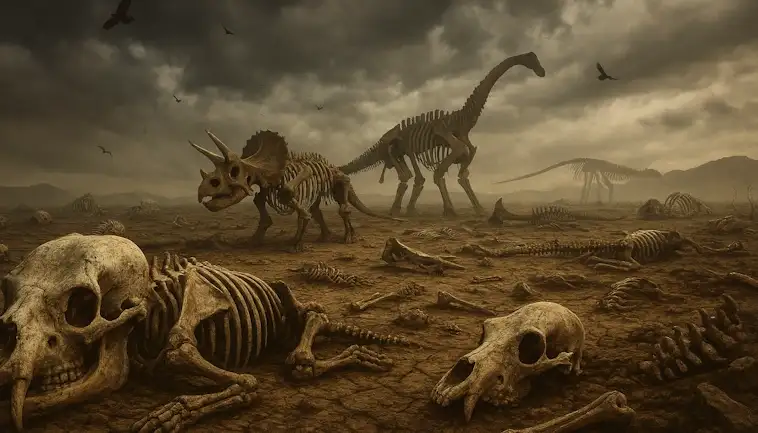
Earth has faced some dark chapters. Times when life nearly vanished. These mass extinction events reshaped the planet — and every living thing on it. Today, as we face our own environmental challenges, looking back might help us see what’s coming next.
When you think about mass extinction, you might imagine dinosaurs disappearing overnight. But that’s just one story. In truth, there have been five major extinction events, each triggered by different forces — from volcanoes and asteroid impacts to sudden climate shifts. Yet, they all have one thing in common: rapid change that life couldn’t adapt to fast enough.
When the Planet Hits Reset
Take the Permian Extinction, often called “The Great Dying.” Around 90% of species were wiped out. Oceans turned acidic, forests vanished, and ecosystems collapsed. It was a reset button for life. But after millions of years, Earth rebounded. New species emerged, and evolution began again — stronger, more diverse, and more adaptable.
That’s the lesson history gives us. Life always finds a way back. But it also warns us about balance. The faster the change, the harder it is for nature to recover. Right now, scientists believe we could be entering a sixth mass extinction, this time driven by human activity — pollution, habitat loss, and climate change.
Understanding these past events isn’t just about curiosity. It’s about foresight. If we can see the warning signs early, we can act. And maybe, just maybe, prevent history from repeating itself.
To learn more about how scientists track extinction patterns through deep time, visit the Smithsonian’s National Museum of Natural History.
Warning Signs From Today’s Rapidly Changing Planet
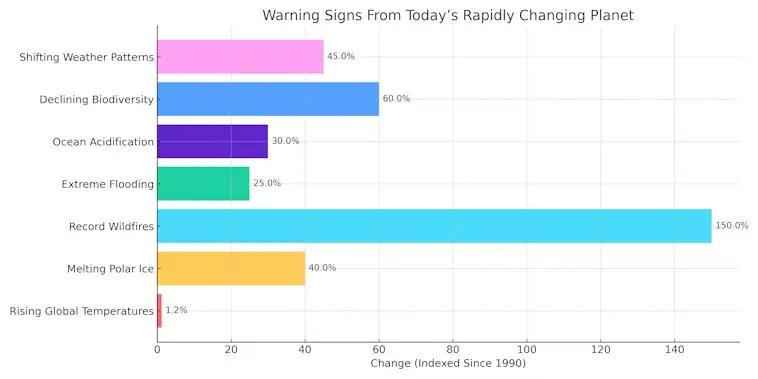
Look around, and you’ll see that the planet is sending us clear signals. The ice is melting faster. Oceans are creeping higher. Heatwaves now arrive like uninvited guests that refuse to leave. These aren’t distant warnings anymore—they’re here, shaping our world in real time.
The changes are happening quicker than most of us expected. Average global temperatures keep rising. CO₂ levels are at record highs. Sea levels, once stable, are steadily climbing, threatening coastlines and communities worldwide.
What’s most alarming is how connected these shifts are. A hotter planet fuels stronger storms. Droughts hit harder. Wildfires burn longer. It’s all part of one accelerating system, reminding us that every degree matters and every action counts.
It’s not all bad news, though. Awareness is growing, and technology is catching up. Clean energy, smarter cities, and climate resilience are no longer ideas—they’re becoming reality. The more we pay attention to these warning signs, the better equipped we’ll be to protect the planet we depend on.
Mass Extinction in the Modern Age: How Humans Became the Catalyst
When you think of mass extinction, you probably picture dinosaurs vanishing in a fiery explosion. But what if I told you we’re living through another one—right now—and this time, humans are at the center of it?
Across the planet, species are disappearing faster than ever recorded in history. Forests are shrinking, oceans are warming, and pollution is spreading into even the most remote corners of the Earth. Scientists warn that we’re not just witnessing a natural cycle. We’re driving it.
This modern mass extinction isn’t caused by asteroids or volcanoes—it’s powered by our choices. The food we eat, the energy we use, and the products we buy all leave a footprint on the planet. Yet, it’s not too late to change course. Understanding how we got here is the first step toward restoring balance.
Here’s what’s fueling this crisis:
- Habitat loss: Expanding cities, logging, and agriculture are erasing wildlife habitats at a staggering rate.
- Climate change: Rising temperatures and extreme weather are pushing species beyond their limits.
- Pollution: From plastics in oceans to chemicals in soil, toxins are suffocating ecosystems.
- Overexploitation: Overfishing, poaching, and the illegal wildlife trade are draining nature’s reserves.
- Invasive species: Human movement spreads non-native species that outcompete local wildlife.
Each of these factors might seem separate, but together they form a perfect storm—one that threatens the natural systems we depend on for food, air, and water.
The good news? Awareness is rising. Global efforts like the Convention on Biological Diversity aim to protect species and restore ecosystems before the damage becomes irreversible. And individuals, too, are finding ways to live more lightly—choosing sustainable food, supporting conservation, and demanding stronger environmental policies.
Mass extinction doesn’t have to define our age. If we act now, it could instead mark the moment humanity turned from destroyer to protector.
The Species Disappearing Before Our Eyes — and Why It Matters
It’s easy to forget that we share this planet with millions of other species. Yet every year, more of them quietly disappear — often before we even know they existed. From frogs in rainforests to butterflies in our gardens, the loss is happening all around us.
So why does it matter? Because every species plays a role in keeping nature balanced. When they vanish, the systems that give us clean air, fresh water, and stable weather start to weaken. This isn’t just about saving wildlife — it’s about protecting the natural support network that keeps us alive.
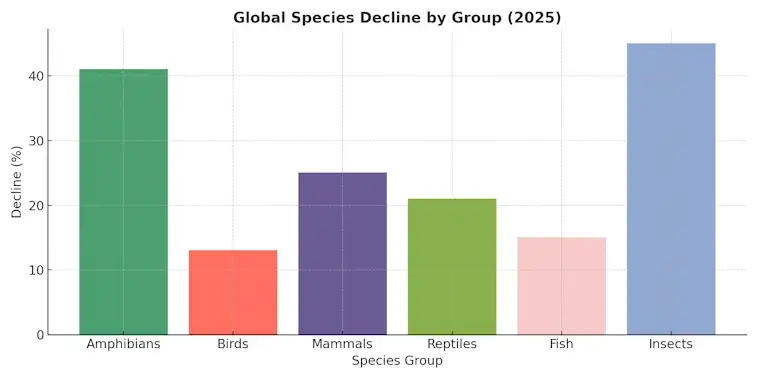
The truth is, we’re losing species faster than nature can replace them. Habitat loss, pollution, and climate change are accelerating the decline. But awareness is the first step toward change. The more we understand the scale of the problem, the more we can do to slow it down.
Can We Still Prevent the Worst from Happening?
It’s a question that feels heavier with each passing year. From rising sea levels to vanishing forests, it often seems like the damage is already done. But here’s the truth — it’s not too late. We still have a real chance to prevent the worst outcomes, if we act with urgency and purpose.
The window for change is narrowing, yet hope is far from lost. Across the world, communities, scientists, and innovators are proving that collective action works. Renewable energy is becoming cheaper, reforestation projects are restoring ecosystems, and more people are aware of their impact than ever before. These are not small wins — they’re proof that progress is possible.
Understanding the Threat of Mass Extinction
Scientists warn that we’re living through what could become the planet’s sixth mass extinction. Species are disappearing faster than at any time in human history. It’s not just about losing animals we admire — it’s about breaking the balance that keeps our planet stable. Every lost species affects food chains, water systems, and even the air we breathe.
Yet this crisis also reveals something powerful: our ability to change course. Protecting natural habitats, cutting carbon emissions, and rethinking how we grow food all make a difference. When individuals and governments pull in the same direction, nature begins to heal surprisingly fast.
If you want to understand how big this challenge really is, the UN Environment Programme offers clear insights into global biodiversity and climate action.
So yes, we can still prevent the worst from happening — but only if we stop waiting for someone else to fix it. The next decade will define our future. Let’s make it one worth fighting for.
What the Looming Mass Extinction Means for Us—and What We Can Still Do
As we look at the evidence, it’s hard to ignore the warning signs. Species are disappearing at a rate far beyond what’s natural, and human activity is driving much of it. From habitat loss and pollution to climate change, the pressures on Earth’s ecosystems are growing. But while the term mass extinction sounds final, the story isn’t over yet.
We still have the power to change course. Every action—protecting habitats, reducing waste, restoring biodiversity—can help slow the loss. Scientists, communities, and even individuals are finding ways to repair what’s been damaged. The next few decades will decide whether this becomes the planet’s sixth mass extinction or a turning point toward renewal.
The truth is, nature is resilient if we give it the chance. Our choices today can define not just the survival of countless species, but the future of life on Earth—including our own.