

Disastrous Food Shortage Shows How Quickly Life Can Shift
Food Shortage Crisis: Why Our Daily Life Can Change Faster Than We Think
Life can change with startling speed, and a growing food shortage is proving just how vulnerable our everyday routines can be. Shelves that once felt endlessly stocked now carry a quiet warning. As pressures build across supply chains, families everywhere are beginning to feel the strain. This moment is reshaping how people think about security, stability, and the systems we rely on without a second thought.
As the situation unfolds, patterns that once seemed predictable start to break down. Sudden price spikes, reduced availability, and shifting access to essentials reveal how interconnected everything truly is. Yet within this uncertainty, there is also a chance to pay closer attention to the forces shaping our future.
By looking at what’s happening right now, it becomes easier to understand why rapid change is becoming a theme of modern life—and why preparing for what comes next matters more than ever.
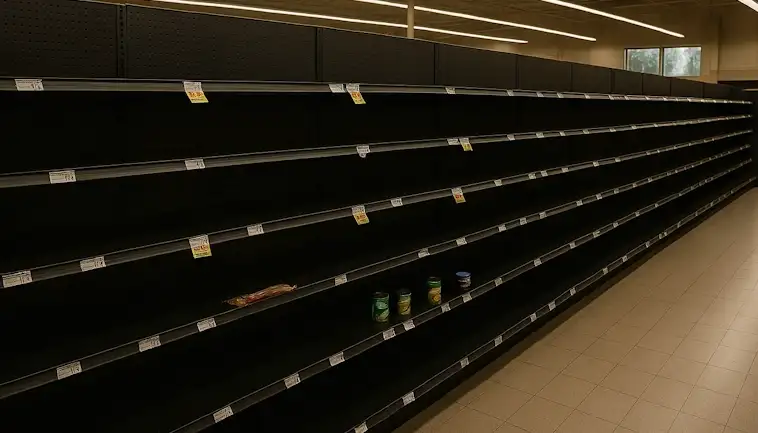
Food Shortage Reality: How a Crisis Unfolds in Plain Sight
When we talk about a food shortage, it can feel distant. Yet the truth is far closer to home. It creeps into everyday life long before we ever hear the word “crisis.” Prices shift. Shelves look a little emptier. Fresh produce becomes harder to find. And while these changes seem small at first, they tell a much bigger story about how vulnerable our food systems have become.
This matters because food scarcity rarely arrives overnight. Instead, it builds quietly. By the time the public notices, the pressure has often been growing for months — even years. That’s why understanding the early signals is so important. It helps you spot what’s coming, stay prepared, and make smarter choices for your household.
The Hidden Early Signs We Often Miss
One of the clearest early signs of a food shortage is rising uncertainty in supply chains. Weather swings, shipping delays, and reduced harvests can disrupt how food moves around the world. At first, we may only see small price jumps. But over time, those little changes stack up.
And as they do, they expose a simple truth: our modern food system is interconnected in ways most people never think about. When one part struggles, the rest feels it. That’s why transparency and awareness matter so much. The more we understand what’s happening, the better we can respond instead of being caught off guard.
If you’d like to explore deeper data on global hunger trends, the World Food Program offers a clear snapshot of what’s driving shortages today.
Food shortages will continue to shape our future. But by noticing the signs early — and talking about them openly — we give ourselves a chance to act with confidence instead of fear.
Why Our Global Supply Chains Are More Fragile Than Ever
When we look at today’s global supply chains, it’s clear they’re under more strain than at any other time in recent memory. And the cracks aren’t always obvious at first. They show up in slower deliveries, shrinking inventories, and rising prices. Yet these signals point to something much larger: a system stretched thin by pressures coming from all directions.
The fragility starts with how interconnected everything has become. One shipping delay on the other side of the world can ripple across countless industries. And as we’ve seen in recent years, it doesn’t take much to throw the whole system off balance. A storm. Perhaps a labor strike. Maybe a political dispute. Any of these can disrupt the flow of goods we rely on every day.
This matters because supply chains have quietly become the backbone of daily life. They determine what shows up in stores, how much we pay, and how fast businesses can respond to demand. When they wobble, the effects are felt everywhere.
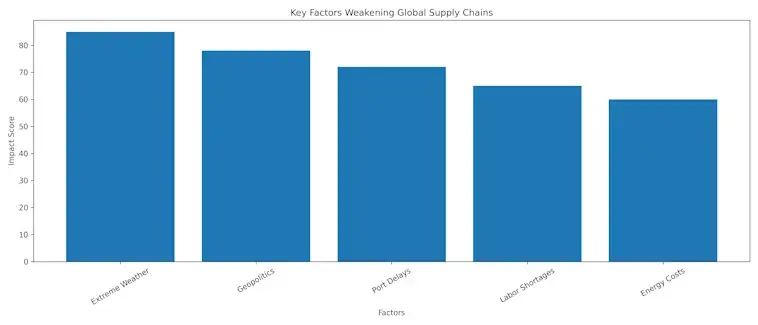
The chart highlights the main forces putting pressure on today’s global systems — from extreme weather to rising energy costs. Seeing the factors side by side makes it easier to understand why disruptions feel more common and more intense.
As we move forward, keeping an eye on these stress points will be essential. It helps us anticipate changes early and adapt before a small imbalance turns into a major breakdown.
Food Shortage Risks That Could Accelerate Future Disruptions
When we talk about a food shortage, it’s easy to focus on what’s happening right now. But the bigger story is what could happen next. Many of the pressures we see today are building quietly in the background, and they have the potential to speed up future disruptions. That’s why it helps to understand the risks early. It gives you room to prepare and stay ahead of the curve.
As global systems grow more interconnected, even small problems can spread fast. One failed harvest. An extreme weather event. Just one supply chain delay. Any of these can send shockwaves through markets and communities. And because these risks often overlap, the impact becomes even more powerful.
Below are some of the most concerning risks that could intensify the food shortage in the years ahead:
- Rising temperatures reducing crop yields
- Water scarcity affecting irrigation and livestock
- Increased transportation delays
- Soil degradation limiting long-term production
- Higher energy costs driving up food prices
If you want to explore the long-term patterns behind these risks, the Food and Agricultural Organisation of the United Nations offers a clear breakdown of global food security trends.
As we move forward, staying informed is one of the best ways to build resilience. When you understand the signals, you’re better prepared to respond — long before a full crisis arrives.
How Communities Adapt When Essential Resources Vanish
When essential resources disappear, communities don’t just wait and hope for the best. They adapt. And they often do it in ways that are both creative and surprisingly effective. This matters because resource shortages are becoming more common, and the way communities respond today can shape how resilient they are tomorrow.
People tend to adjust quickly when pressure rises. They shift habits. Rethink old systems. Look for local solutions when global ones fail. And because these changes start small, they can spread fast — often becoming long-term strategies for stability.
One thing we see again and again is that communities don’t move in one direction. They explore several strategies at once. Some focus on food access. Others invest in water conservation or renewable energy. And many turn to collective action because working together can soften the impact in remarkable ways.
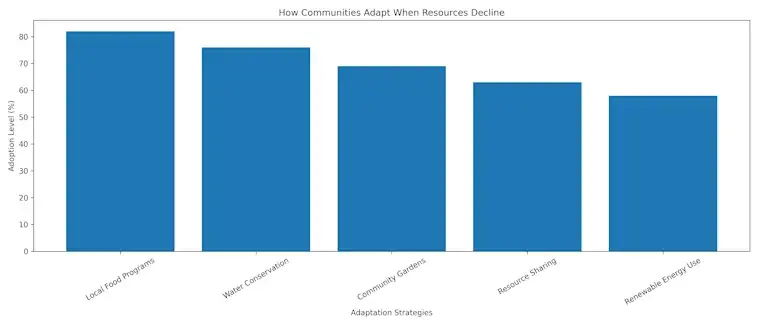
This chart highlights the most common strategies communities use when resources grow scarce. It shows how practical steps — like local food programs or shared resources — gain traction when people need them most.
Looking ahead, these adaptations offer something encouraging. They remind us that even when resources are tight, communities can evolve in ways that make them stronger, more connected, and better prepared for whatever comes next.
What This Crisis Teaches Us About Building a Resilient Future
When we look at the challenges unfolding today, it becomes clear that resilience isn’t just a buzzword — it’s a necessity. Crises reveal where our systems are weak. They show us how quickly everyday routines can change. And more importantly, they highlight the steps we can take to build a stronger, more adaptable future.
The truth is that resilience starts with awareness. Once we understand the forces shaping our world, we can respond with clarity instead of panic. Communities, businesses, and households all have a chance to rethink how they prepare, plan, and protect what matters most. And while the problems may feel overwhelming at times, each crisis also teaches us something valuable about how to move forward.
How Food Shortage Pressures Reshape Long-Term Planning
One of the clearest lessons from recent disruptions is that we need more flexible systems. We need supply chains that can adjust quickly. Local support networks that can step in when global ones fail. And we need strategies that help people stay steady even when resources grow tight.
Looking ahead, resilience won’t come from a single solution. It will come from many small improvements — smarter infrastructure, stronger community ties, better communication, and more sustainable choices. Each step builds on the next, creating a future that can absorb shocks rather than crumble under them.
If you want a deeper look at how global systems are shifting, the United Nations offers a clear, data-driven view of today’s biggest vulnerabilities.
As we learn from this crisis, we gain the insight needed to shape a future where communities are not just surviving disruptions, but navigating them with confidence and clarity.
Conclusion: A Food Shortage Can Change Everything Faster Than We Expect
A food shortage isn’t just a supply issue — it’s a powerful reminder of how quickly life can shift. As we’ve seen, the warning signs often arrive quietly, yet the impact can reshape communities, economies, and daily routines almost overnight. That’s why understanding these risks matters so much. It gives us the chance to respond early, stay informed, and make choices that support long-term stability.
When we recognize how fragile our systems can be, we also see how much room there is to build something stronger. And while the challenges are real, the path forward is filled with opportunities to rethink how we grow food, manage resources, and support one another.
If we take these lessons seriously, we can move toward a future where resilience isn’t an afterthought — it’s the foundation. And that shift alone can help ensure that the next food shortage doesn’t catch us off guard, but instead motivates smarter planning and more connected communities.