

Disappearing Shells: The Crisis of Ocean Acidification
Shell dissolution is a silent crisis unfolding in our oceans, affecting countless marine species. As ocean waters become more acidic, the building blocks of marine life—shells and corals—are dissolving. This isn’t just a problem for sea creatures; it impacts everyone. Fisheries, tourism, and even global biodiversity hang in the balance. We’re taking a look at how this process happens, which species are most at risk, and what this means for our planet. Plus, we’ll explore what can be done to slow or reverse this alarming trend. Let’s understand together how crucial healthy oceans are for our future.
Disappearing Shells: The Crisis of Ocean Acidification
What You’ll Discover
Shell Dissolution: The Basics
The Role of Ocean Acidification
Species at Risk: From Molluscs to Corals
Economic Impact: Fisheries and Tourism
Observations Around the World
Mitigation Strategies: What Can Be Done?
The Future of Marine Biodiversity
How You Can Help
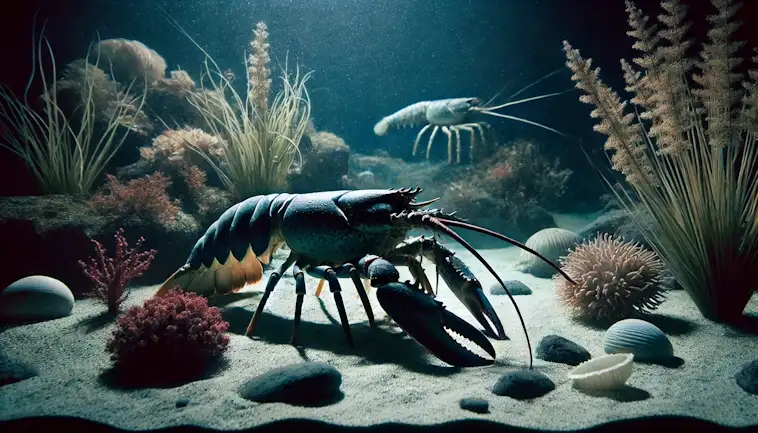
Shell Dissolution: The Basics
Shell dissolution is a process where the shells of marine creatures like clams, oysters, and snails start to break down. This happens when the water they live in becomes too acidic. The main reason behind this acidity is often ocean acidification.
To understand how this works, let’s look at the basic chemistry. The shells of these marine animals are primarily made up of a substance called calcium carbonate. This material is sturdy and protects them. However, when carbon dioxide (CO₂) from the air dissolves in ocean water, it changes the water’s chemistry. It forms carbonic acid, which is a weak acid but still strong enough to affect ocean life significantly.
This acid reacts with the calcium carbonate in the shells, slowly breaking it down. The reaction produces calcium ions and bicarbonate, both of which mix into the ocean water. As the acidity of the ocean goes up (meaning the pH level drops), more of the calcium carbonate dissolves, leading to thinner and weaker shells.
This weakening of shells due to dissolution is a big problem because it makes marine creatures vulnerable to predators and changes their ability to survive and grow. Ocean acidification is a growing concern because the more CO₂ we release into the atmosphere, the more acidic the oceans become, enhancing problems like shell dissolution. This is an environmental issue and a significant concern for industries that rely on these marine organisms, like fisheries and those harvesting shellfish for food.
The Role of Ocean Acidification
Ocean acidification is largely due to one main culprit: increased levels of carbon dioxide, or CO₂, in our atmosphere. This starts with how we, as humans, have been contributing to higher CO₂ levels, mainly through burning fossil fuels like coal, oil, and natural gas. This burning releases a lot of CO₂, a major greenhouse gas, into the air.
Let’s talk about the global carbon cycle to understand this better. This cycle is nature’s way of managing all the carbon in the Earth’s atmosphere, oceans, and land. Plants absorb CO₂ from the air for photosynthesis, and animals then use these plants as food, which circulates carbon among living things. When plants and animals die, they decompose, and carbon is returned to the soil and air. The oceans also play a key role by absorbing CO₂ from the atmosphere.
Now, when humans burn fossil fuels, we add extra CO₂ to this cycle. This is more than what plants, oceans, and the natural process can handle. The oceans absorb about a quarter of this extra CO₂. When CO₂ mixes with seawater, it forms carbonic acid. This is not a strong acid, but it’s strong enough to lower the ocean’s pH, making it more acidic.
This change in pH is direct because the more CO₂ the ocean absorbs, the more acidic it becomes. Lower pH affects the chemistry of the ocean and the life within it, leading to problems like shell dissolution, which I mentioned earlier.
By understanding this direct link between CO₂ levels and ocean acidity, we can see how human actions are making a significant impact on the oceans and marine life. This emphasises why reducing fossil fuel use and CO₂ emissions is important for the health of our oceans.
Species at Risk: From Molluscs to Corals
Shell dissolution affects several marine species, especially those that rely on calcium carbonate for their shells and skeletons. This includes molluscs, clams, oysters, and corals, among others.
- Molluscs like snails and slugs have shells that provide protection and structural support. As their shells weaken due to acidification, they become more vulnerable to predators and environmental stressors. This can lead to lower survival rates.
- Clams and oysters are affected because their shells are crucial for protection and for their overall growth. Weaker shells can make it difficult for them to mature properly or reproduce, leading to fewer young surviving to adulthood. This population reduction can have ripple effects throughout the ecosystem, as these creatures are key players in their environments. They help clean the water by filtering out pollutants and provide food for other marine animals.
- Corals face similar challenges. They build extensive structures, called coral reefs, which are essential to marine biodiversity. These reefs are home to thousands of different marine species. When corals can’t maintain their skeletons, the reefs can’t grow or may even start to dissolve. This disrupts the habitat for countless species and can lead to a loss of biodiversity.
The broader ecological consequences are significant. For example, areas with lots of shellfish can see shifts in the local marine environment and food chains. Fewer clams and oysters can mean higher levels of pollutants in the water, as there are fewer organisms to filter out these substances. Reduced coral reefs result in fewer fish and marine life, which affects local fishing industries and economies relying on tourism.
The weakening of shells through dissolution is more than just a problem for the individual species affected—it’s a threat to entire marine ecosystems and human communities connected to these environments.
Economic Impact: Fisheries and Tourism
Shell dissolution has serious economic effects on industries that depend on healthy oceans, particularly fisheries and tourism.
For fisheries, the impact is direct. Many fishers rely on molluscs like clams and oysters, both for direct consumption and as an important part of the ocean food chain. As these creatures’ shells weaken and populations decline, the supply of seafood drops. This reduction can lead to fewer jobs in the fishing industry and higher seafood prices, making it tough for local communities that depend on fishing for their livelihoods.
In tourism, the effects are also significant. Many tourists flock to destinations known for their beautiful coral reefs and diverse marine life. Coral reefs not only attract divers and snorkelers but also support fish and other marine species that are central to eco-tourism. As coral reefs degrade due to shell dissolution among corals, these attractions lose their appeal, leading to fewer tourist visits. This decline can cause job losses in the tourism sector, including in hospitality and services that cater to visitors.
The overall picture is one of cascading effects—declining marine health leads to reduced economic activity, which then affects local and even national economies reliant on the sea. Protecting marine life is not just an environmental issue; it’s important for sustaining the economic well-being of many communities around the world.
Observations Around the World
Shell dissolution has been seen and studied in several key geographic locations around the world. Each area has unique research findings that highlight the impact of this phenomenon.
- The Great Barrier Reef: Located off the coast of Australia, the Great Barrier Reef is one of the most famous coral systems in the world. Research here has shown that corals are becoming more brittle due to the acidification of ocean water. This makes them more susceptible to damage from storms and less able to support the diverse marine life that depends on them. Scientists have seen significant coral bleaching events, which are partly due to stressed corals from weaker skeletons.
- The Pacific Northwest: This region of the United States is well-known for its shellfish industries, particularly oysters. Studies in places like Puget Sound have documented how young oysters fail to develop properly when the water is too acidic. The shells of these oysters do not form correctly, leading to high mortality rates among new oysters. This has serious implications for local fisheries and the economy that relies on them.
- The North Atlantic: Research in the North Atlantic has focused on creatures like sea snails and clams. Findings show these animals are experiencing thinner shells and are more vulnerable to predation and environmental changes. The changes in shell strength disrupt the food chain and affect other marine species, including commercially important fish that feed on these molluscs.
These examples from different parts of the world all point to a clear trend: as ocean acidification increases, the survival of creatures with calcium carbonate shells is increasingly jeopardised, disrupting marine ecosystems and the human economies that depend on them.
Mitigation Strategies: What Can Be Done?
Efforts to combat shell dissolution involve strategies at both global and local levels.
- Reducing carbon emissions: This is a global initiative aimed at tackling the root cause of ocean acidification. By cutting down on CO₂ emissions from cars, factories, and power plants, we can slow the rate of acidification. Countries around the world are working together to set targets for reducing emissions, which is essential for the health of our oceans.
- Enhancing marine protected areas: Locally, many regions are expanding or improving marine protected areas. These areas help maintain healthy marine ecosystems and let them recover from various stresses, including acidification. By restricting fishing and other activities, these protected zones help make sure marine life, including those with shells, has a safe environment to thrive and repopulate.
- Scientific advancements in marine biology: Scientists are working on several innovative solutions. One approach is managing pH levels in water directly, especially in smaller, controlled environments like hatcheries. This can involve adding substances that neutralise the acidity, helping shellfish like oysters and clams to grow stronger shells.
Another exciting area of research is genetic engineering. Researchers are exploring ways to create more resilient marine species that can withstand more acidic conditions. By understanding the genetic traits that make species more tolerant to low pH, scientists hope to support the breeding of tougher marine organisms.
Together, these strategies form a comprehensive approach to mitigating shell dissolution. By combining global efforts to reduce CO₂ with local conservation actions and scientific breakthroughs, we can help protect our marine ecosystems for the future.
The Future of Marine Biodiversity
If we look at the future of marine biodiversity under the influence of current trends, we can see two very different scenarios unfolding, depending on how we act now.
- Pessimistic Outlook: If we continue on our current path without significant changes, the outlook isn’t great. Ocean acidification could intensify, leading to widespread shell dissolution. This would affect shellfish and the coral reefs that form the backbone of marine biodiversity. As these reefs deteriorate, they will host fewer fish and marine species, leading to less biodiversity. The chain reaction would affect food sources for larger marine animals and disrupt entire marine ecosystems. If the habitats degrade and food becomes scarce, many marine species could face extinction.
- Optimistic Outlook: On the flip side, if we ramp up our efforts to combat climate change, there’s hope. By reducing carbon emissions dramatically and adopting clean energy solutions, we can slow the rate of ocean acidification. Enhanced marine protected areas could help ecosystems recover and maintain biodiversity. Scientific advancements might also lead to breakthroughs, like developing marine species that can adapt to changing conditions or technologies that help buffer the waters against acidification. With strong international cooperation and innovative science, we could preserve much of our marine life and maybe even see degraded ecosystems start to recover.
Both scenarios hinge largely on human actions in the coming years. Our choices about energy use, conservation, and technological investment will determine which path we follow. This makes it crucial for us to act decisively and thoughtfully to protect our oceans.
How You Can Help
If you’re concerned about shell dissolution and the health of our oceans, there are many ways you can make a difference.
- Reduce Your Carbon Footprint: One of the biggest steps you can take is to cut down on your own carbon emissions. Consider using public transport, biking, or carpooling instead of driving alone. Reduce energy use at home by turning off lights and electronics when not in use and switching to energy-efficient appliances. Even small changes, like eating less meat, can have a big impact on reducing CO₂ emissions.
- Support Sustainable Fisheries: When you buy seafood, look for labels that show it’s sustainably sourced. Organisations like the Marine Stewardship Council certify seafood that comes from sources that maintain healthy fish populations and ecosystems. By choosing these options, you help protect marine life and support fishing communities that care about long-term sustainability.
- Participate in Local Clean-Ups: Join local beach or river clean-up efforts. These activities not only help remove pollutants and trash from our waters but also raise community awareness about the importance of healthy oceans. Plus, they’re a great way to get outdoors and make a direct impact on your local environment.
- Spread Awareness: Talk about ocean acidification and shell dissolution with your friends and family. Share information on social media, go to community meetings or even host an information session. The more people know about the issue, the more likely they are to act too.
By taking these steps, you’re not just helping to protect marine life; you’re also contributing to healthier oceans and a better planet. Every action counts, and together, we can make a big difference!
Conclusion
Shell dissolution is a serious issue that threatens our marine life and the industries depending on it. It’s caused by increased ocean acidity, largely due to our CO₂ emissions.
This problem affects shellfish and the intricate coral ecosystems that support diverse marine species.
By understanding the chemistry behind it and the scale of its impact, we can start to make a difference.
Reducing our carbon footprint, supporting sustainable practices, and spreading awareness are steps everyone can take.
Together, we can protect our oceans and make sure they remain vibrant and healthy for future generations.