

Dirty Skies: The Hidden Cost of the Air We Breathe
Dirty Skies and a Warming World: Connecting the Dots Between Pollution and Climate Change
The haze hanging over our cities tells a story most of us never hear. Dirty skies aren’t just a sign of industrial progress—they’re a warning about what’s happening to our air, our health, and our future. Every breath we take carries invisible particles that slowly wear down our lungs, hearts, and even our brains. What looks like a distant environmental issue is already reshaping how we live and how long we live.
Behind those dull gray horizons lies a growing cost we can no longer afford to ignore. From rising medical expenses to lost productivity and shortened lifespans, air pollution is quietly draining economies and eroding quality of life. Yet, amid the problem, there’s also opportunity—new technologies, cleaner energy, and smarter urban planning are starting to turn the tide. The question is whether we’ll act fast enough to clear the air for good.
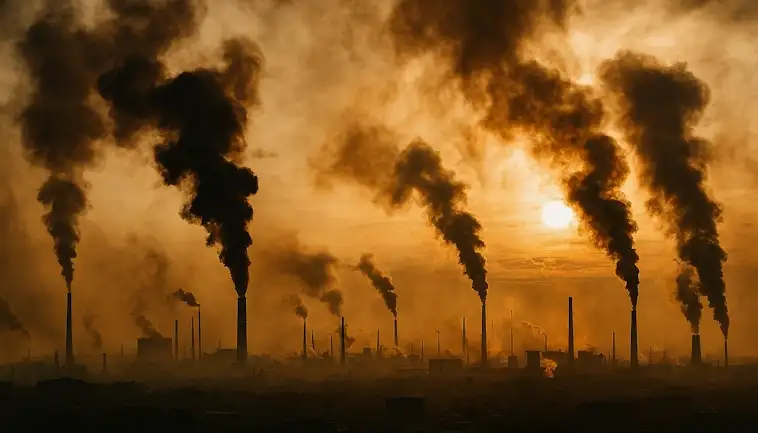
What’s Really Behind Our Dirty Skies and Why It Matters
Let’s be honest—when we look up and see a hazy sky instead of a clear blue one, most of us don’t think too deeply about why it’s like that. Maybe we blame traffic, factories, or just “city life.” But the truth is, our dirty skies tell a much bigger story—one that’s shaping our health, our climate, and even our future.
Air pollution isn’t just smoke rising from chimneys. It’s a mix of invisible particles, vehicle exhaust, industrial chemicals, and even dust from faraway places. These tiny pollutants travel through the air we breathe, often settling deep in our lungs. And here’s the worrying part: they don’t just stay there. Studies show that fine particles can enter our bloodstream and affect everything from heart health to brain function.
The Hidden Cost of Everyday Convenience
Think about how much of modern life depends on things that pollute the air—cars, power plants, shipping, even the production of the phones we use every day. Convenience comes at a price, and that price often shows up in the air quality we experience. Cities that rely heavily on fossil fuels tend to have higher pollution levels, and that affects everyone—from children walking to school to older adults trying to stay active.
The good news? Change is possible. Around the world, cleaner energy technologies, electric vehicles, and smarter city planning are already making a difference. And while progress might feel slow, each small improvement—like cleaner buses or stricter emission standards—adds up to clearer skies over time.
Our skies are more than just scenery. They’re a mirror reflecting how we live, what we value, and how willing we are to protect what keeps us alive. So next time you see a dull, gray haze overhead, take a moment to think: what choices—big or small—can help bring back that bright, blue sky?
How Air Pollution Sneaks Into Your Daily Life
You might think air pollution comes mostly from factories or highways far away. But the truth is, it’s quietly finding its way into your home, your office, and even your favorite café. Every breath you take indoors or outdoors carries traces of invisible particles from everyday activities.
Take cooking, for example. Frying or grilling without good ventilation can fill the air with fine particles. Cleaning products release fumes that mix with dust and chemicals. Even something as small as using a scented candle or air freshener adds to the invisible cloud of indoor pollution.
And then there’s traffic. Every time you open a window near a busy road, tiny pollutants drift inside. Construction dust, printer emissions, and wood smoke all contribute more than most people realize.
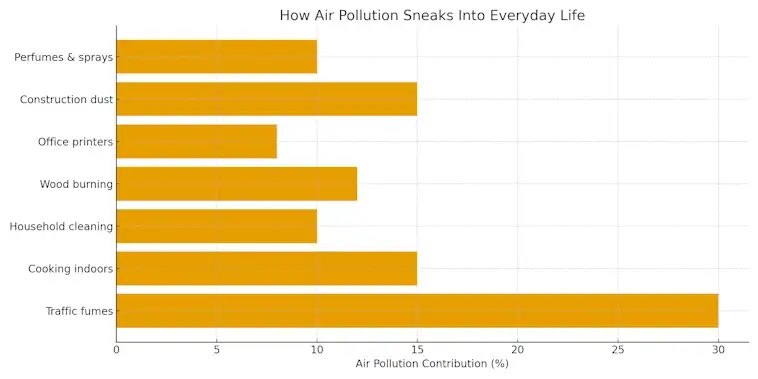
These hidden sources may seem harmless on their own. But together, they add up—impacting how clean your air really is. Recognizing where pollution sneaks in is the first step toward clearing the air at home and in your community.
Dirty Skies, Hidden Health Risks: The Truth We Can’t Ignore
Take a look outside. The sky might seem hazy, but that haze tells a deeper story. Our dirty skies aren’t just ruining sunsets — they’re quietly affecting our health in ways we rarely think about.
Every breath we take carries tiny particles from traffic, factories, and wildfires. They drift through cities and towns, settling deep into our lungs and bloodstream. Over time, this invisible pollution builds up, and the risks are far greater than most people realize.
Researchers now link air pollution to a growing list of health issues — and not just the usual suspects like asthma or allergies. The effects reach much further, even touching our hearts and minds.
Here’s what scientists have discovered about dirty skies and their hidden impact:
- Heart problems: Air pollution increases the risk of heart disease and stroke.
- Lung damage: Long-term exposure weakens lung function, even in children.
- Cognitive decline: Polluted air is linked to memory loss and slower brain function.
- Pregnancy risks: Expectant mothers exposed to high pollution face higher risks of low birth weight.
- Mental health: Studies show a rise in anxiety and depression in areas with poor air quality.
What’s most troubling is how easy it is to ignore. We can’t see most of these pollutants. They’re invisible, odorless, and everywhere. But once you know they’re there, it’s hard to unsee the truth.
The good news? Awareness is the first step toward change. Cleaner transport, greener energy, and smarter city planning can all help clear our skies. And when we fight for cleaner air, we’re really fighting for longer, healthier lives.
Because the truth is simple — we can’t afford to keep breathing in the problem.
The Economic Toll of Breathing Polluted Air
We often think about air pollution as a health problem. But it’s also quietly draining our wallets and weakening entire economies. Every breath of dirty air carries a hidden price tag — one that adds up fast.
Across the world, air pollution leads to lost productivity, higher healthcare costs, and billions in damage to crops and infrastructure. Cities spend huge sums treating illnesses linked to bad air, while workers lose days of income due to respiratory issues. It’s not just a health crisis; it’s an economic one too.
For instance, regions in Asia and Europe bear some of the highest financial burdens, with losses reaching hundreds of billions of dollars each year. Even in wealthier areas like North America, the economic drag from polluted air is significant. The ripple effects stretch from local businesses to global trade, quietly shaping the world economy.
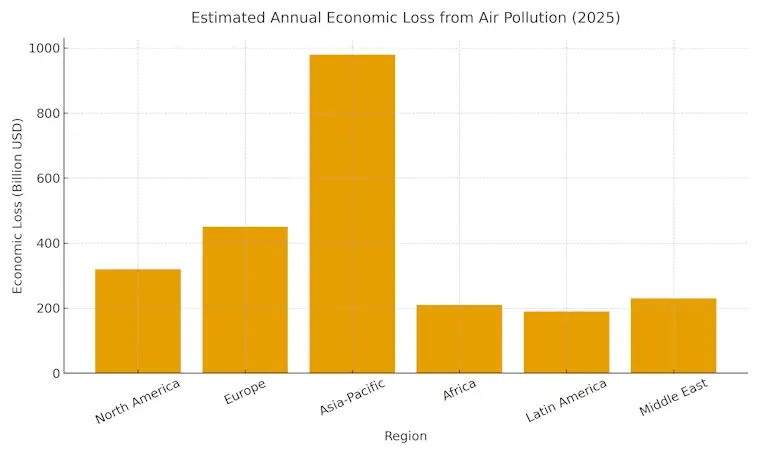
If clean air sounds like a moral or environmental issue, it’s also a financial necessity. Investing in cleaner technologies and greener cities doesn’t just protect lives — it saves money, boosts productivity, and fuels long-term growth. The math is simple: cleaner air equals stronger economies.
Clearing the Air: What We Can Do to Fix the Problem
We all know the air isn’t as clean as it used to be. You can see it in the haze that hangs over city skylines and feel it after a long day outside. The good news? There’s a lot we can do to turn things around—both as individuals and as communities. Clearing the air starts with small changes that add up to a big impact.
Let’s talk about what really makes a difference.
Facing the Challenge of Dirty Skies
“Dirty skies” don’t just happen on their own. They’re the result of countless everyday choices—from how we travel to what we buy and how we power our homes. But that also means we have control. Choosing public transport or biking instead of driving helps cut emissions fast. Swapping to renewable energy, like solar or wind, lowers pollution right at its source.
Even small actions, like reducing waste or supporting local farmers, can help clean the air we breathe. The cleaner our habits, the clearer our skies.
Businesses and governments also play a huge role. When they invest in cleaner energy, smarter transport, and stricter pollution controls, the results ripple out fast. Cities that once struggled with constant smog are now seeing blue skies return. That’s proof that change works.
A Breathable Future
Clearing the air isn’t about perfection—it’s about progress. The more people get involved, the faster we’ll see results. Imagine cities where the skyline shines, and the air feels fresh again. It’s possible, but it starts with us—today.
So, what’s one small change you can make right now? Because every breath we take should be a clean one.
Clearing the Air: It’s Time to Take a Stand
The truth is, the air around us isn’t as harmless as it seems. Every breath carries a mix of invisible pollutants that quietly affect our health, our cities, and even our children’s future. While progress is being made, the pace is far too slow for the scale of the problem we face.
But here’s the hopeful part — clean air isn’t a distant dream. It’s something we can fight for right now. By supporting cleaner energy, demanding stronger air-quality policies, and making small personal choices — like reducing car use or supporting green urban spaces — we can all help turn the tide.
The cost of inaction is far greater than the effort it takes to make a change. So let’s start the conversation, share the facts, and push for the clean, healthy air every person deserves.