

Dirty Energy Secrets That Are Quietly Damaging Our Planet
Dirty Energy: The Power Source Costing Us More Than We Realize
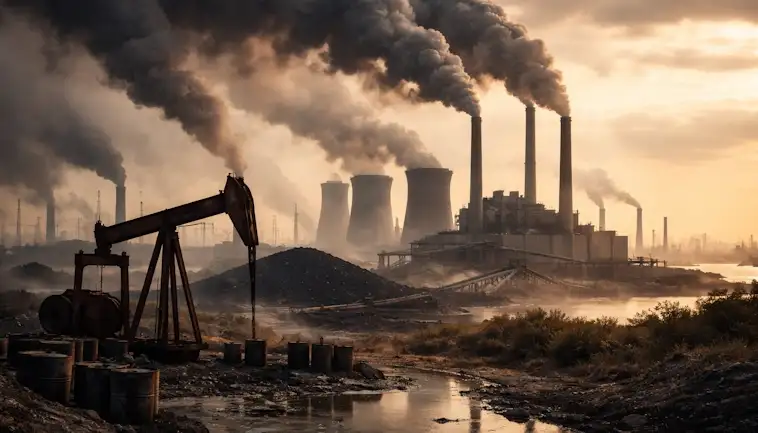
Dirty energy powers much of the modern world. It lights homes, fuels transport, and keeps industries running. Yet behind this convenience lies a growing environmental cost. Dirty energy—mainly from coal, oil, and gas—releases pollution that harms air, water, and climate systems. As a result, the effects often build slowly and quietly, making them easy to overlook in everyday life.
Across the globe, power plants and fuel extraction sites continue to release greenhouse gases and toxic pollutants. These emissions trap heat in the atmosphere and worsen climate change. At the same time, they contribute to smog, acid rain, and damage to natural habitats. Cities feel the impact through poor air quality, while rural areas often face land and water contamination.
Even so, the full scale of the problem is not always clear. Energy companies and outdated infrastructure keep many of these practices running in the background. Meanwhile, cleaner technologies are expanding, yet the transition remains uneven. Understanding how these systems operate is an important step toward meaningful change.
Greater awareness is beginning to shift public opinion and policy. Renewable energy, smarter grids, and cleaner transport are gaining ground. Still, the influence of older fuel systems continues to shape the global energy landscape. Recognising the hidden effects of today’s energy choices can help guide better decisions for the future of the planet.
Dirty Energy: The Hidden Cost Behind Everyday Power
We flip a switch and the lights come on. We plug in a phone and it charges within minutes. Power feels instant and effortless. Yet behind that simple moment is a complex system that often relies on dirty energy.
Dirty energy usually comes from fossil fuels such as coal, oil, and natural gas. These fuels have powered modern life for more than a century. However, they also come with a cost that many people rarely see. That cost shows up in polluted air, rising global temperatures, and long-term damage to ecosystems.
In many countries, a large share of electricity still comes from fossil fuels. Power plants burn these fuels to generate energy. As a result, they release carbon dioxide and other harmful gases into the atmosphere. Over time, those emissions build up and contribute to climate change.
But the impact of dirty energy goes beyond the climate. It also affects daily life. For example, burning fossil fuels releases pollutants that can worsen air quality in cities and nearby communities. This pollution has been linked to respiratory problems and other health concerns.
Why Dirty Energy Still Powers So Much of Our World
Despite the downsides, dirty energy remains common for a simple reason. It has long been cheap and reliable. Power grids were built around fossil fuels, and many industries still depend on them.
However, that balance is starting to change. Renewable sources such as solar and wind are growing quickly. In fact, new technologies are making clean energy more affordable every year. As a result, many countries are investing in cleaner power systems.
At the same time, awareness is rising. People are beginning to ask where their electricity comes from and how it affects the planet. That shift in thinking is important. When consumers, businesses, and governments demand cleaner power, energy systems begin to evolve.
If you want to understand the difference between fossil fuels and renewable energy, the International Energy Agency offers a clear overview of today’s global energy mix.
Looking ahead, the transition away from dirty energy will not happen overnight. Power grids are large and complex. Still, progress is underway. Renewable energy is expanding. Battery storage is improving. And smarter energy systems are emerging.
So the next time you turn on a light, it is worth remembering what powers that moment. Electricity may feel invisible. Yet the source behind it matters more than ever.
Why Fossil Fuels Still Dominate Global Energy
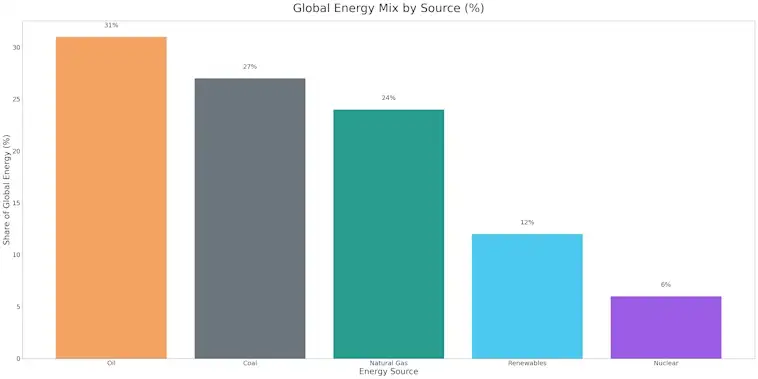
Fossil fuels still power much of the modern world. Oil, coal, and natural gas supply the majority of global energy. Even today, they provide most of the electricity, fuel, and heating people rely on every day.
The main reason is simple. Fossil fuels built the modern energy system.
For more than a century, power plants, transport systems, and heavy industries have been designed around these fuels. Because of that, the infrastructure already exists. Pipelines, refineries, power stations, and shipping networks are all built to handle fossil energy.
As a result, switching to cleaner sources takes time.
Another factor is reliability. Fossil fuels can generate energy around the clock. Power plants can produce electricity whenever it is needed. In contrast, some renewable sources depend on weather conditions. Solar power needs sunlight. Wind power needs wind. Although battery storage is improving, many energy grids still rely on fossil fuels to keep power stable.
Cost also plays a role. In many regions, fossil fuels remain cheaper in the short term. Governments and industries have invested trillions of dollars in extraction and energy production. Because of this long history, fossil fuels still appear economically attractive in some markets.
However, the picture is starting to shift.
Renewable energy is growing quickly. Solar panels and wind turbines are becoming cheaper each year. At the same time, new battery technology is helping store energy for later use. As these technologies improve, the global energy mix is slowly changing.
Still, for now, fossil fuels remain dominant. They power transport, manufacturing, heating, and electricity for billions of people. That deep dependence will not disappear overnight.
Yet the direction of travel is clear. Countries are investing more in clean energy. Businesses are setting climate targets. And consumers are becoming more aware of where their power comes from.
The transition has begun. The challenge now is speeding it up while keeping energy reliable and affordable.
Dirty Energy and the Slow Damage to Our Climate
When people talk about climate change, the focus often falls on big storms, melting ice, or rising sea levels. However, the real story often begins much earlier. It starts with the energy we use every day.
Much of the world still runs on dirty energy. This includes fuels such as coal, oil, and natural gas. They power homes, cars, and industries. Yet behind this convenience sits a slow but powerful problem.
Dirty energy releases large amounts of carbon dioxide and other greenhouse gases. These gases trap heat in the atmosphere. Over time, the planet warms. The process may seem gradual, but its effects add up year after year.
For many people, the damage feels distant. After all, energy is invisible. You cannot see the electricity running through wires. And you cannot always see the pollution from a power plant miles away. Still, the impact reaches far beyond those locations.
In fact, dirty energy shapes the climate in ways that affect daily life. Heatwaves become stronger. Rainfall patterns shift. Some areas face more drought. Others see heavier floods.
According to research shared by the International Energy Agency, the global energy sector remains the largest source of greenhouse gas emissions. This shows how closely energy choices and climate change are connected.
So what exactly makes dirty energy such a serious issue? Several factors combine to create the problem:
- High carbon emissions – Burning fossil fuels releases carbon dioxide that stays in the atmosphere for decades.
- Air pollution – Dirty energy also produces harmful particles that damage human health.
- Environmental damage – Mining, drilling, and transport can harm ecosystems and wildlife.
- Long-term climate impact – The gases released today will continue warming the planet far into the future.
- Infrastructure lock-in – Once power plants and pipelines are built, they often operate for many decades.
Because of this, the effects of dirty energy build slowly but steadily. Each year adds more heat to the climate system. Scientists often describe it as a “long tail” problem. Even small increases in emissions today can create lasting impacts tomorrow.
However, there is also reason for optimism. Around the world, cleaner energy sources are expanding quickly. Solar, wind, and battery storage are growing year by year. In many places, they are now cheaper than new fossil fuel plants.
At the same time, governments, businesses, and communities are beginning to rethink how energy works. Cities are improving public transport. Homes are switching to electric heating. Cars are moving toward electric power.
Of course, the shift will not happen overnight. Energy systems are large and complex. But momentum is clearly building.
Looking ahead, the key challenge is simple. The world must reduce its reliance on dirty energy while expanding clean alternatives. The sooner that transition happens, the better chance we have of limiting long-term climate damage.
In other words, the energy choices made today will shape the climate of tomorrow. And that makes the conversation about dirty energy more important than ever.
How Energy Companies Quietly Delay Clean Solutions
The world is slowly moving toward cleaner energy. Solar panels are spreading across rooftops. Wind turbines are rising offshore. Electric cars are becoming more common on the road.
However, the shift away from fossil fuels has not been smooth. In many cases, progress moves slower than expected. One reason is that some energy companies work behind the scenes to delay clean solutions.
This does not always happen in obvious ways. Instead, the delays are often subtle. They appear through lobbying, public messaging, or slow investment decisions. Over time, these actions can stretch the transition to clean energy by many years.
Large fossil fuel companies still earn huge profits from oil, gas, and coal. Because of this, rapid change can threaten their existing business models. As a result, some companies support climate goals publicly while quietly slowing policies that would speed up the transition.
For example, companies may fund campaigns that highlight the cost of renewable energy. Others may argue that clean technologies are not yet reliable enough. These messages can influence political debates and public opinion.
In addition, energy firms often lobby governments. They push for policies that protect existing fossil fuel infrastructure. At the same time, they may call for longer timelines before stricter climate rules take effect.
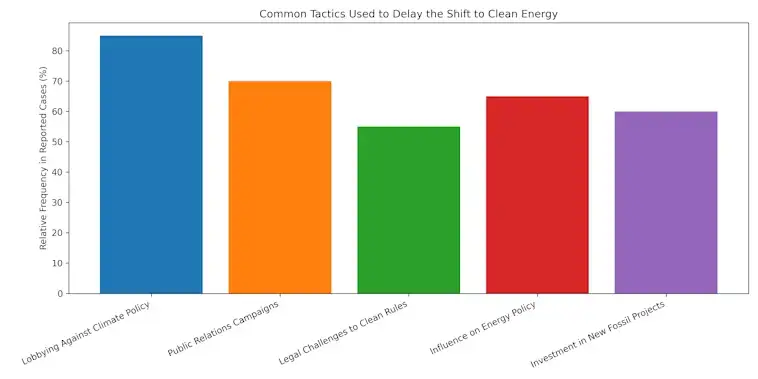
Several common strategies are often reported by researchers and climate groups:
- Lobbying against strong climate policies
- Funding public relations campaigns that question clean energy progress
- Challenging environmental rules through legal action
- Influencing government energy planning and regulations
- Continuing to invest in new oil and gas projects
These actions do not stop clean energy completely. However, they can slow momentum at key moments. Even small delays matter. Climate scientists warn that every year of high emissions makes future climate targets harder to reach.
At the same time, pressure is growing. Investors, governments, and consumers are asking tougher questions about the role of fossil fuels. Renewable energy is also becoming cheaper and more competitive each year.
Because of this, the balance is slowly shifting. Transparency is increasing. Companies face stronger scrutiny. And clean technologies continue to improve.
In the long run, delaying the transition may prove difficult. The global energy system is changing. The key question now is not if clean energy will grow, but how fast it will replace older, dirtier sources.
What a Cleaner Energy Future Could Look Like
Imagine waking up in a city where the air feels fresh every morning. The sky looks clearer. Streets are quieter. And energy flows from sources that do not harm the planet. That future may sound distant. Yet in many ways, it is already beginning.
A cleaner energy future is not only about replacing coal or oil. It’s about changing how we power our homes, cities, and industries. It also means using energy in smarter ways. Step by step, countries around the world are moving in that direction.
Today, renewable energy is growing faster than ever. Solar panels now cover rooftops in many cities. Wind turbines turn across open landscapes and offshore waters. Meanwhile, battery technology is improving. This helps store electricity so it can be used even when the sun is not shining or the wind is calm.
As a result, energy systems are becoming more flexible and reliable.
Homes will play a major role in this shift. In the future, many houses will produce their own electricity. Solar panels on the roof will generate power during the day. Smart batteries will store extra energy for the evening. Electric cars parked in the driveway may even supply power back to the home when needed.
At the same time, cities will become cleaner and quieter. Electric buses and delivery vehicles will replace many diesel engines. Buildings will use efficient heating systems such as heat pumps. Street lighting and appliances will consume far less power than they do today.
Together, these small changes can make a big difference.
Why Moving Away from Dirty Energy Matters More Than Ever
For more than a century, much of the world has relied on dirty energy. Coal, oil, and gas powered industrial growth. They fueled cars, heated homes, and supported global trade.
However, the costs have become clear.
Burning these fuels releases large amounts of carbon dioxide and harmful air pollution. This pollution affects both the climate and human health. It contributes to rising global temperatures. It also worsens respiratory problems in many cities.
Because of this, many governments and businesses are now accelerating the move toward cleaner alternatives.
Renewable energy sources produce little or no pollution during operation. Solar and wind power also use natural resources that will not run out. That makes them far more sustainable over the long term.
Still, the transition will not happen overnight. Energy systems are large and complex. Power plants, grids, and transport networks take years to build and upgrade.
Even so, progress is speeding up.
New technologies are arriving every year. Green hydrogen could power heavy industry and shipping. Advanced batteries may store energy for entire regions. Smart grids will help balance electricity supply and demand in real time.
In other words, the path forward is becoming clearer.
A cleaner energy future will not only cut pollution. It can also create jobs, improve public health, and strengthen energy security. Communities will rely less on imported fuels and more on local power sources.
And perhaps most importantly, the air will be cleaner for future generations.
The shift away from polluting fuels has already begun. The next few decades will shape how far and how fast it goes.
The Truth About Dirty Energy Cannot Be Ignored
Dirty energy has powered the world for generations. It helped build cities, fuel industries, and support modern life. Yet the hidden cost is becoming impossible to ignore.
The truth is simple. Dirty energy is quietly damaging our planet.
Coal, oil, and gas release pollution into the air every single day. This pollution drives climate change. It also harms ecosystems and human health. Many communities now face rising temperatures, stronger storms, and worsening air quality as a result.
However, there is also reason for hope.
Awareness is growing. People are asking harder questions about where their energy comes from. Governments and businesses are investing more in renewable power. At the same time, new technologies are making clean energy more affordable and accessible.
Because of this shift, the future does not have to follow the same path as the past.
Moving away from dirty energy will take time. Energy systems are complex. Infrastructure cannot change overnight. Even so, progress is already underway in many parts of the world.
Solar panels, wind farms, battery storage, and cleaner transport are expanding quickly. These solutions are helping reduce pollution while still meeting the world’s growing energy needs.
And importantly, individuals also have a role to play.
Simple actions can make a difference. Choosing renewable electricity plans. Supporting cleaner transport options. Reducing unnecessary energy use at home. Each small step helps push the wider system in the right direction.
In the end, the secrets of dirty energy are no longer hidden. The damage is clear. But so is the opportunity to change course.
The choices made today will shape the health of our planet for decades to come. By shifting toward cleaner energy sources, we can protect the environment, strengthen communities, and build a more sustainable future for the next generation.