

Diesel Fumes Surging as Urban Air Grows More Toxic
Diesel Fumes Are Rising and Urban Air Is Becoming More Toxic Than Ever
City streets feel different lately. The sharp smell of diesel fumes hangs in the air longer, especially during busy hours. People notice their eyes stinging more often. Others mention a scratchy throat after a short walk. As traffic grows and older engines stay on the road, pollution builds in ways that are easy to miss day to day. Yet its impact is growing fast.
Across many urban areas, air quality monitors show a steady rise in harmful particles. These tiny pollutants slip deep into the lungs and move through the bloodstream. Over time, they affect energy levels, sleep, and even long-term health. And while cleaner technologies are gaining ground, the benefits are not reaching everyone at the same pace.
There is still room for optimism, though. New policies, smarter transport planning, and cleaner engine standards are beginning to shift the trend. When residents push for change and cities respond with bold action, air can clear faster than most expect. Understanding what’s happening now is the first step toward shaping a healthier future for everyone breathing it.
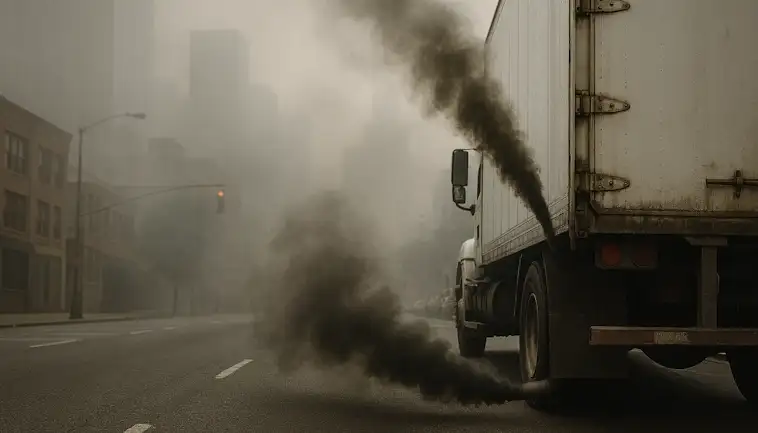
How Diesel Fumes Are Rising in Our Cities Today
Diesel fumes are becoming a bigger part of daily life in many cities. You can feel it on busy streets, and you can see it hanging low during rush hour. At times you may even notice it in the way the air smells after long lines of buses and delivery vans roll past. This quiet rise worries many people because it affects the air we all breathe.
Today, more deliveries, more traffic, and older engines still on the road mean more diesel fumes drifting through our neighbourhoods. While many cities have big goals for cleaner transport, progress often feels slow. Meanwhile, the fumes keep building up. Luckily, awareness is growing. People want to know what is happening and what they can do about it.
The Hidden Shift Happening Now
One big change comes from the boom in online shopping. Every click adds to the stream of vans bringing packages to our doors. And although some fleets are switching to electric, many still rely on diesel. As a result, the fumes rise street by street, especially in dense areas where air circulates poorly.
At the same time, public buses in many regions continue to run on diesel. Cities are trying to replace them, but full transitions take years. So, even with cleaner laws on the horizon, diesel fumes remain a stubborn problem.
Still, there is a hopeful side. More people are choosing to walk, cycle, or use cleaner forms of transport whenever possible. Cities are piloting low-emission zones. Companies are testing greener delivery models. These small steps can add up, especially if more of us push for faster change.
As awareness grows, momentum builds. And when momentum builds, air quality can improve faster than we expect. That is why now is the right time to pay attention to diesel fumes and support solutions that clear the air for everyone.
What’s Driving the New Wave of Urban Air Toxicity?
Urban air is changing faster than most of us realize. When you step outside, the air might look clear. Yet, more invisible toxins are building up around us. And they’re doing it in new ways. This shift is not only reshaping city life today but also setting the stage for even bigger challenges ahead.
So, what is actually driving this new wave of urban air toxicity?
It helps to look at the mix of old and new pollution sources. Some have been around for decades. Others are rising because of climate change, rapid construction, and modern living. When you put them together, you get a more complex and more dangerous air landscape.
Traffic remains a major driver. But now it’s joined by industrial hotspots, nonstop construction, indoor fumes that leak into street air, and even far-away wildfires that send smoke drifting into cities. These forces stack on top of one another. As a result, our air becomes more toxic in ways we don’t always see but often feel.
And as cities grow and temperatures rise, these patterns will likely intensify. That’s why understanding the drivers today matters. It helps us prepare for tomorrow. And it shows us where change can make the biggest impact.
Below is a clear visual snapshot of the major contributors shaping this new reality.

Why Diesel Fumes Pose a Bigger Risk Than You Think
Most of us walk past traffic every day without giving it a second thought. Yet diesel fumes linger in the air far longer than we realise. And they get into places we don’t expect. This hidden exposure adds up. It shapes our health, our environment, and even the way we feel at the end of a long day.
As cities grow, the problem grows too. New research shows that diesel fumes carry a mix of tiny particles and gases that slip deep into the lungs. They don’t just stay there. Instead, they move into the bloodstream. That is why experts now warn that the risks are far greater than once believed.
You may notice the effects in small ways. Maybe you feel tired after walking beside a busy road. Or perhaps your throat feels scratchy on a commute. These moments matter. Over time, they paint a bigger picture.
Here are some of the main concerns linked to diesel fumes:
- Increase the risk of breathing problems, including asthma and chronic cough.
- Allow ultrafine particles to enter the bloodstream and stress the heart.
- Raise the level of inflammation throughout the body.
- Contribute to poor air quality that affects children more than adults.
- Add to climate-warming pollution across towns and cities.
As we look ahead, the need for cleaner streets becomes clearer. More people are choosing electric transport, and more cities are rethinking traffic zones. And more of us are paying attention to the air we breathe each day.
When we understand how diesel fumes work, we can make smarter choices. Little steps help. Choosing quieter routes. Avoiding idling engines. Supporting clean-air policies. Together, these actions can shift the trend and make our daily environment safer.
The Hidden Health Costs of Breathing City Air
City life can feel exciting. There is energy everywhere, and it often feels like opportunity is right around the corner. Yet, as we go about our daily routines, another reality hangs in the air—quite literally. City air may look clear, but it often carries a mix of pollutants that can quietly chip away at our health.
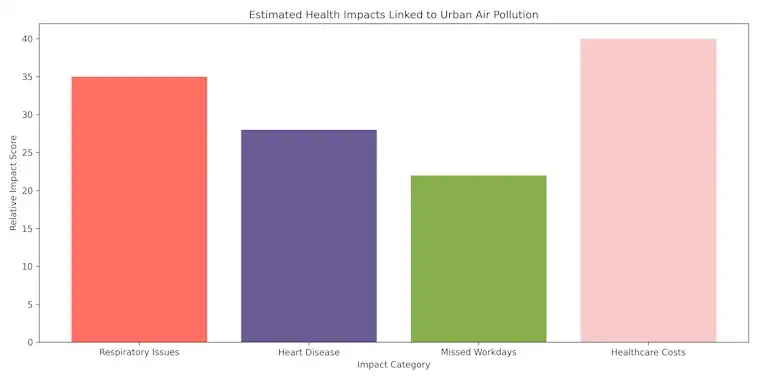
As urban pollution rises, so do the hidden costs we rarely talk about. These costs show up in our doctor visits, our energy levels, and even in how often we miss work. And while we cannot always see the impact right away, it builds over time. That is why understanding these effects matters. When we can see the problem more clearly, we can take steps to protect ourselves and push for cleaner, healthier cities.
Below is a simple chart to illustrate how different health impacts stack up. It offers a quick snapshot of what many city residents face every day.
How Communities Can Push Back Against Growing Pollution
Clean air should not feel like a luxury. Yet many communities now face rising pollution levels that affect daily life. The good news is that local action still matters. When people work together, they can slow the trend and even reverse it. In fact, many neighborhoods around the world are already showing what is possible.
Understanding the Problem
Pollution often builds slowly. You may notice more traffic, a new industrial site, or more haze in the air. Over time, these small shifts turn into real health risks. This is why early action helps. When people stay informed and engaged, it is easier to spot trouble before it becomes a crisis.
Diesel Fumes and Everyday Exposure
Communities that sit near busy roads or commercial hubs often see the sharpest rise in pollutants.
A Hidden Threat: Diesel Fumes
These fumes linger at ground level and can spread deeper into neighborhoods than many expect. Talking about these risks in open, local forums helps residents understand what is at stake. It also encourages more people to push for cleaner, safer alternatives.
What Communities Can Do
Start with simple steps. For example, local air-quality monitoring groups can gather data. Even low-cost sensors help people see patterns. Once people can see the numbers, they tend to act faster.
You can also support cleaner transport policies. Many towns have pressured local leaders to adopt electric buses, improve bike lanes, or restrict idling near schools. These changes may feel small at first. However, once they stack up, the air starts to clear.
Another effective move is to partner with trusted environmental groups. They often supply toolkits that help communities organize campaigns, run workshops, or lobby for policy change. One example is the Clean Air Fund, which shares practical guidance.
Shaping a Cleaner Future
Change takes time, but momentum grows when people see progress. Talk with neighbors. Attend local meetings. Ask questions. Small actions add up. With steady effort, communities can push back against rising pollution and make the air safer for everyone.
Diesel Fumes: A Wake-Up Call for Cleaner Urban Air
Diesel fumes are no longer a distant or abstract problem. They are here, now, and part of everyday city life. As traffic grows and urban areas become more crowded, these fumes continue to build up in the air we breathe. Over time, this makes urban air more toxic and daily exposure harder to ignore.
However, this moment also creates an opportunity. Awareness around diesel fumes is rising. At the same time, cities are testing cleaner transport, stricter emissions rules, and smarter planning. These steps matter. When supported by informed citizens, they can lead to real change.
Looking ahead, the future of urban air will depend on the choices made today. Reducing diesel fumes means rethinking how we move, how cities are designed, and how policies are enforced. Small shifts, when taken together, can have a big impact.
In the end, cleaner air is not just an environmental goal. It is a public health priority. By paying attention to diesel fumes and pushing for solutions, cities can become healthier, more livable places for everyone.