

Devastating Storm Intensity Will Soar Faster Than We Expect
Storm Intensity Is Accelerating—and The Coming Impact Will Be Harder Than We Think
Storm intensity is rising so quickly that many communities are being caught off guard. The pace of change feels different now—faster, sharper, and far more unpredictable. As new records fall year after year, it’s becoming clear that yesterday’s expectations no longer match today’s reality.
The forces driving these stronger storms are gaining momentum, and the effects are starting to reach deeper into daily life. Roads wash out more often. Power grids strain under repeated hits. Insurance costs climb as risks shift in ways that once seemed unthinkable.
Yet there’s also a growing awareness that understanding these trends can help shape safer choices. With better data, smarter planning, and a willingness to adapt, it’s still possible to stay ahead of what’s coming.
What You’ll Discover
Why Storm Intensity Is Rising at a Dangerous Pace
The Climate Signals We Can No Longer Ignore
How Storm Intensity Could Reshape Daily Life Soon
The Hidden Costs Behind More Violent Weather
What We Can Do Now to Reduce Future Damage
Why Storm Intensity Is Rising at a Dangerous Pace
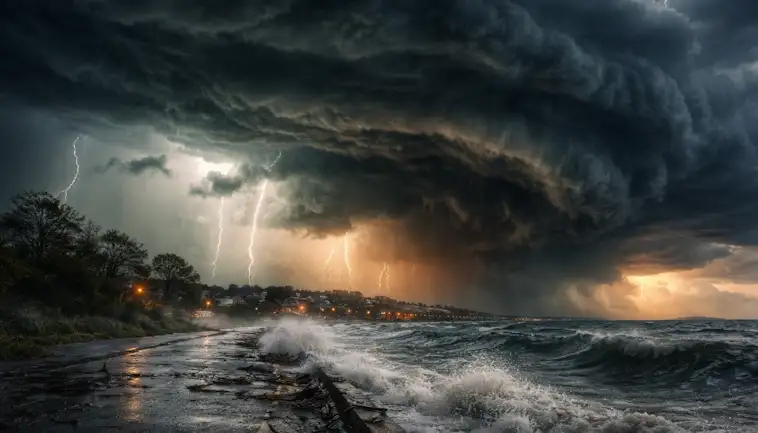
Storms are changing faster than most people realize. And the pace is picking up. You might feel it too — each year seems to bring more powerful winds, heavier rain, and longer recovery times. This shift isn’t random. It’s the result of a warming world that is giving storms the fuel they need to grow stronger, faster.
Warmer oceans act like an energy booster. When sea temperatures rise, storms can intensify in a matter of hours, leaving little time for communities to prepare. At the same time, warmer air holds more moisture. That means storms can dump far more rain than they once did. So flooding becomes both more sudden and more severe.
A Closer Look at What’s Changing
Another problem is that storms are slowing down. When a storm stalls, it pours rain over the same area for longer stretches. This increases the risk of catastrophic flooding. Meanwhile, rising sea levels make coastal areas even more vulnerable. Higher seas mean storm surges push farther inland than they used to.
All of these trends point to one clear conclusion: storm intensity is rising, and it’s happening at a dangerous pace. Yet understanding why helps us take smarter action. It encourages better planning and stronger infrastructure. And it also reminds us that reducing emissions today can still make a real difference tomorrow.
As we look ahead, staying informed is one of our best defenses. By knowing what drives these changes, we can prepare for a future where storms behave less like familiar seasonal events and more like fast-moving threats.
The Climate Signals We Can No Longer Ignore
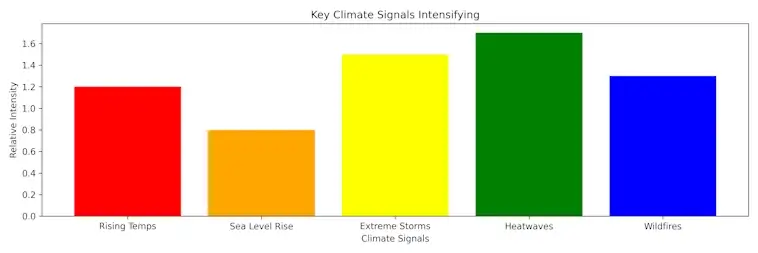
Climate change is no longer a distant threat. It’s already shaping the world around us, and the signs are getting harder to overlook. You might notice hotter summers, stronger storms, or seasons that feel out of sync. These aren’t isolated events. They are part of a pattern that’s becoming clearer each year.
Today, scientists track many indicators to understand how quickly our climate is shifting. And those indicators are telling a consistent story. Temperatures are rising. Seas are creeping higher. Weather extremes are becoming more common. And as these trends strengthen, they affect everyday life — the food we grow, the air we breathe, and the safety of our homes.
As we talk through these signals, it becomes easier to see how they connect and why they matter. It also shows us that taking action now isn’t just smart. It’s necessary.
What the Data Is Showing Us Now
Each climate signal points to a world warming at an accelerating pace. Rising temperatures make heatwaves more dangerous. Stronger storms challenge our infrastructure. Higher seas threaten coastal communities. And wildfires spread more quickly as landscapes dry out.
All of this might feel overwhelming. However, paying attention to these signals helps us prepare. It guides better planning and smarter choices. And it reminds us that change is possible when we act together.
How Storm Intensity Could Reshape Daily Life Soon
Storm intensity is rising fast and it’s beginning to shape how we live, work, and move through our days. In many ways, it’s becoming a quiet force that nudges us into new habits. As storms become stronger and less predictable, we’re entering a moment where small adjustments now could spare us big disruptions later.
Today, we’re seeing heavier rain, sharper winds, and more frequent flooding in places that rarely dealt with these extremes before. That means the routines we’ve relied on for years may not hold steady much longer. Yet with a bit of foresight, we can adapt before the pressure grows.
As storm intensity increases, expect familiar parts of life to shift, including:
- Changes in commuting patterns and more delays
- Higher demand for home repairs and weatherproofing
- Shifts in insurance costs and coverage
- More schedule disruptions for schools and workplaces
- Greater pressure on local infrastructure
Taken together, these changes may feel overwhelming. However, they also open the door to smarter planning and stronger communities. With each season, we learn a little more about how to stay ahead of storms instead of chasing their aftermath.
Preparing now doesn’t have to be dramatic. It can start with simple steps—like securing your home, reviewing emergency plans, or staying tuned to local weather updates. Over time, these choices help you stay flexible and confident, even as the climate reshapes the world around us.
As storm intensity continues to rise, the real story isn’t just about the weather. It’s about how we choose to respond, protect what matters, and build resilience into everyday life.
The Hidden Costs Behind More Violent Weather
More violent weather is becoming a defining feature of daily life. And while the damage we see on the news feels dramatic enough, the real burden often shows up later in quieter, more personal ways. These costs aren’t always obvious at first. Yet they can reshape household budgets, local economies, and even long-term plans.
As storms grow stronger and more frequent, many communities are discovering that the financial impact extends far beyond the initial cleanup. Small expenses add up. Big expenses ripple outward. And together, they reveal how storm intensity is creating new pressure points for families and cities alike.
Today, we are seeing rising insurance premiums, more frequent home repairs, and mounting strain on healthcare systems. Even local energy grids and public services are feeling the hit. When you step back, a pattern emerges: stronger storms don’t just damage buildings. They drain resources.
To help illustrate this shift, here’s a chart showing several major categories of hidden costs linked to more violent weather.
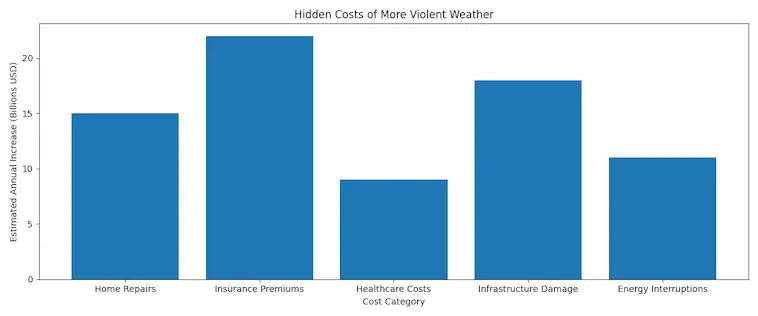
Storm intensity may be a climate story, but it’s also a financial one. By understanding where these hidden costs come from, we can make smarter choices, plan ahead, and reduce the long-term strain on our wallets and our communities.
What We Can Do Now to Reduce Future Damage
When we talk about climate risks, it’s easy to feel overwhelmed. Yet we still have room to act. Small steps, when taken together, can soften the blow of future extremes. It’s meant to feel doable, because it is. And as momentum builds, these actions start to change the larger system around us.
How Storm Intensity Shapes Our Choices
Storms are growing stronger. We see it in coastal flooding, longer heat waves, and heavy rainfall that pushes drains past their limits. Because of this rising storm intensity, our decisions today matter even more. So, let’s walk through what you can do—at home, in your neighborhood, and with your voice—to reduce future damage.
Start with Your Home
Begin with the easy wins. Improve insulation. Seal gaps around doors and windows. Choose appliances that use less energy. These upgrades cut emissions, but they also strengthen your home against extreme weather. Bit by bit, you lower your risk and shrink your environmental footprint.
Support Smarter Community Planning
Next, look beyond your front door. Communities that prepare early bounce back faster later. Push for greener public spaces. Ask for stronger building codes. Support local projects that manage stormwater better. These changes help your whole neighborhood stay resilient.
Shift to Cleaner Energy
Energy is a major driver of climate risk. When you switch to renewable sources, even partly, you help reduce the long-term pressure that fuels extreme weather. If rooftop solar isn’t possible, many areas offer community solar programs. They let you buy clean power without installing panels. A helpful starting point is the U.S. Department of Energy’s overview of community solar options.
Use Your Influence
Finally, never underestimate the power of your voice. Talk about climate solutions with friends. Share what you’re learning. Support leaders who invest in long-term resilience. Change often starts with conversations like these.
Taking action now isn’t about perfection. It’s about direction. Every choice moves us toward a safer future and reduces the damage storms and heat could cause. The important thing is to start—and keep going.
Conclusion: Why Acting on Rising Storm Intensity Matters Now
As we look ahead, it’s clear that storm intensity is not leveling off. It’s accelerating. And faster than many of us once believed. While that can feel daunting, it also gives us a sharper sense of purpose. We know what we’re up against, and we know that waiting only raises the stakes.
Yet the path forward is still in our hands. By staying informed, supporting stronger community planning, and choosing cleaner, more resilient options in our daily lives, we reduce the future damage these storms could bring. Even small actions stack up. They build stronger homes, smarter cities, and a culture that values long-term safety.
So as storms grow more powerful, we can grow more prepared. This moment is a turning point. And with steady steps, we can meet rising storm intensity with rising resilience.