

Deforestation Is Changing Our Climate Faster Than We Think
Deforestation Is Changing Our Climate Faster Than We Think
Forests are the planet’s lungs, quietly absorbing carbon dioxide and releasing the oxygen we breathe. Yet every day, vast areas vanish under chainsaws and flames. This rapid loss of tree cover is doing more than reshaping landscapes—it’s accelerating climate change in ways scientists are only beginning to grasp. From shifting rainfall patterns to rising global temperatures, deforestation is disrupting Earth’s natural systems faster than expected. The urgency to act has never been greater, because the changes happening now could be irreversible within our lifetime.
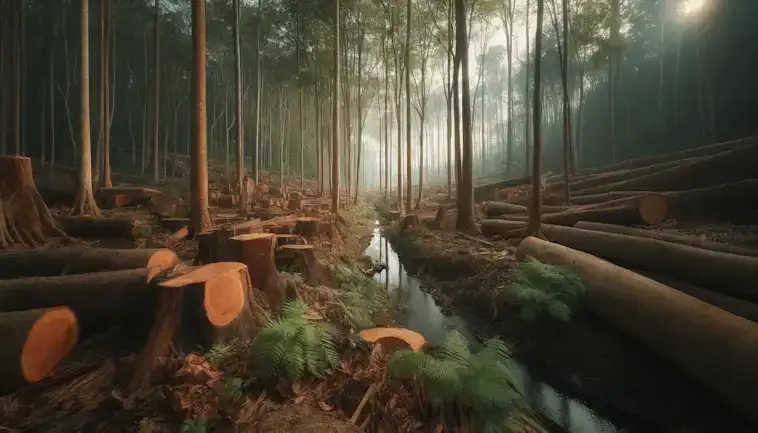
How Deforestation Accelerates Global Warming
Deforestation is more than just the loss of trees. It’s like removing the planet’s natural air purifiers. Trees absorb carbon dioxide, one of the main greenhouse gases driving climate change. When forests are cut down, two things happen: the carbon stored in those trees is released back into the atmosphere, and the Earth loses a powerful tool for absorbing future emissions.
This double impact speeds up global warming. Without enough forests, carbon dioxide builds up faster. And because less shade is cast over the land, local temperatures rise. These changes don’t just affect faraway rainforests — they influence weather patterns and heatwaves worldwide.
A Hidden Climate Tipping Point
Many scientists warn that we could reach a point where forests can no longer recover naturally. Once this happens, ecosystems collapse, wildlife disappears, and the climate shifts more dramatically. The Amazon, for example, is close to this danger zone. If too much is destroyed, it may turn into dry savanna, releasing even more carbon.
Stopping deforestation is one of the fastest ways to slow climate change. Protecting forests buys us time to invest in cleaner energy and adapt to the changes already here. And every tree left standing is a small victory for the planet’s future.
The Hidden Link Between Forest Loss and Extreme Weather
When we think about extreme weather, most of us picture hurricanes, heatwaves, or floods. What we often miss is that these events are not just natural surprises. They are also shaped by the way we treat our land — especially our forests.
Trees do more than just provide shade or a home for wildlife. They act like Earth’s natural air conditioners. Forests absorb carbon, release moisture, and help balance local and global weather systems. When we cut them down, we’re removing a key player in keeping the climate steady.
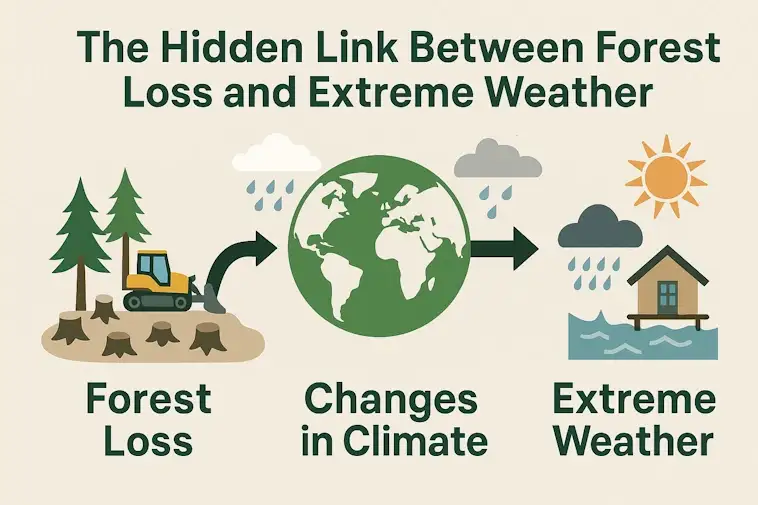
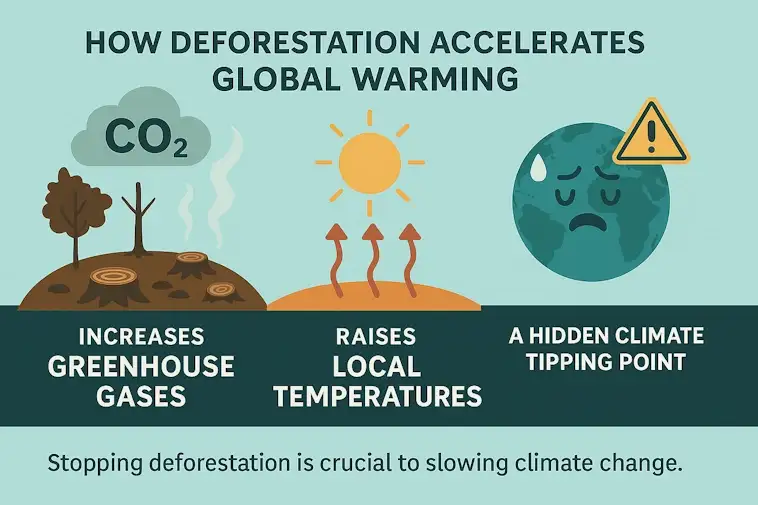
Why Cutting Trees Heats Things Up
Forests cool the air by releasing water vapor. Without them, the land gets hotter and drier. This change can create perfect conditions for heatwaves and droughts. And when rain does come, it can be more intense, leading to sudden floods.
Loss of tree cover also affects wind patterns. That can shift rainfall to other regions, leaving some areas parched while others face relentless storms. It’s a chain reaction — one that starts with a chainsaw and ends with climate chaos.
We can’t stop every storm or heatwave. But slowing deforestation could make them less frequent and less severe. Protecting forests isn’t just about saving wildlife. It’s about protecting ourselves from the kind of extreme weather that’s becoming all too common.
Why Tropical Forests Are Our Best Defense Against Climate Change
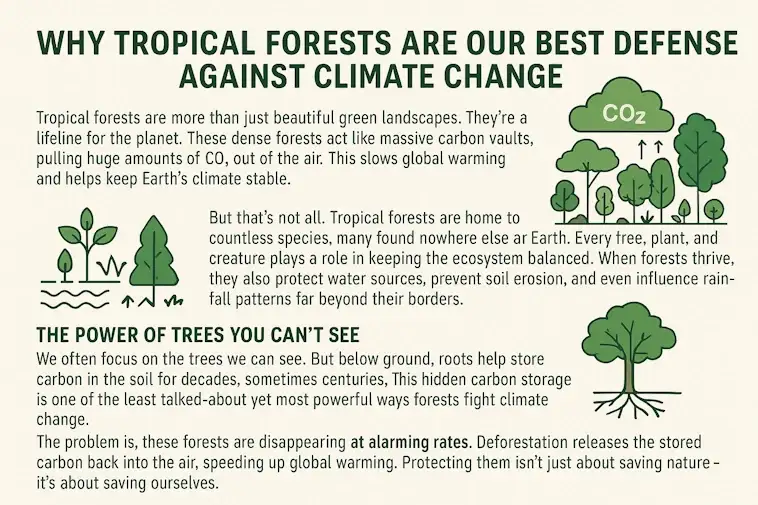
Tropical forests are more than just beautiful green landscapes. They’re a lifeline for the planet. These dense forests act like massive carbon vaults, pulling huge amounts of CO₂ out of the air. This slows global warming and helps keep Earth’s climate stable.
But that’s not all. Tropical forests are home to countless species, many found nowhere else on Earth. Every tree, plant, and creature plays a role in keeping the ecosystem balanced. When forests thrive, they also protect water sources, prevent soil erosion, and even influence rainfall patterns far beyond their borders.
The Power of Trees You Can’t See
We often focus on the trees we can see. But below ground, roots help store carbon in the soil for decades, sometimes centuries. This hidden carbon storage is one of the least talked-about yet most powerful ways forests fight climate change.
The problem is, these forests are disappearing at alarming rates. Deforestation releases the stored carbon back into the air, speeding up global warming. Protecting them isn’t just about saving nature—it’s about saving ourselves.
If we preserve what remains and restore what we’ve lost, tropical forests could absorb billions of tons of CO₂ each year. That’s like hitting the pause button on climate change while giving future generations a fighting chance.
The Human Activities Driving Deforestation at Record Speed
Deforestation isn’t just happening. It’s accelerating — faster than ever before in modern history. And while nature sometimes clears its own forests through fires or storms, most of today’s destruction is the result of human hands.
The biggest driver? Agriculture. Forests are cleared to make space for cattle ranching, soy farms, and palm oil plantations. These industries feed global demand for beef, animal feed, cooking oil, and countless everyday products. Each tree that falls makes room for crops or grazing land — but it also removes a vital piece of our planet’s carbon storage system.

Why “Economic Growth” Often Means Forest Loss
Logging is another major culprit. Some of it is legal, much of it isn’t. Timber is harvested for furniture, construction, and paper products. And in some cases, logging companies push deeper into previously untouched rainforest, leaving behind fragmented habitats and vulnerable wildlife.
Then there’s mining. Gold, coal, and other minerals lie beneath forest floors. Extracting them requires roads, machinery, and massive clearings. The ripple effect is devastating — once a road is built, it often opens the door to more logging, farming, and settlement.
Finally, urban expansion plays a role. Growing populations and rising demand for housing and infrastructure mean forests are paved over to make way for cities, highways, and industrial zones.
The truth is, these activities are often linked to rising consumer demand. Every purchase — from a burger to a new coffee table — has a chain of impacts. Understanding this connection is the first step toward slowing deforestation. Because if humans are driving it, humans can also stop it.
What We Can Do Now to Protect Our Forests and Climate
Protecting forests isn’t just about saving trees. It’s about securing our climate, our wildlife, and our own future. The good news? We still have time to act.
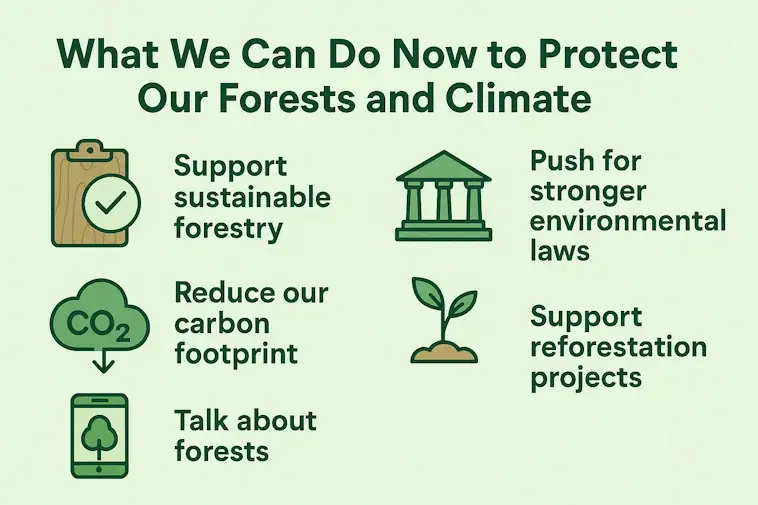
First, we can support sustainable forestry. That means buying wood and paper products that are certified as responsibly sourced. It’s a small choice with a big ripple effect.
We can also push for stronger environmental laws. Governments move faster when people speak up. Write to your representatives. Sign petitions. Join local campaigns. Every voice adds pressure.
Another powerful step is reducing our personal carbon footprint. Forests absorb carbon, but they can’t keep up with rising emissions. Use public transport more often. Switch to renewable energy if you can. Eat more plant-based meals.
Why Small Changes Matter More Than You Think
It’s easy to feel powerless when we hear about massive wildfires or illegal logging. But small actions create momentum. When millions of people take small steps, they add up to huge results.
We can also protect forests by supporting reforestation projects. Many organizations let you “sponsor” trees in threatened regions. Some even show you the exact GPS location of your tree.
Finally, talk about forests. Share stories, facts, and photos on social media. The more people know, the harder it is for leaders to ignore.
Forests are our best defense against climate change. If we act now — even in small ways — we give them a fighting chance. And in return, they give us cleaner air, cooler temperatures, and a safer planet.
The Time to Act on Deforestation Is Now
Deforestation isn’t just an environmental issue—it’s a climate crisis accelerator. Every tree lost pushes our planet closer to dangerous tipping points, altering weather patterns, increasing heatwaves, and threatening global biodiversity. The science is clear: the faster we cut down forests, the faster our climate changes.
But the good news is we still have a choice. By protecting existing forests, restoring degraded land, and supporting sustainable practices, we can slow climate change and safeguard ecosystems for future generations. Governments, businesses, and individuals all have a role to play.
Our planet’s forests are irreplaceable climate shields. If we act decisively now, we can turn the tide on deforestation and create a more stable, livable world for everyone. The window is narrow, but it’s still open. The question is—will we take it?