

Could a River Flood Transform Your World in Moments?
River Flood Events Explained: What Happens When Water Moves Faster Than Warnings
Water has always shaped where people live and how communities grow. Yet when a river flood strikes, that same water can turn familiar streets into channels and homes into hazards within minutes. Lives, routines, and local economies can change faster than many expect, often with little warning.
Across the world, floods linked to rivers are becoming more frequent and more intense. Heavier rainfall, aging infrastructure, and expanding development near waterways all play a role. As a result, events that once seemed rare are now part of everyday risk for millions of people.
Understanding how quickly a flood can unfold matters more than ever. It helps explain why preparation, early awareness, and smart planning are no longer optional. They are practical steps that can protect families, reduce losses, and shape safer choices for the future.
How a River Flood Can Reshape Everyday Life Faster Than You Think
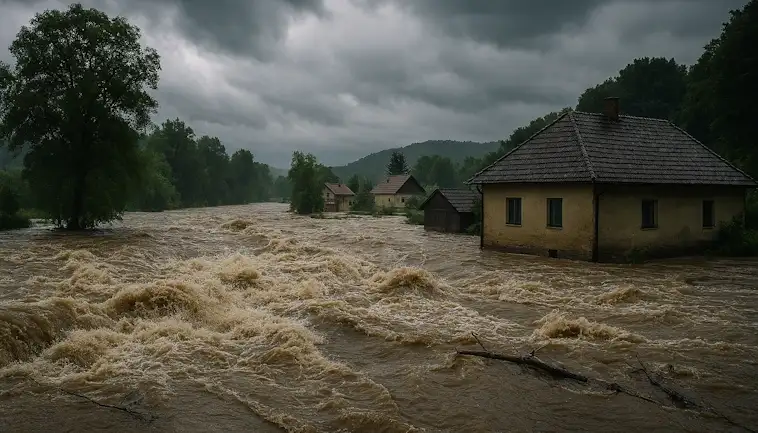
A river flood can arrive quietly at first. Yet it can change a community almost overnight. One moment, life feels predictable. The next, roads are blocked, schools are closed, and daily routines are suddenly out of reach. Many people are surprised by how quickly things shift, even when warnings are issued in advance.
When water spills over a riverbank, it does more than soak the ground. It disrupts patterns we rely on every day. Getting to work takes longer. Grocery stores may run low on essentials. Even a simple doctor’s appointment can become complicated. These ripple effects spread fast, often catching families off guard.
What Happens in the First 48 Hours
In the first two days of a river flood, the pace of change can feel overwhelming. Streets that were open yesterday might be underwater today. Neighbours move valuables to higher floors. Local businesses rush to protect equipment. And meanwhile, emergency teams work to keep people safe and informed.
As the water rises, stress levels rise too. People worry about pets, medication, and how long disruptions will last. Yet these moments also show how connected we are. Communities often step up with offers of shelter, supplies, and support long before official help arrives.
Looking ahead, it is clear that river floods will continue to shape how we live, travel, and plan. Weather patterns are shifting, and the risks are evolving. Still, when we understand how quickly a flood can alter daily life, we can prepare with more confidence. And that preparation can make all the difference the next time the waters rise.
Why Rising Waters Are Becoming a More Common Wake-Up Call
River floods used to feel like rare, once-in-a-generation events. Today, though, many communities are seeing them far more often. And that shift is hard to ignore. As storms grow stronger and rainfall becomes less predictable, our rivers are responding in ways that are now shaping daily life.
You may have noticed this in the news. Or you may live close to a river that jumps its banks more often than it used to. Either way, rising waters are becoming a clear signal that our environment is changing. And while floods have always been part of nature’s rhythm, the speed and scale of recent flooding tell a different story.
This change carries real consequences. Roads close more often. Homes face repeated damage. Insurance costs rise. Even drinking water systems are pushed to their limits. Yet, understanding why this is happening gives us a chance to prepare. And preparation is the key to staying ahead of the next big storm rather than being caught off guard.
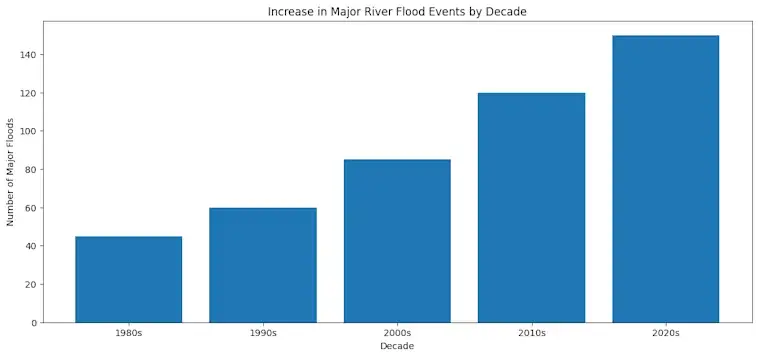
As you look at the chart below, you will see how major river floods have climbed over the past several decades. It’s a sharp reminder that what once felt unusual is now becoming routine. But it also shows why taking action today can reduce risks tomorrow.
What a River Flood Reveals About the Places We Call Home
When a river flood hits, it does more than push water across familiar ground. It exposes the real story of where we live and how well our communities are built to face sudden change. We often think we understand our towns and cities. Yet a single flood can show us weak spots we never noticed, along with strengths we tend to overlook.
As the water rises, it becomes clear how connected we all are. Roads you use every day can disappear under water. Local shops can shut their doors. Neighbors you barely know may become the people you count on most. This is why a river flood is never only a weather event. It is a reminder of how our choices about land, housing, and infrastructure shape our future.
And as climate patterns shift, floods are becoming more common in places that once felt safe. So it helps to step back, look closely, and ask what these events are really telling us about the places we call home.
Here are a few things a river flood often reveals:
- How well local infrastructure handles sudden pressure
- Whether homes and businesses are built in safe locations
- How quickly emergency systems respond to rising water
- The way neighbors support one another during a crisis
- Where communities can adapt to reduce future risk
- Which natural features protect us more than we realize
A flood can feel overwhelming. Yet it also offers a chance to learn, improve, and plan ahead. When we pay attention to what a river flood reveals, we gain clearer insight into how to build safer, stronger places for the years to come.
The Hidden Chain Reactions That Follow a Major Flood Event
When a major flood hits, the damage rarely ends when the water pulls back. Instead, a series of hidden chain reactions begin. These reactions move quietly through communities. Yet they can shape daily life long after the headlines fade.
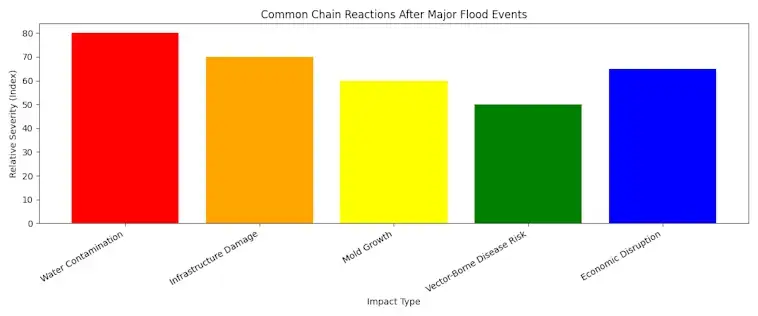
Floodwater often brings contaminants into homes, streets, and waterways. Then mold appears in damp buildings and spreads fast. Roads and bridges weaken. Local businesses struggle. And public health risks rise as insects and bacteria thrive in the wet environment.
These impacts build on one another. They also last longer than many people expect. By understanding these ripple effects, communities can prepare better and recover faster. And while the future brings new challenges, it also brings new tools to help us respond more quickly and stay safer.
Below is a simple chart that shows the most common follow-on impacts after a major flood.
Steps You Can Take Now to Stay Ready for Sudden Flooding
Sudden flooding can catch anyone off guard. Yet you can lower your risk with a few simple steps. These actions do not take long. However, they can make a real difference when the water starts to rise. Let’s walk through what you can do today to stay safer tomorrow.
Understanding a River Flood and What It Means for You
A river flood can seem predictable, but conditions can change fast. Heavy rain upstream can push water levels higher without warning. That is why preparation matters. When you know what to expect, you can respond with more confidence and less stress.
Build a Simple Home Plan
Start with a basic flood plan for your household. List the steps you will take if flooding begins. Include where you will go, who you will contact, and what items you need to bring. Keep it short and easy to follow. Review it once or twice a year so it stays fresh.
Next, gather your essentials. Store key documents in waterproof bags. Keep medications, flashlights, and chargers together in one place. Many people use a small backpack so they can move quickly. This small step helps you avoid losing what you rely on each day.
Know Your Alerts
Early warnings save lives. Sign up for local emergency alerts so you get quick updates. Turn on notifications on your phone. And check your local flood map once in a while to see if your risk has changed. These simple habits help you stay ahead of danger.
Even small upgrades help. Clear drains and gutters before heavy rain. Move items off the basement floor. And if you live in a high-risk zone, consider installing backflow valves or raising electrical systems. These changes offer long-term protection.
If you want a deeper look at how to prepare, visit Ready a government website flood preparedness guidance.
This resource offers practical steps and clear explanations you can use right away.
Why Understanding a River Flood Matters More Than Ever
A river flood can reshape a community in moments. Yet it can also reveal how prepared we are for the challenges ahead. As weather grows more unpredictable, it helps to stay aware, stay informed, and stay ready. When you understand how a river flood forms and how quickly it can spread, you gain the power to protect your home, your family, and your future.
As we look forward, it is clear that resilience will depend on early action. So keep learning, keep planning, and keep talking with others about what you discover. With the right steps, a river flood does not have to be a shock. Instead, it can be a reminder of how connected we are to the natural world—and how capable we are of adapting to it.