

Climate Change Is Reshaping the Future of Our Food
From Crop Failures to New Farming Methods, Climate Change Is Forcing a Rethink of How the World Produces Food
From rising temperatures to shifting rainfall patterns, climate change is putting pressure on farmers, crops, and food systems around the world. As a result, the foods people rely on every day are becoming less predictable, more expensive, and in some cases, harder to find.
At the same time, global demand for food continues to grow. This creates a complex challenge. Farmers must produce more, yet the conditions they depend on are becoming less stable. Heatwaves, floods, and droughts are no longer rare events. Instead, they are becoming part of the new normal, affecting harvests and food quality across many regions.
There is also a shift in how food is grown and sourced. New technologies and farming methods are starting to play a bigger role. From drought-resistant crops to indoor farming, innovation is helping to bridge the gap. Still, these solutions need time, investment, and support to scale effectively.
Looking ahead, the connection between climate and food will only become stronger. What people eat, how it is produced, and where it comes from are all set to change. Understanding these trends now can help individuals, businesses, and communities prepare for a future where food systems must adapt quickly and sustainably.
What You’ll Discover
How Climate Change Is Transforming Global Food Systems
Rising Temperatures and Their Impact on Crop Yields
Climate Change and the Growing Threat to Food Security
Lessons from Water Shortages and the Future of Farming
Sustainable Solutions Shaping the Next Food Era
Conclusion: Why Climate Change Demands a New Food Future
How Climate Change Is Transforming Global Food Systems
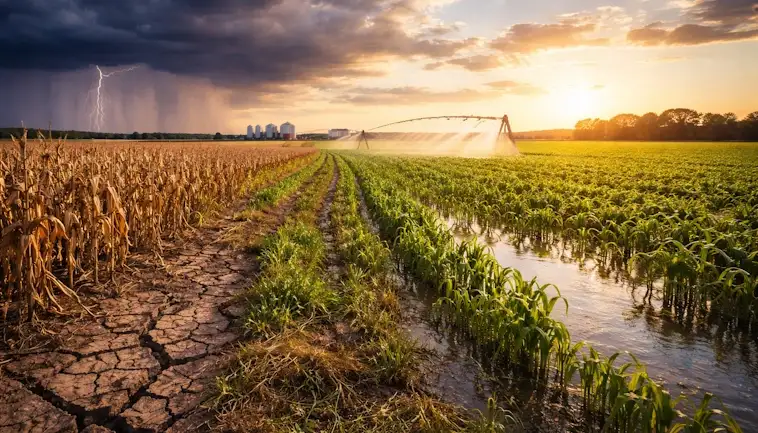
Climate change is already reshaping how food is grown, distributed, and consumed across the world. From shifting weather patterns to rising temperatures, the effects are becoming harder to ignore. As a result, farmers, businesses, and governments are being forced to adapt quickly.
To begin with, changing weather conditions are making farming less predictable. Longer droughts, heavier rainfall, and unexpected storms are disrupting growing seasons. Crops that once thrived in certain regions are now struggling to survive. At the same time, new pests and plant diseases are spreading into areas where they were never seen before. This creates added pressure on food production systems.
Moreover, climate change is affecting food quality as well as quantity. Studies suggest that rising carbon dioxide levels can reduce the nutritional value of key crops like wheat and rice. This means that even when food is available, it may not be as healthy as it once was. For many communities, especially in developing regions, this adds another layer of risk.
The Growing Pressure on Global Food Supply Chains
As these challenges increase, global food supply chains are also feeling the strain. Transportation networks are being disrupted by extreme weather events. Flooded roads, damaged ports, and delayed shipments all contribute to food shortages and rising prices. Consequently, consumers are starting to notice higher costs at the supermarket.
In addition, food waste is becoming a bigger issue. Warmer temperatures can cause food to spoil faster during storage and transport. This not only reduces supply but also increases environmental impact. Therefore, improving storage systems and reducing waste are becoming top priorities.
Why Innovation and Adaptation Matter More Than Ever
Looking ahead, innovation will play a key role in addressing climate change challenges. Farmers are beginning to adopt climate-smart practices such as drought-resistant crops and improved irrigation systems. Meanwhile, technology is helping monitor soil health and weather patterns more accurately.
At the same time, consumers are also part of the solution. Choosing locally sourced and seasonal foods can help reduce the carbon footprint of meals. Small changes in daily habits can make a real difference over time.
Climate change is transforming global food systems in ways that affect everyone. However, with the right strategies and a shared effort, there is still an opportunity to build a more resilient and sustainable future.
Rising Temperatures and Their Impact on Crop Yields
As global temperatures continue to rise, the pressure on food systems is becoming harder to ignore. In simple terms, crops are sensitive to heat. Even small increases can disrupt how they grow, develop, and produce food. So, while climate change may feel like a distant issue, it is already shaping what ends up on our plates.
How Heat Stress Reduces Crop Productivity
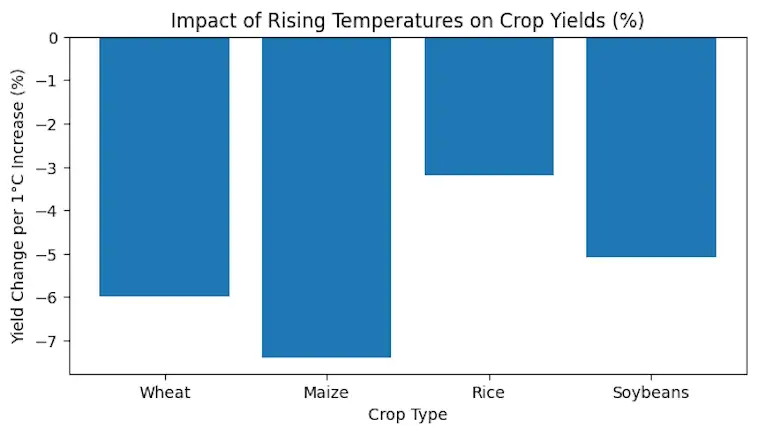
First, higher temperatures speed up plant growth cycles. At first glance, this might sound positive. However, faster growth often means less time for crops to develop fully. As a result, yields tend to drop. For example, staple crops like wheat and maize are especially vulnerable during key growth stages.
In addition, heat stress can damage plant cells. This reduces photosynthesis, which is the process plants use to create energy. Without enough energy, crops struggle to produce grains or fruits. Over time, this leads to smaller harvests and lower quality produce.
Why Some Crops Are More Affected Than Others
Not all crops respond the same way. For instance, wheat and maize are highly sensitive to temperature spikes. On the other hand, rice can tolerate heat slightly better, but only up to a point. Once temperatures pass certain thresholds, even resilient crops begin to fail.
Another important factor is water availability. Warmer conditions increase evaporation. This means soil dries out faster, making it harder for crops to survive. Consequently, farmers often face a double challenge: more heat and less water.
Looking ahead, this trend is likely to continue. Therefore, adapting farming methods will be key. New crop varieties, smarter irrigation, and better planning can help reduce risks. Still, the reality is clear. Rising temperatures are already reshaping agriculture, and the effects will only grow stronger over time.
Climate Change and the Growing Threat to Food Security
Around the world, farmers are facing new challenges. Seasons are shifting. Rainfall is less predictable. And extreme weather is becoming more common. As a result, food systems are under real pressure.
At the same time, global demand for food continues to rise. Populations are growing, and diets are changing. However, climate change is making it harder to keep up. This creates a serious risk for food security, especially in vulnerable regions. So, understanding the link between climate change and food supply is more important than ever.
How Climate Change Disrupts Food Production
First, rising temperatures directly affect crop yields. Many staple crops, such as wheat and rice, are sensitive to heat. When temperatures climb too high, growth slows down. In some cases, crops fail completely.
In addition, water availability is becoming a major issue. Some areas are facing longer droughts, while others deal with heavy flooding. Both extremes damage crops and reduce productivity. Over time, this leads to less reliable harvests.
Moreover, pests and diseases are spreading more easily. Warmer conditions allow them to survive in new regions. This puts extra strain on farmers who must adapt quickly or risk losing their crops.
Key Impacts of Climate Change on Food Security
- Reduced crop yields due to extreme heat
- Increased droughts and water shortages
- More frequent floods damaging farmland
- Spread of pests and plant diseases
- Soil degradation and loss of fertility
- Disruption to supply chains and food prices
Beyond farming, climate change also affects food distribution. For example, storms and extreme weather can damage roads and infrastructure. This makes it harder to transport food from farms to markets. As a result, prices can rise, and access becomes limited.
Looking ahead, the risks may grow even more. However, there is still time to act. Smarter farming methods, better water management, and climate-resilient crops can all help. At the same time, reducing emissions remains key.
In short, climate change is reshaping the future of food. By understanding the problem now, we can take steps to protect global food security for generations to come.
Lessons from Water Shortages and the Future of Farming
Across the world, farmers are facing tighter water limits. As a result, they are being pushed to rethink old habits and adopt smarter methods. This shift is not just a challenge. It is also an opportunity to build a more resilient and efficient food system.
Why Water Scarcity Is Changing Farming Forever
First of all, water is the backbone of agriculture. Without it, crops fail and food supply drops. However, traditional irrigation methods often waste large amounts of water. Because of this, many farmers are now turning to precision farming. For example, drip irrigation and soil sensors help deliver water only where it is needed. This reduces waste and improves yields at the same time.
In addition, crop selection is changing. Farmers are choosing varieties that need less water and can survive dry conditions. This is a smart move for the future. It helps farms stay productive even during droughts.
What the Future of Farming Could Look Like
Looking ahead, farming will likely become more data-driven. Technology will play a bigger role in every decision. For instance, weather data and AI tools can predict when and how much to water crops. As a result, farmers can act faster and waste less.
At the same time, sustainability will move to the center of agriculture. Consumers are already paying more attention to how food is grown. Therefore, farms that use less water and protect natural resources will stand out.
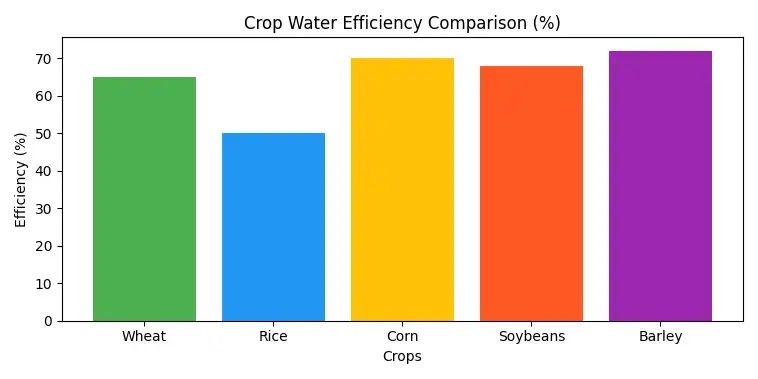
The chart below highlights how different crops compare in water efficiency. It shows why smarter crop choices matter more than ever.
In short, water shortages are forcing change. Yet, they are also opening the door to better farming practices. And that is a future worth investing in.
Sustainable Solutions Shaping the Next Food Era
The food industry is entering a new era—one driven by smarter, more sustainable solutions. This shift is not just necessary; it is full of opportunity.
Today, farmers, brands, and consumers are all part of the change. From the way crops are grown to how food reaches our plates, innovation is everywhere. And importantly, these changes aim to protect the planet while still feeding a growing population.
Smarter Farming for a Changing Climate
To begin with, farming itself is evolving fast. Traditional methods are being replaced with techniques that use fewer resources and produce less waste. For example, precision farming uses data and technology to apply water and nutrients only where needed. This reduces overuse and lowers emissions.
At the same time, regenerative agriculture is gaining attention. This approach focuses on restoring soil health, increasing biodiversity, and capturing carbon. As a result, farms become more resilient to extreme weather—something that is becoming more common due to climate change.
Moreover, vertical farming is changing how food is grown in cities. By stacking crops indoors, growers can produce food year-round with less land and water. This not only cuts transport emissions but also brings fresh produce closer to consumers.
The Rise of Sustainable Food Choices
Meanwhile, consumer habits are shifting as well. People are becoming more aware of how their choices impact the planet. Because of this, demand for plant-based foods and alternative proteins is rising.
Food companies are responding quickly. Many are investing in new products that have a lower carbon footprint. For instance, plant-based meats and dairy alternatives are now widely available and improving in taste and texture.
In addition, food waste is being tackled with new ideas. Apps, smart packaging, and better supply chains are helping reduce the amount of food that gets thrown away. This is crucial, since food waste is a major contributor to climate change.
Looking ahead, collaboration will be key. Governments, businesses, and consumers must work together to build a food system that is both sustainable and efficient. The good news is that progress is already underway.
In the end, the future of food will depend on the choices we make today. By supporting sustainable solutions, we can help create a system that benefits both people and the planet.
Conclusion: Why Climate Change Demands a New Food Future
From shifting weather patterns to soil damage and water shortages, the impact of climate change is real and growing. As a result, farmers, businesses, and consumers all face new challenges.
However, there is also a clear path forward. Smarter farming methods, better food systems, and reduced waste can help protect our food supply. At the same time, small choices matter. Eating seasonal food, supporting sustainable brands, and cutting food waste can all make a difference.
Looking ahead, climate change will continue to influence the future of food. Yet with the right action, it can also drive innovation and positive change. The key is to act now, stay informed, and support solutions that protect both the planet and our plates.