

Climate Adaptation: Pioneering Strategies for Thriving in a Changing World
Climate Adaptation: Pioneering Strategies for Thriving in a Changing World
Rising temperatures. Stronger storms. Shifting seasons. Climate change is no longer a distant threat—it’s reshaping how we live, work, and grow. While the challenges are real, so are the opportunities to adapt, evolve, and thrive.
Across the globe, communities, businesses, and innovators are rethinking how we build cities, grow food, manage water, and protect public health. New strategies are emerging not just to survive the changes, but to lead with resilience and foresight.
The focus is turning from reacting to preparing. From short-term fixes to long-term solutions. And at the heart of it all is a simple, powerful idea: the way forward is built on smart adaptation.
Let’s take a look at what that means—and how it’s already happening.
What Is Climate Adaptation and Why Does It Matter Now?
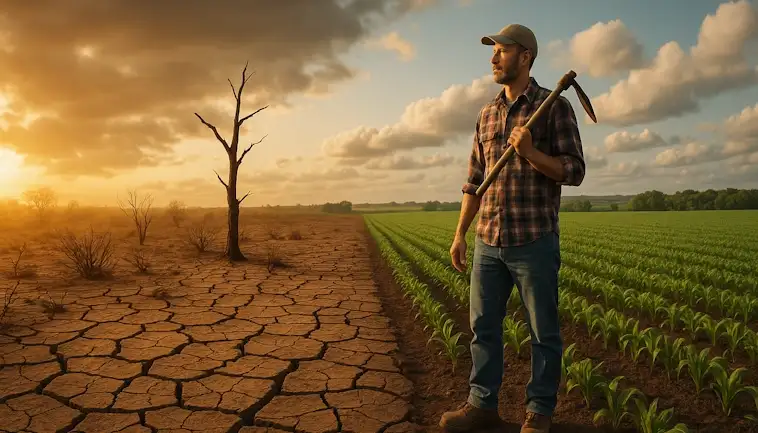
Climate adaptation is about adjusting to the effects of climate change—right now and in the years ahead. It means making smart changes to the way we live, build, and plan, so we can stay safe, protect our communities, and keep life running smoothly even as the planet warms.
Think of it like preparing your home for a storm. You don’t wait until the winds hit to board the windows—you do it in advance to avoid bigger damage. Climate adaptation works the same way. It’s about being proactive, not reactive.
Why does it matter now? Because climate change is no longer a distant threat. We’re seeing the impacts today—record-breaking heatwaves, stronger hurricanes, rising sea levels, and wildfires that burn longer and hotter than ever before. These events aren’t one-offs. They’re part of a growing pattern.
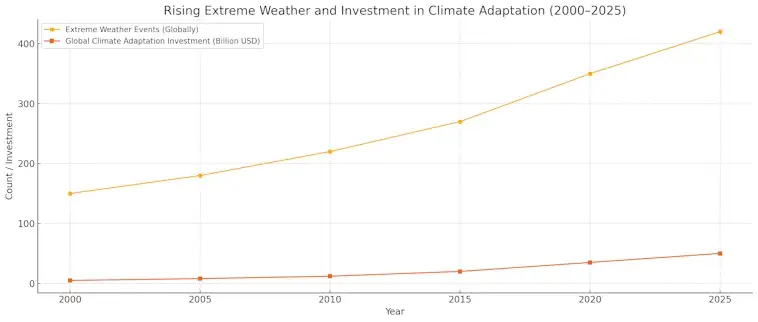
Adaptation helps us deal with the changes we can’t stop. While cutting carbon emissions (mitigation) is critical, it won’t fix the damage already done. Adaptation steps in to fill that gap. It includes everything from upgrading storm drains in cities, to shifting where and how we grow food, to rethinking building codes in flood zones.
This matters for everyone—from families in coastal towns to farmers in drought-prone areas, to city planners and global leaders. The sooner we adapt, the less damage we’ll face, and the more lives and livelihoods we can protect.
In short: climate adaptation is our safety net, our backup plan, and our best defense in a warming world. And the time to act is not later. It’s now.
Innovative Solutions Communities Are Using to Stay Resilient
Across the globe, communities are getting creative in the face of climate change. From cities to rural towns, people aren’t just waiting for help—they’re building smart, local solutions to stay resilient. These innovations are helping reduce risk, protect homes, and keep life moving during extreme weather.
Green roofs and urban forests are popping up in major cities. These living spaces help cool down neighborhoods during heatwaves and absorb stormwater during heavy rains. In places like New York, Chicago, and Singapore, they’re becoming standard parts of the urban landscape.
Floating homes and flood-resilient buildings are also making waves. In flood-prone areas like the Netherlands and parts of Southeast Asia, communities are designing homes that rise with water levels. This approach offers long-term protection without the need for costly evacuation or rebuilding.
Community-owned solar and microgrids are growing fast, especially in regions hit hard by power outages. Local energy systems like these keep the lights on even when the main grid fails. They’re especially powerful in wildfire-prone zones and hurricane paths.
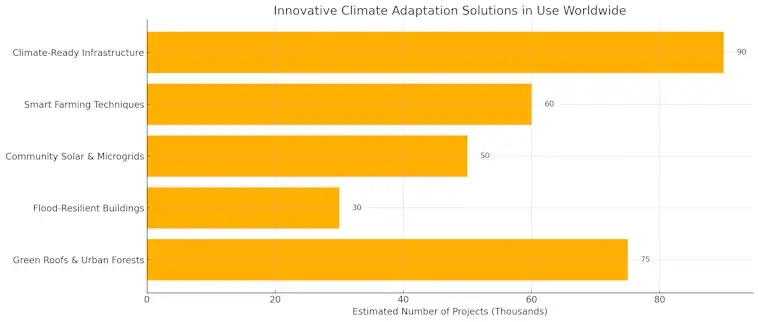
Smart farming techniques are helping rural communities adapt too. Farmers are turning to drought-resistant crops, precision irrigation, and AI-powered weather forecasting. These tools protect harvests and conserve water in areas facing rising temperatures and unpredictable rainfall.
Emergency hubs and climate-ready infrastructure are also on the rise. Cities are redesigning parks to double as flood zones. Bus stops double as cooling shelters. These dual-purpose designs save money and lives.
What’s clear is that resilience isn’t one-size-fits-all. It’s about using local knowledge, new technology, and bold ideas to create solutions that actually work on the ground. And the more we share these ideas, the faster they spread.
Adaptation doesn’t have to mean sacrifice. It can mean innovation, jobs, cleaner cities, and stronger communities. The future is being built right now—in neighborhoods just like yours.
How Cities Are Rebuilding to Withstand Extreme Weather
As extreme weather becomes more common, cities around the world are rethinking how they build. From rising sea levels to heatwaves and flash floods, urban areas are on the frontlines. The good news? Many are taking bold steps to become safer, stronger, and more resilient.
Stronger infrastructure is at the heart of the solution. Cities are reinforcing roads, bridges, and power lines to handle heavier storms and rising temperatures. In places like Miami and Tokyo, engineers are redesigning drainage systems to better manage floodwaters.
Nature is also becoming part of the plan. More cities are turning to green infrastructure—like wetlands, rain gardens, and permeable pavements. These natural solutions absorb water, reduce flooding, and help cool down hot city streets.
Building codes are getting a major upgrade. New developments in cities such as Houston, Amsterdam, and Jakarta must now meet stricter standards. That means homes, schools, and hospitals are being built to withstand higher winds, deeper floods, and hotter days.
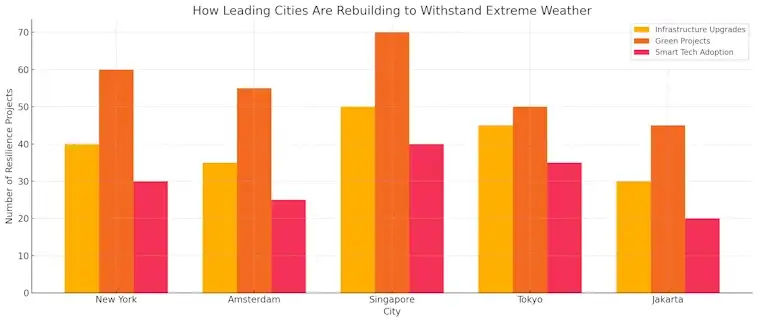
Emergency systems are going digital. Smart technology is helping cities respond faster. Early warning apps, real-time flood sensors, and digital heat maps are giving local governments the tools they need to act quickly and protect people when the weather turns dangerous.
Community spaces are being redesigned with climate in mind. Parks are doubling as stormwater basins. Bus stops provide shade and cooling stations. Even rooftops are being used to grow food or reflect heat.
This kind of rebuilding isn’t just about survival—it’s about creating better cities for the future. Cities that are not only more climate-resilient, but also greener, safer, and more livable.
The challenge is real, but so is the momentum. As more cities adapt, they’re setting examples the rest of the world can follow. Because in the age of extreme weather, building back smarter is no longer optional—it’s essential.
The Role of Technology in Climate Adaptation Strategies
Technology is quickly becoming one of our strongest tools in adapting to climate change. From data-driven forecasts to smart infrastructure, it’s helping communities prepare, respond, and recover faster than ever before.
Real-time data is leading the way. Thanks to satellites, sensors, and AI, cities and governments can now track weather patterns, rising sea levels, and wildfire risks in near real-time. This kind of insight gives decision-makers the power to act quickly—and save lives.
Early warning systems are getting smarter. In flood-prone areas, sensors can detect rising water and send alerts to residents before the situation becomes dangerous. In heat-prone cities, smart apps help people find cooling centers or avoid high-risk zones.
AI and machine learning are shaping future planning. These tools can simulate how cities will be impacted by rising temperatures or heavy storms—and help design solutions before disaster strikes. From predicting crop failures to optimizing evacuation routes, AI is helping communities plan ahead.

Smart infrastructure is building resilience. Roads that reroute traffic during floods. Power grids that automatically adjust to demand during heatwaves. Buildings that use less energy and stay cooler in extreme heat. These tech-powered systems are making cities safer and more efficient.
Climate modeling is becoming more precise. With better data and faster computing power, climate models can now offer local forecasts instead of just global trends. This helps farmers, urban planners, and emergency responders tailor their strategies to their specific regions.
Even low-tech innovations are making a difference. Mobile phones are being used to share early alerts in remote areas. Drones are monitoring coastal erosion. Solar-powered water pumps are helping drought-hit communities.
The bottom line? Technology isn’t just part of the solution—it’s driving it. As climate impacts grow more severe, the role of technology in adaptation will only get bigger. When used wisely and equitably, it can bridge gaps, speed up response, and create a more resilient future for all.
Future-Proofing Your Life: Steps Individuals Can Take Today
Climate change isn’t just a global issue—it’s personal. From wildfires and floods to rising heat and water shortages, extreme weather is already impacting daily life. But there’s good news: you have more power than you think.
Future-proofing your life means taking small, smart steps today to protect your home, your health, and your finances tomorrow.
1. Know Your Risk
Start with awareness. Is your area prone to floods, heatwaves, or wildfires? Tools like FEMA flood maps or local climate risk reports can help. The more you know, the better you can plan.
2. Weather-Proof Your Home
Simple upgrades can make a big difference. Seal windows, improve drainage, and elevate appliances if you’re in a flood zone. In heat-prone areas, consider reflective roofing or shade trees. Think of it as climate-proofing your most valuable asset.
3. Build an Emergency Kit
Extreme events can happen fast. A go-bag with essentials—water, batteries, medications, cash, and copies of important documents—can be a lifesaver. Keep it updated and ready.
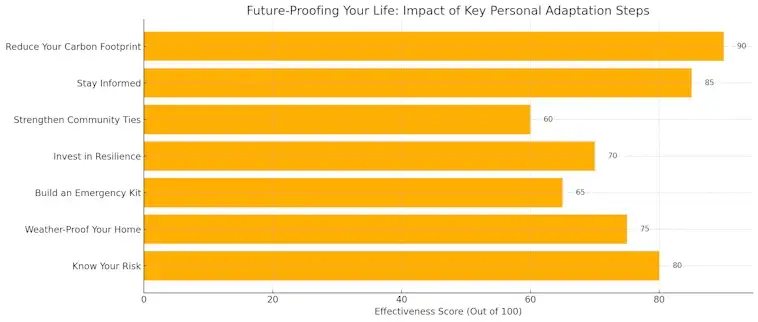
4. Invest in Resilience
Solar panels, water-saving devices, and energy-efficient appliances aren’t just good for the planet—they can lower bills and keep your household running when the grid goes down. Some upgrades even qualify for rebates or tax credits.
5. Strengthen Community Connections
During a crisis, your neighbors matter. Join a local preparedness group or simply exchange contact info with nearby residents. Stronger communities bounce back faster.
6. Stay Informed
Follow trusted weather alerts and local emergency channels. Sign up for text alerts in your city. Being informed means you can act early—and safely.
7. Reduce Your Carbon Footprint
While adaptation is key, reducing emissions still matters. Drive less, waste less, and choose sustainable products. Every action adds up, especially when multiplied by millions.
The goal isn’t to panic—it’s to prepare. By taking action today, you’re not just reacting to climate change. You’re building a future that’s safer, more secure, and more resilient for yourself and those you care about.
And here’s the best part: future-proofing your life often makes it better right now. Lower bills. Safer homes. Healthier habits. It’s not just about surviving—it’s about thriving in a changing world.
The Path Forward: Turning Adaptation Into Opportunity
Climate change is no longer a distant concern—it’s here, reshaping the way we live, work, and build our future. But with every challenge comes a chance to innovate, to prepare, and to grow stronger. Climate adaptation isn’t just about defense. It’s about designing smarter cities, supporting resilient communities, and making daily choices that protect what matters most.
Across the globe, individuals, neighborhoods, and nations are taking action. From green infrastructure to digital tools, from local food systems to upgraded homes, the solutions are already taking shape—and they’re working.
The future belongs to those who act now. Whether it’s preparing your home, supporting community efforts, or pushing for bold policies, every step forward builds a more secure and sustainable tomorrow.
Climate adaptation isn’t a one-time fix. It’s an ongoing process—and the more we invest in it today, the more we protect lives, livelihoods, and the planet we all share.
Resilience is possible. Progress is happening. And with the right strategies, we’re not just surviving—we’re thriving in a changing world.