

Clearing the Air: Understanding the Impact of Energy Production Emissions
Understanding the impact of energy production emissions is crucial for both our environment and health. As we strive for a sustainable future, it’s essential to grasp how traditional and alternative energy sources contribute to air pollution. This understanding not only illuminates the challenges but also highlights opportunities for improvement and innovation in our energy systems.
- Sources of Emissions: Different energy production methods, from coal-fired power plants to solar panels, vary significantly in their emissions and environmental impacts.
- Health Implications: The pollutants from energy production can have serious health consequences, affecting everything from respiratory health to overall life expectancy.
- Advancements in Technology: Recent technological advances offer promising paths to reduce emissions and increase efficiency in energy production.
- Policy and Regulation: Government policies play a pivotal role in shaping how energy is produced and the level of emissions permitted.
By understanding the detailed effects of energy production emissions, we can better advocate for policies and technologies that protect our planet while meeting our energy needs.
Clearing the Air: Understanding the Impact of Energy Production Emissions
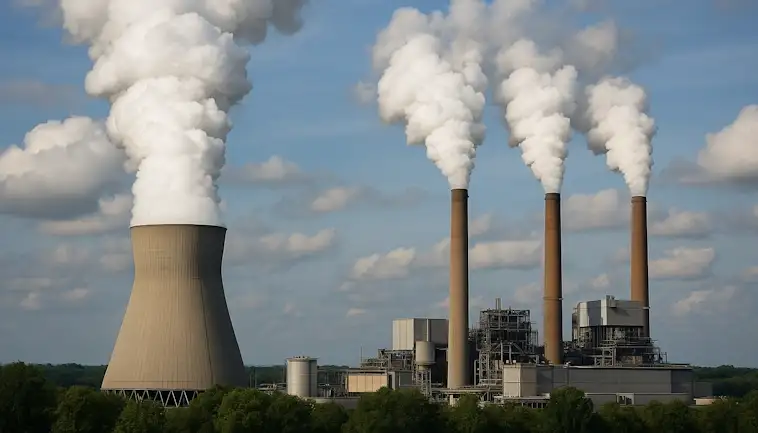
What Are Energy Production Emissions?
When we talk about emissions from energy generation, it’s crucial to focus on the main culprits: carbon dioxide (CO₂), methane (CH₄), and other greenhouse gases. These emissions vary widely based on the energy source used.
Carbon Dioxide (CO₂)
- Coal: It’s the dirtiest of all fossil fuels. When burned, coal releases a high amount of CO₂ due to its carbon-rich composition. Coal-fired power plants are major contributors to global CO₂ emissions.
- Oil: Used in combustion engines and power generation, oil combustion isn’t as carbon-intensive as coal but still significantly contributes to global CO₂ emissions.
- Natural Gas: Though cleaner than coal and oil, natural gas combustion emits CO₂. However, its overall emissions are about 50-60% lower than coal when used for electricity generation.
Methane (CH₄)
- Natural Gas: While natural gas emits less CO₂ when burned, its extraction and transportation processes are prone to leaks. Methane, the primary component of natural gas, is a potent greenhouse gas, with a warming potential many times greater than CO₂ over a 20-year period.
- Oil Production: Oil extraction and refining processes also emit methane, especially through venting and flaring.
Other Greenhouse Gases
- Nitrous Oxide and Fluorinated Gases: These gases are generally less common but can be emitted from certain industrial processes related to energy production, such as the manufacturing of solar panels and electrical components.
Biomass
- Burning Biomass: Biomass is considered a renewable resource, but burning wood, agricultural residues, and other organic materials releases CO₂. However, it’s argued that this CO₂ can be offset by the carbon uptake of the plants grown to replace the biomass consumed.
While the current reliance on fossil fuels remains high, there’s a global shift towards cleaner energy sources. Renewable energy technologies like solar, wind, and hydroelectric power produce little to no direct greenhouse gas emissions during operation. The focus is also on improving energy efficiency and developing carbon capture and storage technologies to mitigate emissions from fossil fuel usage.
Addressing these emissions is crucial for combating climate change and achieving the global targets set in agreements like the Paris Accord. The future of energy production lies in a balanced mix of advancing renewable energy technologies and improving the cleanliness and efficiency of existing fossil fuel methods.
How Energy Production Affects the Environment
The relationship between emissions from energy production and their impacts on global warming, climate change, air quality, and public health is complex and profound.
Impact on Global Warming and Climate Change
- Greenhouse Gas Effect: Carbon dioxide (CO₂), methane (CH₄), and other greenhouse gases trap heat in the Earth’s atmosphere. This trapped heat leads to global warming, which is the increase in Earth’s average surface temperature. Methane, despite being less abundant than CO₂, is particularly potent in its ability to trap heat, making it a significant contributor to warming on a molecule-for-molecule basis.
- Feedback Loops: Warmer temperatures can lead to the release of additional greenhouse gases by melting permafrost, which contains large amounts of organic carbon that decomposes into CO₂ and methane when thawed. This creates a feedback loop that accelerates global warming.
Impact on Air Quality
- Particulate Matter and Sulfur Dioxide: Fossil fuel combustion, especially from coal, releases not only CO₂ and methane but also particulate matter (PM), sulfur dioxide (SO₂), and nitrogen oxides (NOₓ). These substances can degrade air quality, leading to smog and acid rain, which have direct effects on human health and the environment.
- Ozone Formation: NOₓ can react with other pollutants in the presence of sunlight to form ground-level ozone, a key component of smog. While high-altitude ozone protects us from the sun’s ultraviolet rays, ground-level ozone can cause respiratory problems and other health issues.
Impact on Public Health
- Respiratory Diseases: Pollutants like particulate matter and ground-level ozone can penetrate deep into the respiratory tract, leading to increased rates of asthma, bronchitis, and other respiratory diseases. These conditions are particularly harmful to children, the elderly, and those with pre-existing health conditions.
- Cardiovascular Problems: Emerging studies suggest that long-term exposure to air pollutants not only affects the respiratory system but also the cardiovascular system. This can lead to increased incidences of heart attacks and other cardiovascular conditions.
- Cancer and Other Chronic Conditions: Some air pollutants, such as certain chemicals released during the burning of fossil fuels, are known carcinogens. Prolonged exposure to these pollutants increases the risk of cancer and other chronic diseases.
Efforts to mitigate these impacts focus on transitioning to cleaner energy sources, like wind, solar, and hydro, which do not produce direct emissions during operation. Enhancing the efficiency of energy use and implementing stricter emission controls can also play critical roles. Additionally, investing in public health infrastructure to better respond to the consequences of poor air quality is crucial.
Addressing the emission of greenhouse gases and other pollutants is essential not only for combating climate change but also for safeguarding air quality and public health. Each step toward cleaner energy sources and better emission controls is a step toward a healthier planet and populace.
Current Trends in Energy Production Emissions
As the world grapples with the urgent challenges posed by climate change, the spotlight has turned to the emissions from various energy sources. These emissions are pivotal in understanding both the environmental impacts and the shifts in energy policy needed to mitigate global warming.
Global Emissions from Energy Sources
- Fossil Fuels: Historically, fossil fuels (coal, oil, and natural gas) have been the dominant sources of energy globally, contributing the majority of greenhouse gas emissions. Coal, in particular, is the most carbon-intensive, releasing about twice as much CO₂ as natural gas per unit of energy produced.
- Nuclear Power: Nuclear energy is a significant non-renewable source that produces large amounts of energy with minimal direct CO₂ emissions. However, concerns about radioactive waste and safety continue to limit its expansion in some regions.
- Renewable Energy: Renewables like solar, wind, hydro, and biomass are gaining traction. These sources emit little to no greenhouse gases during operation and are becoming more cost-competitive due to technological advancements and increased investment.
Regional Trends in Energy Emissions
- North America: There has been a significant shift from coal to natural gas and renewables, driven by market forces and environmental policies. The U.S. and Canada are rapidly expanding their renewable energy capacities, particularly in solar and wind.
- Europe: Europe leads in the transition to renewables, backed by strong governmental policies and community support. Wind and solar energy are particularly prominent, with countries like Germany and Spain pioneering in solar technology and infrastructure.
- Asia: Asia presents a mixed picture, with China and India still heavily reliant on coal, though both countries are making substantial investments in solar and wind. China is currently the world leader in both the production and installation of solar panels.
- Africa and South America: These regions have abundant renewable resources but face challenges in infrastructure and investment. However, there are promising developments, such as hydroelectric power in Brazil and geothermal in Kenya.
Current Trends and the Shift to Renewable Energy
- Declining Costs: The cost of renewable energy technologies, especially solar and wind, has plummeted, making them more accessible and appealing. This economic shift is a crucial driver in their accelerated adoption.
- Policy Influence: Government policies, including subsidies for renewables and taxes on carbon emissions, play a vital role in shaping energy markets. The Paris Agreement, for instance, has prompted countries to set ambitious emission reduction targets.
- Technological Innovation: Advances in technology are not only making renewable sources more efficient but also improving energy storage solutions, which are vital for addressing the intermittency of solar and wind energy.
The global shift towards renewable energy sources is not just a necessity for combating climate change but also an opportunity for economic growth and innovation. As technology advances and policies evolve, the pace of this transition will likely increase, leading to a more sustainable and less carbon-intensive future. The ongoing changes in energy production and consumption patterns both reflect and facilitate the world’s commitment to a greener, more sustainable energy landscape.
Future Possibilities in Reducing Emissions
Renewable energy sources, such as solar, wind, and hydro offer tremendous potential for a sustainable future. They provide the capability to generate energy without depleting resources and minimal environmental impact, crucial for reducing global greenhouse gas emissions.
Advantages
- Sustainability: Unlike fossil fuels, renewables provide a nearly inexhaustible energy supply, varying by region and type.
- Reduced Emissions: They emit little to no greenhouse gases or pollutants during operation, contributing significantly to air quality improvement and climate change mitigation.
- Energy Security: Diversifying the energy supply with renewables reduces dependence on imported fuels, enhancing national energy security.
- Economic Benefits: The renewable energy sector is labour-intensive, so it creates jobs in manufacturing, installation, and maintenance, which are less likely to be outsourced.
Challenges of Expanding Renewable Energy
Despite the advantages, the expansion of renewable energy faces several challenges that must be addressed to maximise its potential.
Challenges
- Intermittency and Reliability: Solar and wind energies are variable by nature, depending on weather conditions. This variability can make energy supply less predictable unless robust energy storage solutions are available.
- High Initial Investment: Although operational costs are generally low, the initial capital cost for setting up renewable energy facilities can be high. This can be a barrier, especially in less economically developed regions.
- Infrastructure Needs: Upgrading the existing energy grid to accommodate a higher proportion of renewable energy sources is essential but can be costly and technically challenging.
- Land Use: Especially for solar and wind farms, significant land areas may be required, which can lead to land use conflicts and environmental concerns.
Governmental Policies and International Agreements
To overcome challenges and maximise the potential of renewable energies, specific governmental policies and international agreements play pivotal roles.
Policies
- Subsidies and Incentives: Financial incentives like tax rebates, grants, and feed-in tariffs can help offset the high initial costs and make renewable energy projects more financially viable.
- Carbon Pricing: Implementing carbon taxes or cap-and-trade systems can internalise the cost of carbon emissions, making renewable energy more competitive against fossil fuels.
- Renewable Portfolio Standards (RPS): Mandates can require that a certain percentage of electricity must come from renewable sources, driving investments and development in the sector.
International Agreements
- The Paris Agreement: Countries have committed to limiting global warming to well below 2°C above pre-industrial levels, primarily through significant reductions in carbon emissions.
- Sustainable Development Goals (SDGs): Goal 7 specifically aims to “ensure access to affordable, reliable, sustainable, and modern energy for all,” encouraging the growth of renewable energy on a global scale.
Emerging Technologies to Reduce Emissions
Innovative technologies are continuously being developed to reduce or even eliminate emissions from energy production. Some of the most promising include:
- Advanced Solar PV and Wind Turbines: Innovations include more efficient photovoltaic materials that can convert sunlight into electricity more effectively and wind turbines that can capture wind energy at varying speeds.
- Energy Storage Solutions: Technologies like batteries (lithium-ion, solid-state), pumped hydro storage, and hydrogen fuel cells are crucial for managing the intermittency of renewable sources.
- Carbon Capture and Storage (CCS): While not a renewable technology per se, CCS can be paired with bioenergy sources to create a net negative emission scenario by capturing carbon as it is emitted and storing it underground.
The expansion of renewable energy sources is pivotal for a sustainable future but requires concerted efforts in technology, policy, and cooperation to overcome challenges. By addressing these hurdles, leveraging new technologies, and reinforcing international commitments, a transition to a predominantly renewable energy-based system is increasingly feasible.
Conclusion
Wrapping up, it’s clear that the way we produce energy is more than just a matter of keeping the lights on—it deeply influences the air we breathe and the world we’ll pass on to future generations. Understanding the emissions from different energy sources highlights the crucial role energy plays in our environmental footprint. Whether it’s the traditional paths paved by fossil fuels or the innovative strides being made with renewables, each has its impact and its place in our ongoing environmental dialogue.
As we lean more into renewables like solar and wind, we’re not just investing in technology; we’re investing in cleaner air, a cooler planet, and a more sustainable economy. The push for cleaner energy sources is picking up steam around the globe, and it’s a thrilling time to watch and be a part of these changes. By continuing to support and advocate for clean energy, we’re all contributing to a brighter, healthier future. So let’s keep the momentum going, encourage innovative solutions, and keep our sights set on clear skies ahead!