

Carbon Emissions: The Hidden Threat to Our Planet
Carbon emissions are a major threat to our planet that often goes unnoticed. These emissions come from burning fossil fuels like coal, oil, and gas, which power our cars, homes, and factories. While they might be invisible, their impact is anything but. They contribute to climate change by trapping heat in our atmosphere, leading to rising global temperatures, extreme weather, and loss of wildlife habitats. Understanding the full scope of their effects is crucial for taking action to protect our environment and future generations. Let’s learn more about why reducing carbon emissions is so important.
Carbon Emissions: The Hidden Threat to Our Planet
What You’ll Discover
Unveiling the Invisible Enemy
The Science of Carbon Emissions
Global Trends and Troubling Statistics
Carbon Emissions and Climate Change
Health Impacts of Carbon Pollution
Economic Consequences of Rising Emissions
Strategies and Solutions to Carbon Emissions
Practical Steps to Reduce Carbon Emissions
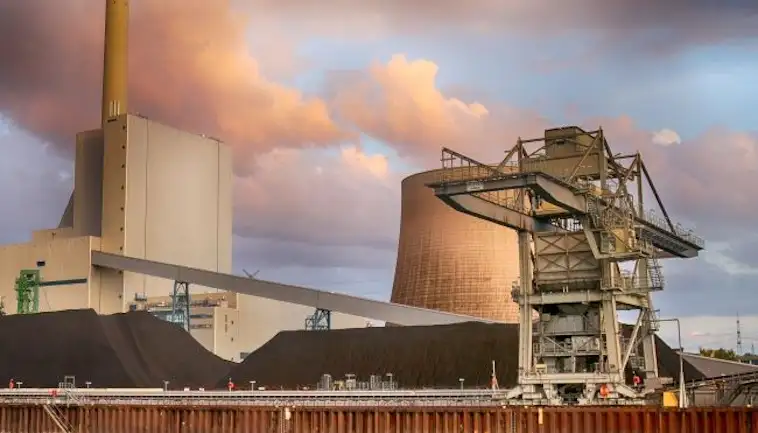
Unveiling the Invisible Enemy
Carbon emissions refer to the release of carbon dioxide (CO₂) into the atmosphere. These emissions mainly come from burning fossil fuels like coal, oil, and natural gas. When we use these fuels to produce energy or power our cars, we release CO₂, a colourless, odourless gas.
Why Are They Considered a Hidden Threat?
The reason carbon emissions are often called a “hidden threat” is that you can’t see or smell CO₂ as it blends into the atmosphere. This invisibility makes it easy to overlook the impact it has on our planet. But the effects are significant and harmful.
Sources of Carbon Emissions
Carbon emissions come from various sources:
- Energy Production: The largest source, particularly from coal, oil, and natural gas burned for electricity and heat.
- Transportation: Cars, trucks, ships, and planes burning fossil fuels.
- Industries: Manufacturing processes that burn fossil fuels.
- Agriculture: Practices that release other greenhouse gases, which often get converted to CO₂ equivalents for reporting purposes.
Widespread Impacts
The impacts of carbon emissions are vast and interconnected:
- Climate Change: CO₂ is a major greenhouse gas that traps heat in the atmosphere, leading to global warming.
- Ocean Acidification: As oceans absorb CO₂, the water becomes more acidic, affecting marine life.
- Extreme Weather: Higher temperatures can lead to more severe weather patterns, like hurricanes and droughts.
- Health Issues: Poor air quality resulting from increased CO₂ can cause respiratory and cardiovascular diseases.
Addressing carbon emissions is urgent because their effects are progressive and potentially irreversible. Reducing these emissions can slow climate change, giving us a better chance to adapt to its impacts and protect future generations. Efforts to cut down on carbon emissions include transitioning to renewable energy sources, improving energy efficiency, and adopting cleaner transportation options.
The Science of Carbon Emissions
When we talk about carbon emissions, we’re usually focusing on a group of gases known as greenhouse gases. These include carbon dioxide (CO₂) and methane (CH₄), among others.
Key Greenhouse Gases
- Carbon Dioxide (CO₂): This is the primary greenhouse gas emitted through human activities. It’s mainly produced by burning fossil fuels like coal, oil, and natural gas.
- Methane (CH₄): Methane is much more potent than CO₂ in trapping heat in the atmosphere, though it stays in the atmosphere for a shorter time. Major sources include landfills, agriculture (especially from the digestive systems of grazing animals), and leakage from oil and natural gas systems.
Sources of Emissions
The main sources of these gases are:
- Fossil Fuels: This is the burning of coal, oil, and gas for energy and transportation. It’s the biggest slice of the pie when it comes to human-caused CO₂ emissions.
- Deforestation: When trees are cut down, they release the carbon they’ve been storing into the atmosphere.
- Industrial Processes: Many industrial activities emit greenhouse gases through chemical reactions aside from burning fossil fuels, such as the production of cement.
How These Gases Affect Our Climate
When released into the atmosphere, these gases don’t just float away harmlessly. They cause trouble in a couple of key ways:
- Trapping Heat: These gases act like a blanket around Earth, trapping the sun’s warmth. This is essential for life on Earth, but too much warming disrupts our climate systems.
- Changing Weather Patterns: Increased temperatures can lead to altered weather patterns, which can cause extreme weather events like hurricanes and droughts.
- Ocean Acidification: CO₂ is absorbed by the oceans, making them more acidic, which harms marine life and can disrupt marine ecosystems.
On a molecular level, these gases absorb infrared radiation emitted by Earth and then radiate the energy back toward the surface, warming it further. It’s a natural process that has been exacerbated by human activity, leading to an enhanced greenhouse effect.
Global Trends and Troubling Statistics
Global carbon emissions have been on the rise, and the numbers really highlight the urgency to act. Over the past few decades, we’ve seen significant increases in the amount of carbon dioxide released into the atmosphere, largely due to industrial growth and increased reliance on fossil fuels.
Emission Levels Over the Decades
- 1970s-1990s: During this period, emissions grew steadily as global economies expanded and fossil fuel use increased, particularly in developed countries.
- 2000s-Present: The growth in emissions accelerated with emerging economies like China and India increasing their industrial output and energy consumption.
Projections for the Future
If we continue with current practices, the future looks concerning:
- Rising Emissions: Emissions are projected to continue rising, leading to higher global temperatures.
- Severe Climate Impact: This could result in more severe weather events, rising sea levels, and significant impacts on biodiversity and water resources.
The data is clear. Without significant changes in how we produce and use energy, the health of our planet is at risk. Here’s what we’re looking at if things don’t change:
- Global Warming: Temperatures could rise beyond the 1.5 to 2°C threshold set by the Paris Agreement, leading to catastrophic climate effects.
- Irreversible Damage: Some impacts might be irreversible, affecting not just nature, but human lives and economies.
It’s not just about numbers; it’s about our future. By reducing our carbon footprint, investing in renewable energy, and enforcing stricter emissions regulations, we can change these projections for the better. Let’s work together to create a sustainable future for the next generations.
Carbon Emissions and Climate Change
Carbon emissions are closely linked to climate change, a fact supported by decades of scientific research.
How Greenhouse Gases Lead to Global Warming
- Trapping Heat: Carbon dioxide and other greenhouse gases trap heat in the atmosphere. This trapped heat leads to higher global temperatures, a phenomenon known as global warming.
- Long Lifespan: Once released, carbon dioxide can remain in the atmosphere for up to a century, continually warming the planet over time.
The Effects of Global Warming
Global warming isn’t just about hotter days. It triggers a chain of events that affect the entire planet:
- Melting Ice Caps: Higher temperatures cause polar ice caps and glaciers to melt. This melting contributes to rising sea levels.
- Rising Sea Levels: As ice melts and warmer temperatures expand seawater, sea levels rise. This can lead to flooding in coastal areas and can even submerge small islands.
- Extreme Weather: Warmer temperatures can increase the frequency and intensity of extreme weather events like hurricanes, droughts, and heavy rainfall.
Indirect Effects on Our Planet
The impact of rising temperatures extends beyond the obvious:
- Habitat Changes: As temperatures rise, many species must migrate to cooler areas, disrupting ecosystems.
- Agricultural Impact: Changes in weather patterns can affect growing seasons and crop yields, leading to food shortages.
- Economic Consequences: Extreme weather, flooding, and other climate-related changes can lead to significant economic costs in terms of disaster response and rebuilding.
By reducing emissions, we can mitigate some of the worst effects of climate change and protect our planet for future generations. This challenge is urgent, and addressing it requires global cooperation and commitment.
Health Impacts of Carbon Pollution
Carbon emissions impact our planet, but did you know they also affect our health directly and indirectly? Let’s look at how increased levels of these emissions are linked to various health issues.
Direct Impacts on Health
- Respiratory Diseases: Increased carbon emissions contribute to poor air quality. This can lead to respiratory problems like asthma and chronic bronchitis.
- Cardiovascular Diseases: Air pollution doesn’t just affect your lungs; it can also impact your heart. Studies have shown that higher pollution levels are associated with increased risks of heart attacks and strokes.
Effects on Food Production and Water Supply
Carbon emissions influence climate and weather patterns, which in turn impact:
- Food Production: Changes in climate affect crop yields. Unpredictable weather, such as droughts and floods, can destroy crops and reduce the food available.
- Water Supply: Altered rainfall patterns can lead to water shortages or contamination. This makes clean water less accessible, affecting both drinking water and water used for farming.
Psychological Effects of Climate-Related Disasters
Experiencing or even just worrying about climate change-related disasters can have long-term psychological effects:
- Stress and Anxiety: The threat of losing a home or livelihood due to extreme weather can cause ongoing stress and anxiety.
- Depression: The aftermath of disasters, including the struggle to rebuild lives and communities, can lead to depression.
- Post-Traumatic Stress Disorder (PTSD): People who experience severe weather events may suffer from PTSD, a condition that can disrupt a person’s life long after the event has passed.
The impact of carbon emissions on human health is significant. It’s not just about the environment; it’s about our well-being. Addressing carbon emissions isn’t just good for the Earth—it’s crucial for our health. By taking steps to reduce emissions, we can improve air quality, ensure more stable food and water supplies, and reduce the mental health impacts associated with climate change.
Economic Consequences of Rising Emissions
Carbon emissions don’t just warm the planet—they also affect global economies.
Costs of Natural Disasters
- Higher Expenses: Natural disasters like hurricanes, floods, and wildfires are becoming more frequent and severe due to climate change. The cost of damage repair and disaster relief is soaring.
- Insurance Costs: As disasters become more common, insurance companies are forced to increase premiums or withdraw coverage in high-risk areas, putting financial pressure on businesses and homeowners.
Impact on Agriculture and Fisheries
- Unpredictable Yields: Changes in temperature and rainfall patterns disrupt growing seasons. Farmers face crop failures or reduced yields, affecting their income and the overall food supply.
- Fisheries at Risk: Rising sea temperatures and ocean acidification harm marine life, impacting fisheries. This affects the livelihoods of those who depend on fishing and the communities that rely on fish as a primary food source.
Economic Benefits of Greener Technologies
Transitioning to greener technologies not only helps reduce carbon emissions but also opens up economic opportunities:
- Job Creation: Renewable energy projects, like solar and wind power installations, create new jobs in manufacturing, installation, and maintenance.
- Energy Independence: Investing in domestic renewable energy sources reduces reliance on imported fossil fuels, keeping money within local economies and reducing geopolitical risks.
- Innovation and Investment: Developing new technologies for reducing emissions drives innovation and attracts investment, fostering economic growth.
The economic implications of carbon emissions and climate change are profound. They affect every sector, from insurance to agriculture, and reshape global markets. By investing in green technologies and sustainable practices, we can mitigate these impacts and unlock new economic potential. Embracing this transition not only addresses the environmental crisis but also promotes economic resilience and growth.
Strategies and Solutions to Carbon Emissions
Reducing carbon emissions is crucial for slowing climate change. Fortunately, there are various strategies and technologies designed to tackle this challenge.
Renewable Energy Sources
- Solar Power: Using solar panels to capture energy from the sun is a clean way to generate electricity without emitting carbon.
- Wind Power: Wind turbines generate electricity by harnessing the natural wind. Like solar power, wind energy produces no emissions during operation.
- Hydropower: Water flow is used to generate electricity in hydropower systems. It’s a powerful renewable source, especially in regions with ample waterways.
Carbon Capture and Storage Technologies
- Direct Air Capture: This technology removes CO₂ directly from the atmosphere and stores it underground or uses it in products like concrete.
- Bioenergy with Carbon Capture and Storage (BECCS): This method involves capturing carbon from bioenergy processes and storing it, effectively removing CO₂ from the cycle.
Changes in Agricultural and Industrial Practices
- Sustainable Agriculture: Techniques like rotational grazing, reduced tillage, and organic farming can decrease emissions and even capture carbon in the soil.
- Industrial Efficiency: Improving energy efficiency in manufacturing processes reduces the amount of energy needed and, consequently, the emissions produced.
Effective Policy Measures
Different regions have adopted various policies that have proven effective:
- Carbon Pricing: Imposing a cost on carbon emissions incentivises companies to reduce their emissions. This can be done through carbon taxes or cap-and-trade systems.
- Renewable Energy Incentives: Governments offer subsidies, tax credits, and other incentives to encourage businesses and homeowners to choose renewable energy options.
- Regulations and Standards: Setting strict emissions standards for vehicles, power plants, and industries drives the adoption of cleaner technologies.
Implementing these strategies requires commitment and collaboration across governments, industries, and communities. By investing in these technologies and embracing these practices, we can significantly reduce our carbon footprint, mitigate the effects of climate change, and move towards a sustainable future. Each step forward in this direction not only helps the planet but also boosts economic growth and global health.
Practical Steps to Reduce Carbon Emissions
Every one of us can play a part in reducing carbon emissions. It’s about making smarter choices in our daily lives. Here are some practical steps you can take to make a difference.
Energy Use at Home
- Switch to LEDs: Replace old light bulbs with energy-efficient LED bulbs. They use less electricity and last longer.
- Unplug Devices: Devices left plugged in still consume energy. Unplug them when they’re not in use.
- Energy-Efficient Appliances: Choose appliances with high energy efficiency ratings to reduce both your carbon footprint and your electricity bill.
Transportation Choices
- Public Transportation: Use buses, trains, or subways instead of driving. It reduces the number of vehicles on the road and lowers emissions.
- Carpool: Sharing a ride with others also cuts down on emissions. Plus, it can make your journey more enjoyable.
- Bike or Walk: For shorter distances, biking or walking not only reduces emissions but is also great for your health.
Recycling and Waste Reduction
- Recycle: Properly sorting your trash so that recyclables don’t end up in a landfill is a big help.
- Compost: Composting food scraps turns waste into a resource, enriching soil instead of contributing to methane emissions in landfills.
- Reduce Single-Use Plastics: Using fewer plastic products, especially single-use plastics, can significantly cut waste.
Support Green Policies and Products
- Buy Local: Support local businesses and buy local products when possible. This reduces the emissions from transporting goods long distances.
- Support Green Companies: Choose to buy from companies that have committed to reducing carbon emissions and practising sustainability.
- Advocate for Change: Support or volunteer for environmental causes. Your voice can influence policy decisions and raise awareness.
Taking these steps might seem small, but when millions of people make these changes, the impact can be massive. By adopting more sustainable habits, we not only reduce our own carbon footprint but also encourage businesses and governments to prioritise sustainability. It’s about doing our part for a healthier planet and a sustainable future.
Conclusion
Carbon emissions are a serious threat to our planet, but it’s a threat we can manage and mitigate with the right actions. From switching to renewable energy sources and enhancing energy efficiency to adopting sustainable farming and industrial practices, there are numerous ways we can reduce our carbon footprint. Every step we take towards cutting down emissions counts, whether it’s choosing public transportation, supporting green policies, or simply turning off an unused light.
This is our chance to make a real difference, not just for our environment but for future generations. By working together and making conscious choices, we can protect our planet from the worst effects of climate change. Let’s take that step today, for a healthier and more sustainable tomorrow.