

Can Reforestation Efforts Fully Restore Deforested Lands?
Reforestation is a powerful tool for bringing life back to areas that have lost their trees. It involves planting new trees where forests have been cut down. But can these efforts truly bring back everything that was lost? When we look at restoring deforested lands, there’s more to consider than just planting trees. Soil health, biodiversity, and local climate conditions all play a crucial role. This raises an important question: Are we just creating new forests, or are we truly restoring the old ones? Let’s find out what it takes to make reforestation efforts a complete success.
Can Reforestation Efforts Fully Restore Deforested Lands?
What You’ll Discover
What are Deforestation and Reforestation?
The Ecological Impact of Deforestation
What Does Reforestation Entail?
Successes in Reforestation
Challenges and Limitations of Reforestation
Can Reforestation Restore Ecosystem Services?
The Role of Technology and Innovation in Reforestation
Rethinking Reforestation
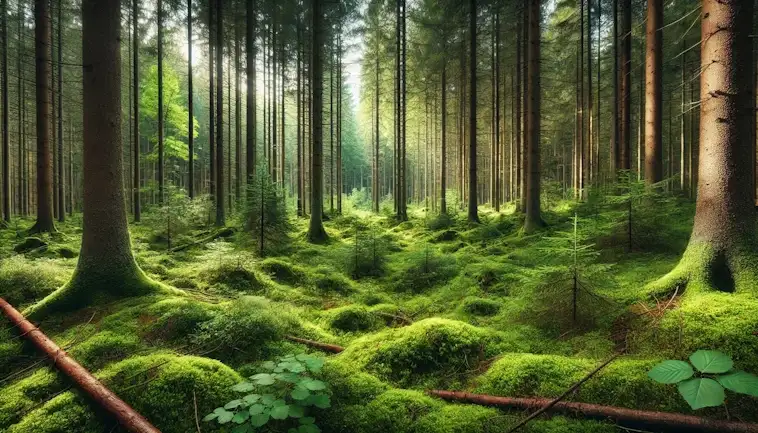
What are Deforestation and Reforestation?
Deforestation and reforestation are two sides of a crucial environmental issue that affects our entire planet.
Deforestation
Deforestation refers to the clearing, or cutting down, of forests. It’s like taking a giant eraser to swaths of trees that have been around for decades, sometimes centuries. This process is driven by various needs, such as agriculture, logging, and urban expansion.
- Global Scale: Every year, we lose about 10 million hectares of forest—that’s roughly the size of Iceland! This massive tree loss occurs all over the world but is most intense in tropical regions like the Amazon Rainforest.
Environmental Impacts
- Biodiversity Loss: Forests are home to over half of the earth’s land-based species. When trees are cut down, many species lose their homes and food sources.
- Climate Change: Trees absorb carbon dioxide, a greenhouse gas, from the atmosphere. Without forests, more of this gas stays in the atmosphere, warming the planet.
- Water Cycle Disruption: Forests play a critical role in maintaining the water cycle. They absorb rainfall and release water vapour back into the atmosphere. Deforestation can lead to drier climates and less fertile land.
Reforestation
Reforestation is the act of planting trees where forests have been depleted. It’s like hitting the undo button on deforestation. Here’s why reforestation is viewed as a potential solution:
- Carbon Sequestration: New trees can absorb CO₂ from the atmosphere, helping to combat climate change.
- Restoring Biodiversity: Replanting trees can help restore habitats for wildlife, bringing back species that may have been displaced.
- Improving Soil Health: Trees help prevent erosion and maintain nutrient-rich soils.
The challenge is vast, but the goal of reforestation is to mend the damage done by deforestation. It’s not just about planting trees but ensuring these trees grow, thrive, and restore the ecological balance. As we face the reality of climate change and environmental degradation, understanding and supporting efforts like reforestation becomes more critical than ever. By doing so, we’re investing in a sustainable future for all living beings on our planet.
The Ecological Impact of Deforestation
Deforestation doesn’t just change landscapes; it has deep and far-reaching effects on the environment that can be quite complex.
Biodiversity
Forests are bustling with life, hosting countless species, from towering trees and buzzing bees to majestic tigers. When forests are cut down:
- Habitat Loss: Many species lose their homes. Without shelter and food sources, animal populations decline.
- Disruption of Ecosystems: The intricate web of interactions among species gets disturbed, which can lead to the extinction of local species.
Soil Quality
Forests keep the soil healthy and fertile, but when they’re gone, the soil suffers too.
- Erosion: Without tree roots to hold it in place, soil can wash away with rain.
- Loss of Nutrients: Trees help cycle nutrients through the soil. Without them, soils become less fertile, making it hard for plants to grow.
Water Cycles
Forests play a critical role in managing water within ecosystems.
- Reduced Rainfall: Trees release water vapour into the air, which helps form clouds and eventually rain. Fewer trees mean less rain, which can alter the local climate.
- Water Quality: Forests filter and regulate water. Deforestation can lead to more floods and lower water quality.
Local Climates
The local climate also changes without forests.
- Increased Temperatures: Trees provide shade and release moisture, which helps cool the air. Without them, areas can become significantly hotter.
- Climate Extremes: Without the moderating effect of forests, extremes in temperature and rainfall can become more common.
Challenges for Reforestation
Reforesting areas isn’t just about planting trees. It involves:
- Restoring Ecosystems: It’s not enough to just plant trees; the whole ecosystem needs to recover.
- Time and Growth: Trees take years to mature. The benefits of reforestation, like improved biodiversity and climate regulation, take time to manifest.
- Survival of New Trees: Young trees need care and protection from pests, diseases, and human activities to survive.
Addressing the damages caused by deforestation is a big task. Reforestation efforts need to be well-planned and sustained over time to truly restore and maintain the health of our planet’s ecosystems.
What Does Reforestation Entail?
Reforestation is all about giving forests a helping hand to come back to where they once thrived but have been depleted. It’s different from afforestation, which involves planting trees in areas that haven’t been forests for a long time, if ever. And then there’s natural regeneration, where a forest is allowed to regrow on its own without humans planting trees.
Methods and Practices of Reforestation
Reforestation can be done in a few ways, depending on what’s best for the area and the goals of the project:
- Tree Planting: The most straightforward method where specific species of trees are planted by hand. This is often used to quickly bring back forest cover and is very common in both tropical and temperate regions.
- Assisted Natural Regeneration: This method speeds up the natural recovery process by protecting and nurturing the growth of existing vegetation. It involves removing barriers to natural forest regeneration such as competing vegetation and protecting young saplings from grazing animals.
- Seed Sowing: Sometimes, instead of planting young trees, seeds are spread over the land manually or by aerial methods. This can be more cost-effective and allow a more natural growth pattern as the forest develops.
Variations by Region and Ecosystem
The method chosen often depends on the local environment:
- Tropical Forests: In rainforests, quick-growing species might be planted first to provide shade for more sensitive species that come in later.
- Temperate Forests: In cooler climates, a mix of species that mirror the natural composition of the forest is often used to promote biodiversity.
- Arid Areas: In deserts or near-desert regions, drought-resistant species are necessary, and techniques might include special irrigation systems to ensure survival.
Criteria for Successful Reforestation
Success in reforestation isn’t just about getting trees into the ground. Here’s what defines a successful project:
- Survival of Trees: The young trees need to not only survive but grow strong. Regular monitoring and maintenance are crucial.
- Ecosystem Recovery: True success is seen when the planted area starts to sustain a healthy ecosystem, including a variety of plants and animals.
- Benefits to the Environment: The new forest should help improve soil quality, water regulation, and carbon sequestration, ultimately contributing to climate change mitigation.
- Community Engagement: Often, the involvement of local communities in planning and maintaining reforestation projects ensures long-term success.
Reforestation is a vital tool in our fight against environmental degradation, adapting to the needs and conditions of each unique ecosystem to restore balance and health to our planet.
Successes in Reforestation
Reforestation is a powerful tool for healing damaged ecosystems, and there are some inspiring success stories from around the world.
Atlantic Forest, Brazil
The Atlantic Forest in Brazil is one of the most biodiverse places on earth, but it was heavily deforested. Thanks to reforestation efforts:
- Diverse Planting: Scientists and conservationists planted a variety of native tree species. This diversity helped to bring back many different kinds of wildlife.
- Community Involvement: Local communities were involved in the process, ensuring the long-term care of the forest.
- Timeline: While initial improvements were seen within just a few years, the forest continues to recover and will do so for many decades.
Costa Rica’s National Forestry Financing Fund
Costa Rica turned deforestation around by paying landowners to plant trees and conserve forest areas through the National Forestry Financing Fund (FONAFIFO).
- Financial Incentives: Providing financial incentives encouraged widespread participation.
- Government Support: Strong government policies supported reforestation and conservation.
- Timeline: Started in the early 1990s, this effort has led to a significant increase in forest cover over three decades.
The Great Green Wall, Africa
The Great Green Wall is an ambitious project aimed at combating desertification in the Sahel region of Africa. While still in progress, the project shows promising results.
- Large-Scale Collaboration: Multiple countries are working together on this project, showing international cooperation.
- Diverse Strategies: The project includes not just tree planting, but also community gardens and sustainable land management practices.
- Timeline: Launched in 2007, it aims to be completed by 2030 and has already seen improvements in local environments and economies.
What Makes These Efforts Successful?
These case studies show that successful reforestation involves:
- Proper Planning: Choosing the right types of trees and planting methods suitable for the specific area.
- Local Involvement: Engaging local communities ensures the forest is valued and protected long-term.
- Ongoing Maintenance and Monitoring: Keeping an eye on the forest’s health and making adjustments as needed is crucial.
The time scale for seeing results in reforestation can vary. Immediate improvements in local biodiversity and soil quality can be observed within the first few years, but the full benefits of a restored ecosystem might not be realised for several decades. The key is consistent effort and commitment to these projects.
Challenges and Limitations of Reforestation
Reforestation is a hopeful strategy for restoring our planet’s lungs, but it’s not without its challenges.
Planting Non-native Species
Sometimes, well-intentioned projects use non-native tree species because they grow quickly. However, these species can:
- Disrupt local ecosystems: Non-native trees might not provide the right support for local wildlife.
- Affect soil health: Some non-native species can change soil chemistry in ways that native plants can’t handle.
Long Time Frames
Forests don’t grow overnight. It takes time:
- Patience is needed: Trees can take decades to mature and even longer to restore a fully functioning ecosystem.
- Long-term commitment: Projects need ongoing support and funding over many years, which can be hard to maintain.
Socio-economic Factors
The success of reforestation often depends on local socio-economic conditions:
- Land Use Conflicts: Sometimes land that could be reforested is used for agriculture, which supports local economies. Convincing landowners to switch to reforestation can be tough.
- Economic Pressures: In many regions, cutting down trees for timber or clearing land for farming is a significant income source. Reforestation means finding new economic models.
- Community Involvement: Projects need to engage local communities effectively. If local people don’t see the benefits of reforestation, they might not support it.
Other Environmental Factors
And there are environmental challenges, too:
- Climate Change: As climates change, areas that were once ideal for certain types of forests might no longer be suitable.
- Pests and Diseases: Newly planted trees are vulnerable to pests and diseases, which can wipe out young saplings.
It’s not just about planting trees—it’s about nurturing ecosystems, supporting communities, and adapting to a changing world. It’s hard work, but it’s vital for our planet.
Can Reforestation Restore Ecosystem Services?
Reforestation is a powerful tool for bringing back the benefits that forests provide to the environment, like capturing carbon, supporting wildlife, and managing water. But can it fully restore what was lost? Here’s what ecological science says about the potential and the limits.
Carbon Sequestration
- Good News: New forests can soak up a lot of carbon dioxide from the air, helping to fight climate change.
- But: Young forests don’t capture as much carbon as old-growth forests. It takes time for them to become truly effective at sequestration.
Habitat for Wildlife
- Good News: Planting trees can definitely help bring back wildlife. As the forest grows, animals return and biodiversity increases.
- But: Restored forests often lack the complex structures of old-growth forests, like large dead trees and varied undergrowth, which many species need.
Water Regulation
- Good News: Forests help regulate the water cycle. They store water and release it slowly, which can reduce flooding and improve water quality.
- But: The effectiveness of new forests in managing water can vary, depending on the types of trees planted and how the forest is managed.
Perspectives from Ecological Science
Ecological science supports reforestation but recognises its limits:
- Species Selection: Choosing the right types of trees is crucial. Native species are usually best because they’re adapted to the local environment.
- Forest Structure: It’s not just about tree cover. The structure of the forest, including a mix of tree ages and types, is important for restoring full ecological function.
- Time: Forests take decades, even centuries, to mature. The benefits increase over time but require patience and long-term commitment.
The Limits
- Not a Quick Fix: While reforestation can bring back many ecosystem services, it’s not a complete substitute for conserving existing old-growth forests.
- Scale and Context: The scale of reforestation matters. Small, isolated patches of forest might not provide the same benefits as larger, connected areas.
Reforestation is a hopeful strategy that shows a lot of promise. However, it’s not a simple solution. It works best when integrated with broader conservation efforts and when the local community’s needs and the ecological context are carefully considered. It’s a vital part of our toolkit for maintaining a healthy planet, but it needs to be done thoughtfully and patiently.
The Role of Technology and Innovation in Reforestation
Modern technology and innovative approaches are revolutionising how we think about and carry out reforestation. Let’s explore how tools like drones, genetically modified trees, and artificial intelligence (AI) are making a big impact, while also considering the opportunities and ethical questions they raise.
Drone Reforestation
- What It Is: Drones can plant thousands of seeds each day by dropping biodegradable pods with seeds and nutrients directly into the soil.
- Opportunities: This method is fast and can reach remote or difficult terrain without the need for human labour.
- Ethical Questions: There’s concern about the accuracy of drone planting and whether it can truly match the natural diversity of traditional forests.
Genetic Modification of Trees
- What It Is: Scientists are exploring ways to genetically modify trees to make them grow faster or be more resilient to pests and diseases.
- Opportunities: Faster-growing trees can speed up the benefits of reforestation, such as carbon sequestration and habitat restoration.
- Ethical Questions: Genetic modification raises concerns about the long-term impacts on ecosystems and the potential for unintended consequences in the local wildlife and other plant life.
AI for Monitoring Forest Health
- What It Is: AI can analyse data from satellite images and sensors to monitor forest health, growth rates, and biodiversity.
- Opportunities: AI offers a way to keep a close eye on reforestation projects, helping to ensure they are developing as planned and adapting to any issues quickly.
- Ethical Questions: Dependence on technology for ecological monitoring might overlook subtle ecological changes that traditional methods might catch. Also, there’s a question of data privacy and who has access to this information.
Balancing Technology and Nature
These technologies offer exciting opportunities to enhance reforestation efforts. They can make planting and monitoring faster, cheaper, and more effective. However, they also bring up important ethical questions that we need to address. As we incorporate more technology into reforestation, it’s crucial to maintain a balance with nature. We need to ensure that these high-tech approaches work alongside natural processes, not against them and that they contribute positively to the ecosystems we are trying to restore.
Rethinking Reforestation
Reforestation is a powerful way to heal our planet, but it’s complex. To do it right, we need everyone on board: local communities, policymakers, and scientists.
Engage Local Communities
- Why It Matters: People who live near reforestation sites know the land best. They can provide valuable insights and help identify the most appropriate species to plant.
- How to Do It: Involve community members from the start. Their support ensures the long-term care and success of reforestation projects.
Involve Policymakers
- Why It Matters: Strong policies can provide the necessary support and resources for reforestation. They can also protect these new forests from future deforestation.
- How to Do It: Work with local and national governments to create incentives for reforestation and laws that protect restored forests.
Utilise Scientific Research
- Why It Matters: Science helps us understand what trees to plant and how to manage forests sustainably.
- How to Do It: Use research to guide the choice of tree species and reforestation methods. Monitor the growth and health of the forest with scientific tools.
Keep Sustainability in Mind
- Plan for the Long Term: Reforestation is not a quick fix. It’s a commitment to future generations.
- Adapt and Learn: Use ongoing research to adapt methods over time. What works today may need adjustment tomorrow.
By bringing together local knowledge, policy support, and scientific research, reforestation can be more than just planting trees. It can restore ecosystems, support communities, and help fight climate change. This integrated approach ensures that our efforts are not only successful but also sustainable for years to come.
Conclusion
Reforestation holds incredible potential to heal deforested lands, bringing back forests that provide vital ecosystem services like carbon sequestration, water regulation, and habitats for wildlife. While it’s a powerful tool, it’s not a complete fix. Fully restoring deforested lands requires time, patience, and the right mix of trees and techniques.
By engaging local communities, supporting strong policies, and applying scientific research, we can increase our chances of success. However, it’s important to remember that while reforestation can rebuild many aspects of forest ecosystems, it might not replicate the complexity and richness of old-growth forests lost to deforestation.
As we move forward with reforestation efforts, a balanced, thoughtful approach will be essential. This means not just planting trees, but nurturing whole ecosystems that support biodiversity, stabilise climates, and sustain communities. The path to restoring our planet’s green spaces is long and challenging, but with continued dedication and innovation, reforestation can play a crucial role in making our world more sustainable and vibrant.