

Can Nature Conservation Protect Our World For Us All?
Nature Conservation: Can It Really Protect Our World for Us All?
Nature conservation sits at the center of a question that matters to everyone: how do we keep our world healthy enough to sustain us into the future? Many people feel the effects of environmental change in their daily lives, and interest in practical solutions is growing fast. As pressures on ecosystems increase, so does the need for approaches that protect what remains while restoring what has been damaged.
Today, more communities are beginning to see how a protected landscape supports cleaner air, safer water, and stronger resilience. At the same time, new research and innovative tools are helping us understand nature’s role in keeping our planet stable. These shifts offer real hope, because they show that progress is possible when conservation becomes part of everyday decision-making.
As you move forward, you’ll see how simple actions, smarter policies, and long-term thinking can strengthen the natural systems we all rely on. The idea is not only to preserve beauty, but to safeguard the essentials of life itself—now and for generations to come.
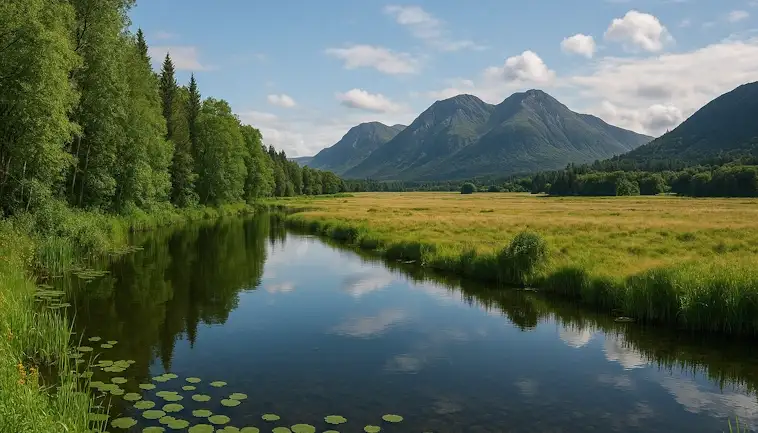
Why Nature Conservation Shapes a Safer Future for Everyone
Nature conservation is no longer a niche idea. It is a practical path to a safer and more stable future. As our climate shifts and cities grow, we depend even more on healthy ecosystems. They protect our water, cool our neighborhoods. And they even shield us from extreme weather. When we invest in nature, we invest in our own long-term security.
A Simple Truth We Often Forget
Nature does a lot of quiet work for us. Forests store carbon and help slow climate change. Wetlands absorb floodwaters before they reach our homes. Coastal marshes soften the impact of storms. Even small green spaces in cities improve air quality and support our mental well-being. These benefits are not distant or abstract. They touch our daily lives.
Yet many of these natural systems are under pressure. Development, pollution, and rising temperatures threaten the very landscapes that keep us safe. That is why nature conservation matters right now. It is not only about protecting wildlife. It’s also about protecting people.
When communities restore forests or plant new ones, they build natural defenses. Or when cities invest in green infrastructure, they create cooler and healthier spaces. And when governments safeguard wetlands and rivers, they reduce the risk of future disasters. Each action creates a buffer against the uncertainties ahead.
As we look forward, the need for bold action becomes clearer. Nature conservation offers a reliable, affordable, and proven way to strengthen our future. It gives us cleaner air, safer neighborhoods, and a more resilient world. And it reminds us that the safest future is one built hand-in-hand with the natural world.
If we choose to protect nature today, we choose a safer tomorrow for everyone.
The Hidden Ways Our Daily Choices Impact the Planet
It is easy to think that big industries are the main drivers of environmental change. Yet our daily choices play a much bigger role than most of us realise. The small decisions we make at home, on the road, and even at the grocery store can add up fast. And when millions of people make the same choices each day, the impact becomes huge.
This is why it helps to look closely at the habits we barely notice. Because when we understand where our choices matter most, we gain real power to change things. And the good news is that many of these shifts are simple. They start with awareness, and they grow with practice.
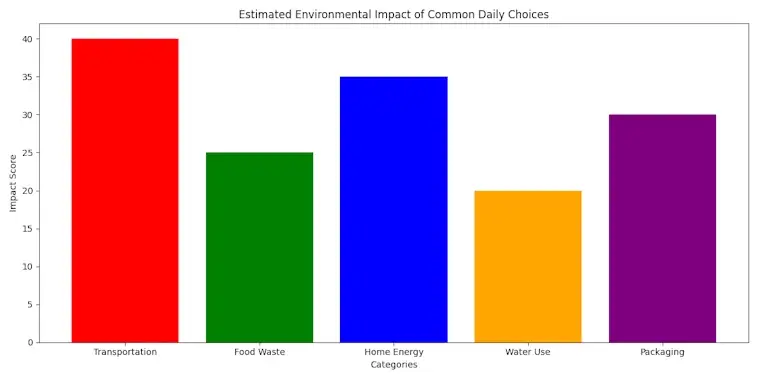
For example, how we travel, manage food, use energy, and deal with packaging all shape our environmental footprint. These actions might seem minor. However, they set off chains of effects that ripple outward into our air, water, and soil. And as we look ahead, the choices we make today will help shape whether our communities stay healthy and resilient.
To give you a clearer picture, here is a quick snapshot of how everyday decisions stack up. The chart below highlights several common habits and their estimated impact. It is a helpful way to see where small improvements could lead to meaningful change.
How Nature Conservation Supports Healthier Communities
When we talk about nature conservation, we often picture forests, wildlife, or vast landscapes. Yet the impact of protecting nature goes much deeper. It shapes the health and well-being of our communities in ways we feel every day. And as cities grow and pressures on natural spaces increase, the value of conservation becomes even clearer.
Let’s explore how caring for the natural world directly supports healthier, more resilient communities.
Nature conservation does more than protect plants and animals. It creates cleaner air, safer water, and calmer places to live. And it also helps people feel more connected, both to each other and to the places they call home. When local environments thrive, people do too. And the benefits start showing up faster than many expect.
Here are some of the most meaningful ways nature conservation supports community health:
- Cleaner air due to fewer pollutants and more tree cover.
- Better mental health through easy access to green space.
- Reduced urban heat thanks to shaded parks and restored natural areas.
- Stronger community bonds built around local conservation projects.
- Safer drinking water protected by healthy wetlands and forests.
- More opportunities for outdoor play, exercise, and social activity.
- Greater resilience during extreme weather because natural systems absorb heat, wind, and excess water.
As we look ahead, the role of nature conservation will only grow. It offers a practical path toward healthier neighborhoods and a more stable climate. And it also gives communities a sense of shared purpose. When people work together to protect the natural spaces around them, they build a foundation for long-term well-being.
That is why nature conservation is not just an environmental issue. It is a community health strategy. And it is one of the most powerful tools we have for creating places where people can live, breathe, and thrive.
The Role Technology Can Play in Protecting Natural Spaces
When we think about protecting nature, we often picture hands-on work. People planting trees. Volunteers clearing trails. Rangers watching over wildlife. Those efforts still matter, of course. But today, technology is stepping in to help in new and surprisingly practical ways.
And this shift is happening fast.
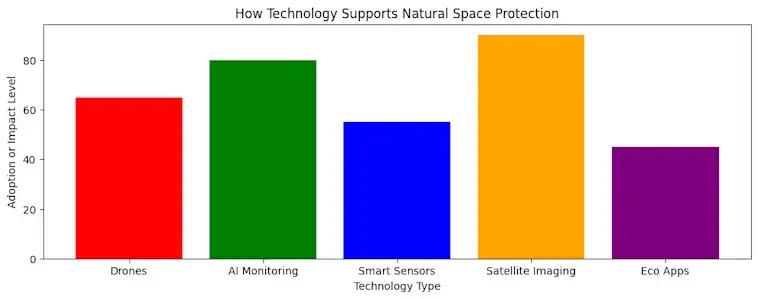
As natural spaces face more pressure from climate change, pollution, and rapid development, we need tools that can spot problems early. We also need ways to act quickly, even in remote places where people cannot always be present. That is where modern tech comes in. It gives us eyes in the sky, sensors in the soil, and data that helps us make better decisions.
At the same time, these tools do not replace human care. Instead, they make our efforts more precise. They help us respond sooner. And they create opportunities for communities, scientists, and even casual hikers to protect the places they love.
Below is a simple chart that shows how different technologies are being used to support nature protection today. It highlights the growing role each tool is starting to play. As adoption grows, so will our ability to safeguard the natural spaces we depend on.
What We Can Do Today to Build a More Resilient World
Building a more resilient world can feel like a huge challenge. Yet small steps, taken together, can shift our path in powerful ways. The good news is that many of these steps start close to home. They grow from the choices we make every day, from how we live, to how we consume, and even how we speak up for change. When we act with intention, we help shape a safer and more stable future.
The real opportunity lies in starting now. Even simple actions build momentum. And as momentum grows, resilience becomes a shared effort rather than a distant ideal. Below are a few ways to begin.
Nature Conservation Starts With Everyday Choices
Nature restoration often sounds like something that only governments or global charities can tackle. Yet it also begins with small personal decisions. Choosing products with less packaging, supporting brands that protect ecosystems, and reducing waste all help protect the natural world. These choices signal demand for better practices and encourage companies to shift, too.
You can also get involved locally. Many communities run tree-planting days, river clean-ups, or citizen-science projects that track wildlife health. These activities not only support biodiversity but also strengthen neighborhood ties. When people work together, they build social resilience as well as environmental resilience.
If you want a clear, practical guide to simple steps that make a measurable difference, this overview from the United Nations is helpful.
Working Together for a Stronger Tomorrow
Resilience is built through cooperation. Talk with neighbors, join local climate groups, or support schools that teach environmental literacy. These connections matter. They help communities respond faster during crises and rebuild more effectively afterward.
Taking action today does not require perfection. It requires willingness. Each step, no matter how small, contributes to a future that is steadier, healthier, and more hopeful.
Why Nature Conservation Still Matters for Everyone
As we look ahead, it becomes clear that nature conservation is not just a nice idea. It is a practical path to a safer and more stable future. When we protect forests, restore wetlands, or rebuild damaged habitats, we strengthen the natural systems that keep our air cleaner, our water safer, and our communities healthier. These benefits reach all of us, no matter where we live.
Moving forward, the choices we make today will shape the world our children inherit. By supporting nature conservation now, we protect what is most essential: our shared home. And while the challenges can feel overwhelming, even small actions create real momentum. Each commitment, each project, and each vote for healthier ecosystems helps tip the balance in the right direction.
In the end, nature conservation offers something powerful. It gives us a chance to work together, to build resilience, and to leave behind a world that is richer, more vibrant, and full of life. That future is within reach. We only need to choose it.