

Can Conservation Spark a Stronger Bond With the Wild?
Can Conservation Spark a Stronger Bond With the Wild?
Conservation can do more than protect landscapes and wildlife. It can also deepen our connection to the natural world. As forests shrink and species decline, people are realizing that caring for nature is not only about survival—it’s about belonging. Conservation invites us to rethink how we live, reminding us that the health of the planet and the health of our own lives are closely linked. By protecting habitats, restoring ecosystems, and supporting biodiversity, we create space for wild places to flourish and for ourselves to feel part of something greater.

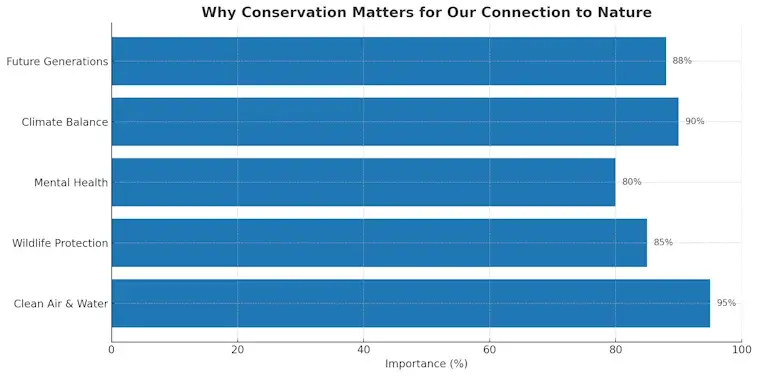
Why Conservation Matters for Our Connection to Nature
Conservation is not just about saving forests, oceans, or wildlife. It’s about protecting the bond we share with the natural world. When we lose wild spaces, we lose a part of ourselves. Nature gives us fresh air, clean water, and peace of mind. Without it, our lives feel less balanced and less whole.
A Walk in the Woods is More Than Exercise
Think about the last time you took a walk outside. Maybe you noticed the sound of birds, the rustle of leaves, or the smell of fresh rain. These small moments remind us that we are part of something bigger. Conservation keeps these experiences alive for future generations.
Protecting nature also helps us reconnect in a fast-moving world. Screens and busy schedules pull us away from simple joys. Yet a few quiet minutes outdoors can lower stress and boost creativity. By conserving green spaces, we create places where people can slow down and truly breathe.
Conservation matters because it is personal. It shapes how we feel, how we think, and how we live. When we care for the planet, we care for ourselves too.
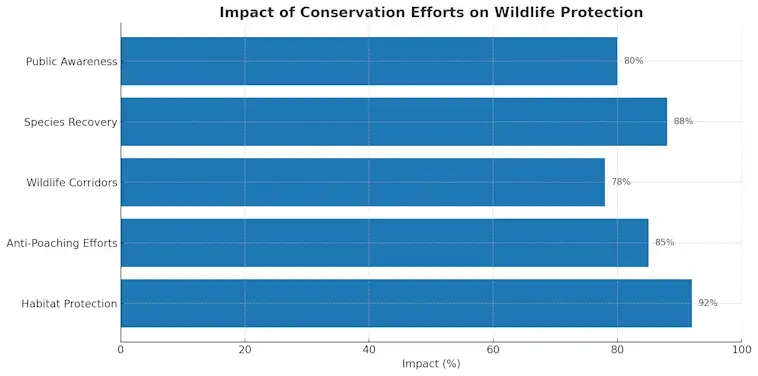
How Conservation Efforts Strengthen Wildlife Protection
Conservation plays a vital role in keeping wildlife safe. Without it, many species would face even greater risks of extinction. From protecting natural habitats to creating wildlife corridors, conservation efforts give animals the space and safety they need to survive.
Safe Homes for Wild Creatures
Every animal depends on a home. Forests, wetlands, grasslands, and oceans are more than landscapes — they are life support systems. When we cut them down or pollute them, animals lose their shelter and food. Conservation helps by setting aside protected areas where wildlife can thrive without human interference.
These efforts also reduce the threats of poaching and illegal trade. By funding patrols and strengthening laws, conservation programs make it harder for endangered species to be exploited. At the same time, they raise awareness, so people understand why protecting wildlife matters.
Strong conservation doesn’t just help animals. It benefits people too. Healthy ecosystems mean cleaner air, fertile soil, and stable climates. When wildlife thrives, the planet thrives — and so do we.
Simple Ways to Support Conservation in Daily Life
Conservation doesn’t always mean big projects or massive donations. It can start with the small choices we make every day. These simple steps add up, and they help protect the planet in ways that truly matter.
Small Choices, Big Impact
One of the easiest things you can do is reduce waste. Carry a reusable water bottle, say no to single-use plastic, and recycle whenever possible. Each action helps cut down pollution and keeps natural spaces cleaner.
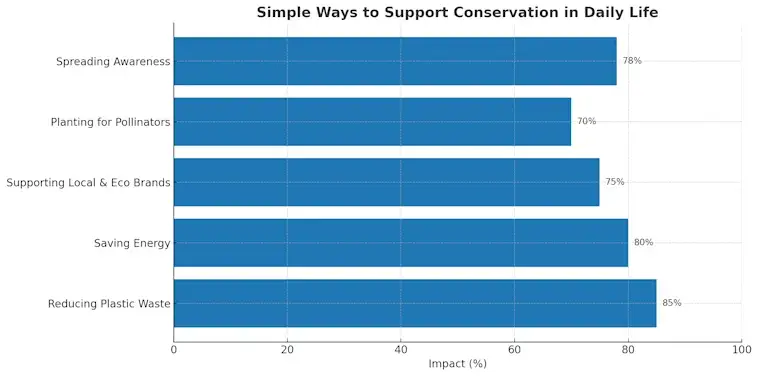
Another way is to save energy. Turn off lights when you leave a room, unplug chargers, and switch to energy-efficient bulbs. These habits reduce carbon emissions and lower your bills at the same time.
Supporting local farmers and eco-friendly brands is also powerful. When you choose products that respect the environment, you send a message that sustainability matters. Even planting native flowers in your yard helps pollinators like bees and butterflies thrive.
Finally, share what you learn. Talk to friends, post online, and encourage others to care about conservation. Spreading awareness creates a ripple effect that makes real change possible.
Conservation begins at home, and each of us has the power to make a difference. The small steps you take today will shape a healthier world tomorrow.
Conservation Success Stories That Inspire Hope
It’s easy to feel overwhelmed by news about climate change and habitat loss. But there are many success stories that show conservation works. These victories remind us that positive change is possible when people come together to protect nature.
From the Brink to a Bright Future
Take the bald eagle in the United States. Once nearly extinct due to hunting and pesticides, strong conservation laws and habitat protection brought their numbers back. Today, they soar across the skies once again.
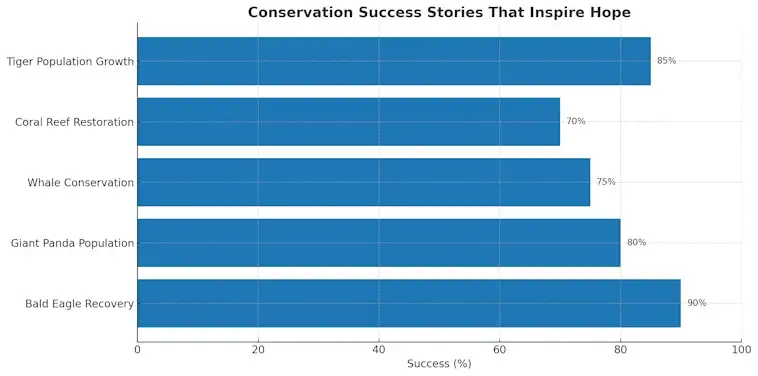
Another inspiring example is the giant panda. For decades, pandas were a global symbol of endangered wildlife. Thanks to dedicated breeding programs and the preservation of bamboo forests, their status has been upgraded from “endangered” to “vulnerable.”
Marine life has also seen wins. Coral reef restoration projects and strict fishing regulations are helping fish populations recover in some regions. These changes prove that ecosystems can bounce back when given the chance.
These stories matter because they show us that our efforts count. Conservation is not just about preventing loss — it’s about creating a future where wildlife and people thrive together.
Rewilding: A Powerful Path Back to the Wild
Rewilding is about giving nature the space and freedom to heal itself. Instead of controlling every part of the land, rewilding lets ecosystems return to their natural balance. It’s a bold approach to conservation, and it’s already showing powerful results around the world.
Nature’s Comeback Stories
When wolves were reintroduced to Yellowstone National Park, something amazing happened. Their presence reshaped the ecosystem. Deer populations became healthier, trees grew back, and rivers even changed course. All because balance was restored.
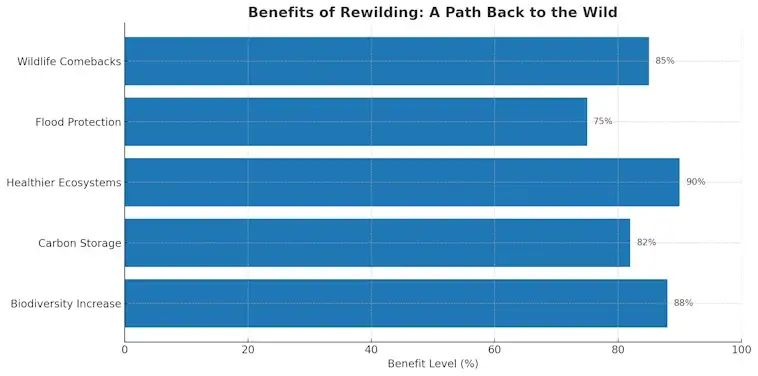
In Europe, rewilding projects are bringing back animals like bison, lynx, and wild horses. These species play key roles in shaping the land. As they return, so does biodiversity. Fields become forests again, and wetlands come back to life.
Rewilding also helps us. Thriving ecosystems store carbon, clean the air, and protect against floods. By letting nature be wild again, we create a stronger planet for ourselves and for future generations.
Rewilding shows us that healing is possible. When we give nature a chance, it always finds a way to surprise us.
Conservation is Our Shared Responsibility
Conservation is more than protecting wildlife or preserving forests. It’s about safeguarding the very systems that keep us alive — clean air, fresh water, and a stable climate. Every effort, whether big or small, adds up to lasting change.
When we support conservation, we create healthier communities, stronger ecosystems, and a future filled with hope. From daily choices like reducing waste to global initiatives that restore habitats, we all have a role to play.
The message is simple: protecting nature means protecting ourselves. By acting today, we ensure that future generations inherit a thriving planet, rich with life and possibility.