

Breakthrough Innovations in Green Technology That Are Changing the World
Green technology is swiftly transforming our approach to environmental challenges. From solar energy advancements to innovations in biodegradable materials, the strides we’re making are both inspiring and impactful. These breakthroughs not only promise a cleaner planet but also ensure a sustainable future for the next generations. Let’s take a closer look at some of the most exciting developments in this field that are making a real difference in our world today.
Breakthrough Innovations in Green Technology That Are Changing the World
What You’ll Discover
A Greener Future
Solar Glass: Windows Powering Homes
Carbon Capture Technologies: The New Frontier
Green Hydrogen: Fuel of the Future
Algae Biofuel: A Sustainable Alternative
Smart Grids: Enhancing Energy Efficiency
Harnessing the Power of the Seas
Solving the Plastic Pollution Crisis
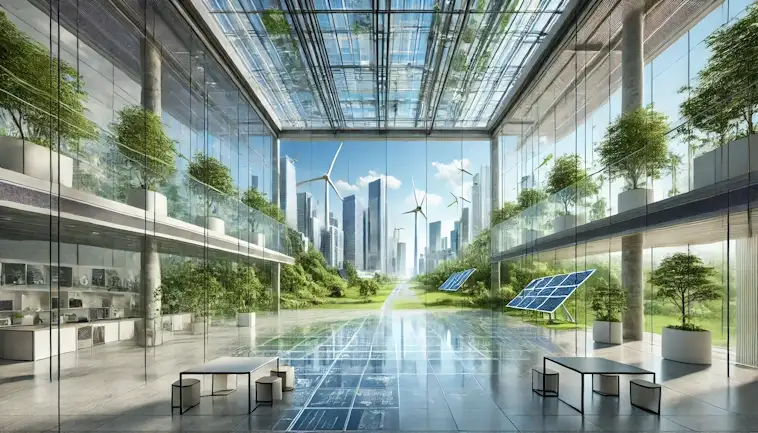
A Greener Future
When we talk about green technologies, we’re diving into a crucial tool in our battle against environmental challenges. These innovations represent a beacon of hope, showing us how we can tread more lightly on the Earth while still enjoying modern comforts and advancing our economies.
Sustainable Solutions
Green technologies cover a broad spectrum, from renewable energy sources like wind, solar, and hydro, to more efficient processes that reduce waste and pollution across manufacturing industries. These technologies are pivotal because they address the core of environmental issues—excessive reliance on finite resources and the harmful byproducts of our traditional energy consumption.
Economic and Social Benefits
- Job Creation: Investing in green tech often leads to job creation in new sectors, from the manufacturing of solar panels to large-scale renewable energy projects.
- Energy Security: Diversifying energy sources with renewables reduces dependence on imported fuels, which can fluctuate wildly in price and availability.
Health and Environmental Impact
- Cleaner Air and Water: By reducing reliance on fossil fuels, green technologies help decrease air and water pollution, directly benefiting public health.
- Biodiversity Preservation: Cleaner industrial processes and energy solutions contribute to less habitat destruction, helping preserve biodiversity.
Long-Term Sustainability
The beauty of green technologies lies in their potential to make long-term sustainability a reality. They’re not just about keeping our planet habitable; they’re about improving the quality of life for all its inhabitants, now and in the future. By investing and innovating in this area, we’re paving the way for a cleaner, more sustainable world. It’s a clear win-win for both the environment and human prosperity.
Solar Glass: Windows Powering Homes
Solar glass is one of those innovations that sounds like it’s straight out of a sci-fi novel. Imagine every window in your home or office not just letting in light but also harnessing it to power your space. That’s exactly what solar glass offers—a brilliant way to turn ordinary windows into energy-producing panels.
The Magic of Solar Glass
At its core, solar glass is designed to do double duty: allowing light to pass through while also converting sunlight into electricity. It’s made with a layer of organic photovoltaic cells (OPVs), which are transparent enough to keep windows looking clear and bright. These OPVs are the secret sauce, capturing solar energy without blocking the view or the daylight.
Why It’s a Game Changer
- Energy Efficiency: Buildings are huge energy consumers, and much of this consumption goes toward lighting and temperature control. With solar glass, buildings can generate their own power, significantly reducing their reliance on external power sources.
- Aesthetic and Practical Appeal: Unlike traditional solar panels, solar glass maintains the aesthetic of a glass pane, making it an attractive option for urban and residential buildings where appearance is key.
- Ease of Integration: Installing solar glass doesn’t require additional space or special structures; it integrates into existing building designs. It’s as simple as choosing a type of windowpane during construction or renovation.
As technology advances, the efficiency of solar glass is only expected to improve, making it a more compelling option for sustainable building practices. It’s a clear example of how innovative technology can seamlessly integrate into our daily lives, turning ordinary spaces into smart, energy-efficient environments. Truly, solar glass is helping to paint a greener, more empowered future—one window at a time.
Carbon Capture Technologies: The New Frontier
Carbon capture and storage (CCS) technologies are like the unsung heroes in our fight against climate change. These technologies have been making strides, and with each breakthrough, we’re getting better at pulling carbon dioxide out of the air and storing it safely away from the atmosphere.
Key Breakthroughs in CCS
- Enhanced Efficiency: Recent advances have significantly improved the efficiency of capturing CO₂. New materials and processes can now isolate carbon dioxide more effectively, even from sources where it’s highly diluted, like the air we breathe.
- Innovative Storage Solutions: It’s not just about capture; how we store CO₂ has also seen innovation. Techniques now include turning carbon into rock by injecting it into volcanic basalt formations where it mineralises quickly, ensuring it won’t escape back into the atmosphere.
- Cost Reductions: Historically, the high cost of CCS technologies has been a major barrier to their widespread adoption. However, thanks to better technology and economies of scale, the costs are coming down, making it a more viable option for more industries.
Broader Implications
These breakthroughs mean that CCS can play a bigger role in industries that are hard to decarbonise, such as cement and steel production. By integrating CCS, these industries can significantly reduce their environmental impact.
With each technological step forward, CCS is becoming a more essential tool in our environmental toolkit. While it’s not the sole solution to climate change, it’s certainly an important part of a larger mosaic of strategies aimed at reducing global emissions. The road ahead is promising, and as these technologies continue to evolve, they’ll help pave the way towards a more sustainable future.
Green Hydrogen: Fuel of the Future
Green hydrogen represents a fantastic leap forward in our quest for cleaner energy sources. It’s produced through the electrolysis of water—splitting water into hydrogen and oxygen using electricity generated from renewable sources like wind, solar, or hydro. This process is clean from start to finish, offering a versatile, zero-emission fuel.
The Magic of Green Hydrogen
- Zero Emissions: The most compelling aspect of green hydrogen is that its production releases no pollutants or greenhouse gases, only oxygen. It’s a clean break from traditional hydrogen production methods that rely on fossil fuels and emit significant CO₂.
- Versatility: Green hydrogen can be used in a variety of ways. It can power fuel cells in vehicles, replace natural gas in heating systems, or even act as a feedstock in industrial processes, replacing dirtier alternatives.
Scaling Up
Recent advancements are making green hydrogen more feasible on a large scale. Electrolysis technology is improving, becoming more efficient and less costly as research continues and as production scales up. Additionally, the increase in renewable energy capacity globally means there’s more available clean electricity to power electrolysis.
While green hydrogen is promising, there are challenges, like storage and transportation, that need innovative solutions. However, with growing investments and interest from governments and industries worldwide, these hurdles are quickly being addressed. Green hydrogen isn’t just a temporary trend—it’s shaping up to be a cornerstone of future energy systems, promising a cleaner, more sustainable world.
Algae Biofuel: A Sustainable Alternative
Algae biofuel is like the dark horse of renewable energy sources, quietly showing a lot of promise as a green alternative to traditional fossil fuels. It’s made from algae, those simple, often microscopic aquatic plants that are super-efficient at converting sunlight into energy.
The Potential of Algae Biofuel
- Efficient Growth: One of the coolest things about algae is that it grows incredibly fast and doesn’t need much to thrive—just sunlight, water, and carbon dioxide. This means it can be cultivated on non-arable land, avoiding competition with food crops, which is a significant issue with other biofuel sources like corn or sugarcane.
- High Oil Content: Certain types of algae are naturally oily, which is perfect for biofuel production. In fact, some species can produce an oil yield many times greater than the best producing oil crops. This makes algae a highly efficient source of biofuel.
Environmental Benefits
- Carbon Capture: Algae absorbs CO₂ as it grows, which can help reduce greenhouse gas levels in the atmosphere. This carbon capture capability is integrated into the biofuel production process, making it a double win for the environment.
- Biodegradability: Algae biofuel is biodegradable and less toxic to the environment compared to fossil fuels, reducing the risk of harmful spills.
Despite its potential, scaling up algae biofuel production to meet global demands presents challenges, including technological and economic hurdles. However, ongoing research and development are making strides in improving efficiency and reducing costs.
As we continue to innovate and seek sustainable energy solutions, algae biofuel stands out for its minimal environmental impact and great potential. It’s an exciting area of green technology that holds promise for a more sustainable and less oil-dependent future.
Smart Grids: Enhancing Energy Efficiency
Smart grids are like the brainiacs of the electricity distribution world. They use cutting-edge digital technology to make our power supply more efficient, reliable, and green. By integrating various technological tools, smart grids manage and respond to the electricity demands of communities in real-time, making them a key player in modern energy management.
What Makes Smart Grids Smart?
- Real-Time Data: Smart grids utilise real-time data to monitor energy flow and demand across the network. This means they can instantly adjust and distribute power where it’s needed most, helping to prevent outages and optimise energy use.
- Integration of Renewable Resources: One of the coolest features of smart grids is their ability to seamlessly integrate renewable energy sources, like solar and wind power. This flexibility helps increase the use of renewables and decreases reliance on fossil fuels.
Benefits of Smart Grids
- Efficiency Improvements: By having a more accurate real-time view and control over the power supply, smart grids reduce energy waste and increase overall efficiency.
- Enhanced Reliability: Smart grids can predict and instantly react to problems in the system, like overloads and faults, which means fewer power outages and a more consistent electricity supply.
- Consumer Empowerment: Smart meters and home management systems let consumers see their energy usage in real-time, promoting energy-saving behaviours and potentially lowering bills.
Implementing smart grids isn’t without challenges. It requires significant investment in infrastructure and technology, as well as adjustments to existing regulations. However, the benefits they offer for a sustainable, stable, and efficient energy future make them an exciting development in our quest to modernise energy systems. With continued innovation and support, smart grids are set to revolutionise how we use and manage electricity.
Harnessing the Power of the Seas
Ocean energy is tapping into the natural power of the seas and oceans—a vast, largely untapped source of clean energy. Innovations in harnessing this power, particularly through tidal and wave energy, are making waves (pun intended!) in the renewable energy landscape.
Harnessing the Power of the Waves and Tides
- Wave Energy: This comes from the motion of surface waves or from pressure fluctuations below the surface. Innovative devices like buoys, turbines, and oscillating water columns capture this energy and convert it into electricity. These systems are designed to be robust and efficient, capturing the immense energy potential of ocean waves.
- Tidal Energy: Generated from the natural rise and fall of ocean tides, tidal energy is incredibly predictable, which is a big plus for power management. Technologies like tidal barrages, underwater turbines, and dynamic tidal power (DTP) systems harness this movement to generate power.
Advantages and Challenges
- Reliability and Predictability: Unlike solar and wind, the patterns of tides and waves are highly predictable, which makes power generation schedules more reliable.
- Environmentally Friendly: These technologies produce no greenhouse gases and have a minimal environmental footprint compared to traditional power stations.
- Technical and Environmental Challenges: The marine environment is harsh and can be tough on equipment. Protecting marine life and ecosystems also presents challenges that require careful planning and innovative solutions.
With ongoing research and technological advances, the efficiency and cost-effectiveness of ocean energy systems are improving. As we continue to refine these technologies, the role of ocean energy in our global energy mix looks set to increase, offering a powerful and sustainable complement to other renewable sources. It’s an exciting frontier in our quest for clean energy, showing that sometimes, the best answers are right under our (surf)boards.
Solving the Plastic Pollution Crisis
Biodegradable plastics are stepping up as a bright spot in the quest to tackle the plastic pollution crisis. These materials are designed to break down naturally, returning to the environment without leaving harmful residues behind. It’s an innovative approach to one of our most persistent environmental challenges—how to enjoy the conveniences of plastics without the lasting environmental impact.
How Biodegradable Plastics Work
- Natural Decomposition: Unlike traditional plastics that can linger in the environment for centuries, biodegradable plastics are made from natural substances like corn starch, potato starch, or even algae. These materials break down with the help of microorganisms, water, and sunlight, decomposing into water, carbon dioxide, and biomass in a relatively short period.
- Reduced Environmental Impact: The ability to break down naturally means these plastics can help reduce landfill waste and the amount of plastic debris in our oceans and natural habitats.
Innovations and Applications
- Packaging Solutions: Many companies are turning to biodegradable plastics for packaging, from grocery bags to disposable cutlery, effectively reducing the amount of waste that ends up in landfills or as litter.
- Agricultural Uses: Biodegradable plastics are also making inroads in agriculture, used in products like plant pots and mulch films. These products break down in the soil, enriching it without the cleanup required for traditional plastic films.
While biodegradable plastics are a promising solution, they aren’t without challenges. Issues like the conditions required for proper breakdown and the production costs need addressing to fully realise their potential. Nonetheless, with ongoing research and technological improvements, biodegradable plastics are becoming more practical and affordable, offering hope for a sustainable, less polluted future.
Conclusion
As we look at the exciting advancements across green technology, it’s clear that our approach to energy, manufacturing, and everyday living is transforming rapidly. Innovations in solar glass, carbon capture, green hydrogen, and ocean energy, alongside the development of biodegradable plastics, are not just scientific achievements—they’re beacons of hope. These technologies provide us with powerful tools to reduce our environmental footprint and move towards a more sustainable and efficient future.
Each step forward in green technology brings us closer to balancing human needs with the health of our planet, ensuring that we can protect our natural world for generations to come. As we continue to innovate and implement these technologies, the message is clear: a greener, cleaner world isn’t just possible; it’s on the horizon.