

How Single-Use Plastics Are Changing Our World
Why Single-Use Plastics Are Hurting Our Future
Single-use plastics are everywhere. From water bottles to shopping bags, they’ve become a convenience many of us rely on daily. But this convenience comes at a growing cost. These plastics are filling our landfills, polluting oceans, and harming wildlife. They’re also contributing to the climate crisis by releasing greenhouse gases throughout their lifecycle. The impact doesn’t stop there—microplastics are finding their way into our food, water, and even the air we breathe. Understanding how single-use plastics affect the planet and our health is the first step toward creating a cleaner, safer future.

How Single-Use Plastics Pollute Our Planet
Single-use plastics are everywhere—shopping bags, water bottles, straws, and food wrappers. They’re convenient, but they’re also one of the biggest threats to our environment. Every year, millions of tons of these plastics end up in landfills, rivers, and oceans. Unlike organic waste, plastic doesn’t decompose. Instead, it breaks into tiny pieces called microplastics that linger for centuries, harming ecosystems and even entering our food chain.
Why These Plastics Don’t Disappear
Plastics are made from fossil fuels, which means they’re designed to be durable. That durability is exactly what makes them so destructive. A single plastic bag can take hundreds of years to break down. As it slowly degrades, it releases toxic chemicals into the soil and water. These chemicals can harm plants, animals, and even human health. When plastics end up in the ocean, sea turtles, fish, and seabirds often mistake them for food, leading to deadly blockages or poisoning.
The Global Ripple Effect
The pollution caused by single-use plastics doesn’t just harm local environments. It travels across borders. Ocean currents carry plastic debris thousands of miles, impacting marine life worldwide. These plastics also contribute to climate change. Producing them requires large amounts of oil and gas, while their breakdown emits greenhouse gases. The result? A cycle of pollution that accelerates global warming and puts pressure on already fragile ecosystems.
Reducing single-use plastics is one of the most effective ways to protect our planet. Choosing reusable bags, bottles, and containers can dramatically cut waste. Supporting businesses that use eco-friendly packaging also sends a strong message. Each small choice adds up, helping to slow pollution and safeguard the environment for future generations.
The Hidden Health Risks of Single-Use Plastics
Most people know single-use plastics harm the planet. What’s less talked about is how they can harm our health. From the moment they’re made to when they’re thrown away, these plastics release chemicals that can make their way into our bodies. Over time, this exposure can lead to serious health issues that many don’t even realize are connected to everyday items like water bottles, food packaging, and plastic utensils.
Toxic Chemicals in Everyday Items
Many single-use plastics contain harmful substances like BPA, phthalates, and other endocrine disruptors. These chemicals can leach into food and drinks, especially when containers are heated or exposed to sunlight. Once inside the body, they can interfere with hormones, impact reproductive health, and even increase the risk of certain cancers. Even items labeled as “BPA-free” can contain similar substitutes that may be just as dangerous.
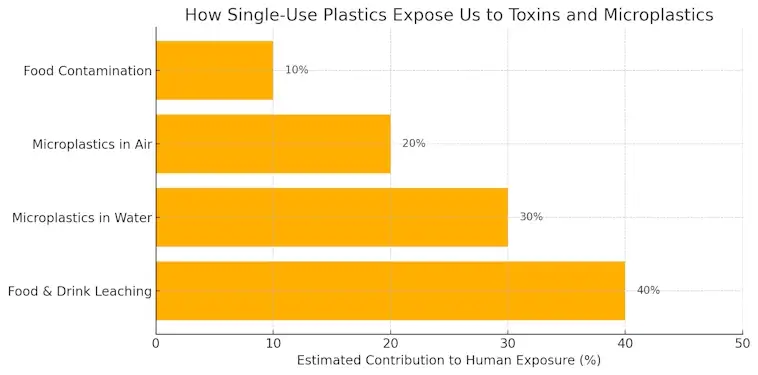
How Plastics Sneak Into Our Bodies
Microplastics, tiny fragments that form as plastics break down, are now found in water, air, and even the food we eat. Scientists have detected microplastics in human blood, lungs, and digestive systems. While research is ongoing, early studies suggest these particles may trigger inflammation and carry toxic chemicals, raising concerns about long-term effects on organs and overall health.
Limiting single-use plastics isn’t just about protecting the environment—it’s about protecting ourselves. Opting for glass or stainless steel containers, avoiding microwaving food in plastic, and choosing fresh over packaged foods can reduce exposure. Each step helps cut the risks, while also contributing to a cleaner, healthier planet for everyone.
Why Single-Use Plastics Are Fueling the Climate Crisis
When most people think about climate change, they picture smoke from factories or car exhaust. But single-use plastics are also major contributors to the climate crisis. From their production to their disposal, plastics release greenhouse gases at nearly every stage. These emissions are often overlooked, yet they play a big role in warming our planet.
The Carbon Cost of Plastic Production
Most plastics are made from oil and natural gas, two fossil fuels that drive climate change. Extracting, refining, and transporting these fuels uses massive amounts of energy. Manufacturing plastic products adds another layer of carbon pollution. According to researchers, if plastic production continues at current rates, it could account for 15% of global greenhouse gas emissions by 2050. That’s almost as much as the entire transportation sector today.
What Happens After We Throw It Away
The climate impact doesn’t stop once we’re done using plastic. Much of it ends up in landfills or is burned. In landfills, plastics slowly break down and release methane, a greenhouse gas far more potent than carbon dioxide. When burned, plastics release carbon and other toxic chemicals directly into the atmosphere. Even recycling has a carbon cost, as the process requires energy and often relies on fossil fuels.
Cutting down on single-use plastics is a simple way to reduce emissions. Choosing reusable alternatives and supporting policies that limit plastic production can make a significant difference. Every bag, bottle, or wrapper avoided helps reduce the carbon footprint tied to this growing crisis. By rethinking our relationship with plastic, we can take meaningful steps toward slowing climate change and protecting our planet for future generations.
The Economic Cost of Relying on Single-Use Plastics
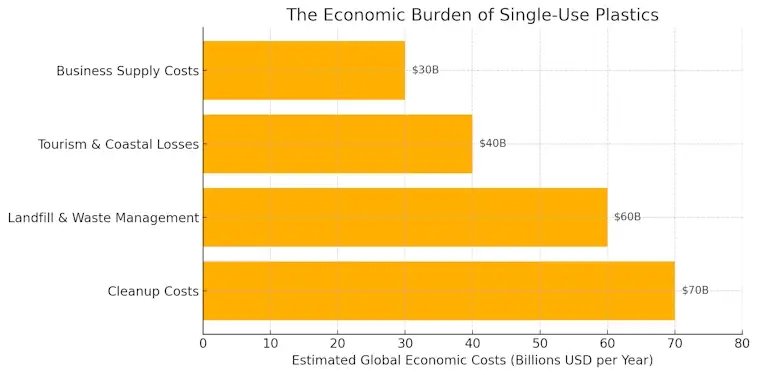
Single-use plastics may seem cheap and convenient, but their true cost is far higher than most people realize. Governments, businesses, and taxpayers are left footing the bill for the pollution, waste management, and environmental damage these plastics create. When you add it up, the global economic burden runs into hundreds of billions of dollars each year.
The Hidden Costs of Cleanup and Waste
Communities worldwide spend enormous sums cleaning up plastic litter from streets, rivers, and coastlines. Municipal waste systems also face growing expenses as landfills overflow with disposable plastic packaging and products. According to environmental groups, managing plastic waste costs governments tens of billions annually, much of which comes from taxpayer money. These funds could otherwise support schools, infrastructure, or renewable energy projects.
The Impact on Businesses and Tourism
Plastic pollution doesn’t just affect the environment—it hurts economies too. Coastal tourism, fishing industries, and shipping businesses often face losses when beaches and waterways are littered with debris. Clean, attractive destinations bring in visitors and revenue, while polluted areas can drive tourists away and damage local economies. Meanwhile, businesses pay higher costs for plastic packaging as oil prices fluctuate, making these materials less stable and predictable than sustainable alternatives.
By reducing reliance on single-use plastics, governments and companies can save money in the long term. Investing in reusable products, circular economy solutions, and biodegradable materials can cut waste management costs while creating new jobs and industries. The shift may seem costly upfront, but the long-term savings and economic growth can outweigh the expenses. Rethinking plastics isn’t just good for the planet—it’s smart for our wallets, too.
How We Can Break Free from Single-Use Plastics
Breaking free from single-use plastics isn’t just possible—it’s essential. While the problem feels overwhelming, real solutions exist, and they start with small, consistent changes. By rethinking how we shop, eat, and consume, we can dramatically cut down on the plastic that ends up in landfills and oceans each year.
Simple Swaps for Everyday Life
Replacing single-use plastics with reusable alternatives is one of the easiest ways to make a difference. Bringing a stainless steel water bottle, a cloth shopping bag, or reusable utensils can prevent hundreds of disposable items from being thrown away each year. Choosing products packaged in glass, metal, or paper also helps cut plastic waste. Even small shifts, like buying in bulk to avoid extra packaging, can add up over time.
The Power of Community and Policy
Individual action matters, but larger change comes when communities and governments step in. Supporting businesses that use sustainable packaging, joining local clean-up efforts, or voting for plastic reduction policies can amplify impact. Cities around the world have already seen success by banning plastic bags, straws, and Styrofoam containers. These efforts not only reduce waste but also encourage innovation, creating demand for biodegradable and reusable products.
The path to a plastic-free future won’t happen overnight, but it’s achievable. Every choice we make—whether it’s bringing our own cup to a café or supporting companies that prioritize sustainability—brings us closer. When individuals, businesses, and governments work together, we can dramatically reduce the impact of plastic pollution and protect our planet for generations to come.
The Path Toward a Future Without Single-Use Plastics
Single-use plastics may feel convenient, but their impact on our planet, our health, and our economy is far from convenient. From polluting oceans and fueling climate change to driving up costs for communities and threatening wildlife, these disposable items are leaving a lasting mark on our future.
The good news is that change is possible. By choosing reusable alternatives, supporting businesses that use sustainable materials, and advocating for stronger policies, we can cut plastic waste at its source. Each decision—big or small—helps reduce pollution and protect the resources future generations will depend on.
Breaking free from single-use plastics is not just about protecting the environment. It’s about creating healthier communities, stronger economies, and a more sustainable way of life. Together, we can shift away from a throwaway culture and build a future where people and the planet can thrive.