

Blistering Heat Is Becoming the New Normal Worldwide
Blistering Heat: Why Extreme Temperatures Are Becoming the New Normal
Blistering heat is no longer rare. It is becoming a defining feature of life across the globe. From North America to Europe and Asia, record temperatures are lasting longer and arriving earlier each year. What once felt extreme now feels expected. Blistering heat is reshaping weather patterns, straining power grids, and testing how cities and communities cope with rising temperatures.
At the same time, scientists warn that the trend is accelerating. Heatwaves are more frequent. Nights are staying warmer. Droughts are deepening. As a result, the risks to health, food supplies, and infrastructure are growing. For many regions, the hottest summers on record are quickly becoming the new baseline.
This shift matters for everyone. Families face higher energy bills. Outdoor workers confront greater health risks. Farmers deal with stressed crops and shrinking yields. Meanwhile, urban areas trap heat, making daily life harder for millions of people.
Looking ahead, the challenge is clear. The world must adapt to a hotter climate while also reducing the emissions driving these extremes. And the choices made today will shape how severe blistering heat becomes in the decades to come.
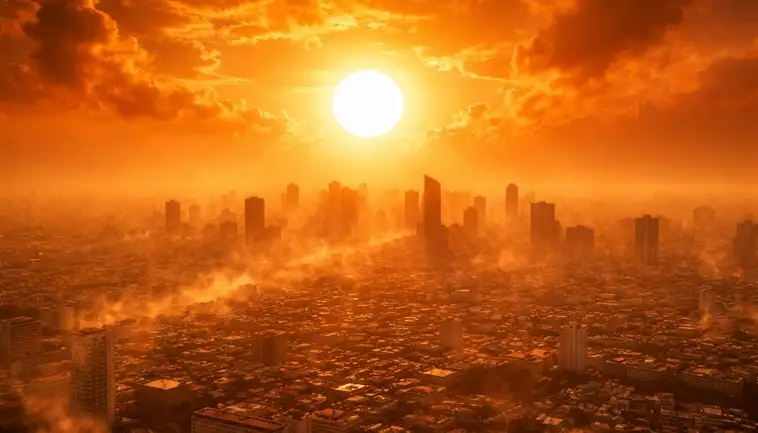
Blistering Heat Is Breaking Records Across Continents
Across the world, temperatures are rising fast. In many places, the heat is not just uncomfortable. It is historic. Cities, towns, and rural areas are seeing numbers on thermometers that were once thought unlikely.
This blistering heat is now breaking records across several continents. From North America to Europe and parts of Asia, new temperature highs are being set again and again. Summers are starting earlier. Heatwaves are lasting longer. And the impact is being felt by millions of people.
At the same time, scientists say these extreme conditions are becoming more common. What once happened every few decades may now appear every few years. That shift is changing how communities prepare for the hottest months of the year.
So, what is behind this surge in blistering heat? And why are records falling so quickly?
Why Temperature Records Are Falling So Quickly
There are a few key reasons why blistering heat is now breaking records across continents.
First, global temperatures are rising. As the planet warms, the baseline for heat increases. That means heatwaves start from a higher point. As a result, new extremes become easier to reach.
Second, some regions are warming faster than others. For example, parts of Europe and the Arctic are heating up more quickly than the global average. This creates stronger and more frequent hot spells during the summer months.
Third, weather patterns can trap heat in certain areas. High-pressure systems often sit over a region for days or even weeks. These systems act like a lid. They prevent cooler air from moving in and allow temperatures to climb higher each day.
The effects are already visible. Roads buckle. Power grids struggle under high demand. Crops dry out faster. And vulnerable communities face serious health risks.
To explore the global temperature trends in more detail, the NASA Global Climate Change temperature data provides clear charts and long-term records.
Looking ahead, experts warn that blistering heat may become a defining feature of future summers. However, awareness is growing. Cities are testing new cooling strategies. Green spaces are expanding. And early warning systems are improving.
In short, the story of blistering heat is still unfolding. Yet one thing is already clear. The temperature records being broken today may not stand for long.
Why Global Temperatures Keep Climbing Each Year
Global temperatures have been rising for decades. And each year seems to bring a new record. In many regions, summers feel hotter and heatwaves last longer. So naturally, many people ask the same question. Why do global temperatures keep climbing each year?
The main reason is the growing amount of heat-trapping gases in the atmosphere. When fuels like coal, oil, and gas are burned, they release carbon dioxide. This gas acts like a blanket around the planet. It traps heat that would normally escape into space.
Over time, that extra heat builds up. As a result, the Earth’s average temperature slowly increases. Even a small rise can make extreme heat more likely.
At the same time, forests are being cleared and oceans are warming. These changes reduce the planet’s ability to absorb carbon dioxide. Because of this, more heat stays in the atmosphere.
The chart below shows how global temperatures have steadily increased over recent decades. Each bar represents the average rise compared with the 20th-century baseline.
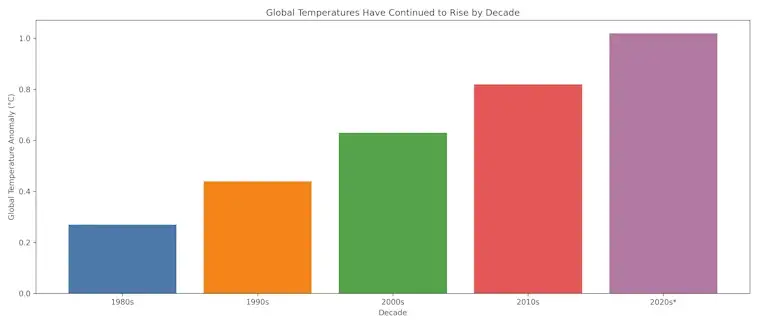
Looking ahead, the direction is clear. If emissions stay high, temperatures will likely keep rising. However, cleaner energy and smarter land use could slow the trend in the years to come.
How Blistering Heat Is Reshaping Daily Life and Cities
Blistering heat is no longer a rare summer problem. In many places, it has become part of daily life. Hotter days are lasting longer. Nights are staying warm. As a result, people, homes, and entire cities are being pushed to adapt faster than ever before.
For many families, the effects of blistering heat show up in small but important ways. Morning routines start earlier to avoid the hottest hours. Outdoor activities shift to the evening. Even simple tasks, like commuting or shopping, now require more planning.
At the same time, cities are feeling the pressure. Roads can soften. Rail lines can warp. Power systems face higher demand as air conditioning use rises. Because of this, local leaders and planners are rethinking how urban areas are built and managed.
Scientists say the trend is clear. Heat waves are becoming more frequent and more intense. According to the World Meteorological Organization, global temperatures continue to rise as climate patterns shift.
However, the story is not only about challenges. Many cities are starting to respond in creative ways. New designs, smarter infrastructure, and better planning can help communities stay safer during periods of blistering heat.
Here are several ways blistering heat is already reshaping daily life and modern cities:
- Shifting work hours so people avoid the hottest part of the day
- Expanding green spaces like parks and tree-lined streets to cool urban areas
- Using reflective materials on roofs and roads to reduce heat absorption
- Improving building design with better insulation and ventilation
- Creating public cooling centers where residents can escape extreme temperatures
- Investing in heat-resilient infrastructure that can handle higher temperatures
Looking ahead, adaptation will become even more important. Cities that plan early will be better prepared. Meanwhile, individuals can also make small changes to stay safe and comfortable.
Blistering heat may be reshaping how we live. Yet with thoughtful planning and smart solutions, communities can learn to live with rising temperatures while protecting health, infrastructure, and everyday life.
The Economic and Health Costs of Extreme Heat
Extreme heat is more than just uncomfortable weather. It is becoming a serious economic and public health challenge. As temperatures rise across many regions, the impacts are showing up in hospitals, workplaces, and city budgets.
For many people, extreme heat can quickly turn dangerous. Long periods of high temperatures increase the risk of heat exhaustion and heatstroke. Older adults, children, and outdoor workers are often the most vulnerable. As a result, hospitals often see a sharp rise in heat-related illnesses during heat waves.
However, the effects do not stop there. Extreme heat also places heavy pressure on local economies. Businesses can lose productivity when workers need more breaks or when outdoor work becomes unsafe. At the same time, energy demand rises as millions of air conditioners run at full power.
Cities must also deal with damage to roads, railways, and other infrastructure. In some cases, extreme heat can even reduce crop yields, which affects food supply and prices.
To better understand these pressures, the chart below highlights several major economic and health impacts linked to extreme heat.
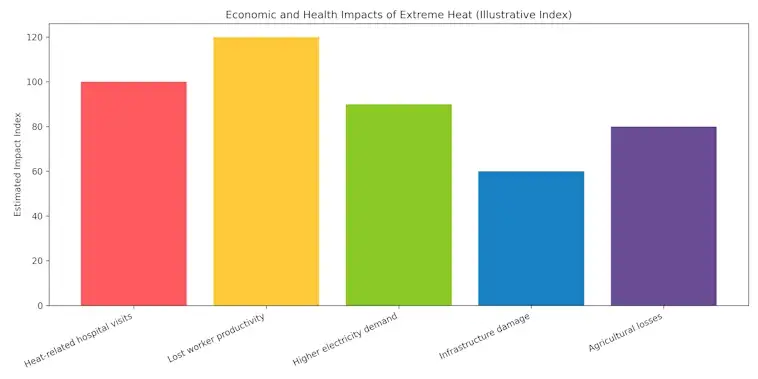
Taken together, these costs are growing each year. Yet there is also a clear path forward. Cities can invest in cooling strategies, stronger infrastructure, and better public health planning. Businesses can adjust work schedules and improve workplace safety.
Extreme heat will likely remain a challenge in the years ahead. Still, with smart planning and early action, communities can reduce both the financial burden and the health risks that come with a hotter world.
What the Future Holds in a Warming World
The climate is changing. And the pace is faster than many people expected.
Across the world, seasons are shifting. Summers are getting hotter. Rainfall patterns are becoming less predictable. Meanwhile, storms are growing stronger in many regions. For many people, these changes already affect daily life.
Yet the future is not only about risk. It is also about adaptation, innovation, and new ways of living with a changing planet.
Scientists agree that the choices we make in the next few decades will shape the world for generations. Cleaner energy, smarter cities, and better planning can all reduce the worst outcomes. At the same time, communities will need to adjust to conditions that are already unfolding.
So what might the coming decades look like?
First, heat will likely become one of the most visible changes. Many regions are expected to experience longer heatwaves. Nighttime temperatures may also stay higher, which makes it harder for people and ecosystems to recover from extreme heat during the day.
Cities may feel this the most. Concrete and asphalt trap warmth. As a result, urban areas often become several degrees hotter than nearby rural areas. In response, many cities are adding more trees, green roofs, and reflective building materials. These changes help cool streets and improve air quality.
Preparing for Blistering Heat in the Decades Ahead
One challenge that will shape the future is blistering heat. In some regions, extreme temperatures that once occurred only occasionally may become far more common.
This shift affects more than comfort. It also touches health, agriculture, and infrastructure.
For example, heat can strain power grids as demand for cooling rises. Crops may struggle if temperatures exceed certain thresholds. Even roads and rail lines can warp during intense heatwaves.
However, new ideas are emerging quickly.
Farmers are experimenting with heat-resistant crops. Architects are designing buildings that stay cooler naturally. At the same time, early warning systems now help communities prepare for dangerous heat before it arrives.
Technology will also play a major role. Satellite data, climate models, and artificial intelligence are improving our ability to predict extreme conditions. With better forecasts, cities can prepare cooling centers, hospitals can plan ahead, and emergency services can respond faster.
If you want to explore how scientists study these changes, the Intergovernmental Panel on Climate Change offers one of the most reliable sources of climate research and projections.
Looking ahead, the future will likely bring both challenges and opportunities. The climate will continue to change. Yet human creativity is powerful.
The key question is not only how warm the world becomes. It is also how prepared we are to face it.
Conclusion: The World Must Adapt to a Future of Blistering Heat
Blistering heat is no longer a rare event. It is quickly becoming part of everyday life in many parts of the world.
Year after year, temperature records continue to fall. Heatwaves are lasting longer. Nights are staying warmer. As a result, people, cities, and ecosystems are all feeling the pressure.
However, this moment also brings a clear choice.
Governments, businesses, and communities can act now to prepare for a hotter future. Cities can add more green spaces and cooling infrastructure. Buildings can be designed to stay cooler naturally. Energy systems can become cleaner and more resilient. These steps can make a real difference.
At the same time, individuals also have a role to play. Simple changes, such as using energy wisely, supporting climate-friendly policies, and staying informed, can help drive wider change.
Looking ahead, blistering heat will likely remain a major challenge. Yet it does not have to define our future. With smart planning and global cooperation, societies can adapt and protect the most vulnerable.
The warming world is already here. The next step is learning how to live in it more safely, wisely, and sustainably.