

Blazing Heat: How Our Cities Became Urban Ovens
From Concrete Jungles to Heat Islands: The Hidden Cost of Blazing Heat
Blazing heat is no longer a rare summer headline — it’s becoming the new reality for millions living in cities. Streets shimmer, air conditioners strain, and nighttime temperatures refuse to drop. What once felt like a passing heatwave now lingers, transforming urban life in subtle but powerful ways.
As concrete, glass, and asphalt dominate our skylines, cities are trapping more warmth than nature ever intended. Trees that once offered shade are replaced by reflective surfaces, while traffic and industry add their own layers of warmth. It’s a perfect storm of modern living colliding with a warming planet.
Yet amid the swelter, there’s growing awareness and innovation. From green roofs to reflective pavements, urban planners and residents are rethinking how cities can stay livable under rising temperatures. The question isn’t just how hot it will get — but how we can cool things down before city life becomes unbearable.
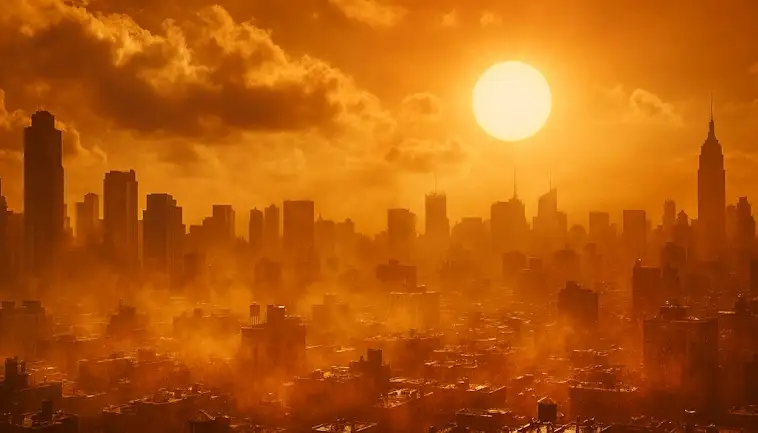
Blazing Heat and the Rise of Urban Ovens: Why Our Cities Are Getting Hotter
Have you noticed how summer heat feels different in the city? It’s not your imagination. Urban areas are turning into “heat islands,” trapping warmth long after the sun sets. Streets shimmer, buildings radiate, and the air feels heavy. This isn’t just uncomfortable—it’s dangerous, and it’s getting worse.
Cities are warming faster than surrounding rural areas. Why? Because concrete, asphalt, and glass soak up heat during the day and release it slowly at night. Trees and green spaces, which normally help cool things down, are disappearing under waves of development. The result? Temperatures in some neighborhoods can be several degrees higher than nearby countryside.
The Hidden Heat Traps in Everyday Life
Think about your daily routine. The dark roofs above, the parked cars below, and even the air conditioners humming around you—all play a role in heating your surroundings. Cars emit exhaust, air conditioners push hot air outside, and road surfaces absorb the sun’s energy like a sponge. Every small heat source adds up, turning bustling city blocks into modern-day ovens.
Scientists call this the urban heat island effect, and it’s more than just a hot-weather hassle. It strains energy grids, worsens air quality, and increases health risks, especially for older adults and low-income communities. In extreme cases, it can even make cities nearly unbearable during heatwaves.
So, what can be done? Some cities are fighting back with rooftop gardens, reflective pavements, and “cool roofs” that bounce sunlight away. More trees are being planted, too—a simple but powerful way to restore natural shade.
The truth is, urban heat isn’t going away on its own. But with smarter city planning, greener designs, and a collective push for sustainability, we can stop our cities from becoming unlivable hot zones. The next time you step outside on a blazing day, remember—the heat isn’t just the weather. It’s a reflection of how we’ve built our world.
The Hidden Science Behind City Heat: What’s Really Fueling the Temperature Spike
Ever walked through a city on a hot summer day and felt like the pavement itself was glowing? You’re not imagining it. Cities are heating up faster than the countryside, and it’s not just because of the weather. It’s the way we’ve built our urban spaces.
Modern cities trap and create heat in surprising ways. Asphalt and concrete soak up sunlight all day and release it slowly at night. Cars, buses, and factories constantly pump out heat and exhaust. Even the air conditioners we rely on to stay cool push hot air back into the streets.
What’s more, the lack of trees and parks means there’s less shade and fewer plants to absorb heat. Dense buildings block airflow, trapping warm air at street level. Together, these factors can make city temperatures 5–10°C higher than nearby rural areas.
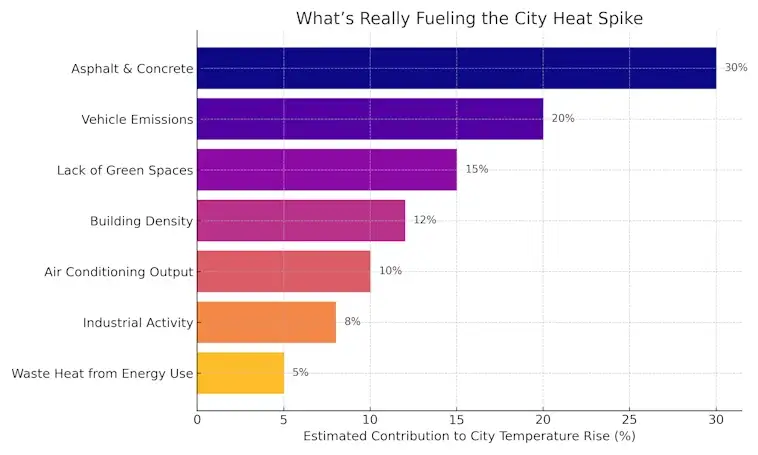
This extra heat doesn’t just make us uncomfortable—it raises energy use, worsens air pollution, and can even impact health. But understanding what’s behind the spike is the first step to cooling our cities down. The chart below breaks down what’s really driving the temperature rise.
Surviving Blazing Heat: How Communities Are Adapting to Sweltering Streets
The world is heating up fast. Summers are no longer just “hot”—they’re blazing heat kind of hot. Streets shimmer. Parks feel like ovens. And for millions of people, simply stepping outside can be dangerous. But here’s the good news: communities around the world are fighting back in creative and inspiring ways.
Across cities and towns, people are learning how to live, work, and even thrive despite rising temperatures. From small local actions to big city projects, these efforts show what’s possible when people come together to beat the heat.
Here’s how communities are adapting to the blazing heat:
- Planting more trees and green roofs: Shade is nature’s best air conditioner. Urban tree canopies and rooftop gardens cool neighborhoods and clean the air.
- Creating “cool corridors”: Some cities are painting streets with reflective coatings to lower surface temperatures and make walking safer and more comfortable.
- Opening cooling centers: Local governments and community centers are providing air-conditioned spaces where people can rest, rehydrate, and escape extreme heat.
- Investing in public water stations: Easy access to cold, clean water keeps people hydrated and reduces the risk of heat exhaustion.
- Designing heat-resilient buildings: Architects are rethinking materials and layouts to keep homes cooler without relying on energy-hungry air conditioners.
- Building community awareness: From text alerts to neighborhood volunteers, communities are spreading the word about staying safe during heatwaves.
These changes may seem small on their own, but together, they’re reshaping how we live in a warming world.
The lesson? Surviving blazing heat isn’t just about enduring it—it’s about adapting smarter, faster, and together. The future belongs to the communities that stay cool, connected, and prepared.
Cooling the Concrete Jungle: The Power of Trees, Parks, and Reflective Design
Cities are heating up faster than almost anywhere else on Earth. Asphalt, concrete, and glass trap heat, turning urban spaces into giant ovens. But there’s hope — and it’s growing right above us.
Urban trees, parks, and reflective design are transforming our cities into cooler, more livable places. Each element plays its part. Tree canopies shade streets, lowering surface temperatures by several degrees. Parks and green roofs absorb sunlight instead of bouncing it back into the air. And reflective roofs or pavements push heat away rather than locking it in.
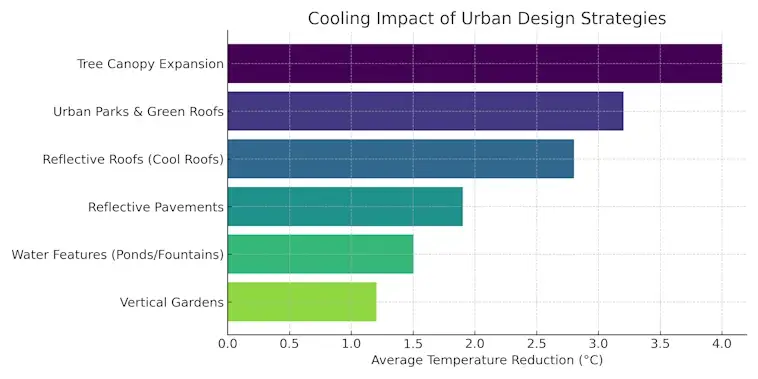
When cities mix these strategies, the results can be stunning — cooler air, cleaner environments, and happier, healthier residents. It’s a simple truth: a greener city is a cooler city.
The Future of Urban Living: Can Innovation Help Us Escape the Heat Trap?
Cities are getting hotter. It’s not just you imagining it — urban areas are literally trapping heat. The concrete, glass, and asphalt that make up our cityscapes absorb and hold warmth, turning once-pleasant streets into sweltering corridors. But as the mercury rises, so does our creativity. Around the world, innovators are rethinking how cities can adapt to — and even cool down — in the face of climate change.
The question is, can we design our way out of the heat trap?
The good news is, many experts believe we can. From reflective building materials to “green roofs” that double as gardens, cities are experimenting with solutions that make a real difference. Some are even creating entire “cool zones” filled with trees, shade structures, and misting systems to bring relief on the hottest days.
Fighting the Blazing Heat with Smart Design
Let’s be honest — the blazing heat isn’t going anywhere soon. But the way we plan and build our cities can change how it affects us. Think about light-colored pavements that reflect sunlight instead of absorbing it. Or vertical gardens that not only look beautiful but also help lower surrounding temperatures. Then there are innovations like heat-resistant road materials and buildings that use AI to manage indoor temperatures more efficiently.
What’s exciting is that these aren’t just ideas on paper. Cities like Singapore, Los Angeles, and Copenhagen are already putting them to the test — and seeing measurable cooling effects.
The future of urban living will depend on how quickly we embrace these kinds of innovations. It’s not just about surviving the heat; it’s about creating cities that thrive in spite of it. If we get it right, our cities could become cooler, greener, and far more livable than ever before.
Turning Down the Blazing Heat: What We Can Do Next
As our cities continue to trap and amplify blazing heat, it’s clear that this isn’t just a passing summer problem—it’s a growing crisis. Urban areas are becoming hotter, denser, and more dangerous with every degree that ticks upward. But here’s the good news: we’re not powerless. From planting trees and creating green roofs to rethinking how we build and move, small changes can cool our neighborhoods and protect our health.
Now is the time to act. Start by learning how your community is responding to rising temperatures—and add your voice to the conversation. Share this article to spread awareness, support local cooling initiatives, and help others understand the real impact of blazing heat. Together, we can turn our urban ovens back into livable, thriving spaces.