

Beyond the Bin: The Revolutionary Impact of Waste Recycling Programs
Recycling goes far beyond just tossing plastics and papers into a bin. It’s about transforming our approach to waste and making a significant, positive impact on our environment. Through innovative waste recycling programs, communities and companies worldwide are discovering new methods to reduce, reuse, and rethink the way we handle our resources. These initiatives preserve not only natural habitats and conserve raw materials but also promote sustainable practices that lead to healthier, cleaner living spaces. Let’s take a closer look at the revolutionary changes these programs are bringing to our daily lives and the planet.
Beyond the Bin: The Revolutionary Impact of Waste Recycling Programs
What You’ll Discover
What is Waste Recycling?
Historical Evolution of Recycling Programs
Current State of Global Recycling Efforts
Economic Impacts of Recycling
Environmental Benefits of Recycling
Social and Cultural Dimensions of Recycling
Challenges and Limitations of Recycling Programs
Innovations and Possibilities of Future Recycling
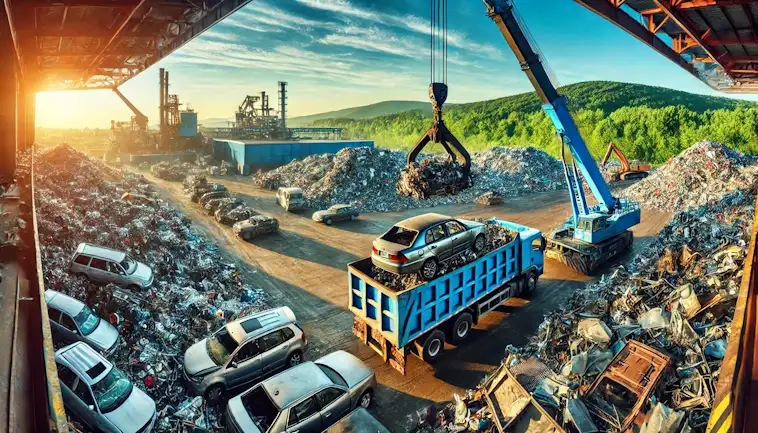
What is Waste Recycling?
Recycling involves collecting and processing materials that you might think of as trash and turning them into new products. It’s a key concept in sustainable living because it reduces the amount of waste sent to landfills, conserves natural resources, and saves energy.
Basic Concepts of Recycling
- Collection and Sorting: This is the first step in the recycling process. Materials like paper, plastics, glass, and metals are collected from homes, businesses, and recycling centres. Once collected, these materials are sorted either by machines or by hand into different categories to prepare for processing.
- Processing: After sorting, the materials are cleaned and processed into raw materials. For example, paper is pulped, and plastics are shredded into small chips. This transformation is crucial because it turns old products into a form that can be used to manufacture new products.
- Manufacturing: These processed raw materials are then transported to manufacturers who use them to produce new items. The beauty of recycling is that these materials can become a wide variety of products, from new beverage cans to clothing and even outdoor furniture.
- Purchasing Recycled Products: The cycle is completed when consumers buy products made from recycled materials. By choosing these products, consumers support the recycling industry and help close the recycling loop.
This cycle not only conserves resources and reduces greenhouse gas emissions but also supports economic development by creating jobs in the recycling and manufacturing industries.
Historical Evolution of Recycling Programs
Recycling isn’t a new concept, but the way we approach it has evolved quite a bit over time. From its modest beginnings to the sophisticated programs we see today, the recycling journey reflects our growing understanding of sustainability and environmental preservation.
Humble Beginnings
The roots of recycling can be traced back to times when resources were scarce. People have been melting down metals like bronze and iron to make new tools and weapons for centuries. During the World Wars, recycling was driven by necessity; materials like metal, rubber, and paper were collected to support war efforts. Households were encouraged to conserve resources, and recycling became a patriotic duty.
Post-War Developments
After the wars, the economic boom led to increased consumption and waste. By the 1970s, the environmental movement gained momentum, spotlighting the limits of natural resources and the impacts of pollution. The first Earth Day in 1970 was a pivotal moment, raising awareness and placing recycling at the forefront of environmental action.
Modern Recycling Programs
From the 1980s onward, the introduction of the blue bin programs made recycling more accessible. Cities began to adopt curbside recycling, allowing residents to dispose of recyclables more conveniently. Advances in technology improved sorting and processing methods, making recycling more efficient and less costly.
Present Day
Today, recycling is an integral part of global efforts to reduce environmental impact. Sophisticated technologies, like single-stream recycling, where all recyclables are collected in one bin and sorted at facilities, have made the process even more user-friendly. Awareness campaigns and educational programs continue to emphasise the importance of recycling, driving participation and innovation.
As we look towards the future, recycling remains a key component in our journey towards a sustainable planet, adapting and growing with our changing needs and technologies.
Current State of Global Recycling Efforts
Recycling around the world today shows a colourful tapestry of approaches and efficiencies. Countries vary widely in their recycling systems, reflecting differences in policy, technology, cultural attitudes, and economic factors.
High Achievers
Germany leads the pack, boasting one of the most efficient recycling systems globally. With a rigorous sorting system and a strong public commitment to sustainability, Germany recycles about 66% of its waste. South Korea isn’t far behind, with a strict food waste recycling regime and high overall recycling rates due to comprehensive policies and tech-driven collection services.
The Challengers
The United States has a more decentralised approach, leading to varied success. Recycling rates hover around 34%, partly due to differing regulations and infrastructure from state to state. Public participation also varies significantly, influenced by local education and facilities.
Room for Improvement
On the other side of the spectrum, countries like Greece and Turkey struggle with lower recycling rates, often due to less developed waste management infrastructure and fewer regulations enforcing recycling practices. However, these countries are starting to invest more in recycling as part of broader environmental strategy shifts.
Innovators
Then there are the innovators like Sweden, which imports waste to recycle and convert into energy, reflecting an impressive commitment to not just recycling but also reducing landfill use and generating energy from waste.
Overall, the global landscape of recycling shows that while many countries have made significant strides, there is still a vast range of effectiveness. Key factors that drive successful recycling initiatives include strong governmental policies, technological advancements in waste processing, and a committed public. As countries continue to learn from each other, the hope is that global recycling efforts will become more unified and effective.
Economic Impacts of Recycling
Recycling programs weave a complex web of impacts on economies, balancing upfront costs against long-term economic benefits. This interplay can reveal much about the sustainability and financial health of a community or nation.
Costs of Recycling Programs
Starting a recycling program involves initial and ongoing expenses. These include the cost of collection bins, trucks, and sorting facilities, plus the salaries of workers who manage these processes. Moreover, the price tag can escalate with the need for advanced technology to efficiently sort and process recyclables. In regions with lower landfill fees, the financial benefits of recycling might not immediately outweigh these costs, which can discourage investment in more robust recycling initiatives.
Economic Benefits of Recycling
However, looking beyond the immediate costs, recycling offers significant economic advantages. For starters, it creates jobs. According to some estimates, recycling and reuse activities in the U.S. account for over 750,000 jobs and produce tens of billions of dollars in wages annually. These jobs span various levels of skill and expertise, from manual collection and sorting to high-tech engineering positions in processing facilities.
Recycling also contributes to a more sustainable economy by fostering a circular economy, where materials are reused and repurposed rather than discarded. This not only conserves resources but also reduces the reliance on raw material extraction, which can be economically and environmentally costly.
Long-Term Perspective
In the bigger picture, recycling can stimulate local economies by creating supply chains and markets for recycled materials. It encourages innovation in developing new products and packaging solutions that are easier to recycle, thus driving further economic activity.
While the upfront costs of recycling can be daunting, the long-term economic benefits—job creation, resource conservation, and innovation—paint a compelling picture for its continued expansion and support.
Environmental Benefits of Recycling
Recycling does a lot more than just clean up our homes and streets—it plays a crucial role in healing and protecting our environment. Let’s break down some of the top environmental advantages of recycling.
Reduced Landfill Use
One of the most immediate benefits of recycling is less trash heading to landfills. Landfills aren’t just eyesores; they are also sources of pollution and can lead to groundwater contamination. By recycling materials like paper, plastics, and glass, we significantly cut down on the amount of waste that ends up in these dumping grounds, thus preserving land and reducing pollution.
Conservation of Natural Resources
Recycling is like giving the planet a little break. It reduces the need to extract raw materials from the Earth, which can be a disruptive process. Mining and logging deplete our natural resources and harm surrounding ecosystems. By recycling, we use materials more efficiently and help conserve these precious resources, ensuring they last longer for future generations.
Lowered Greenhouse Gas Emissions
The production of new products from raw materials requires a lot of energy, which often involves burning fossil fuels. This process releases significant amounts of carbon dioxide, a leading greenhouse gas. Recycling requires less energy, particularly when processing materials like aluminium or paper, which significantly reduces carbon emissions.
Decreased Pollution
Beyond just greenhouse gases, manufacturing with raw materials can release a variety of pollutants into the air and water. Recycling helps reduce this pollution because recycled materials have already been processed once, requiring less intensive methods to turn them into new products.
Overall, recycling offers a pathway to a cleaner, healthier planet. It reduces our ecological footprint by saving raw materials, minimising waste, and cutting down on pollution, making it a key player in our efforts to protect the environment.
Social and Cultural Dimensions of Recycling
Recycling does more than just manage waste—it shapes society and culture, influencing how communities view environmental responsibility and sustainability. It’s interesting to see how different places and people have embraced or resisted these green initiatives.
Embracing Recycling
In many communities, especially in urban and suburban areas, recycling has become a norm. Cities with robust recycling programs often have a strong culture of environmental awareness, where residents pride themselves on sustainable living. This sense of community responsibility can be bolstered by local schools teaching kids about the importance of recycling from a young age, creating a cycle of awareness and action that continues to grow with each generation.
Resistance to Change
However, not every community jumps on the recycling bandwagon. In some areas, especially where the economic benefits are less apparent or upfront costs are high, recycling programs can face resistance. This can stem from a lack of infrastructure, the inconvenience of sorting, or simply a lack of awareness about the benefits. In these cases, recycling may be seen as more of a hassle than a help.
Social Norms and Cultural Shifts
Recycling also reflects broader social norms about waste and consumption. In societies where there’s a high value placed on convenience and newness, breaking the cycle to adopt recycling can be challenging. Conversely, in cultures where conservation and frugality are prized, recycling fits right in.
As recycling becomes more integrated into daily life, it also starts to influence purchasing decisions. Products made from or packaged in recycled materials are becoming more popular, reflecting a growing cultural commitment to sustainability.
Overall, recycling isn’t just an environmental act; it’s a social statement, reflecting a community’s values and priorities. As more people recognise its benefits, it has the potential to become a universal norm, changing the way societies think about waste and resources.
Challenges and Limitations of Recycling Programs
Recycling, while a boon for the environment and communities, isn’t without its hurdles and constraints. Understanding these challenges can help us appreciate the complexities of what might seem like a straightforward process.
Economic Constraints
One of the biggest challenges is the cost. Setting up and maintaining recycling programs can be expensive. The infrastructure required for collecting, sorting, and processing recyclable materials needs significant investment. Plus, the market value of recycled materials can fluctuate wildly, sometimes making it less economically viable to recycle certain materials when prices drop.
Contamination Issues
Another major hurdle is contamination. This occurs when non-recyclable materials are mixed with recyclables, or when recyclables are not properly cleaned. Contamination can render batches of materials unrecyclable, leading to higher processing costs and reduced efficiency, and sometimes, entire loads can end up in a landfill instead.
Public Participation
Public awareness and participation are crucial for a successful recycling program. Unfortunately, inconsistency in recycling rules across different areas can confuse residents about what can and cannot be recycled, which can lead to low participation rates or increased contamination.
Technological and Logistical Limitations
Moreover, not all materials are easily recyclable. Items made from multiple types of materials (like certain types of packaging) can be difficult to process. Technological limitations in sorting and processing facilities can also hinder the recycling of otherwise recyclable materials.
Global Market Dependencies
Recycling programs often depend on global markets to buy processed recyclables. Shifts in these markets, like when major buyers change their import policies, can destabilise local recycling efforts.
Despite these challenges, recycling programs continue to evolve, driven by innovation and a growing commitment to sustainability. By addressing these hurdles, communities can enhance the effectiveness and reach of their recycling initiatives.
Innovations and Possibilities of Future Recycling
Looking ahead, the future of recycling brims with possibilities as new technologies emerge, policies evolve, and trends in waste management take shape. The landscape is set to transform, potentially making recycling more efficient and impactful.
Cutting-edge Technologies
On the tech front, innovations are making waves. For example, advanced sorting technologies like AI and robotics are becoming more commonplace in facilities, improving the accuracy and efficiency of sorting recyclables from waste. This means less contamination and higher quality materials for recycling. Additionally, chemical recycling is on the rise, offering a method to break down plastics back into their original monomers, which can be used to create new plastics without degrading quality.
Policy Shifts
Policy-wise, we might see more stringent regulations around waste production and management. Governments could implement extended producer responsibility (EPR) policies, requiring manufacturers to be accountable for the entire lifecycle of their products, including disposal. This could significantly reduce waste and encourage more sustainable product designs.
Evolving Trends
Trends in waste management are also evolving. There’s a growing emphasis on the circular economy, where the goal is not just to recycle, but to redesign systems and processes to eliminate waste. This approach promotes keeping resources in use for as long as possible, extracting the maximum value from them while in use, and recovering and regenerating products and materials at the end of their service life.
As communities become more conscious of the environmental impacts of waste, consumer demand for sustainable practices is likely to increase, pushing companies to prioritise recyclability and sustainability in their products. With these developments, the future of recycling looks not only promising but essential, as we work towards a more sustainable and efficient use of our resources.
Conclusion
What happens beyond the bin is just as crucial as what we toss into it. Recycling does more than just reduce landfill waste—it conserves natural resources, saves energy, and significantly cuts down on pollution, helping to combat climate change. Innovative technologies and policies are pushing the boundaries of what we can achieve, turning yesterday’s waste into tomorrow’s resources.
Communities around the world are recognising the value of sustainable waste management and are increasingly committing to effective recycling practices. This shift not only helps protect the environment but also creates economic opportunities, fostering job growth in the green sector.
As we move forward, the success of recycling will hinge on continued innovation, public engagement, and supportive policies that encourage responsible waste management. By staying committed to these efforts, we can ensure that the benefits of recycling continue to grow, paving the way for a cleaner, more sustainable future for all.