

Are Migratory Birds Changing Their Patterns Due to Climate Change?
Birds that migrate are starting to change their usual routes and timings, and many scientists think climate change is the reason. As temperatures rise and weather patterns alter, these birds adjust where and when they travel to find food, mate, and raise their young. This change impacts not just the birds but also the ecosystems they visit. Understanding how these patterns are shifting can help us protect these important species and the environments they depend on. Let’s take a closer look at what’s happening and what it could mean for our feathered friends and their future.
Are Migratory Birds Changing Their Patterns Due to Climate Change?
What You’ll Discover
Migratory Birds and Climate Change
The Basics of Bird Migration
Observing Changes in Migration Patterns
Impact of Rising Temperatures on Habitats
Extreme Weather Events and Migration Disruption
Long-Term Consequences for Bird Populations
Conservation Efforts and How They Are Adapting
How You Can Help Migratory Birds
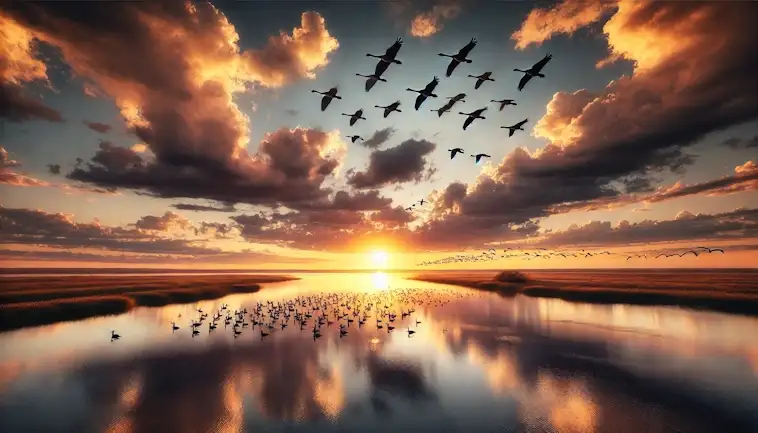
Migratory Birds and Climate Change
Migratory birds are fascinating creatures that travel long distances, often crossing continents and oceans, to find the best habitats for feeding, breeding, and raising their young. These journeys happen seasonally, with birds heading to warmer regions during colder months and returning as the weather improves.
Importance as Ecological Indicators
Migratory birds are considered important indicators of ecological health for several reasons:
- Biodiversity: Their presence in various ecosystems often reflects the overall health and biodiversity of these areas.
- Ecosystem Functions: They contribute to vital ecological functions like pollination and seed dispersal.
- Food Webs: Birds form a crucial part of many food webs, affecting many other forms of life both directly and indirectly.
Understanding Bird Migration Patterns
Bird migration patterns are the paths birds follow during their seasonal movement. These patterns can be incredibly precise, with many species returning to the exact same locations every year. Scientists study these patterns to learn more about:
- Navigation and Timing: How birds navigate and time their migrations, which often align with weather conditions and food availability.
- Species-Specific Routes: Each species has unique routes that can be predictable, although individual routes may vary.
Impact of Climate Change
Climate change poses a significant threat to migratory birds, impacting their traditional migration patterns in several ways:
- Timing Disruptions: Changes in temperature and weather patterns can alter the timing of migrations, which may lead to mismatches between birds’ arrival and the availability of food or suitable breeding conditions.
- Habitat Loss: Rising temperatures and changing landscapes can lead to the loss of critical stopover sites and breeding grounds.
- Altered Food Availability: Climate change can affect the abundance and availability of the insects and other food sources that birds rely on during their journey.
The disruption of these patterns can have ripple effects not only on the birds themselves but also on the ecosystems they pass through and rely on. Monitoring these changes helps scientists predict environmental shifts and plan conservation efforts more effectively.
The Basics of Bird Migration
Bird migration is a remarkable natural phenomenon where birds travel from one place to another to exploit seasonal food sources, better weather, and breeding habitats.
How and Why Birds Migrate
Birds migrate primarily for three reasons:
- Food Availability: They move to areas where food is plentiful during different seasons.
- Breeding Opportunities: Birds often head to regions that offer optimal conditions for nesting and raising young.
- Climate Conditions: Migratory birds escape harsh weather, seeking milder climates during winter months.
Triggers for Migration
Migration is influenced by a mix of physiological and environmental cues:
- Daylight: The length of daylight is a major trigger. Changes in day length signal birds when to start their journey.
- Temperature: Shifts in temperature can prompt migration, signalling changes in season.
- Hormonal Changes: Birds experience changes in hormones which prepare their bodies for the long flight. This includes storing energy and enhancing muscle strength.
Types of Migration
Birds follow different migration paths, commonly categorised as:
- Latitudinal Migration: The most common type, where birds move north-south between breeding and wintering grounds.
- Altitudinal Migration: Some birds migrate vertically, moving up and down mountains depending on the season.
- Longitudinal Migration: Birds travel east-west to exploit different ecological niches and food sources.
Challenges During Migration
Migration is risky and challenging, with birds facing numerous hazards along the way:
- Predation: Birds are at high risk from predators, especially when tired or in unfamiliar territories.
- Weather: Bad weather, including storms and strong winds, can be deadly, throwing birds off course or causing physical harm.
- Habitat Loss: Development and environmental changes can destroy critical stopover sites where birds rest and refuel.
- Human Obstacles: Buildings, towers, and wind turbines pose collision risks, while pollution and pesticides can contaminate food sources.
Despite these challenges, migratory birds continue to make these extraordinary journeys year after year, showcasing their resilience and the complex interplay of biological and environmental factors that guide their way.
Observing Changes in Migration Patterns
Studies on migratory birds have shown fascinating changes in their behaviour due to altering environmental conditions. Researchers are finding shifts in the timing, routes, and even destinations of these birds, which highlight how sensitive wildlife is to changes in our climate and habitats.
Changes in Timing: Birds are beginning their migrations earlier or later than they used to. For example, the North American tree swallow has been documented arriving at its breeding grounds up to nine days earlier than in previous decades. This change is largely attributed to warmer spring temperatures.
Shifts in Migration Routes: Some birds are altering their migration routes. The black-tailed godwit, which traditionally flies from Western Europe to Africa, has some populations now stopping or staying in Iberian wetlands instead. This shift is thought to be due to warmer climates and changes in rainfall patterns affecting their traditional stops.
New Destinations: Changes in destinations are particularly notable among Arctic breeding shorebirds. For instance, the red knot, which typically migrates from Arctic breeding sites to southern locations, has been found wintering further north than usual. This shift is a response to milder winter temperatures at northern latitudes.
Behavioural Adjustments: Birds are also adjusting their behaviours in smaller yet significant ways. The European blackcap, usually a migrator to the Mediterranean, now often spends its winters in gardens in the UK. This change is partly due to the availability of food from bird feeders and warmer winter temperatures.
These examples underscore how migratory birds are on the front lines of experiencing and responding to climate change. Their altered patterns and behaviours serve as early indicators of broader environmental shifts that could eventually affect many other species, including humans.
Impact of Rising Temperatures on Habitats
As global temperatures rise, the habitats that migratory birds rely on are undergoing significant changes. These changes can deeply affect the birds’ ability to find food, breed, and rest during their long journeys.
Impact on Food Availability: Warmer temperatures can cause a mismatch between the timing of bird migrations and the peak availability of food sources like insects and berries. For example, if birds arrive at their breeding grounds only to find that the insects they feed on have peaked earlier in the season due to warmer weather, they struggle to find enough food to survive and raise their young.
Changes to Breeding Grounds: The breeding habitats of birds are also affected by rising temperatures. Areas that were once ideal for nesting might become too warm or undergo changes in vegetation that make them unsuitable. This situation forces birds to either adapt to less-than-ideal conditions or move further to find more suitable environments, which can be challenging and risky.
Disruption of Stopover Points: During migration, birds stop at specific points along their route to rest and refuel. These stopover sites are like mini-havens that offer food and shelter. However, as temperatures rise, these places can dry up, lose their vegetation, or otherwise degrade, leaving birds with fewer places to rest. This can lead to exhaustion and higher mortality rates during migration.
The alteration of landscapes due to increased temperatures poses a serious threat to migratory birds. It disrupts their established patterns and can lead to declines in bird populations if they are unable to adapt quickly to these new conditions. This situation not only affects the birds but also the ecosystems that depend on them, demonstrating the interconnected nature of our planet’s environmental health.
Extreme Weather Events and Migration Disruption
Extreme weather events, becoming more frequent and intense due to climate change, have a significant impact on the migratory patterns of birds. These conditions can disrupt their traditional routes and timing, leading to unusual migration behaviours.
Hurricanes and Storms: Strong storms and hurricanes can be particularly disruptive. Birds caught in hurricanes may be blown far off their usual course. For instance, during Hurricane Irma in 2017, many birds were displaced far from their natural habitats, with some Caribbean species ending up as far north as Canada. These events can exhaust birds or even prove fatal if they don’t find suitable habitats to recover.
Droughts: Droughts affect water availability and the ecosystems that birds rely on during their migration. In places like California, prolonged droughts have led to the drying up of wetlands, crucial stopover points for birds like the sandhill crane. Without these stopovers to rest and feed, birds must fly longer distances, leading to increased stress and lower survival rates.
Heavy Rains and Flooding: On the other end of the spectrum, heavy rains and flooding can also alter migration patterns. Flooding can destroy nesting sites and disrupt the breeding season. For example, in 2019, spring flooding along the Mississippi River created vast stretches of water where fields and forests once stood, complicating nesting for species like the warbler and the wood thrush.
Case Study: Unusual Migration Behaviours: A notable incident occurred in 2020 when a record number of tropical storms in the Atlantic forced many migratory birds, including warblers and thrushes, to start their southward autumn migration unusually early. This early migration was a response to the disrupted food supply and habitat conditions caused by the storms.
These examples show how extreme weather linked to climate change is challenging migratory birds, forcing them to adapt to rapidly changing conditions. These shifts are critical indicators of the broader environmental impacts of our changing climate, affecting not only birds but also the health of global ecosystems.
Long-Term Consequences for Bird Populations
Changes in migratory patterns can ripple through ecosystems, affecting everything from genetic diversity to interactions with human activities.
Genetic Diversity and Population Sizes: When migratory birds change their routes or timing, it can lead to smaller, more isolated populations. This isolation can reduce genetic diversity, making it harder for species to adapt to future changes or recover from population declines. For example, if a group of birds starts breeding in a new area away from its main population, it might not mix genetically with other groups, potentially weakening the species’ overall resilience.
Conflict with Human Activities: As birds shift their migratory patterns, they can come into closer contact with human environments. This leads to increased risks from buildings, power lines, and aeroplanes. There’s also the potential for more human-wildlife conflicts, such as birds feeding on crops they previously didn’t encounter. These conflicts can prompt negative responses from humans, such as culling or habitat destruction, further threatening bird populations.
Ripple Effects through Ecosystems: Migratory birds play crucial roles in their ecosystems, including pollination and pest control. For instance, many birds eat insects, helping to control pest populations naturally. If these birds arrive too early or too late because of shifted migration times, they might miss the peak insect-hatching period, leading to unchecked pest populations. This can harm crops and native plants, affecting entire food webs.
Pollination: Birds like hummingbirds and some songbirds are also important pollinators for certain plants. If these birds change their migratory timing or routes, plants that rely on them for pollination might not reproduce effectively. This can lead to reductions in those plant populations, affecting species that depend on those plants for food and habitat.
Overall, changes in migratory patterns due to climate change and other factors are not just a concern for the birds themselves. These changes can disturb the delicate balance of ecosystems, affecting biodiversity and the services that nature provides to humans, like food production and natural pest control. It’s a complex web where even small changes can have large and unforeseen consequences.
Conservation Efforts and How They Are Adapting
Protecting migratory birds is a global challenge that requires cooperation across borders and innovative conservation strategies. As climate change alters habitats and migration patterns, conservationists are adapting their approaches to ensure the safety and survival of these birds.
International Cooperation: Because migratory birds cross multiple countries and even continents, international cooperation is essential. Agreements like the Migratory Bird Treaty between the U.S., Canada, and Mexico, or the African-Eurasian Waterbird Agreement, coordinate efforts across nations to protect birds along their migratory paths. These treaties help establish protected areas and ensure consistent management practices across borders.
Habitat Protection and Restoration: Conserving and restoring habitats is crucial. Organisations are working to protect key stopover sites that birds rely on for rest and refuelling during migration. Efforts include purchasing land to prevent development and restoring wetlands and forests that have been degraded. This not only benefits birds but also enhances the overall health of the ecosystems.
Climate Adaptation Strategies: As the climate changes, so too do conservation strategies. Scientists and conservationists are now considering how to help birds adjust to new conditions rather than only trying to preserve the status quo. This might involve helping birds establish new breeding grounds or stopover points that are predicted to become suitable due to climate change.
Emerging Technologies: New technologies are also playing a role. Tracking devices and satellite tags allow researchers to monitor bird movements in real time, giving insights into how migration patterns are changing. This data can inform where to focus conservation efforts. Additionally, mobile apps and community science projects involve the public in tracking bird sightings, which helps gather vast amounts of data that can be used for conservation planning.
Addressing Human-Wildlife Conflicts: Efforts are also being made to reduce conflicts between migratory birds and human activities. This includes developing bird-safe building designs that reduce window collisions, modifying agricultural practices to make them more wildlife-friendly, and managing airports and other areas to reduce bird strike risks.
Conservation strategies are evolving to meet the challenges posed by a changing world, emphasising flexible, forward-thinking approaches that can adapt as conditions change. This ongoing work is crucial to ensure that migratory birds continue to thrive, maintaining the health of ecosystems around the world.
How You Can Help Migratory Birds
Helping migratory birds is something we can all take part in, right from our own backyards or local communities. Here are some practical tips on how you can contribute to the welfare of these remarkable travellers.
Create Bird-Friendly Spaces at Home
- Provide Food: Set up bird feeders with seeds, suet, and nectar to help birds fuel up, especially during migration seasons.
- Offer Water: Birds need water for drinking and bathing. A simple birdbath can be a vital resource for them.
- Plant Native Species: Native plants provide natural food sources and nesting materials for birds. Plus, they’re adapted to your local climate, so they’re easier to care for!
- Keep Cats Indoors: Cats are a major predator of birds. Keeping your cat indoors, or at least supervised while outside, can significantly reduce risks to visiting birds.
Participate in Citizen Science Projects
- Join Bird Counts: Events like the Christmas Bird Count or the Great Backyard Bird Count rely on volunteers to help track bird populations. Your observations can help scientists understand how bird numbers and migration timings are changing.
- Use Bird Reporting Apps: Apps like eBird allow you to report bird sightings. This information helps researchers track bird movements and population health.
Support Conservation Organisations
- Donate: Financial support helps conservation groups fund habitat protection, research, and education programs.
- Volunteer: Many organisations need volunteers for a range of activities, from fieldwork to advocacy.
- Spread the Word: Raising awareness about the challenges migratory birds face is crucial. Share information, attend talks, or host an information session in your community.
By taking these actions, you can make a real difference in the lives of migratory birds, helping to ensure that they continue to grace our skies and enrich our ecosystems for years to come.
Conclusion
Migratory birds are adjusting their patterns in response to climate change. These changes are more than just interesting facts; they are stark reminders of the broader environmental shifts occurring around us. By understanding how birds are affected, we can better grasp the magnitude of climate change and its impact on all forms of life, including our own.
Fortunately, there is much we can do to help. From creating bird-friendly environments in our backyards to participating in citizen science projects and supporting conservation efforts, every small action contributes to a larger change. Together, we can make a positive impact and help ensure that migratory birds continue their ancient patterns for generations to come. Let’s commit to being part of the solution, for our feathered friends and for our planet.