

Arctic Fox Secrets: How They Survive the Frozen Wild
Inside the World of the Arctic Fox: Adaptation, Survival, and Beauty in the Ice
The Arctic fox is one of nature’s most remarkable survivors. Thriving in some of the planet’s harshest conditions, this small, snow-white predator has mastered the art of endurance. From temperatures that plunge far below freezing to months without sunlight, it has evolved clever ways to stay warm, hunt efficiently, and raise its young against all odds.
What makes its survival even more fascinating is how perfectly adapted it is to change. When winter fades and the tundra softens, the Arctic fox doesn’t just endure—it transforms. Its coat, diet, and behavior all shift in harmony with the seasons, showing a resilience that few animals can match. Understanding how it does this offers more than a glimpse into animal survival; it reveals lessons about balance, adaptation, and the quiet brilliance of the wild.
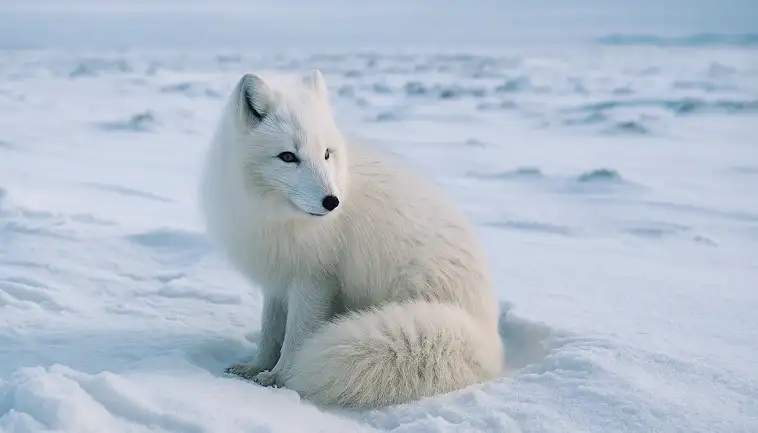
The Arctic Fox: A True Survivor of the Extreme North
When you think of survival in the wild, few animals do it better than the Arctic fox. Living in one of the coldest places on Earth, this small but mighty creature thrives where most others couldn’t last a day. It’s a story of resilience, clever adaptation, and quiet strength—a reminder that even the smallest beings can outlast the harshest conditions.
Built for the Cold
The Arctic fox is nature’s answer to the deep freeze. Its thick white fur isn’t just beautiful—it’s a perfect insulator, keeping the fox warm even when temperatures drop below minus 50°C. And here’s something fascinating: that same coat changes color with the seasons. In winter, it blends into the snow; in summer, it turns brown or gray to match the rocky tundra. It’s camouflage at its finest.
But fur alone doesn’t keep it alive. The Arctic fox has a compact body shape that minimizes heat loss, and even its paws are covered in fur to help it move silently across ice. It’s built for stealth and survival.
As food becomes scarce in winter, the fox shows its true intelligence. It scavenges leftovers from polar bears, hunts small prey under the snow, and can even store food for later. That level of adaptability is what makes it such a remarkable survivor.
Looking ahead, though, the Arctic fox faces new challenges. Warming temperatures are changing its habitat fast, and red foxes—bigger and more aggressive—are moving north, competing for food and territory. Yet, if history tells us anything, the Arctic fox won’t give up easily.
This little survivor of the frozen world has endured ice ages and shifting climates before. Its story isn’t just about surviving the cold—it’s about evolving, adapting, and thriving against the odds.
How Thick Fur and Smart Adaptations Beat the Bitter Cold
Imagine living in a place where winter lasts for most of the year, temperatures can drop below −50°C, and food is buried under layers of snow. That’s everyday life for the Arctic fox. Yet somehow, this small animal not only survives but thrives in one of the harshest places on Earth.
The secret? It’s all about smart design and remarkable resilience.
The Arctic fox wears one of the warmest coats in the animal kingdom. Its thick, multi-layered fur traps heat close to the body and changes color with the seasons—white in winter for camouflage against snow, and brown or gray in summer to blend in with the tundra. This clever shift not only keeps it hidden from predators but also helps it sneak up on prey.
Even its paws are covered in fur, acting like built-in snow boots. A compact body shape and short ears help reduce heat loss. Plus, the fox has a high-fat diet, storing energy for the long, cold months when food is scarce.
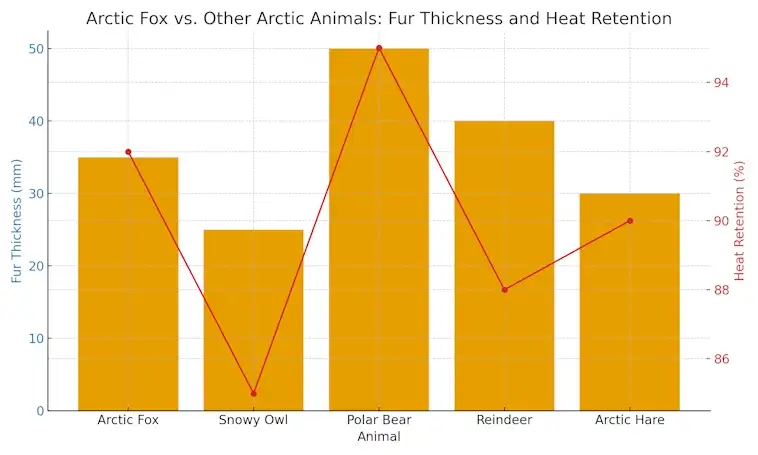
But the Arctic fox isn’t just built for warmth—it’s built for strategy. When temperatures drop too low, it curls up tightly, wrapping its fluffy tail around its face like a scarf. And when prey is hard to find, this clever hunter follows polar bears to scavenge leftovers or listens carefully under the snow for the faint movements of lemmings.
These smart adaptations show that survival in extreme cold isn’t just about endurance—it’s about evolution and ingenuity.
Arctic Fox Diet: What Keeps This Tiny Predator Alive in Winter
When the Arctic turns into a frozen desert, finding food becomes a serious challenge. Yet, the Arctic fox, one of the toughest little hunters on Earth, manages to thrive. Its secret? A clever and flexible diet that changes with the seasons.
In summer, when the tundra comes alive, the Arctic fox feasts. It hunts small animals, scavenges leftovers, and even snacks on berries. But when winter arrives and everything is buried under snow, this small predator turns resourceful—adapting its menu to whatever it can find.
Here’s what typically keeps an Arctic fox going through the icy months:
- Lemmings: The number one favorite. These small rodents are a vital food source, especially in summer.
- Birds and eggs: During nesting season, foxes raid seabird colonies for both adults and eggs.
- Fish and sea creatures: In coastal areas, they scavenge fish or marine carcasses washed ashore.
- Leftovers from polar bears: Foxes often follow bears and feed on the remains of seal kills.
- Plant matter and berries: When meat is scarce, they’ll eat roots, seaweed, or stored berries.
What’s truly impressive is how the Arctic fox plans ahead. It hides surplus food during the warmer months, creating “caches” in the snow or tundra. When blizzards hit and prey disappears, those secret stashes can mean the difference between survival and starvation.
Even with their fluffy coats and incredible instincts, Arctic foxes face a constant battle for calories. But their adaptability—switching diets, scavenging, and saving for later—is what keeps them alive when almost nothing else can survive.
In a world that’s warming fast, this ability to adapt might be their best hope yet.
From Snow to Summer: How the Fox Changes With the Seasons
The Arctic fox is nature’s shape-shifter. In the heart of winter, it’s a ghost on the tundra — cloaked in thick, white fur that blends perfectly with the snow. But when the sun returns and the ice begins to melt, something remarkable happens. The fox’s coat changes from snow white to shades of brown and gray, helping it disappear into the summer landscape of rocks and shrubs.
This seasonal transformation isn’t just for looks. It’s survival at its smartest. In the brutal cold, the dense winter coat keeps the fox warm, even when temperatures plunge below -50°C. Come summer, the lighter fur helps it stay cool while stalking prey like lemmings and birds. The color change also keeps predators guessing — a vital advantage in the open Arctic wilderness.
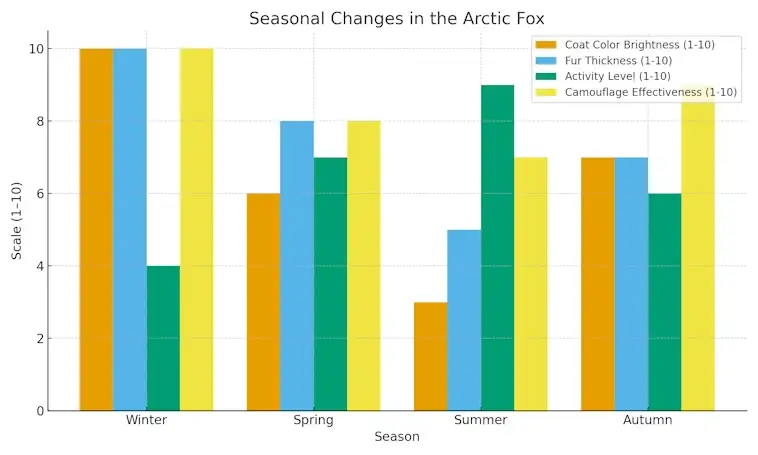
Scientists call this ability camouflage adaptation, and the Arctic fox is one of the best examples in the animal kingdom. Its coat color, fur density, and even hunting habits shift with the seasons. This makes it a master of survival in one of the planet’s harshest environments.
The Future of the Arctic Fox: Can It Survive a Warming World?
The Arctic fox is one of nature’s toughest survivors. It thrives where few animals can — across the icy tundra, in freezing winds, and endless nights. But today, that frozen world is melting. And as the ice disappears, so too does the home of this remarkable animal.
It’s not just the temperature that’s changing. The entire ecosystem around the Arctic fox is shifting. Warmer winters mean thinner snow cover, which exposes dens to predators. Longer summers open the door to red foxes moving north — larger rivals that outcompete Arctic foxes for food and territory.
A Battle for Survival
The Arctic fox’s snow-white coat once gave it perfect camouflage. Now, with less snow on the ground, that once-perfect disguise stands out. This makes hunting harder and being hunted more likely. Their prey — mostly lemmings and small rodents — are also affected by the changing seasons. When food becomes scarce, so does the fox’s chance to raise pups.
Scientists have noticed worrying signs. In some regions, Arctic fox numbers are falling. In others, they’re barely holding steady. While conservation efforts are underway — from protecting tundra habitats to controlling red fox expansion — the bigger issue remains global warming itself.
The question isn’t just whether the Arctic fox can adapt, but whether we’ll act fast enough to give it a fighting chance. Because once this species disappears from parts of the Arctic, it won’t be easy to bring it back.
Still, there’s hope. Nature is resilient — and so are the people working to protect it. But that hope depends on us reducing emissions, supporting conservation projects, and paying attention to what’s happening at the top of the world.
If we protect the Arctic, we protect far more than a single species. We protect an entire ecosystem — and a vital part of our planet’s story.
The Arctic Fox: A Lesson in Adapting to a Changing World
The Arctic fox doesn’t just survive the frozen wild—it thrives in it. Its thick fur, clever hunting habits, and remarkable resilience show how nature finds balance even in the most extreme conditions. But as the Arctic warms faster than anywhere else on Earth, this delicate balance is at risk.
Understanding the secrets of the Arctic fox isn’t just about admiring its survival skills—it’s a reminder of how interconnected all life on this planet truly is. When their icy home melts, the ripple effects reach us all.
If you want to help protect incredible creatures like the Arctic fox, start by staying informed. Share this post, support wildlife conservation groups, and make small, sustainable choices every day. Together, we can ensure that the Arctic fox—and the wild it calls home—continues to endure for generations to come.