

Air Pollution: Its Impact on Public Health
Air pollution is a major concern that affects everyone, no matter where you live. It comes from various sources like cars, factories, and even natural events like wildfires. Breathing in polluted air can lead to serious health problems, impacting our lungs, heart, and overall well-being. We’ll look at different types of air pollutants and discuss recent studies and expert insights on how they affect our health. It’s important to understand these risks so we can find ways to protect ourselves and improve the air quality in our communities.
Air Pollution: Its Impact on Public Health
What You’ll Discover
Air Pollution and Public Health
The Respiratory System: Frontline Against Air Pollutants
Cardiovascular Complications Linked to Air Quality
Effects on Children and Vulnerable Populations
Long-term Exposure: Chronic Effects and Disease
Mitigating Health Risks: Strategies and Interventions
The Role of Policy in Air Quality Management
Future Directions in Research and Public Health Initiatives
Air Pollution and Public Health
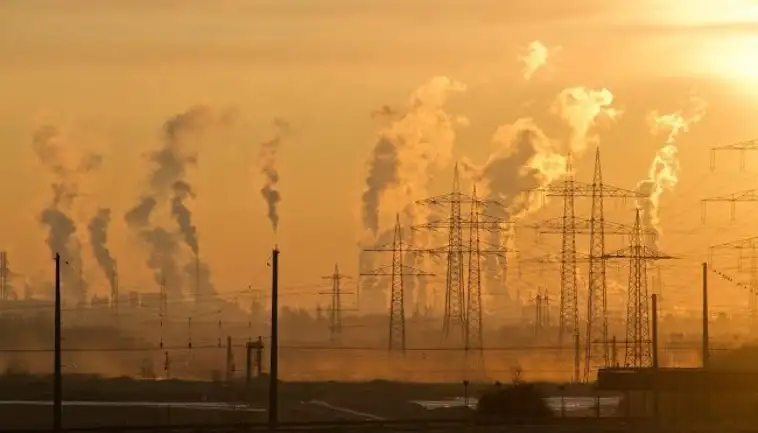
Air pollution refers to the presence of substances in the air that are harmful to humans and the environment. It’s a mix of particles and gases that can reach harmful concentrations both outside and indoors. Its effects on public health, the environment, and even the economy are profound and well-documented.
Common Sources and Constituents of Air Pollution
Air pollution comes from various sources:
- Natural: This includes wildfires, volcanic activity, and dust storms.
- Man-made: Significant sources are vehicles, industrial processes, and power generation.
The primary harmful constituents of air pollution include:
- Particulate Matter (PM): These tiny particles can penetrate deep into the lungs and even enter the bloodstream, causing cardiovascular, cerebrovascular, and respiratory impacts.
- Nitrogen Dioxide (NO₂): This gas mostly gets into the air from the burning of fuel. It forms from emissions from cars, trucks and buses, power plants, and off-road equipment.
- Sulphur Dioxide (SO₂): Mainly produced from the burning of fossil fuels by power plants and other industrial facilities.
- Ozone (O₃): A gas that forms in the atmosphere when sunlight reacts with pollutants like hydrocarbons and nitrogen oxides.
Why Understanding Air Pollution Matters
Understanding air pollution is crucial because it affects community health in several significant ways:
- Respiratory and cardiovascular diseases: Exposure to pollutants can cause or exacerbate diseases like asthma, bronchitis, heart disease, and stroke.
- Children and the elderly are at higher risk: These populations are more vulnerable to the effects of air pollution.
- Economic impacts: Health problems from air pollution can lead to lost workdays and high healthcare costs.
Recognising the sources and dangers of air pollution is the first step in taking action to improve air quality and enhance community health and well-being. It’s not just about avoiding illness, but also about boosting overall quality of life by ensuring clean and safe air for all community members. Awareness and education are key to making changes that lead to cleaner air and better health outcomes.
The Respiratory System: Frontline Against Air Pollutants
Breathing in air pollutants can harm our lungs and lead to serious health problems. The most common issues include asthma, chronic bronchitis, and lung cancer. Here’s how these pollutants do their damage:
Common Respiratory Conditions Caused by Air Pollution
- Asthma: Pollutants can trigger asthma attacks in people who have the condition. They cause the airways to become inflamed and narrow, making breathing difficult. According to the Centres for Disease Control and Prevention (CDC), exposure to air pollutants increases the risk of developing asthma and can exacerbate the symptoms in people who already have it.
- Chronic Bronchitis: This long-term inflammation of the bronchi in the lungs is often caused by persistent exposure to pollutants like particulate matter and sulphur dioxide. Symptoms include coughing and mucus production.
- Lung Cancer: The World Health Organisation (WHO) has identified air pollution as a major carcinogen. Particulate matter, especially, can contain carcinogenic compounds that increase the risk of lung cancer.
The Mechanism of Respiratory Damage
Particulate matter (PM) and gases like nitrogen dioxide and sulphur dioxide can penetrate deep into the lung tissues and even enter the bloodstream. Here’s what happens:
- Inflammatory Response: When particulate matter gets into the lungs, it can cause an immediate inflammatory response. This inflammation can damage lung tissue and lead to chronic respiratory problems.
- Oxidative Stress: Pollutants can generate free radicals in the body. These molecules can cause oxidative stress, which damages cells and has been linked to both chronic bronchitis and lung cancer.
Expert Opinions and Findings
Health experts emphasise the need to understand the full impact of air pollution on respiratory health. Recent studies show that reducing air pollution levels can lead to significant improvements in lung function and decrease overall morbidity associated with respiratory diseases.
Understanding these effects and the mechanisms behind them helps us realise just how crucial clean air is to our health. It’s a reminder that air quality should be a key concern in public health policies. Awareness and proactive measures can significantly improve our respiratory health and overall well-being.
Cardiovascular Complications Linked to Air Quality
Air pollution doesn’t just make it hard to breathe; it can also affect your heart. Many studies show a clear link between dirty air and various heart problems, including heart attacks and strokes.
Key Cardiovascular Problems from Air Pollution
- Heart Diseases: Pollutants can lead to coronary artery disease, heart failure, and even heart attacks. These issues arise when pollutants cause inflammation in the blood vessels, leading to plaque buildup that can restrict and block blood flow.
- Strokes: Particulate matter and other airborne chemicals can thicken the blood or cause it to clot more easily. This increases the risk of stroke, where blood flow to the brain is blocked.
How Pollutants Cause Cardiovascular Issues
Pollutants like particulate matter (PM), nitrogen dioxide, and sulphur dioxide have been linked to increased cardiovascular incidents. Here’s what happens:
- Inflammation: When you inhale pollutants, they can trigger inflammation in your cardiovascular system. This inflammation can lead to narrowed and hardened arteries, which are prime conditions for heart attacks and strokes.
- Oxidative Stress: Pollutants can also cause oxidative stress, which damages cells in the blood vessels and heart. This damage can lead to high blood pressure and heart disease.
Recent Research Findings
Recent studies have provided more insight into how serious this issue is:
- A study from the American Heart Association found that exposure to high levels of air pollution can increase the risk of a first heart attack by up to 14%.
- Research published in the Journal of the American Medical Association showed that long-term exposure to particulate matter increases the rate of atherosclerosis and heart disease.
These findings highlight the direct impact of air pollution on heart health. Understanding these connections helps us realise the importance of clean air for maintaining a healthy heart. Public health policies must focus on reducing air pollution to protect our cardiovascular health.
Effects on Children and Vulnerable Populations
Air pollution is a significant health hazard for everyone, but children, the elderly, and people with pre-existing health conditions face even greater risks. These groups are particularly vulnerable to the harmful effects of polluted air.
Impact on Children
Children are especially at risk from air pollution because their lungs and brains are still developing. Here’s how pollution affects them:
- Developmental Delays: Exposure to pollutants like particulate matter and nitrogen dioxide can impair cognitive development and may lead to reduced academic performance.
- Respiratory Problems: Children exposed to dirty air may develop asthma or other respiratory issues that can affect them for their entire lives.
- Long-term Health Issues: Early exposure to air pollution has been linked to chronic diseases later in life, including heart disease.
Impact on the Elderly
The elderly are also highly susceptible to the impacts of air pollution:
- Accelerated Health Decline: Poor air quality can exacerbate existing conditions such as heart disease and lung disorders.
- Increased Mortality Risk: Studies show that spikes in air pollution can lead to higher short-term mortality rates among the elderly due to aggravated cardiovascular and respiratory illnesses.
Impact on Those with Pre-existing Health Conditions
Individuals with pre-existing health conditions are particularly vulnerable:
- Worsening Symptoms: Air pollution can make symptoms of heart disease, diabetes, and respiratory conditions worse.
- Increased Health Care Needs: This often leads to increased visits to healthcare providers, more medication, and sometimes hospitalisation.
Importance of Clean Air
Understanding the risks air pollution poses to these vulnerable groups underlines the importance of striving for cleaner air. It’s not just about improving quality of life; it’s about protecting our most susceptible populations from severe health outcomes. Cleaner air can lead to healthier communities, less strain on healthcare systems, and a better environment for future generations.
Long-term Exposure: Chronic Effects and Disease
Living with poor air quality over a long period can lead to some serious health problems. It affects not just the lungs but also the overall well-being, including mental health.
Long-Term Respiratory Conditions
Prolonged exposure to polluted air can cause or exacerbate chronic respiratory diseases:
- Chronic Obstructive Pulmonary Disease (COPD): This includes conditions like chronic bronchitis and emphysema, where airway inflammation and damage lead to breathing difficulties. Studies link air pollutants, especially particulate matter, to the progression of COPD.
- Lung Cancer: Airborne carcinogens, like those found in particulate matter, significantly increase lung cancer risks. Research shows a direct correlation between increased pollution levels and higher rates of lung cancer.
Impact on Mental Health
The effects of air pollution aren’t limited to physical health; they extend to mental health as well:
- Increased Stress and Anxiety: Living in areas with high pollution can lead to increased stress levels and anxiety. The fear of health impacts can itself be a source of distress.
- Cognitive Decline: There is emerging evidence that air pollution could be linked to a decline in cognitive functions and might increase the risk of developing neurological disorders like dementia and Alzheimer’s disease.
Evidence from Longitudinal Studies
Longitudinal studies have been pivotal in demonstrating these chronic effects:
- A landmark study over 10 years showed that people living in more polluted areas had a significantly higher risk of developing COPD and lung cancer compared to those in areas with cleaner air.
- Another long-term study linked continuous exposure to air pollution with accelerated cognitive decline in older adults.
These findings underscore the need for urgent action to improve air quality. Protecting against the chronic effects of air pollution not only improves physical health but also supports mental well-being, enhancing life quality for all community members.
Mitigating Health Risks: Strategies and Interventions
Air pollution is a serious concern, but there are effective ways to reduce its impact on our health. Here are practical tips for individuals and communities to protect themselves.
Lifestyle Adjustments
Simple changes in daily habits can make a big difference:
- Stay Informed: Keep track of air quality indexes in your area using apps or websites. This can guide you on the best times to go outside.
- Reduce Exposure: On days with poor air quality, try to stay indoors as much as possible. Keep windows closed to limit indoor pollution.
- Exercise Smart: When air quality is bad, opt for indoor exercise or exercise in green spaces away from busy roads during quieter times of the day.
Community Planning and Policies
Communities can take collective action to improve air quality:
- Green Zones: Establish low-emission zones where traffic is restricted to decrease pollution levels in populated areas.
- Plant More Trees: Trees not only provide shade but also absorb pollutants. Planting more greenery in urban areas can improve air quality.
- Promote Public Transport and Cycling: Reducing the number of cars on the road by improving public transport and creating safe cycling lanes can significantly reduce emissions.
Technological Solutions
Incorporating technology can also help clean the air:
- Air Purifiers: Use air purifiers at home and work to filter out pollutants, especially in areas prone to high indoor pollution.
- Green Energy: Transitioning to renewable energy sources like solar and wind reduces reliance on fossil fuels, which are major contributors to air pollution.
- Smart Urban Design: Integrating smart technology in urban planning, like pollution sensors and energy-efficient buildings, can lead to healthier cities.
By taking these steps, both individuals and communities can lessen the effects of air pollution. Making informed choices and advocating for policies that reduce emissions can lead to cleaner air and better health outcomes for everyone.
The Role of Policy in Air Quality Management
Government policies play a crucial role in managing air quality and protecting public health. By setting regulations and standards, governments can significantly reduce the levels of harmful pollutants in the air.
Key Legislation and Regulations
- Clean Air Act: In the United States, the Clean Air Act has been a cornerstone in air quality management since 1970. It sets national standards for key pollutants, requiring states to develop plans to meet these standards.
- Vehicle Emissions Standards: Many countries have implemented strict emissions standards for vehicles to reduce exhaust pollutants like nitrogen oxides and particulate matter.
Role of International Agreements
Global cooperation is essential for tackling air pollution, which knows no borders:
- Paris Agreement: While primarily focused on climate change, this international treaty indirectly benefits air quality by promoting reductions in greenhouse gas emissions, many of which are common air pollutants.
- Cross-Border Pollution Protocols: Agreements like the UNECE Convention on Long-range Transboundary Air Pollution work to reduce air pollution on a continental scale in Europe and beyond.
Impact of Environmental Regulations
Environmental regulations have a direct impact on reducing pollutant levels:
- Industrial Emissions: Regulations require industries to adopt cleaner technologies and practices, significantly cutting down the pollutants they emit.
- Urban Planning: Policies that promote public transport and green spaces help reduce reliance on cars and contribute to lower emissions in urban areas.
Results of Effective Policy
The positive impacts of these policies and regulations are clear:
- Improved Air Quality: Many cities have seen improvements in air quality over the decades due to stringent regulations.
- Health Benefits: Reduced pollution levels lead to lower rates of respiratory and cardiovascular diseases among the population.
Government action is crucial for clean air. Effective policies not only improve environmental health but also enhance public health, contributing to a better quality of life for all. Through informed legislation and international cooperation, we can continue to make significant strides in air quality management.
Future Directions in Research and Public Health Initiatives
While we know a lot about the harmful effects of air pollution, there are still many gaps that need addressing. Understanding these can help us better protect public health.
Identifying Research Gaps
There are several areas where more research could deepen our understanding:
- Long-term Effects: We need more data on how long-term exposure to low levels of pollutants affect health.
- Vulnerable Populations: More studies are needed to understand how air pollution impacts specific groups like children, the elderly, and those with pre-existing health conditions differently.
- Combined Effects: Most research looks at pollutants individually. We need to study the combined effects of multiple pollutants to get a clearer picture of real-world exposure.
Potential for Future Studies
Advancements in technology and methodology open new avenues for research:
- Sensor Technology: Improved air quality sensors can provide more accurate and real-time data, helping researchers study exposure patterns and their health impacts more precisely.
- Big Data Analytics: Using big data can help link air quality data with health records to better understand correlations and causations.
Upcoming Public Health Initiatives and Technological Innovations
Looking ahead, several initiatives and innovations could play a key role in tackling air pollution:
- Policy Enhancements: Governments may introduce stricter emissions standards and better enforce existing regulations.
- Green Urban Planning: Cities might focus more on green infrastructure, reducing heat islands and improving overall air quality.
- Innovative Technologies: Developments in filtration and purification technology, as well as advancements in green energy, can reduce dependence on fossil fuels and decrease air pollution.
The Road Ahead
By filling these research gaps, future studies can offer more definitive answers about the health impacts of air pollution. This knowledge will drive smarter public health initiatives and foster innovations that could significantly improve air quality. Together, these efforts will make our environment healthier and safer for everyone.
Conclusion
Air pollution is a critical issue that affects everyone, from young children to the elderly. As we’ve seen, the impact on our health is profound and wide-ranging, influencing everything from our lungs to our hearts and even our brains. But there’s good news too. With the right knowledge and tools, we can make changes both big and small to improve air quality and protect our health.
Whether it’s supporting policies that reduce emissions or making personal choices like using public transport, we all have a role to play. By coming together as communities and pushing for innovation and stricter regulations, we can ensure cleaner air and a healthier future for generations to come. Let’s take a deep breath and commit to making the air around us as clean as possible.