

Seasonal Shifts are Influencing Our Lives and Landscapes
Seasonal Shifts are Influencing Our Lives and Landscapes
Change is becoming the new normal. From the way we dress to how we grow our food and plan our holidays, the seasons are shaping our choices more than ever. Subtle shifts in temperature, rainfall, and daylight hours are leaving a visible mark on our landscapes—and on how we live.
Whether it’s longer summers, unpredictable winters, or early springs, these changes aren’t just about the weather. They’re nudging us to rethink routines, habits, and even future plans.
These trends aren’t just short-term quirks—they’re signs of deeper shifts happening globally. Understanding them is the first step toward staying flexible, prepared, and in sync with the world around us.

How Seasonal Changes Are Reshaping Daily Routines
As the seasons shift, so do our daily habits. You might notice it in subtle ways—waking up earlier with the summer sun, craving hearty foods in winter, or swapping gym time for outdoor runs when spring hits. These changes aren’t just about personal preference—they’re tied to how our bodies and minds respond to light, temperature, and social rhythms.
Let’s break down the practical ways seasonal changes impact your work, lifestyle, and health—and how to stay ahead of them.
Work Patterns: From Productivity Slumps to Creative Surges
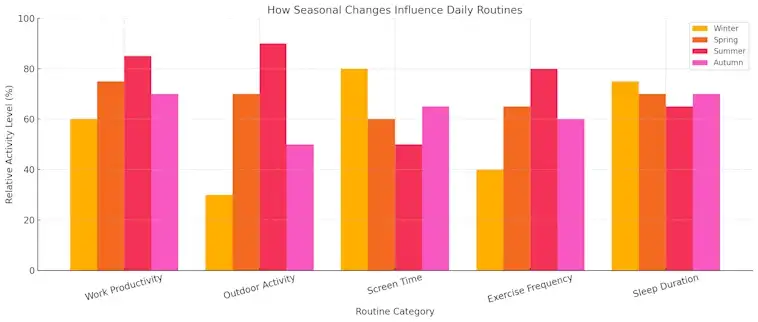
- More sunlight means more energy. Longer days in spring and summer can boost focus and motivation. Many people find it easier to stick to work routines and even take on more projects.
- Winter often slows things down. With fewer daylight hours, it’s natural to feel a dip in energy. This can lead to slower productivity and even seasonal burnout if not managed.
- Remote workers feel the change most. Without a commute or regular office hours, it’s easy to let seasonal changes disrupt your daily rhythm. Using light therapy or adjusting your schedule can help.
Lifestyle Shifts: Your Daily Routine on the Move
- Outdoor time increases in warmer months, encouraging more social activity, walks, and outdoor dining. This naturally boosts mood and can replace more sedentary indoor habits.
- Colder months shift people indoors, leading to more screen time, less physical movement, and often more snacking or comfort eating.
- Schedules shift around daylight. Morning routines may start earlier in summer and push later in winter. Embracing this natural ebb and flow can actually help reduce stress.
Health Habits: Why Seasons Change More Than Just the Weather
- Eating patterns change with the season. Fresh fruits and salads in summer often give way to warm stews and carbs in winter. This isn’t a bad thing—it’s about balance.
- Exercise routines need adjusting. In winter, it’s easy to skip a workout. Planning indoor alternatives or bundling up for a brisk walk helps keep momentum.
- Sleep cycles are affected by daylight. Longer nights may lead to oversleeping, while brighter mornings can make it easier to rise early. Consider adjusting your bedtime as the seasons shift.
Looking Ahead: Adapting, Not Resisting
Instead of fighting seasonal changes, think of them as a natural reset button. By tuning into how the seasons affect your energy, motivation, and mood, you can build a routine that works with the season—not against it. Whether it’s shifting your work hours, rethinking meals, or finding new ways to stay active, small tweaks can make a big difference.
Your routine isn’t meant to be static—let it evolve with the world around you.
The Hidden Effects of Weather Patterns on Mental Wellbeing
Most of us think about the weather in terms of what to wear or whether we’ll need an umbrella. But the skies above do more than guide our wardrobe—they shape our moods, influence our thoughts, and even impact our long-term mental health.
From cloudy days that leave us feeling low to heatwaves that trigger anxiety, weather patterns quietly affect how we think and feel. And with climate shifts becoming more intense and unpredictable, understanding this connection is more important than ever.
How Different Weather Types Affect Your Mood
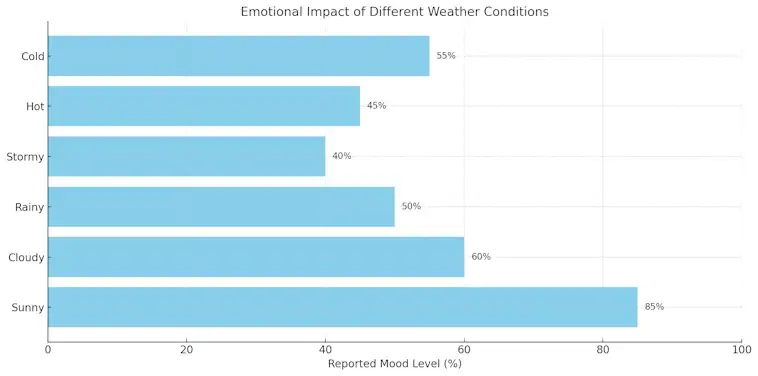
- Sunlight boosts serotonin. Sunny weather can naturally lift your spirits. Exposure to sunlight increases serotonin levels, a hormone linked to feelings of happiness and calm.
- Rain and gray skies often bring low energy. Cloudy or rainy days are linked to reduced motivation, sleepiness, and sometimes sadness. For some, this can lead to Seasonal Affective Disorder (SAD), a type of depression triggered by lack of sunlight.
- Extreme heat increases irritability. Hot weather can cause discomfort, dehydration, and sleep disruption. Studies show higher temperatures are often linked with mood swings, aggression, and even increased mental health-related hospital visits.
- Storms can spike anxiety. For many people, especially those with trauma or sensory sensitivities, thunder and lightning can trigger unease, stress, or even panic attacks.
Climate Change Is Making Things More Unpredictable
- Unusual weather can disrupt emotional balance. Sudden weather shifts—like a warm winter or a cold summer—can feel unsettling. When nature doesn’t behave the way we expect, it can create underlying stress or anxiety.
- Natural disasters leave emotional scars. Hurricanes, floods, and wildfires don’t just destroy homes—they can also cause PTSD, grief, and long-term anxiety for survivors.
- Uncertainty breeds unease. The more unpredictable the climate becomes, the harder it is for people to feel grounded and safe. This ongoing uncertainty can weigh on mental health over time.
Practical Ways to Protect Your Mental Health
- Track your mood with the weather. Keeping a simple journal of how you feel on sunny vs. cloudy or hot vs. cool days can reveal patterns you didn’t notice before.
- Get outside when you can. Even a few minutes of natural light during the day can improve mood, focus, and energy levels—especially in winter.
- Prepare for extreme weather. Having a plan for heatwaves, storms, or sudden cold snaps can help you feel more in control and less anxious.
- Seek support during seasonal transitions. If you notice emotional shifts in spring or fall, it may help to talk to a mental health professional or lean into supportive habits like exercise and social time.
Looking Ahead: A Climate of Care
As weather patterns become more extreme and less predictable, being aware of their impact on our mental wellbeing isn’t just helpful—it’s essential. By recognizing how climate and emotions are linked, we can take smarter steps to protect our mental health in every season.
Your mental wellness is deeply connected to the world around you—so it’s okay to tune in, slow down, and adjust.
Nature’s Response: What Shifting Seasons Mean for Local Ecosystems
Seasons used to follow a reliable rhythm—spring blooms, summer buzz, autumn harvest, winter rest. But today, those rhythms are shifting. With climate patterns becoming less predictable, local ecosystems are feeling the pressure. Trees bloom earlier, animals migrate off-schedule, and entire food chains are being thrown out of sync.
It’s not just a change in scenery—it’s a transformation that touches everything from backyard birds to mountain forests.
Plants Are Budding Earlier—And Facing More Risk
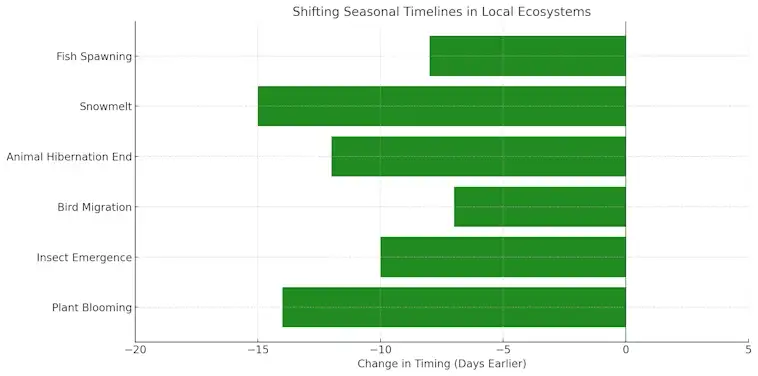
- Warmer winters and early springs are causing plants to bloom weeks ahead of schedule. While that might look beautiful, it’s not always good news.
- Late frosts can damage early blooms, especially for crops and flowering plants. This can affect both garden growth and agricultural yield.
- Pollinators are out of sync. If bees or butterflies emerge too late, they miss the peak bloom of flowers they depend on. This mismatch hurts both the pollinators and the plants.
Wildlife Is Changing Its Schedule—And Struggling to Adapt
- Bird migrations are shifting. Many bird species are arriving too early or too late to find the food they need, disrupting their nesting and feeding patterns.
- Hibernation cycles are shortening. Animals like bears or hedgehogs are waking up earlier due to warmer winters, often before food is readily available.
- New species are moving in. As temperatures rise, some animals are expanding into new regions. This can disrupt local ecosystems and lead to competition with native species.
Ecosystems Are Becoming More Fragile
- Insects are key to balance, but seasonal changes are affecting their lifecycles. Fewer insects in spring means less food for birds, fish, and other animals higher up the food chain.
- Aquatic systems are warming up. Earlier snowmelts and warmer waters are impacting fish migration and breeding cycles, especially in rivers and streams.
- Forest life is under pressure. Drier summers and unpredictable rainfall are stressing trees, making forests more vulnerable to disease, pests, and wildfires.
Looking Ahead: A Call to Watch and Protect
As seasonal patterns continue to shift, ecosystems will need to adapt—but they can’t do it alone. Small mismatches can lead to big problems if they cascade through the food web. That’s why paying attention to the timing of blooming flowers, migrating birds, or even garden pests isn’t just for scientists—it’s for all of us.
By observing nature’s response, we can better protect it—and prepare ourselves for what’s ahead.
Climate Change and the Evolving Rhythm of the Seasons
If you’ve felt like spring is arriving earlier, summers are getting hotter, or winters aren’t quite what they used to be—you’re not imagining it. Around the world, the once-predictable rhythm of the seasons is shifting. And behind these changes lies one driving force: climate change.
From longer heatwaves to delayed snowfall, the effects of global warming are no longer distant or abstract. They’re playing out in our own backyards, reshaping the natural calendar we’ve lived by for generations.
How Climate Change Is Altering Seasonal Patterns
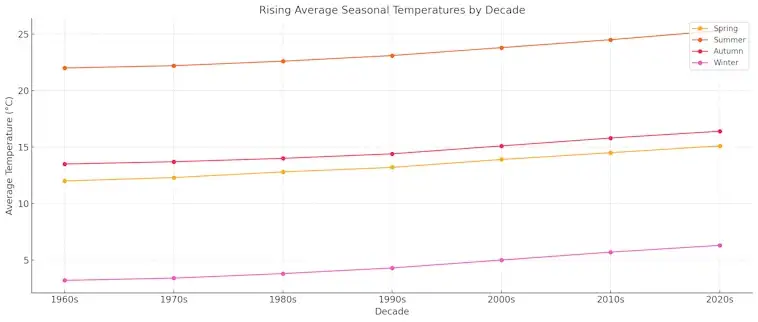
- Spring is starting sooner. In many regions, plants are budding and flowers are blooming weeks earlier than in decades past. While this might seem pleasant, it disrupts pollination cycles and affects local food systems.
- Summer is becoming longer and more intense. Hotter, drier conditions are stretching summer beyond its usual bounds. This puts extra stress on crops, water supplies, and even energy systems.
- Autumn arrives more slowly. Leaves are changing color later, and the cooling period that helps plants and animals prepare for winter is getting shorter.
- Winters are milder and less reliable. Snow is falling later and melting earlier. Some places experience sudden warm spells that throw ecosystems—and daily life—off balance.
Why These Shifts Matter
- Agriculture is highly seasonal. Crops rely on a delicate balance of temperature and moisture. Changing seasons can mean shorter growing periods or unexpected frosts that wipe out harvests.
- Wildlife depends on timing. From bird migrations to insect lifecycles, nature runs on a seasonal clock. When that clock shifts, it creates mismatches that ripple through entire ecosystems.
- Our routines are built around seasons. School schedules, holiday traditions, and even energy use are linked to seasonal expectations. When seasons blur, our daily lives feel the disruption too.
What We Can Expect Going Forward
- More unpredictability. Climate models predict increasing variability. One year may bring an early spring, the next a harsh, late-arriving winter. This unpredictability makes planning harder—for farmers, city planners, and families alike.
- New regional patterns. Some areas may experience more rainfall, others more drought. Seasonal norms are becoming less relevant as localized effects take hold.
- Long-term impacts on tradition and culture. Seasonal festivals, harvest rituals, and cultural events tied to nature’s rhythm may need to adapt—or be reimagined—in a warming world.
Looking Ahead: Adapting to a New Seasonal Normal
Understanding that the seasons are changing isn’t just a scientific observation—it’s a call to action. As the climate continues to evolve, we’ll need to rethink how we live, grow food, build communities, and connect with the natural world.
The rhythm of the seasons may be changing, but with awareness and action, we can learn to move in step with it.
How to Stay Grounded Through Rapid Seasonal Transitions
Have you ever felt off-balance when the weather changes suddenly? Maybe it’s that strange warm day in late winter, or a sudden drop in temperature just as you were getting used to spring. As seasonal transitions become more unpredictable, it’s not just nature that’s adjusting—we are too.
These rapid shifts can affect our mood, energy, focus, and overall wellbeing. But with a little awareness and a few intentional habits, we can stay centered and resilient—even when the seasons feel out of sync.
Why Seasonal Transitions Feel So Disruptive
- Our bodies thrive on routine. When daylight hours, temperatures, and weather patterns change quickly, it throws off our internal clock.
- Hormones like melatonin and serotonin are influenced by light and temperature. Sudden shifts can affect sleep, mood, and motivation.
- Emotional uncertainty often follows environmental change. Rapid weather swings can create a sense of instability that shows up as anxiety, fatigue, or irritability.
Simple Ways to Stay Grounded and Resilient
1. Create a Flexible Daily Routine
Even if the weather changes, your habits don’t have to.
- Wake up and go to bed at consistent times.
- Schedule regular meals and breaks.
- Keep a loose rhythm that can flex with the season, but doesn’t disappear entirely.
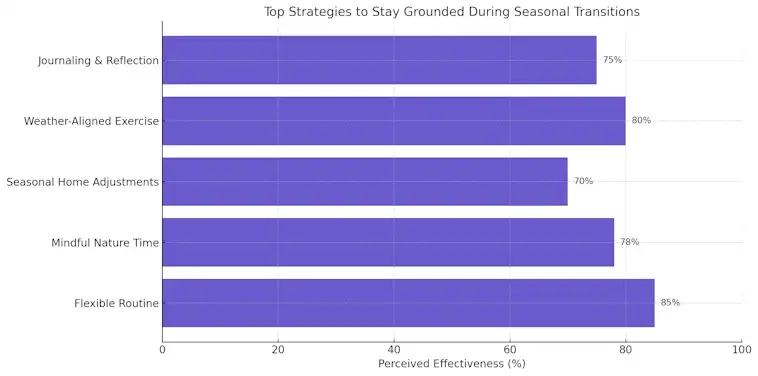
2. Spend Time in Nature—Mindfully
- Take short walks outdoors, even when it’s cloudy or cold.
- Notice how the trees, air, and light are changing. It keeps you connected and aware.
- Practicing mindful observation helps reduce stress and boosts emotional resilience.
3. Adjust Your Environment
- Bring seasonal balance indoors with lighting, textures, and scents.
- Use warm light in darker months and let natural light flood your space in spring and summer.
- A cozy space that reflects the season helps your brain adapt more smoothly.
4. Move Your Body with the Weather
- Shift your exercise routine with the season—outdoor runs in spring, indoor yoga in winter.
- Movement helps stabilize mood and improve sleep, even when weather throws your schedule off.
5. Journal or Reflect Regularly
- Writing down your thoughts and feelings during seasonal changes can reveal patterns.
- A journal is a great way to check in and feel more in control as nature shifts.
Looking Ahead: Change Is a Chance to Reconnect
You don’t need to control the weather—but you can choose how you respond to it. By staying present, flexible, and mindful, you can move with the seasons rather than against them.
Every transition is a chance to reset, recharge, and reconnect—with yourself and the world around you.
Embracing a New Seasonal Reality
Seasonal changes are no longer subtle—they’re reshaping everything from daily routines and mental wellbeing to ecosystems and climate rhythms. These shifts are happening all around us, whether in the earlier arrival of spring, hotter and longer summers, or the changing behavior of wildlife in our own neighborhoods.
By paying attention to these changes, we gain insight into how deeply connected we are to the natural world. More importantly, we can begin to respond with intention—adjusting our habits, supporting local biodiversity, and building resilience in our homes and communities.
Change doesn’t have to feel overwhelming. With awareness, adaptability, and a willingness to move with the seasons—not against them—we can thrive in a world where nature’s rhythms are evolving.
The seasons may be changing, but so can we—gracefully, mindfully, and with purpose.