

Biodiversity Preservation Is Nature’s Survival Plan
Biodiversity Preservation Is Protecting Nature’s Future
Nature’s balance depends on the variety of life that fills our planet. From towering forests to tiny soil microbes, every species plays a part in keeping ecosystems stable and productive. When biodiversity declines, so does the planet’s ability to provide clean air, fresh water, and fertile soil. The stakes are high, not just for wildlife but for human survival. By focusing on biodiversity preservation, we protect the natural systems that sustain life and strengthen our resilience against climate change, habitat loss, and other global threats. This is a path toward a healthier, more secure future for all living things.
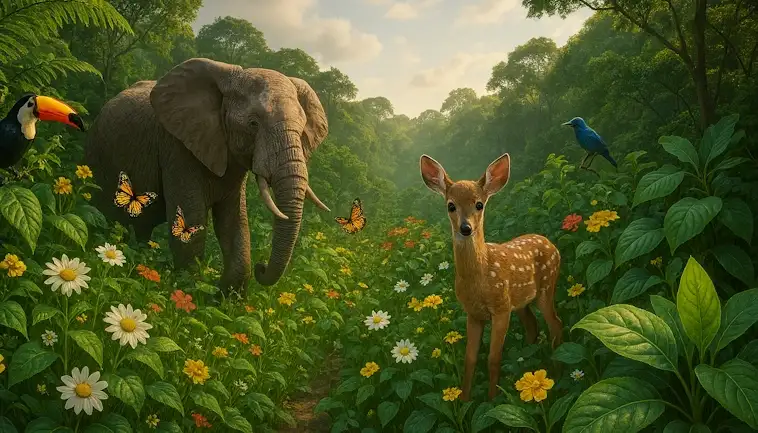
Why Biodiversity Preservation Is Crucial for a Healthy Planet
Biodiversity is the variety of life on Earth – from the tiniest microbes in the soil to vast rainforests and coral reefs. It’s not just about saving rare species. It’s about protecting the delicate web of life that keeps our planet running smoothly.
When biodiversity thrives, ecosystems are more resilient. Forests filter our air, wetlands clean our water, and healthy soils grow our food. These systems work together like an invisible safety net. But when we lose too many species, that net starts to tear.
Nature’s Silent Support System
Every species has a role to play. Bees pollinate crops, plankton produce oxygen, and predators keep populations in balance. Even organisms we rarely notice can have a big impact. For example, soil microbes help store carbon and fight climate change. Remove too many pieces from this puzzle, and the whole system weakens.

Right now, biodiversity is under threat. Deforestation, pollution, climate change, and overfishing are pushing species toward extinction at alarming rates. Once a species disappears, it’s gone forever – and the effects ripple through the environment.
Protecting biodiversity isn’t just an environmental issue. It’s a human issue. Our food security, health, and economies all depend on a stable, functioning natural world. Without it, we face more extreme weather, fewer natural resources, and greater risk from disease.
The good news is, we can act. Supporting conservation projects, protecting natural habitats, and making sustainable choices in daily life all make a difference. Governments, businesses, and communities need to work together to restore damaged ecosystems and safeguard what we have left.
Preserving biodiversity is really about preserving life itself. When nature thrives, so do we. And if we care for the planet now, it will continue to care for us for generations to come.
How Biodiversity Preservation Protects Our Food and Water Supply
When we talk about biodiversity, we’re really talking about life. From bees buzzing in gardens to fish swimming in rivers, every species plays a role. And believe it or not, protecting biodiversity helps keep our food and water safe.
Healthy ecosystems are like nature’s safety net. They filter water, pollinate crops, and keep pests in check. Without them, farming becomes harder, and clean water becomes scarce. It’s not just about saving rare animals—it’s about saving ourselves.
Nature’s Hidden Helpers
Take soil, for example. It’s full of tiny organisms that break down waste and recycle nutrients. These microbes help plants grow strong and healthy. Without them, crops struggle, and food quality drops.

Pollinators like bees and butterflies are also essential. They help fruits, vegetables, and nuts grow. No pollinators? No strawberries, almonds, or apples. It’s that simple.
And when it comes to water, wetlands and forests act like natural filters. They trap pollutants and keep our rivers clean. Destroy those habitats, and we risk losing access to safe drinking water.
Preserving biodiversity isn’t just a nice idea—it’s a smart move. It supports farming, protects water sources, and builds resilience against climate change. Plus, it keeps nature beautiful and alive.
So next time you hear about a conservation project, know it’s more than saving wildlife. It’s about protecting the systems that feed and hydrate us every day.
Biodiversity Preservation and Its Role in Combating Climate Change
Nature has a way of keeping things in balance. When we protect biodiversity, we’re not just saving animals or plants—we’re helping the planet stay healthy.
Forests, wetlands, oceans, and grasslands all play a role in absorbing carbon dioxide. The more diverse these ecosystems are, the better they work. Think of it like a team: the more skilled players you have, the stronger your defense against climate change.
Healthy ecosystems also help regulate temperature, support clean water, and reduce the impact of natural disasters. When species disappear, these systems weaken. That’s why preserving biodiversity isn’t just a nice idea—it’s essential.
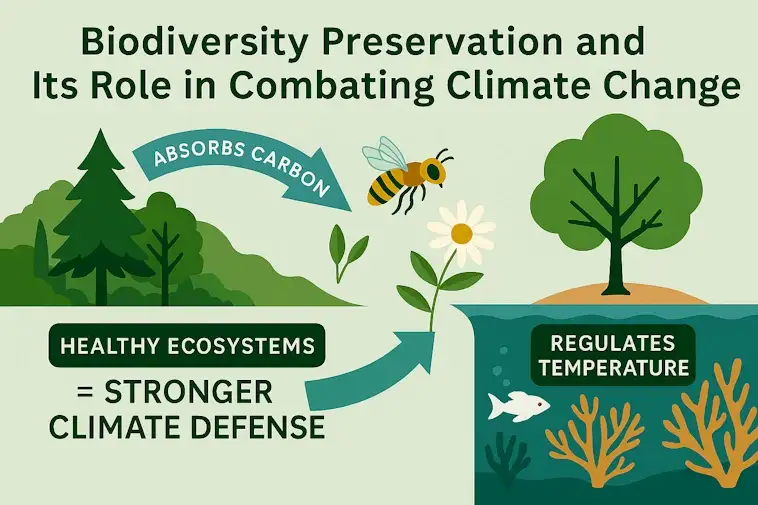
Why Bees and Trees Matter More Than You Think
Pollinators like bees help grow the food we eat. Trees store carbon and cool the air. Coral reefs protect coastlines and support marine life. Every species has a job, and when one goes missing, the whole system feels it.
Climate change puts pressure on these species. Rising temperatures, shifting seasons, and extreme weather make survival harder. But if we protect habitats and reduce emissions, we give nature a fighting chance.
Supporting local conservation efforts, planting native species, and choosing sustainable products all help. Even sharing knowledge—like this post—can spark change.
Community Action: Simple Steps for Biodiversity Preservation
Protecting biodiversity doesn’t have to be complicated. In fact, small actions—especially when done together—can make a big impact. Whether you live in a city flat or a countryside cottage, there’s always something you can do.
Grow Wild, Even in Small Spaces
Planting native flowers, herbs, or shrubs helps local wildlife thrive. Bees, butterflies, and birds rely on these plants for food and shelter. Even a window box or balcony garden can become a mini sanctuary.
Avoid pesticides and chemicals. They harm pollinators and disrupt soil health. Instead, go organic. It’s better for the planet and safer for pets and kids too.
Join or start a local gardening group. Sharing seeds, tips, and stories builds community—and spreads biodiversity.
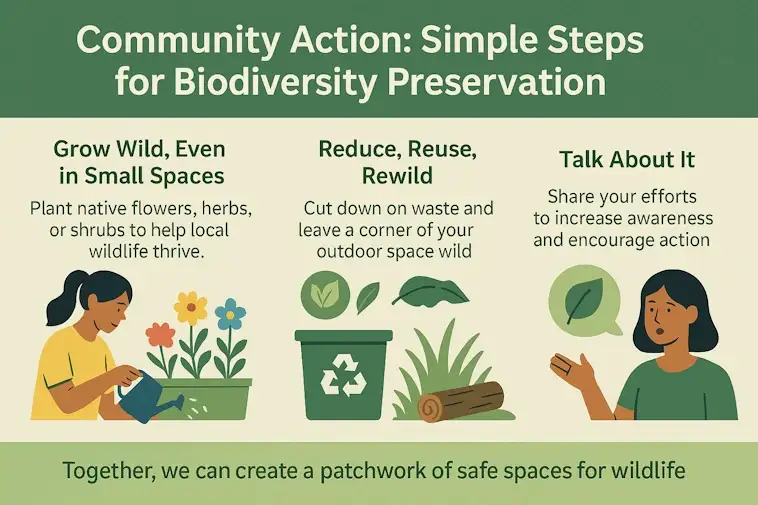
Reduce, Reuse, Rewild
Cutting down on waste helps protect natural habitats. Reuse materials, recycle properly, and support eco-friendly brands. Every choice counts.
If you have outdoor space, leave a corner wild. Fallen leaves, logs, and long grass create homes for insects and small mammals. It’s nature’s version of affordable housing.
Talk About It
Start conversations. Share what you’re doing on social media or in your local newsletter. Awareness leads to action. And action leads to change.
You don’t need to be a scientist or activist to make a difference. Just someone who cares enough to try.
Together, we can create a patchwork of safe spaces for wildlife—right in our own backyards.
The Future We Can Build Through Biodiversity Preservation
We often hear the word “biodiversity,” but what does it really mean for our future? It’s more than just saving animals or protecting forests. Biodiversity is the foundation of life. It’s the reason we have clean air, fresh water, and healthy soil. Without it, everything starts to fall apart.
Preserving biodiversity isn’t just a nice idea—it’s a necessity. Every species plays a role. Bees pollinate our crops. Wetlands filter water. Coral reefs protect coastlines. When we lose these natural systems, we lose the services they provide. And rebuilding them isn’t easy. Or cheap.
Small Actions, Big Impact
The good news? We can still make a difference. Supporting local conservation projects, planting native species, and reducing plastic use all help. Even choosing sustainable products sends a message. It says we care. It says we’re paying attention.
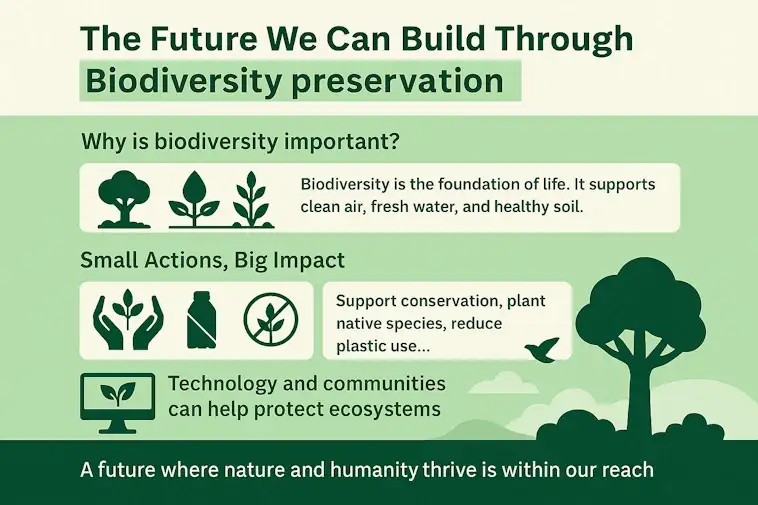
Technology also plays a role. From satellite tracking of endangered species to AI-powered tools that monitor ecosystems, innovation is helping us protect what matters. But it’s not just about tech—it’s about people. Communities working together. Governments making smart policies. Individuals choosing to act.
The future we can build through biodiversity preservation is one of balance. A world where nature and humanity thrive side by side. It’s not a dream—it’s a goal within reach. But only if we act now.
Let’s protect the wild, not just for the planet—but for ourselves, our children, and every living thing that calls Earth home.
Safeguarding Biodiversity Is Safeguarding Our Future
Preserving biodiversity isn’t just an environmental ideal—it’s a survival imperative. From pollinators that sustain our food systems to forests that regulate our climate, every species plays a vital role in maintaining Earth’s delicate balance. As habitat loss, climate change, and human activity accelerate the decline of ecosystems, our collective action becomes more urgent than ever.
By protecting biodiversity, we’re not only conserving nature’s intricate web of life—we’re investing in a resilient, sustainable future for generations to come. Let’s champion conservation efforts, support ecological restoration, and embrace the truth: biodiversity preservation is nature’s blueprint for survival—and ours too.