

Harnessing the Future: The Path to Clean Energy
Advancing into a sustainable future, clean energy stands at the forefront of transforming how we power our homes, industries, and transportation systems. The shift toward renewable resources is not just a necessity but a significant opportunity for innovation and growth. As we look toward the horizon, understanding the trajectory of clean energy development becomes paramount.
- Global Impact: Clean energy is making waves across the globe, reducing carbon footprints and fostering healthier environments.
- Technological Innovation: New technologies in solar, wind, and bioenergy are accelerating our transition to a greener future.
- Economic Opportunities: Investments in renewable energy are booming, creating jobs and new markets in diverse sectors.
By embracing these trends, we can craft a world that runs on reliable, affordable, and, most importantly, clean energy sources. This transformation requires collective efforts and visionary thinking to align with our ecological goals while boosting economic prosperity.
Harnessing the Future: The Path to Clean Energy
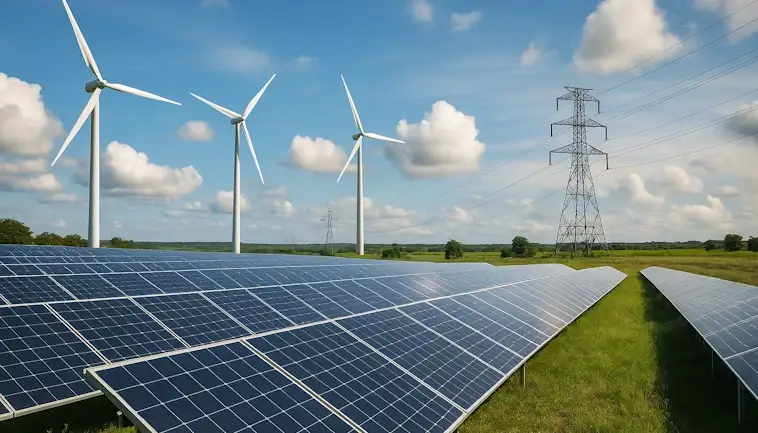
The Current State of Clean Energy
The global energy landscape is at a critical juncture. Fossil fuels—oil, coal, and natural gas—still dominate our energy consumption, but their environmental toll is prompting a swift shift toward cleaner alternatives. This shift is not just about reducing emissions; it’s about fostering a sustainable future.
Global Reliance on Fossil Fuels
- Current Use: Fossil fuels provide about 80% of the world’s energy. Despite growing awareness and the push for renewables, oil, coal, and gas remain central to energy systems, primarily due to their energy density and, historically, low cost.
- Environmental Impact: The use of fossil fuels is the largest source of CO₂ emissions globally, contributing to climate change. Moreover, extracting and burning these resources lead to air and water pollution, affecting biodiversity and human health.
Technological Advancements in Clean Energy
- Solar Panel Efficiency: Recent years have seen significant improvements in solar technology. The efficiency of solar panels has increased, allowing them to convert more sunlight into electricity. Perovskite solar cells, a new type of material, are particularly promising, offering higher efficiency and potentially lower manufacturing costs.
- Offshore Wind Farms: Offshore wind energy has expanded rapidly. These wind farms use larger turbines and take advantage of the consistent winds at sea to generate more power than their land-based counterparts. Europe and China are leaders in this area, with the U.S. also accelerating its offshore projects.
Clean Energy Adoption: Global Statistics and Leading Countries
- Global Trends: The International Renewable Energy Agency (IRENA) reports a steady increase in renewable energy capacity, with renewables now forming around 30% of the world’s power generation capacity.
Leading Examples
- Germany: Known for its ‘Energiewende’ (energy transition), Germany has made significant strides in adopting solar and wind energy.
- China: The world’s largest producer of solar power, China also leads in wind energy production and has invested heavily in renewable infrastructure.
- Costa Rica: This small country stands out for generating almost all of its electricity from renewable sources, primarily hydroelectric, geothermal, and solar.
As we continue to witness the impacts of climate change, the transition to clean energy becomes more critical. The advancements in technology not only make renewable energy more feasible but also more necessary. The push from both technological innovation and policy will likely continue to shape a future where clean energy plays a dominant role in global energy consumption. As countries and companies innovate and invest in these technologies, the potential to reduce our reliance on fossil fuels becomes increasingly attainable. This is not just a necessity for our environment but a promising opportunity for economic and social growth worldwide.
Benefits of Transitioning to Clean Energy
As the world grapples with the urgent need to address climate change, clean energy emerges as a vital solution. Not only does it offer a pathway to significantly reduce greenhouse gases and pollution, but it also has the potential to reshape economies by creating jobs and enhancing national security.
Environmental Benefits: Cleaner Air and Water
- Reduction in Carbon Emissions: Switching from fossil fuels to renewable sources like wind, solar, and hydroelectric power drastically cuts carbon emissions. These technologies produce little to no greenhouse gases as they generate energy, directly contributing to a decrease in global warming effects.
- Less Air and Water Pollution: Unlike fossil fuels, clean energy produces minimal particulate pollution, which benefits air quality and public health. Additionally, renewables require less water for operation compared to coal or gas plants, reducing water consumption and pollution, which helps preserve freshwater resources.
Economic Impact: Job Creation and Local Economies
- Job Growth: The renewable energy sector is labour-intensive. This means more jobs are created for each unit of electricity produced compared to fossil fuels. For instance, solar panels and wind turbines require installation and maintenance, creating ongoing employment opportunities.
- Boosting Local Economies: Investments in renewable energy projects often bring capital to local communities. This includes the construction and maintenance of infrastructure, which provides employment and can invigorate local economies, especially in rural areas where many clean energy projects are located.
Enhancing National Security
- Reducing Dependency on Imported Fuels: By investing in domestic renewable energy sources, countries can reduce their reliance on foreign oil and gas. This shift can lower the risk of price volatility and supply disruption, which often arise from geopolitical tensions.
- Strengthening Energy Independence: Developing local renewable energy sources allows nations to control their own energy supplies. This independence not only secures the energy grid but also makes countries less vulnerable to external political and economic pressures.
The transition to clean energy is not just an environmental imperative but also a strategic economic and security decision. By reducing emissions and pollution, clean energy contributes to a healthier planet. Economically, it fosters job creation and stimulates local economies. From a security standpoint, it enhances national energy independence. The comprehensive benefits of clean energy underscore its crucial role in shaping a sustainable and secure future.
Challenges Facing Clean Energy
While the shift toward clean energy holds the promise of a sustainable future, it comes with its own set of challenges that must be navigated carefully. Key among these are the limitations of current storage technologies, the high initial costs of transitioning, and the need for robust policy support. Understanding these hurdles is essential for developing effective strategies that can accelerate the adoption of renewable energy solutions.
Challenges in Energy Storage Technologies
- Intermittency Issues: Renewable sources like solar and wind are inherently intermittent—they produce energy only when the sun shines or the wind blows. This variability creates a demand for advanced energy storage solutions to ensure a steady and reliable power supply.
- Storage Capacity and Cost: Current battery technologies, such as lithium-ion, are the most common solution for storing energy. However, they are often expensive and have limitations in terms of energy density, lifespan, and environmental impact. Developing batteries that are cost-effective, durable, and eco-friendly remains a significant challenge.
- Scaling Up: To fully rely on renewables, massive storage systems need to be developed. Scaling up existing technologies to meet global demand poses technical and logistical challenges that are currently being addressed by ongoing research and development.
Financial Challenges in Transitioning to Clean Energy
- High Initial Costs: Transitioning to clean energy infrastructure requires significant upfront investment. For instance, setting up solar farms or wind turbines involves high capital costs compared to traditional energy sources which have established supply chains and economies of scale.
- Financial Risks for Businesses and Governments: The transition involves financial risks, including the potential obsolescence of existing fossil fuel infrastructure, regulatory changes, and the unpredictable costs of new technologies. Businesses and governments must navigate these uncertainties, which can be a deterrent to rapid adoption.
The Role of Policies and Regulations
- Need for Supportive Policies: Effective policies and regulations are crucial to facilitate the transition to clean energy. Incentives like tax breaks, subsidies for renewable energy projects, and penalties for high emissions can encourage businesses and consumers to switch to cleaner energy sources.
- Regulatory Frameworks: Governments need to implement regulatory frameworks that support the integration of renewables into the national grid. Policies that promote grid modernisation and the expansion of renewable energy capacities are essential to accommodate the growing share of renewables.
- International Cooperation: Climate change is a global issue that requires coordinated international efforts. Policies that foster collaboration and technology transfer between countries can help spread clean energy technologies more rapidly and efficiently.
The transition to clean energy is fraught with challenges, but they are not insurmountable. With strategic investments in technology and infrastructure, along with supportive policies and international cooperation, these challenges can be addressed effectively. The journey towards a clean energy future is complex but crucial for achieving sustainable environmental, economic, and social outcomes.
The Future of Clean Energy
The clean energy sector is continuously evolving, with emerging technologies promising to redefine how we produce and consume energy. Among these innovations, enhanced geothermal systems and advanced nuclear reactors stand out due to their potential to provide stable and substantial power outputs. However, the growth of these technologies depends significantly on supportive policies and regulatory frameworks. Let’s explore these cutting-edge technologies and the policies needed to nurture their development and integration into the energy market.
Emerging Technologies in Clean Energy
Enhanced Geothermal Systems (EGS)
- Overview: EGS are a development in geothermal energy where heat is extracted from the earth through artificially enhanced or created reservoirs. This technology can potentially unlock vast amounts of clean energy across the globe, not limited to naturally occurring geothermal sites.
- Technology and Potential: By injecting water into hot rocks and then extracting the steam, EGS can generate electricity consistently, unlike intermittent sources like solar and wind. The potential for EGS is vast, especially in regions without traditional geothermal resources.
Advanced Nuclear Reactors
- Overview: These are not your traditional nuclear reactors; they’re designed to be safer, more efficient, and more scalable. These include small modular reactors (SMRs) and reactors using new types of fuel that reduce the risk of meltdown.
- Benefits and Sustainability: Advanced reactors can generate large amounts of continuous, low-carbon energy and are seen as a critical part of the energy transition puzzle. They produce less nuclear waste and are designed to be integrated into various environments, including urban areas.
Policies to Support Growth in Clean Energy
Financial Incentives
- Subsidies and Grants: Direct financial incentives, such as subsidies for research and development or capital grants for new projects, can lower the barriers to entry for these technologies. These are crucial for attracting investments into sectors that have high initial costs and long maturation times, like geothermal and nuclear energy.
- Tax Incentives: Implementing tax breaks or enhanced tax deductions for clean energy projects can accelerate their adoption by making them financially more attractive.
Regulatory Frameworks
- Streamlining Permit Processes: Both enhanced geothermal systems and advanced nuclear reactors face significant regulatory hurdles that can delay projects. Streamlining these processes while ensuring safety can expedite development and reduce costs.
- Adapting Safety Standards: Especially for nuclear reactors, evolving safety and environmental standards to reflect technological advancements can help mitigate public and governmental concerns, fostering broader acceptance.
Support for Research and Development
- Government and Academic Collaboration: Investing in partnerships between government bodies, academic institutions, and industry can drive innovation. This support is vital for overcoming technical challenges associated with emerging clean energy technologies.
- International Collaboration: Policies that encourage international cooperation can facilitate technology transfer, shared research, and investment in large-scale projects, which are particularly important for advanced technologies requiring significant expertise and resources.
Emerging technologies like enhanced geothermal systems and advanced nuclear reactors have the potential to play pivotal roles in the clean energy transition. However, their success hinges on the implementation of thoughtful and robust policies that support innovation, reduce financial risk and streamline regulatory processes. By fostering an environment that encourages the development and deployment of these technologies, governments can ensure a smoother transition to a sustainable energy future.
Conclusion
As we navigate the complexities and opportunities of transitioning to clean energy, it’s clear that the journey requires not just technological innovation but a collective commitment. The advancements in enhanced geothermal systems and advanced nuclear reactors highlight the potential for a sustainable energy landscape that supports both our environmental goals and economic growth. These technologies, along with supportive policies and international cooperation, are essential in moving us towards a future where clean energy is not just an option but a norm.
Together, we can harness the power of the earth and innovative technology to create a resilient and energy-secure world for future generations. This vision for a cleaner, greener planet is not only achievable but imperative as we face the challenges of climate change head-on. Let’s continue to push the boundaries of what’s possible and invest in a future where clean energy leads the way.