

Green Guardians: The Vital Role of Vegetation in Our Ecosystems
Vegetation plays a crucial role in sustaining the health of our planet, acting as both protector and provider. From dense forests to urban parks, plants are more than just decorative elements; they are essential components of the ecological machinery that supports life on Earth. Understanding their vital contributions can inspire us to advocate for and nurture our green spaces.
- Climate Regulation: Plants are natural climate warriors, capturing carbon dioxide and releasing oxygen, helping to balance the greenhouse gases in our atmosphere.
- Water Preservation: Vegetation regulates water cycles, ensuring supplies are replenished and maintained through processes like transpiration and rainwater absorption.
- Biodiversity Support: Diverse plant life forms the foundation of most ecosystems, supporting a variety of wildlife by providing habitats and food sources.
- Soil Stability: Roots help to bind the soil, reducing erosion and improving fertility, which is crucial for agriculture and natural vegetation alike.
The relationship between plants and the environment is a complex, indispensable system that impacts our daily lives, even if we don’t always see it. By safeguarding our vegetation, we are, in turn, protecting our future.
Green Guardians: The Vital Role of Vegetation in Our Ecosystems
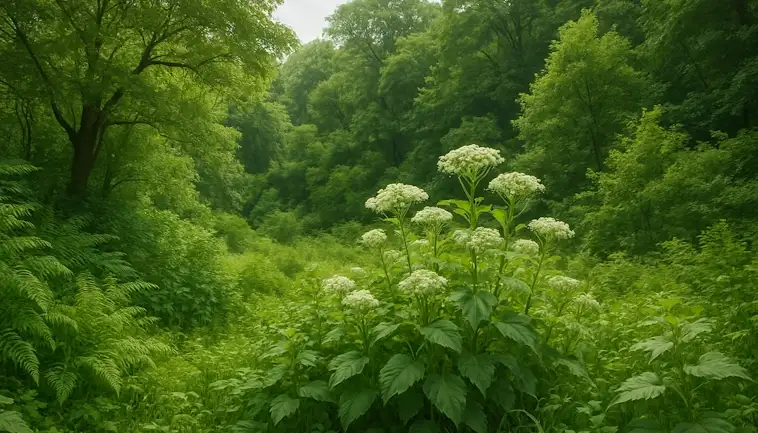
The Science of Vegetation
Vegetation is essentially all the plants and trees found in a particular area. This broad category includes everything from towering forests to sprawling grasslands and even aquatic plants in rivers and lakes. Vegetation is vital for maintaining ecological balance and supporting various forms of life.
Types of Vegetation
- Forests: These are areas densely packed with trees and are some of the most vital ecosystems on the planet. Forests can be divided into categories like rainforests, deciduous forests, and boreal forests, each hosting a unique mix of species and climates.
- Grasslands: Known for their open, grassy areas, grasslands can be found in regions where there is enough rain for grass to grow but not enough for large forests. These areas, including savannas and prairies, support a wide variety of animals and are used extensively for agriculture.
- Aquatic Plants: These plants live in water environments and can be found in a variety of locations from small ponds to vast oceans. Examples include seaweeds in the ocean and water lilies in freshwater habitats. These plants are crucial for maintaining water quality and providing habitat for marine life.
Photosynthesis: The Heart of Vegetation
Photosynthesis is the process that drives the growth of virtually all vegetation and supports life on Earth. Here’s how it works:
- Light Absorption: Plants absorb sunlight using a pigment called chlorophyll, which is mainly found in the leaves.
- Water and Carbon Dioxide Use: The plant takes in carbon dioxide from the air through small leaf pores called stomata, and water from the soil through its roots.
- Glucose Production: Using the energy from sunlight, the plant converts water and carbon dioxide into glucose, a type of sugar that plants use for energy and growth.
- Oxygen Release: As a byproduct of photosynthesis, oxygen is released into the atmosphere.
Why is Photosynthesis Important?
- For Plants: Photosynthesis is crucial because it’s how plants produce the food they need to grow, reproduce, and survive.
- For the Atmosphere: The oxygen released during photosynthesis is essential for the survival of most life on Earth, including humans.
- For Climate Regulation: Through photosynthesis, plants absorb carbon dioxide, a greenhouse gas, thus playing a role in controlling Earth’s climate.
Understanding vegetation and its processes like photosynthesis helps us appreciate how deeply interconnected life on our planet is and highlights the importance of preserving diverse ecosystems to maintain the health of our planet.
Benefits of Vegetation
Plants play a fundamental role in shaping our environment, beyond their obvious aesthetic and biological importance. They are powerful agents in reducing pollution, influencing climate patterns, and managing the water cycle.
How Plants Reduce Pollution
- Absorbing Pollutants: Plants absorb a variety of pollutants through their leaves and roots. These include particulate matter, carbon monoxide, and nitrogen dioxide, common in urban environments. By incorporating these pollutants into their tissues, plants help clean the air.
- Producing Oxygen: Through photosynthesis, plants convert carbon dioxide into oxygen, improving air quality. This is vital in urban areas, where pollution levels are typically higher and natural green spaces can provide a much-needed breath of fresh air.
Vegetation’s Influence on Climate Patterns
- Evapotranspiration: This process involves the transfer of water from the soil and plants to the atmosphere. Plants release water vapour through their leaves, which helps cool the air temperature. This local cooling effect can be significant in reducing urban “heat islands,” areas that are significantly warmer than their rural surroundings due to human activities.
- Carbon Sequestration: Plants, particularly trees, absorb carbon dioxide during photosynthesis and store it as carbon in their biomass (trunks, branches, roots, and leaves). This makes vegetation a crucial carbon sink, helping to mitigate climate change by reducing the overall concentration of greenhouse gases in the atmosphere.
Plants and the Water Cycle
- Influencing Rainfall Patterns: Large areas of vegetation, like rainforests, contribute to the formation of rain clouds. The moisture released through evapotranspiration can condense into clouds, leading to increased precipitation. This is particularly evident in tropical regions but also plays a role in temperate climates.
- Water Purification: Plants improve water quality by filtering and breaking down pollutants through a process known as phytoremediation. Roots trap sediments and other pollutants, which are either stored in the plant or broken down into less harmful substances. This natural filtration system is vital for maintaining the health of freshwater ecosystems.
The role of plants in environmental management is multifaceted and essential. By absorbing pollutants, influencing climate through cooling and carbon sequestration, and playing a critical role in the water cycle, vegetation proves to be a key component in sustaining and enhancing life on Earth. As we face increasing environmental challenges, understanding and leveraging these natural processes through the preservation and expansion of plant life is more important than ever. This holistic view encourages a deeper appreciation and proactive engagement in environmental conservation efforts.
Vegetation and Biodiversity
Vegetation forms the backbone of many ecosystems, providing essential habitats for various species while facilitating intricate relationships between flora and fauna. Different types of vegetation not only offer shelter but also play a key role in the survival and reproductive processes of many animals.
Types of Vegetation and Their Role as Habitats
- Forests: Forests are among the most diverse ecosystems on Earth, providing habitat for countless species. From the dense canopy trees to the rich undergrowth, each layer of the forest offers different resources and shelters for species ranging from insects to large mammals and birds.
- Grasslands: Grasslands, including savannas and prairies, offer vast open spaces primarily inhabited by grazing animals like bison and antelope, and their predators. These landscapes support a variety of life forms, which depend on the grasses not only for food but also for cover from predators.
- Wetlands: Wetlands are crucial for water birds, fish, amphibians, and reptiles. They serve as breeding grounds, offer abundant food sources, and provide protection in their complex aquatic vegetation.
- Deserts: Although harsh, deserts have vegetation like cacti and small bushes that provide essential refuge and food for specialised fauna adapted to extreme conditions.
Relationships Between Plants and Animals
- Pollination: This vital ecological service involves the transfer of pollen from one flower to another, facilitating plant reproduction. Animals, especially insects like bees and butterflies, as well as some birds and bats, are key pollinators. In return, these animals often receive nectar and pollen as food, demonstrating a mutualistic relationship.
- Food Sources: Plants are the primary producers in ecosystems, forming the base of the food chain. Herbivorous animals rely directly on plants for food, which in turn supports higher trophic levels like carnivores. Fruits, seeds, leaves, and even the bark of plants serve as food for a diverse array of wildlife.
- Shelter and Nesting: Trees and shrubs provide shelter and nesting sites for birds and some mammals. The physical structure of plants offers protection from the elements and predators, making them critical for animal survival and reproduction.
- Camouflage and Protection: Vegetation provides camouflage for many species, helping them to avoid predators. The colour and shape of plants and their parts can help insects and animals blend into their surroundings.
The interdependencies between plants and animals underscore the complexity and richness of biodiversity. Vegetation types create unique habitats that cater to the needs of specific species, forming ecosystems that are finely tuned over millennia. Protecting these natural habitats is crucial for preserving biodiversity and the ecological services that plants provide through relationships like pollination and food supply. Understanding these dynamics is essential for informed conservation efforts and ecological management.
Vegetation in Agriculture and Urban Environments
Vegetation plays a crucial role in supporting agriculture by enhancing soil fertility and facilitating crop pollination. In urban areas, green spaces like parks and street trees significantly contribute to human health and well-being. Exploring these roles provides insights into the multifaceted benefits of vegetation in both rural and urban settings.
Vegetation’s Support in Agriculture
- Soil Fertility: Vegetation improves soil fertility in several ways. Plant roots help to stabilise the soil and reduce erosion. As plants decompose, they enrich the soil with organic matter, which improves soil structure and increases its capacity to retain water and nutrients. Additionally, certain plants, especially legumes, have the ability to fix atmospheric nitrogen, thereby naturally enriching the soil with this crucial nutrient, and reducing the need for synthetic fertilisers.
- Crop Pollination: Many crops depend on pollinators, such as bees, butterflies, and other insects, which are supported by diverse vegetation. The presence of various plant species around agricultural fields can attract and sustain these pollinators, thereby enhancing crop yield and quality. This biodiversity is essential for sustainable agriculture, as it helps ensure the pollination of flowering plants, including many fruits and vegetables crucial to human nutrition.
Benefits of Urban Vegetation
- Human Health: Urban vegetation, including parks and street trees, has been shown to improve physical and mental health. Green spaces offer areas for recreation and exercise, which are linked to lower obesity rates and improved mental health. The presence of plants can also reduce stress levels, providing a psychological breath of fresh air amidst urban environments.
- Air Quality Improvement: Trees and plants in urban areas help filter pollutants and fine particulates from the air. By absorbing gases like carbon dioxide and releasing oxygen, they improve air quality, which can mitigate the effects of pollution on respiratory health.
- Temperature Regulation: Vegetation provides natural cooling effects in cities, where concrete and asphalt typically create “heat islands” with significantly higher temperatures than surrounding areas. Trees and plants reduce surface and air temperatures through shading and evapotranspiration, creating a more comfortable and sustainable urban environment.
- Social Benefits: Urban green spaces can foster community interactions and enhance the aesthetic value of neighbourhoods. Parks and green areas are gathering places that encourage social cohesion, provide cultural opportunities, and improve the overall quality of life in cities.
The integration of vegetation in both rural and urban landscapes offers extensive benefits, from enhancing agricultural productivity through natural means such as soil fertility and pollination to improving human health and social well-being in city environments. As urban areas continue to grow, the strategic placement and maintenance of green spaces will be key to sustainable development and enhanced quality of life for city dwellers. Meanwhile, in agricultural settings, preserving and promoting biodiversity through vegetation can sustain and enhance food production systems, securing food supplies and supporting ecosystem health.
Threats to Vegetation
Vegetation across the globe faces multiple threats from human activity and environmental changes. Understanding these threats is crucial for developing strategies to protect and sustain plant life, which is essential for biodiversity, climate regulation, and human well-being.
Major Threats to Vegetation
- Deforestation: The removal of large areas of forest for timber, agriculture, or urban development is one of the most direct and devastating threats to vegetation. Deforestation leads to the loss of habitat for millions of species, disrupts the water cycle, and reduces the amount of carbon dioxide that forests can absorb, exacerbating climate change.
- Climate Change: Changes in climate patterns can alter the natural distribution of plant species. Rising temperatures, altered rainfall patterns, and increased frequency of extreme weather events like droughts and storms can stress vegetation, reduce growth rates, and lead to shifts in ecosystems. Plants that cannot adapt or migrate to cooler climates may face extinction.
- Invasive Species: Non-native plants, animals, and pathogens can become invasive species, which often lack natural predators in new environments. These invaders can outcompete, displace, or kill native vegetation, leading to reduced biodiversity and the disruption of local ecosystems.
Direct Impacts of Urbanisation and Land Development
- Loss of Natural Habitat: Urban expansion typically involves clearing natural vegetation to make way for construction, roads, and other infrastructure. This loss of habitat not only reduces biodiversity but also disrupts local ecosystems, affecting species that depend on native plants for food, shelter, and breeding grounds.
- Fragmentation of Ecosystems: Urbanisation often fragments larger contiguous tracts of natural landscapes into smaller, isolated patches. This fragmentation can limit the movement of wildlife, reduce genetic diversity among plant populations, and make ecosystems more vulnerable to other stresses like pollution and climate change.
- Soil Degradation: Construction and urban development often lead to soil compaction and contamination with pollutants, which can severely impact the health of existing vegetation and reduce the area’s suitability for future plant growth.
- Alteration of Local Climate: Urban areas tend to create ‘heat islands’ — zones that are significantly warmer than their rural surroundings. This increase in temperature can alter local climate conditions, making them unsuitable for some native plant species and facilitating the growth of others, potentially including invasive species.
The threats facing vegetation are complex and interlinked, often stemming from human activities that prioritise short-term gains over long-term sustainability. Addressing these challenges requires comprehensive strategies that include sustainable land use planning, protection of natural habitats, restoration of degraded environments, and global efforts to combat climate change. By understanding and mitigating these threats, we can help preserve the vital roles that vegetation plays in our environment.
Conservation and Future Perspectives
Preserving and restoring vegetation is crucial for maintaining biodiversity, regulating climates, and supporting human livelihoods. As we face environmental challenges like deforestation, climate change, and urban expansion, innovative and forward-thinking strategies are essential for protecting our planet’s green cover. The integration of modern technologies like satellite imaging and artificial intelligence (AI) has revolutionised the way we monitor and manage vegetation health.
Strategies for Vegetation Conservation and Restoration
- Protected Areas: Establishing national parks, nature reserves, and wildlife sanctuaries are traditional but powerful methods to protect existing vegetation and the biodiversity it supports.
- Reforestation and Afforestation: Planting trees where forests have been depleted (reforestation) or creating new forests in previously non-forested areas (afforestation) are critical for restoring ecological balance, enhancing carbon sequestration, and recovering habitat for wildlife.
- Ecological Restoration: This approach goes beyond tree planting, aiming to restore entire ecosystems to their natural state. It involves reintroducing native plant species, removing invasive species, and managing natural fires and flooding regimes to support diverse life forms.
- Sustainable Agriculture and Forestry Practices: Implementing agroforestry, which integrates trees into agricultural landscapes, and promoting sustainable logging practices help maintain ecological integrity while meeting human needs.
Technological Advances in Vegetation Management
- Satellite Imaging: Satellites provide comprehensive and up-to-date images of Earth’s surface, enabling scientists to monitor changes in vegetation cover on a global scale. This technology helps in detecting deforestation, forest degradation, and changes in land use with high accuracy.
- Artificial Intelligence (AI): AI is used to analyse data from satellite images and ground-based sensors to assess vegetation health, predict growth patterns, and identify stressed areas due to pests, diseases, or climatic conditions. Machine learning models can predict how ecosystems might respond to different environmental scenarios, aiding in making informed conservation decisions.
- GIS and Remote Sensing: Geographic Information Systems (GIS) and remote sensing are used together to create detailed maps and spatial analyses of vegetation. These tools help in planning restoration projects, monitoring biodiversity, and managing natural resources more efficiently.
A Forward-Thinking Approach to Sustaining Vegetation
To improve our interaction with vegetation and ensure its sustainability for future generations, we must adopt a multi-faceted and proactive approach:
- Integrating Green Infrastructure in Urban Planning: Cities should integrate more green spaces, vertical gardens, and green roofs to mitigate heat island effects, improve air quality, and enhance urban biodiversity.
- Promoting Community Involvement: Engaging local communities in conservation efforts ensures that strategies are culturally appropriate and economically beneficial, increasing the likelihood of long-term success.
- Enhancing Global Cooperation: International collaboration is essential in tackling global challenges like climate change and biodiversity loss. Sharing knowledge, resources, and technologies can lead to more effective conservation strategies worldwide.
- Investing in Education and Research: Raising awareness about the importance of vegetation and investing in ecological research are crucial for developing new technologies and strategies for conservation and restoration.
By embracing innovative technologies and interdisciplinary approaches, we can better understand, monitor, and protect our vegetation. The continued evolution of strategies for vegetation conservation and restoration, supported by advancements in technology and increased public awareness and involvement, will be key to maintaining the health of our planet’s ecosystems. Looking forward, it’s clear that a commitment to sustainability and cooperation across borders and sectors will be essential for ensuring that vegetation thrives for generations to come.
Conclusion
Vegetation serves as the Earth’s vital lungs, not only breathing life into every corner of our planet but also providing an indispensable foundation for biodiversity and human well-being. As Green Guardians, plants perform crucial roles—from purifying our air and water to stabilising climates and supporting a myriad of life forms. The intricate relationships between plants and animals underscore the complexity of ecosystems where every element is interconnected and interdependent.
Facing threats like deforestation, climate change, and urban expansion, it is imperative that we step up our efforts to protect and restore these natural habitats. Innovative technologies such as satellite imaging and AI have enhanced our ability to monitor and manage ecosystem health, offering hope and new possibilities for conservation.
As we move forward, let us commit to a deeper appreciation and proactive stewardship of our green guardians. By integrating vegetation into urban planning, supporting sustainable practices, and fostering global cooperation, we can ensure that these vital components of our ecosystems continue to thrive. Through such collective and informed actions, we safeguard not only the natural beauty and biodiversity of our planet but also the quality of life for future generations.