

Beneath the Blossoms: Unveiling the Impact of Pesticides on Pollinators and Plant Life
In springtime, under the delicate canopy of blooming trees, a silent struggle is unfolding. This struggle involves the very creatures that ensure the beauty and bounty of these blossoms: our vital pollinators. Bees, butterflies, and other pollinating species face increasing threats from a common element in our agricultural and gardening practices—pesticides. The impact of these chemicals on pollinators, and subsequently on the plants they fertilise, is profound and far-reaching.
- The Hidden Dangers: While pesticides are designed to protect crops from pests, they often do not discriminate, harming beneficial insects as well.
- A Ripple Effect: The decline in pollinator populations leads to decreased plant reproduction and biodiversity, affecting entire ecosystems.
- Human Implications: The consequences extend beyond nature, impacting food supplies and economies reliant on crop production.
Beneath the Blossoms: Unveiling the Impact of Pesticides on Pollinators and Plant Life
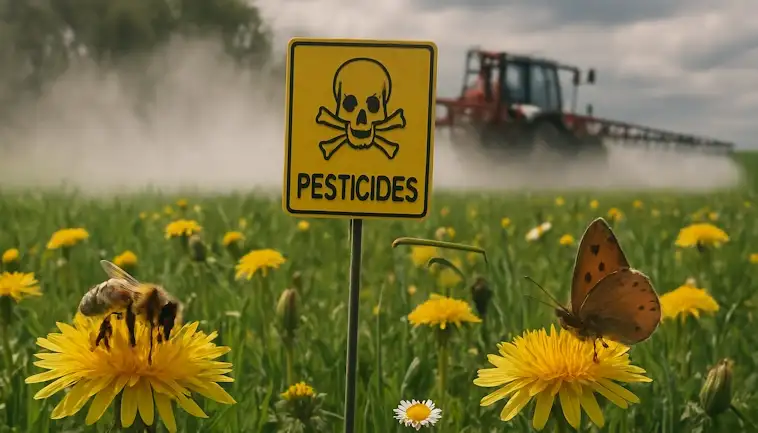
Understanding Pesticides
Pesticides are substances used to prevent, destroy, or control pests including weeds, fungi, and insects that can harm crops, forests, and gardens. The most common types include insecticides, herbicides, and fungicides, each targeting specific pests and diseases.
Insecticides
- Purpose: Insecticides are chemicals designed to control insects by killing them or preventing their damaging behaviour.
- Common Types: Organophosphates and pyrethroids are widely used. The former affects the nervous system of insects, while the latter is favoured for its effectiveness and lower toxicity to mammals.
Herbicides
- Purpose: Herbicides are used to manage unwanted vegetation (weeds) that compete with crops for light, water, and nutrients.
- Common Types: Glyphosate is one of the most popular herbicides globally due to its broad-spectrum effectiveness. It inhibits an enzyme essential for plant growth.
Fungicides
- Purpose: Fungicides help control fungal problems on plants, which can cause serious damage in agriculture, reducing crop yields and quality.
- Common Types: Chlorothalonil and mancozeb are frequently used to fight a wide range of fungal diseases in crops.
Methods of Pesticide Application
- Spraying: The most common method involves liquid sprayers. This can be done using handheld sprayers for small areas or aerial sprayers for large fields.
- Dusting: Applying pesticide as a dry powder, often used when conditions are not suitable for spraying liquids.
- Fumigation: Introducing pesticidal gases into a space to disinfect it or to eradicate pests from soil or storage facilities.
Global Scale of Use
- Agricultural Dominance: The majority of pesticide use is in agriculture to ensure crop health and improve productivity.
- Increasing Demand: With the global population growing, the demand for pesticides is increasing, especially in rapidly developing countries.
- Regulatory Challenges: The use of pesticides is heavily regulated in many countries due to environmental and health concerns. This includes bans and restrictions on certain chemicals.
The global reliance on pesticides presents both challenges and opportunities. On one hand, they are essential for maintaining food supply for the growing population. On the other, their use raises concerns about environmental damage and health risks, prompting ongoing research into safer and more sustainable methods.
The Plight of Pollinators
Pesticides, while crucial for controlling agricultural pests, can have severe adverse effects on non-target organisms like bees, butterflies, and other pollinators. These effects can range from immediate lethality to more subtle, long-term health issues affecting behaviour, reproduction, and overall population viability.
Impact on Bees
- Neurotoxic Effects: Many insecticides, particularly neonicotinoids, are known to affect the central nervous system of bees, leading to disorientation, reduced foraging ability, and eventually death. Neonicotinoids, like imidacloprid and clothianidin, are systemic chemicals absorbed by the plant, making all parts of it toxic to insects.
- Colony Collapse Disorder (CCD): While the exact cause of CCD is still debated, exposure to pesticides is a significant suspected factor. CCD is characterised by the sudden disappearance of worker bees from a colony, leaving behind a queen, food, and a few nurse bees to care for the remaining immature bees.
Impact on Butterflies
- Habitat and Food Source Contamination: Herbicides used to control weeds can destroy the natural habitats and food sources of butterflies. For example, the widespread use of glyphosate has been linked to the decline in milkweed populations in North America, a critical food source for monarch butterflies.
- Direct Toxicity: Butterflies and their larvae can be directly exposed to pesticides sprayed on crops, leading to acute toxicity and death or longer-term sublethal effects impacting their growth and reproductive success.
Real-World Examples of Declines in Pollinator Populations
- Monarch Butterflies: Studies have documented declines in monarch butterfly populations in regions with heavy herbicide use, particularly glyphosate, which destroys milkweed, their breeding habitat.
- Honeybees in Europe and North America: There have been significant bee population declines in areas with intensive agriculture and heavy use of neonicotinoids and other pesticides. This has led to bans and restrictions on certain pesticides in regions like the European Union.
Mitigation Efforts and Regulatory Actions
- Pesticide Regulation: The European Union, recognising the threat to bees, has restricted the use of certain neonicotinoids since 2013. This move aimed to protect bee populations and has spurred ongoing research into the impacts of these and other pesticides.
- Alternative Pest Control: There’s increasing interest in integrated pest management (IPM) techniques that combine biological, cultural, and chemical tools in a way that minimises harm to pollinators.
The balance between protecting crops and conserving pollinators is delicate and crucial. Continued research and adaptive management strategies are essential to mitigate the negative impacts of pesticides on these important insects, ensuring both agricultural productivity and ecological health.
Consequences for Plant Life
Pesticides, while designed to protect plants from pests and diseases, can sometimes have unintended harmful effects on the plants they are meant to safeguard. These adverse effects can manifest as phytotoxicity or through disruptions in the soil’s microbial balance.
Phytotoxicity
- Definition and Effects: Phytotoxicity occurs when a pesticide causes direct damage to plants, leading to symptoms such as leaf scorch, spotting, wilting, or even death. This can happen if the pesticide is misapplied (over-applied or applied under the wrong environmental conditions), or if the plants are particularly sensitive to the chemical used.
- Examples: Certain herbicides, when used in excess or in sensitive crops, can cause chlorosis (yellowing of leaves) or necrosis (death of plant tissue). Some fungicides and insecticides might also accumulate in the soil and affect plant health by damaging root systems or inhibiting growth.
Disruption of Soil Microbial Balance
- Impact on Soil Health: Pesticides can harm beneficial soil microorganisms which play crucial roles in nutrient cycling, organic matter decomposition, and disease suppression. This disruption can lead to reduced soil fertility and increased vulnerability to diseases.
- Long-term Soil Productivity: Overuse or repeated use of certain pesticides can lead to a decline in soil biodiversity, impacting its structure and function, and ultimately, its productivity.
Effects of Pollinator Decline on Plant Pollination
- Reduction in Crop Yields: Many crops rely on bees and other pollinators for fruit and seed production. A decline in pollinator populations can directly affect crop yields and quality, which is a significant concern for food security.
- Economic Impact: The economic impact of reduced pollination can be substantial, affecting not only agricultural producers but also industries dependent on these agricultural products.
Broader Ecological Impacts
- Biodiversity Loss: The decline in pollinators affects not just agricultural systems but also natural ecosystems where many plants depend on animal pollinators for reproduction. This can lead to reduced plant diversity and the loss of species that depend on those plants.
- Ecosystem Services: Pollinators contribute to ecosystem services beyond agriculture, including supporting wild plant populations, contributing to healthy watersheds, and more. Their decline can thus have cascading effects on ecosystem health and resilience.
Mitigating Strategies
- Integrated Pest Management (IPM): IPM strategies can help reduce the reliance on chemical pesticides by incorporating biological controls, crop rotation, and other cultural practices that minimise pest outbreaks.
- Selective Pesticide Use: Choosing pesticides that are less harmful to non-target species and applying them in ways that reduce environmental impact can help preserve beneficial organisms in the ecosystem.
- Supporting Pollinator Habitats: Creating and preserving habitats that support pollinators can mitigate the impacts of pesticide use in agricultural landscapes.
Understanding and mitigating the negative impacts of pesticides on plants and pollinators is crucial for sustainable agriculture and ecological health. Promoting practices that protect soil health, reduce phytotoxic risks, and support pollinator populations are essential steps towards this goal.
Alternative Solutions and Sustainable Practices
Minimising pesticide use is crucial for environmental sustainability, pollinator health, and overall ecosystem balance. Integrated Pest Management (IPM) is a strategic approach that emphasises the use of multiple methods to manage pests most economically while causing the least possible hazard to people, property, and the environment.
Integrated Pest Management (IPM)
- Monitoring and Identification: Regular monitoring of pest populations and damage helps to apply control methods only when necessary and in targeted areas, reducing overall pesticide use.
- Cultural Practices: Techniques such as crop rotation, selecting disease-resistant plant varieties, and proper crop spacing can naturally reduce pest outbreaks.
- Biological Control: Utilising natural predators or parasites of pests can help keep pest populations in check. For instance, ladybugs can be introduced to control aphids, and nematodes can be used for soil-dwelling insect larvae.
- Chemical Control: When chemical interventions are necessary, IPM promotes the use of pesticides with the least toxicity and environmental impact, applied in a way that maximises effectiveness and minimises harm to non-target organisms.
Supporting Pollinator Health
Creating and maintaining environments that support pollinator health is integral to the ecological balance and is especially important given the threats from widespread pesticide use. Here are some effective strategies:
- Planting Native Flowers: Native plants are often more attractive to local pollinators and typically require less water and care than non-natives. They provide essential nectar and pollen sources throughout the growing season.
- Reducing Lawn Space: Lawns offer little benefit to wildlife, including pollinators. Converting lawn areas into wildflower meadows or gardens planted with a variety of species can provide food and habitat for bees, butterflies, and other beneficial insects.
- Avoiding Chemicals: Reducing or eliminating the use of chemical pesticides and herbicides in gardens helps protect pollinators that visit these plants. Opt for natural pest control methods and organic products where possible.
- Providing Habitat Features: Features like bee hotels for solitary bees, shallow water sources for butterflies, and undisturbed grassy areas for ground-nesting bees can enhance habitat diversity and support a healthy pollinator population.
- Seasonal Planting: Ensuring that there are flowering plants available throughout the seasons, particularly early spring and late fall when fewer natural food sources are available, can provide continuous support for pollinators.
By incorporating these strategies into agriculture and gardening practices, individuals and communities can significantly contribute to reducing the reliance on harmful pesticides and enhancing the health and sustainability of pollinator populations. This not only supports biodiversity but also aids in maintaining the health of ecosystems that humans rely on for food, clean air, and water.
The Role of Policy and Public Awareness
Addressing the impact of pesticides on ecosystems and pollinators has become a crucial element of environmental policy globally. Many countries have implemented regulations aimed at reducing the negative effects of pesticide use, though the effectiveness of these policies can vary significantly.
Current Policies Regarding Pesticide Use
- European Union (EU): The EU has been at the forefront of regulating pesticide use, especially with its ban on neonicotinoids known to harm bees. The EU’s regulations require thorough risk assessments and monitoring programs before certain pesticides can be approved for use.
- United States: The U.S. Environmental Protection Agency (EPA) regulates pesticides under the Federal Insecticide, Fungicide, and Rodenticide Act (FIFRA), which emphasises the safe handling and application of these chemicals. However, critics argue that U.S. policies could be more stringent in terms of the approval and continued use of certain high-risk pesticides.
- Developing Countries: Regulatory frameworks in many developing countries are less robust due to limited resources, lack of enforcement, or the prioritisation of agricultural productivity over environmental concerns. This often leads to higher risks of pesticide misuse and greater impacts on pollinators and human health.
Effectiveness of Policies
The effectiveness of pesticide regulations largely depends on enforcement, public awareness, and the adoption of integrated pest management practices. In regions with strict regulations and comprehensive enforcement strategies, there has been a noticeable improvement in pollinator health and reduced pesticide residues in the environment. However, without adequate enforcement and compliance, even well-designed policies may fail to produce the desired outcomes.
Importance of Public Awareness Campaigns
Public awareness campaigns play a pivotal role in promoting pollinator-friendly practices and supporting policy changes. Their importance includes:
- Educating the Public: Many people are unaware of the critical roles pollinators play in ecosystems and in the production of food crops. Awareness campaigns can educate the public on how simple changes in garden and land management practices can make a big difference.
- Support for Policy Changes: Well-informed citizens are more likely to support and demand effective and environmentally sound policies from their governments. Public pressure can lead to stricter regulations on pesticide use.
- Promoting Pollinator-Friendly Practices: Campaigns can encourage the planting of native plants, the reduction of pesticide use, and the implementation of pollinator gardens in community spaces, schools, and private homes.
- Encouraging Corporate Responsibility: Awareness campaigns can also influence companies to adopt more sustainable practices, such as using less harmful pesticides or investing in alternative pest control methods.
Real-World Examples
- Bee City USA: This program in the United States encourages cities and campuses to become certified as pollinator-friendly by meeting certain standards, including public education about pollinators, habitat creation, and policy development.
- Pollinator Partnership: A nonprofit organisation that works across North America to protect pollinators through conservation, education, and research. They have numerous initiatives aimed at spreading knowledge and encouraging the adoption of pollinator-friendly practices.
While many countries have established regulations aimed at controlling the use of pesticides, the success of these policies hinges on robust enforcement, scientific backing, and public engagement. Awareness campaigns are critical in mobilising community action and supporting legislative changes that aim to reduce pesticide usage and protect pollinator health.
Conclusion
The relationship between pesticides, pollinators, and plant life is complex and deeply intertwined. The evidence points to a troubling trend where the very tools used to enhance plant growth can inadvertently harm vital creatures like bees and butterflies, which are essential for pollination and the health of natural ecosystems. Moreover, the detrimental effects of these chemicals on the intricate balance of soil and plant health further complicate our agricultural practices.
However, there is a path forward. By adopting Integrated Pest Management strategies and supporting policies that mitigate pesticide risks, we can safeguard our pollinators while still meeting our agricultural needs. Public awareness and community action play crucial roles in this endeavour, driving the demand for safer practices and more stringent regulations.
As stewards of our environment, it is incumbent upon us to ensure that the blossoms overhead continue to buzz with life, not just for our sake, but for the health of our planet and future generations. The choices we make today in how we manage pests and protect pollinators will shape the landscape of tomorrow. Let’s choose a path that keeps our gardens, fields, and forests vibrant and thriving.