

The Silent Crisis: Understanding Species Extinction and Its Impact on Our World
In an era marked by rapid environmental changes and global biodiversity crises, the issue of species extinction has emerged as one of the most pressing challenges facing our planet. Every species plays a crucial role in the ecological balance, and the disappearance of even a single species can trigger a cascade of detrimental effects on its ecosystem.
- The Alarming Rate of Extinction: Current estimates suggest that species are disappearing at a rate 1,000 to 10,000 times higher than the natural extinction rate. Human activities, including habitat destruction, pollution, climate change, and overexploitation, are accelerating the loss of species at an unprecedented scale.
- Ecological Impact: The extinction of species disrupts essential ecological functions such as pollination, water purification, and nutrient cycling. The loss of a single keystone species, such as a top predator, can lead to an increase in opportunistic species, which in turn diminishes biodiversity further.
- Economic Consequences: Biodiversity is not just a matter of environmental concern but also an economic one. Many industries, including pharmaceuticals, agriculture, and ecotourism, heavily rely on a diverse range of species. The extinction of species can therefore have dire economic repercussions by destabilising these industries.
- Moral and Ethical Considerations: Beyond the ecological and economic implications, there is a moral and ethical imperative to protect other species. The richness of Earth’s biodiversity is a natural heritage that demands stewardship for future generations.
The Silent Crisis: Understanding Species Extinction and Its Impact on Our World
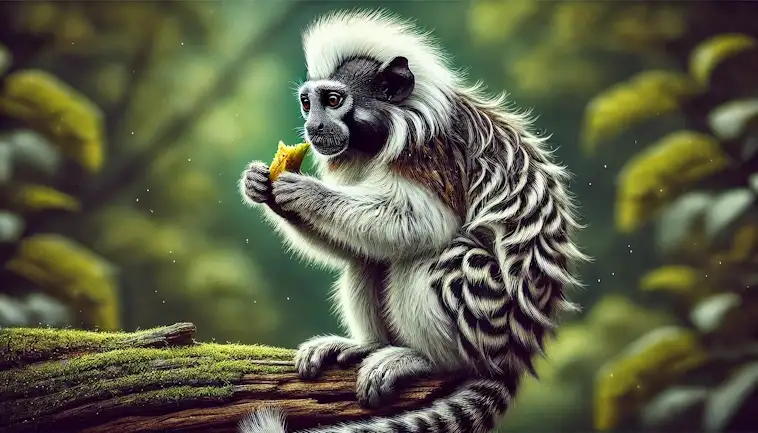
What is Species Extinction?
Species extinction occurs when the last individual of a species dies, leading to its complete disappearance from Earth. This is a natural part of evolutionary processes but has been accelerated by human activities. In contrast, species endangerment refers to species that are at risk of becoming extinct either globally or in a particular area. An endangered species still exists but its numbers are so low or declining so rapidly that it’s at serious risk of extinction.
Examples of Notable Extinctions
- Dodo: The dodo, a flightless bird from Mauritius, became extinct in the late 17th century due to overhunting and the introduction of invasive species. Its extinction is one of the most famous examples and serves as a symbol of human impact on wildlife.
- Passenger Pigeon: Once possibly the most numerous bird on Earth, the passenger pigeon was hunted to extinction by the early 20th century in North America. Its loss reflects how even abundant species can quickly vanish.
- Tasmanian Tiger (Thylacine): Native to Australia, Tasmania, and New Guinea, the thylacine was hunted to extinction by the 1930s. Its extinction highlighted the dangers of human encroachment and the importance of habitat preservation.
Current Trends in Species Extinction
The current rate of species extinction is alarmingly high, often referred to as part of a sixth mass extinction:
- Amphibians: This group is highly vulnerable, with diseases, habitat loss, and climate change being major threats.
- Coral Reefs: Affected by warming seas and acidifying oceans, coral reefs are dying at an unprecedented rate, affecting entire marine ecosystems.
- Rainforests: Deforestation in tropical regions is putting countless species at risk, from insects to primates.
Regions and Species Most at Risk
- Amazon Rainforest: Home to millions of species, ongoing deforestation is putting an enormous number of species at risk.
- Madagascar: Known for its unique biodiversity, many of its endemic species like lemurs are endangered due to habitat destruction and climate change.
- Southeast Asia: Rapid economic development and agriculture, like palm oil plantations, threaten the biodiversity of this region.
Impacts and Conservation Efforts
The extinction of species can irreversibly alter ecosystems and result in the loss of many ecological services, such as pollination, water purification, and climate regulation. Recognising these impacts, conservation efforts worldwide aim to protect habitats, enforce laws against poaching and illegal trade, and educate the public about biodiversity.
Current data underscores the urgency of these efforts, as the International Union for Conservation of Nature (IUCN) regularly updates its Red List, highlighting species that are critically endangered and on the brink of extinction. Efforts such as establishing protected areas, wildlife corridors, and breeding programs are crucial to prevent further losses.
Understanding and addressing the distinctions between species extinction and endangerment is vital for effective conservation strategies. By learning from past extinctions and actively engaging in preserving current endangered species, humanity can help maintain the rich diversity of life on our planet.
Causes of Species Extinction
Natural events have caused species extinctions throughout Earth’s history, significantly shaping life’s evolutionary path. Here are key types of natural events that can lead to extinction:
- Volcanic Eruptions: Large volcanic eruptions can release vast amounts of ash and gases into the atmosphere, blocking sunlight and altering global climates temporarily. This can devastate wildlife and plant life, leading to food chain disruptions and eventual extinctions.
- Climate Shifts: Significant changes in climate, such as ice ages or prolonged warming periods, can alter habitats. Species unable to adapt to these new conditions, or migrate to more favorable environments, may face extinction.
- Asteroid Impacts: The most famous asteroid impact is the one believed to have caused the extinction of the dinosaurs 65 million years ago. Such impacts can throw up massive amounts of debris into the atmosphere, leading to a “nuclear winter” effect that severely reduces the ability of species to survive.
Human Activities Contributing to Extinction
Human actions have increasingly become primary drivers of species extinctions. Here are some of the ways human activities contribute:
- Habitat Destruction: Clearing forests for agriculture, logging, and urban development destroys and fragments the environments that species depend on for survival. Loss of habitat is perhaps the most significant human-induced factor leading to species extinction.
- Pollution: Chemicals, plastics, and other pollutants can poison water and soil. Industrial emissions can also lead to air pollution and acid rain, all of which can harm wildlife and disrupt ecosystems.
- Overhunting and Overfishing: Hunting species for food, sport, or trade can reduce their populations dramatically. Overfishing has similar effects in marine environments, threatening the survival of many aquatic species.
- Introduction of Invasive Species: When species are introduced, either accidentally or deliberately, into new habitats, they can become invasive. These species often compete with native species for resources, sometimes leading to the extinction of native species.
Combined Impact and Conservation Efforts
The combination of natural events and human activities can accelerate the pace of extinction. For example, climate change induced by human activities can exacerbate the natural climate shifts, making survival even more challenging for vulnerable species.
Conservation efforts are critical in mitigating human impacts and preserving natural habitats and biodiversity. These efforts include creating protected areas, restoring habitats, regulating and enforcing hunting and fishing laws, and controlling or eradicating invasive species. Moreover, pollution prevention and sustainable resource management are vital to reducing the human footprint on natural ecosystems.
Both natural events and human activities have the potential to cause species extinctions, but the rate and scale of extinctions linked to human activities are unprecedented. Understanding these impacts is crucial for developing strategies to protect endangered species and preserve biodiversity for future generations.
Keystone Species and Ecosystem Balance
Keystone species are those that have an exceptionally large impact on their environment relative to their abundance. These species help to maintain the structure and health of ecosystems, and their loss can lead to significant changes or even the collapse of ecosystems. Here are a few ways in which keystone species influence their environments:
- Predators: They control the population of other species, preventing any single species from dominating and depleting the ecosystem.
- Pollinators: Species like bees and butterflies pollinate plants, which is essential for the reproduction of many plants and crops.
- Engineers: Creatures like beavers, whose dam-building activities create wetlands that benefit a variety of other species.
When a keystone species goes extinct, the ecosystem can become unbalanced, leading to unexpected changes in the population sizes of other species, which may lead to further extinctions.
Impact of Extinction on Industries
- Tourism: Many regions rely on wildlife tourism for economic income. Iconic species such as lions, elephants, and whales attract tourists who contribute to the local economy. If these species go extinct, the attractiveness of these areas for tourists might decrease significantly, reducing income for these regions.
- Agriculture: The extinction of species that are critical for pollination can severely impact agriculture, reducing crop yields and increasing costs for artificial pollination methods. This can lead to higher food prices and economic instability in communities reliant on farming.
Cultural Significance and Community Impact
Many species hold significant cultural value for indigenous and local communities. For example:
- Elephants in Africa are considered symbols of wisdom and are integral to community rituals and stories.
- Salmon play a crucial role in the culture of many Native American tribes in the Pacific Northwest, where they are central to spiritual practices and community celebrations.
The loss of these species can erode cultural identities and traditions, leading to a loss of community cohesion and continuity. Moreover, these communities often rely on these species for traditional food sources, medicines, and materials.
The extinction of keystone species can destabilise ecosystems, which in turn affects human activities such as tourism and agriculture, impacting economies and livelihoods. Culturally, the loss of significant species can deeply affect the traditions, practices, and identities of indigenous and local communities. Understanding and addressing the causes of extinction are crucial in preserving not just the biodiversity of our planet but also the cultural heritage and economic stability of human societies around the world.
Combating Species Extinction
Conservation initiatives and legal frameworks play a crucial role in preventing the extinction of species and preserving biodiversity. Here’s an overview of these efforts:
- International Agreements: Treaties like the Convention on International Trade in Endangered Species of Wild Fauna and Flora (CITES) regulate the trade of endangered species to ensure it does not threaten their survival. The Convention on Biological Diversity (CBD) commits countries to conserve biological diversity, use biological resources sustainably, and share the benefits of genetic resources fairly.
- National Laws: Many countries have their own laws protecting endangered species. In the USA, the Endangered Species Act (ESA) protects species that are listed as endangered or threatened and their habitats.
- Protected Areas: Establishing national parks, wildlife reserves, and marine protected areas helps safeguard habitats from human exploitation and provides a safe space for wildlife to thrive.
New Technologies in Conservation
Technological advances are enhancing the ability to track and protect endangered species:
- Satellite Imaging and Drones: These technologies are used for monitoring wildlife and their habitats, allowing conservationists to track changes in habitat size and condition without disturbing the environment.
- Camera Traps: Automated cameras that trigger when they detect motion allow researchers to monitor wildlife without human presence, helping them gather data on animal populations and behaviours.
- Genetic Tools: Techniques like DNA analysis help identify individual animals, understand their genetic diversity, and manage breeding programs to maintain healthy populations.
Individual and Community Contributions
Everyone can play a part in conservation efforts. Here are some ways individuals and communities can contribute:
- Supporting Habitat Conservation: Participating in or donating to organisations that purchase land for conservation purposes helps protect more habitats from development and degradation.
- Participating in Citizen Science Projects: Many organisations run projects where volunteers can help gather data on wildlife and their habitats. This can include bird counts, reporting sightings of certain animals, or participating in bio-blitzes where communities come together to record all the living species within a certain area in a short period.
- Educating and Advocating: Learning about local endangered species and sharing this knowledge can raise awareness about their plight. Advocating for stronger environmental protection laws and policies can also make a big difference.
- Sustainable Practices: Adopting lifestyle choices that reduce environmental impact, such as reducing waste, choosing sustainable products, and using less water and energy, helps lessen the overall strain on the planet and its wildlife.
The combination of legal protection, conservation initiatives, and cutting-edge technology offers hope for the future of endangered species. By participating in these efforts, individuals and communities not only contribute to the preservation of biodiversity but also ensure a healthier environment for future generations. Engaging with and supporting these initiatives is key to making a lasting impact.
Conclusion
Species extinction is more than just a loss of animal or plant types; it’s a profound shake-up that ripples through ecosystems, economies, and cultures. Each species that disappears can take with it a part of our world’s rich tapestry, which once lost, is gone forever. From the bees that pollinate our crops to the large predators that keep natural balances in check, every creature has a role. And let’s not forget, these creatures often hold deep cultural significance for communities worldwide, reminding us of our shared responsibility to protect our planet’s diversity.
So, what can we do? It starts with understanding the weight of the crisis and recognising that our actions—big and small—truly make a difference. Supporting conservation efforts, choosing sustainable lifestyles, and simply staying informed and spreading the word are steps we can all take. Together, we can turn the tide against extinction and ensure that future generations inherit a world as vibrant and diverse as the one we have today. Remember, in the grand tapestry of life, every thread counts. Let’s make sure none go missing on our watch.