

The Alarming Impact of Melting Permafrost on Our Planet
Permafrost, the once-stable frozen layer beneath the Earth’s surface, is thawing at an unprecedented rate, and the repercussions are significant and far-reaching. As this icy ground melts, it releases vast amounts of greenhouse gases, further accelerating global warming. This shift not only disrupts ecosystems but also poses severe risks to human infrastructure and health. The ripple effects of melting permafrost are a critical environmental concern that demands our attention and immediate action to mitigate further damage and understand its implications fully.
The Alarming Impact of Melting Permafrost on Our Planet
What You’ll Discover
Permafrost and Its Global Significance
The Science Behind Permafrost Thawing
Greenhouse Gases and Carbon Release
Impact on Global Climate Change
Consequences for Wildlife and Ecosystems
Threats to Human Infrastructure
Economic and Social Implications
Mitigation Strategies and Global Responses
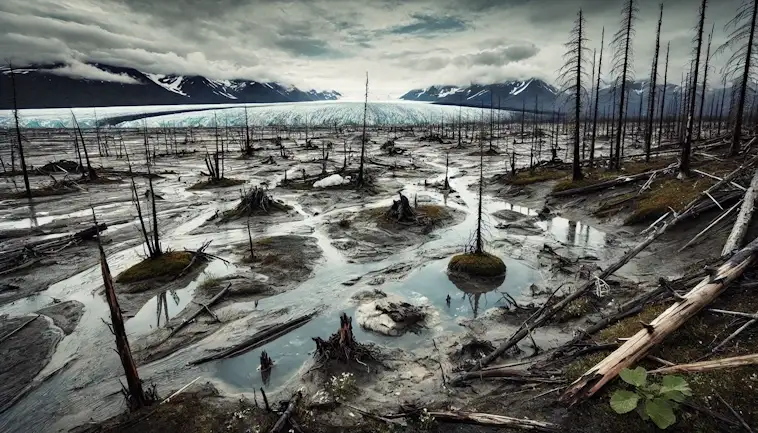
Permafrost and Its Global Significance
Permafrost is like the Earth’s freezer, keeping the ground in some parts of the world permanently frozen. It’s a pretty fascinating feature of our planet, especially when you dive into where it is and why it matters so much to our climate system.
What is Permafrost?
Permafrost is ground that remains completely frozen—24 hours a day, 365 days a year—for at least two consecutive years. This isn’t just about soil; it can also include rock, sediment, or even ice-filled spaces within the earth. It’s like a chilly underground world that doesn’t thaw out even in the summer.
Geographical Spread
- Polar Regions: The most extensive permafrost exists in the polar regions, particularly in the Arctic, covering areas like Alaska, Canada, Siberia, and Greenland.
- High Mountain Areas: Besides these icy expanses, you can also find permafrost in high mountain ranges like the Alps, the Himalayas, and the Andes. In these locations, the altitude keeps the ground chilly enough to stay frozen year-round.
Significance to Earth’s Climate System
Permafrost plays a couple of crucial roles in our climate:
- Carbon Storage: It acts like a giant carbon storage unit. Over millennia, organic materials like dead plants and animals got trapped in this frozen ground. Because they never decomposed, they turned into carbon-rich permafrost, storing billions of tons of carbon that could otherwise be carbon dioxide, a greenhouse gas, in our atmosphere.
- Thawing Risks: Here’s where it gets tricky with climate change. As the planet warms, permafrost begins to thaw. This thawing can release the stored carbon into the atmosphere as methane and carbon dioxide, which are potent greenhouse gases. This release can further accelerate global warming, creating a feedback loop that could significantly impact climate patterns.
Understanding permafrost and its dynamics helps scientists predict climate changes more accurately and guides efforts to mitigate global warming. It’s like keeping tabs on Earth’s cold storage to ensure it doesn’t start leaking and affect the whole system’s balance.
The Science Behind Permafrost Thawing
When we think about permafrost thawing, two big factors play a major role: the global temperature rising and changes in snow cover.
- Rising Global Temperatures: As the Earth heats up due to increased greenhouse gases in the atmosphere, the air and ground temperatures rise. This gradual increase in temperature can cause the permafrost, which has been solidly frozen for thousands of years, to begin thawing. It’s like turning up the dial on the thermostat and watching the frost in the freezer start to melt.
- Changes in Snow Cover: Snow acts like a cosy blanket for permafrost. It insulates the ground during the winter and keeps it cold enough to remain frozen. However, as climate patterns shift, the timing and thickness of this snow cover can change. Less snow means less insulation, which allows more heat to reach the permafrost and increases the risk of thawing. It’s like having holes in your blanket—chilly air gets in, only in this case, it’s the warmth that’s creeping into the permafrost.
Types of Permafrost and Their Stability
Permafrost isn’t just one uniform block of ice; it comes in different types and levels of stability:
- Continuous Permafrost: Found in the coldest regions, where temperatures are so low that the ground stays frozen all the way down to depths of 70 meters or more. This type is the most stable, but even it isn’t immune to the effects of rising temperatures.
- Discontinuous Permafrost: This type is more like a patchwork. It exists in areas where the climate is slightly warmer. Because it’s not completely continuous, it’s more susceptible to thawing since it’s already at the edge of freezing.
- Sporadic and Isolated Permafrost: These are areas where permafrost occurs in isolated patches. They are the least stable and the most likely to thaw because they are surrounded by non-frozen ground and are influenced more by the above-ground temperatures.
Conditions Leading to Instability
Permafrost becomes unstable primarily under the following conditions:
- Extended Warm Periods: Longer summers and milder winters mean more heat absorption and less time for the ground to refreeze, pushing permafrost closer to its melting point.
- Disturbance: Human activities like drilling, mining, and construction can disrupt the insulating layer of soil and vegetation, making it easier for heat to penetrate the frozen ground.
- Water Flow: Changes in drainage patterns or increased water flow from melting ice and snow can also erode permafrost. Water conducts heat much more efficiently than air, speeding up the thawing process.
These mechanisms and conditions help scientists predict where and how quickly permafrost might become unstable, shedding light on the broader impacts on ecosystems and global climate. It’s a delicate balance, like keeping your ice cream just the right amount of frozen, where even a slight change in conditions can lead to a big melt.
Greenhouse Gases and Carbon Release
Permafrost is like a giant freezer stuffed with organic materials that have been frozen solid for centuries—plants, animal remains, and other organic stuff that didn’t decompose because it was so cold. When permafrost starts to thaw because of rising temperatures and changing environmental conditions, all this organic material begins to break down. This decomposition process is like leftovers starting to spoil when the fridge breaks down, and it releases gases like methane and carbon dioxide.
- Methane: This is a super-potent greenhouse gas, about 25 times stronger than carbon dioxide when it comes to trapping heat in the atmosphere over a 100-year period. Methane gets released primarily when there’s no oxygen around to help in the decomposition process (anaerobic decomposition).
- Carbon Dioxide: When there is oxygen available, the decomposing material releases carbon dioxide. It’s not as potent as methane but is still a major player in global warming.
Carbon Stored and Potential Emissions
Now, onto the numbers, which are pretty staggering:
- Amount of Carbon: It’s estimated that the Earth’s permafrost regions hold about 1,500 billion tons of carbon. To put that in perspective, that’s about twice the amount of carbon currently in the atmosphere!
- Potential Emissions: As permafrost thaws, the potential emissions from this stored carbon could be enormous. Some studies suggest that up to 10% of the permafrost layer could thaw by 2100, releasing tens to hundreds of billions of tons of carbon dioxide and methane into the atmosphere. This release could contribute significantly to global warming, enhancing the greenhouse effect.
The concern is this kind of feedback loop: warmer temperatures thaw the permafrost, which releases greenhouse gases, which then increase global temperatures even more, leading to more thawing. It’s a bit like accidentally turning up the heat while trying to cool down a room.
It’s a bit of a race against time, trying to manage our emissions and stabilise the climate before more of this frozen carbon bank pays out its deposits in the form of greenhouse gases.
Impact on Global Climate Change
Imagine you’re slowly turning up the heat under a pot of ice. As the ice melts, it starts to release steam. That steam could somehow cause the burner to heat up even more, which melts the ice faster. It sounds a bit like a science fiction scenario, but that’s essentially what’s happening with permafrost and global warming.
- Step One: Thawing Begins: As global temperatures rise due to human activities like burning fossil fuels, deforestation, and industrial processes, this extra heat starts to thaw the permafrost. This frozen ground isn’t used to being anything but ice-cold, so even a slight increase in temperatures can begin to unsettle it.
- Step Two: Gas Release: As we chatted about earlier, when permafrost thaws, it starts to decompose the organic material locked inside it. This process releases large amounts of methane and carbon dioxide—greenhouse gases that trap heat in our atmosphere.
- Step Three: Temperature Rises: These gases contribute to the greenhouse effect, thickening the Earth’s atmospheric blanket and trapping more of the sun’s heat. This leads to higher temperatures.
- Step Four: More Thawing: As temperatures rise, more permafrost thaws, leading to more gas release, and the cycle continues. This is what scientists call a positive feedback loop—’positive’ not because it’s a good thing, but because it amplifies the process.
The Consequences
This feedback loop is concerning because it could significantly accelerate the pace of global warming. If more permafrost thaws and releases more greenhouse gases, it could lead to even faster climate changes than current models predict. It’s like a race where every lap speeds up the runners.
It’s not just about slowing down current emissions but also about managing potential future sources like permafrost. The goal is to cool down the system before this feedback loop spins out of control, ensuring we keep our planetary pot from boiling over.
Consequences for Wildlife and Ecosystems
When permafrost starts to melt, it’s not just about the ground getting a bit slushy—it reshapes entire landscapes and life patterns:
- Water and Soil: As permafrost thaws, it can dramatically alter water availability and soil composition. This can lead to wetter soils in some areas and drier conditions in others, depending on how the water drains and evaporates. Such changes can shift what types of vegetation can thrive in an area.
- Vegetation Shifts: Typically, colder, drier conditions favour lichens and mosses, which are staples in the diets of many Arctic herbivores. When permafrost melts, these areas can become dominated by shrubs and grasses, which might sound like just a change in scenery, but it actually disrupts the food sources for many species.
Impact on Wildlife
- Polar Bears: These iconic Arctic residents rely on sea ice to hunt seals, their primary food source. As permafrost melts and contributes to global warming, sea ice also diminishes, shrinking the polar bear’s hunting grounds. They may find themselves roaming more inland, searching for food, which can lead to malnutrition or even starvation.
- Caribou: Known for their vast migratory patterns across the tundra, caribou are particularly tied to the ecosystems shaped by permafrost. As the vegetation shifts from their preferred lichens to shrubs and grasses, caribou might find it harder to source their traditional food, impacting their health and migration patterns. Additionally, changes in the ground stability and water tables can affect their traditional migratory routes, making their journeys more challenging.
Broader Ecological Impacts
As these species struggle to adapt to their shifting environments, the whole ecosystem feels the effects. Predators may find fewer prey, and plants that once thrived in stable cold conditions might be outcompeted by species better suited to the new, warmer and wetter conditions. It’s like a domino effect, where the change in one part can tip over the balance in another, leading to unforeseen changes across the board.
So, the melting of permafrost isn’t just a matter of more puddles in the spring—it’s about the foundation of life in these cold regions getting a bit shaky. For the animals and plants adapted to a world of ice and cold, it’s a big adjustment, and scientists are racing to understand and predict these changes to help manage and conserve these unique ecosystems.
Threats to Human Infrastructure
Permafrost has a pretty cool party trick—it remains frozen solid, making it a sturdy foundation for anything built on top of it. But as it starts to thaw, this once reliable ground becomes soft and unstable.
- Buildings: Imagine building your house on what you think is a solid concrete slab, but then the slab turns into a muddy swamp. That’s the predicament for many structures in permafrost areas. In places like Alaska, buildings are beginning to tilt, sink, and even collapse as the ground underneath them thaws and settles unevenly.
- Roads: Roads in these regions are also suffering. They can develop what’s called “frost heaves,” where the freezing and thawing ground pushes up from underneath, creating dangerous bumps and dips. As the permafrost thaws more permanently, these roads can become wavy roller coasters, leading to costly maintenance and hazards for drivers.
- Pipelines: Pipelines, critical for transporting oil and gas in places like Siberia, are designed to handle cold, static conditions. But with the ground thawing and shifting, these pipelines are at risk of bending, breaking, or leaking, which can lead to environmental disasters and disrupt energy supplies.
Real-world Examples
- Alaska: In places like Fairbanks, the effects of permafrost thaw are quite evident, with some homes having sunk into the ground, leaving them lopsided and uninhabitable. Roads require frequent repairs and rerouting to accommodate the shifting ground.
- Siberia: Siberia sees similar issues, where the Trans-Siberian Railway has faced challenges due to thawing permafrost, necessitating significant engineering efforts to prevent derailments and maintain safe and reliable operations.
The Bigger Picture
The thawing of permafrost is a clear sign of how climate change is impacting even the most remote and seemingly stable environments. For communities in these regions, it’s a daily challenge as they adapt to these shifts, finding new ways to build and maintain infrastructure that can withstand a less predictable ground. Engineers and planners are continually developing new techniques and materials to cope with the changes, from adjustable foundations to more flexible road designs. It’s all about staying nimble and ready to adapt in a world where the ground isn’t as solid as it used to be.
Economic and Social Implications
Thawing permafrost isn’t just a scientific curiosity—it has real economic and social effects that ripple through communities, particularly in the Arctic regions.
Economic Implications
- Infrastructure Costs: The big one here is money—lots of it needed to fix what’s broken. As permafrost thaws, the cost of repairing or replacing infrastructure like roads, buildings, and pipelines can skyrocket. These expenses are particularly steep in remote areas where materials and labour are harder to come by. For governments and communities, this means budgeting headaches and tough decisions about where to allocate scarce resources.
- Insurance and Investment: With the ground becoming less reliable, insurance companies might hike premiums or pull out of regions altogether, making it harder and costlier for businesses and homeowners to protect their properties. Investors, too, might think twice, wary of the risks posed by the unstable ground, which could slow down economic development in these areas.
Social Implications
- Impact on Indigenous Communities: Many Indigenous peoples call the Arctic their home, and their lifestyles are intricately linked to the land and its ecosystems. Thawing permafrost can disrupt traditional activities like hunting and fishing, which are not just economic activities but also cultural practices. Changes in the landscape can also affect local wildlife populations, further impacting these communities’ ways of life.
- Cultural Heritage: Additionally, thawing permafrost threatens to erode archaeological sites and other culturally important landmarks, which are vital to the heritage and history of indigenous groups.
Opportunities Amidst Challenges
- New Shipping Routes: On the flip side, as Arctic ice melts and permafrost thaws, new shipping routes, like the Northern Sea Route along Russia’s Siberian coast, are becoming more accessible. This can reduce shipping times between Europe and Asia dramatically, opening up potential economic opportunities for shipping companies and northern ports.
- Access to Resources: Thawing ground could also make previously inaccessible natural resources more reachable. Areas rich in minerals, oil, and gas might open up, presenting significant economic opportunities. However, this comes with environmental risks and raises questions about sustainable and ethical resource extraction.
A Balancing Act
Navigating the thawing permafrost is a bit like walking a tightrope. On one hand, there are new opportunities that could boost economies and make the Arctic a busier, more strategic region. On the other, the costs and impacts on communities, especially those that have lived in harmony with the icy landscape for generations, present profound challenges.
It’s a dynamic scenario, needing a balance between tapping into new opportunities while also protecting and supporting the communities and environments most at risk from these dramatic changes. It’s all about finding smart, sensitive ways to move forward in a world that’s quite literally shifting under our feet.
Mitigation Strategies and Global Responses
Let’s explore the mix of cool ideas and practical steps being taken to keep things chill with the permafrost situation.
International Efforts
- Climate Agreements: On the global stage, tackling permafrost melt starts with addressing climate change head-on. International agreements like the Paris Agreement aim to cap global warming by reducing greenhouse gas emissions. By striving to keep global temperatures from rising, these efforts indirectly help stabilise permafrost.
- Research and Collaboration: Countries are also pooling resources and knowledge through organisations like the Arctic Council, which includes nations like the USA, Canada, Russia, and several Scandinavian countries. They work together to monitor permafrost changes, share data, and develop policies that address the specific challenges of the Arctic.
Local Adaptation Strategies
- Infrastructure Innovations: In regions built on permafrost, engineers are getting creative with architecture and construction techniques. For instance, buildings are increasingly being constructed on stilts to minimise heat transfer from the structure to the vulnerable ground. Other innovative approaches include adjustable foundations that can be tweaked as the ground shifts.
- Community Preparedness: Local governments are also stepping up with preparedness plans. This might involve relocating communities from high-risk areas or enhancing emergency services to deal with the effects of sudden permafrost thaw, like landslides or flooding.
Research into Geoengineering
- Cooling the Ground: Scientists are experimenting with geoengineering solutions to stabilise permafrost directly. One intriguing idea is to artificially cool the ground. Techniques might include covering the ground with insulating material to reflect sunlight and keep the cold in, or even using thermosiphons, which are devices that help cool the ground passively.
- Carbon Capture: Another angle is tackling the carbon release problem by enhancing the natural ability of landscapes to capture carbon. Restoring wetlands and promoting certain types of vegetation that can capture and store carbon more effectively might help keep the carbon locked up, even if the permafrost thaws.
Future Directions
- Monitoring and Modelling: Improving our ability to monitor permafrost and predict its changes is crucial. More sophisticated satellites and sensor networks can provide real-time data that helps refine our models and predictions, allowing for quicker responses.
- Policy Integration: Integrating permafrost into climate policy more explicitly can help ensure that the specific issues related to permafrost thaw are addressed in national and international climate strategies.
Mitigating the effects of permafrost melting is a multifaceted challenge that requires both high-tech solutions and grassroots community involvement. It’s about both preventing further damage and managing the changes we can’t avoid. With a blend of innovation, cooperation, and determination, there’s hope for keeping our cool as the world warms up.
Conclusion
Wrapping up, the melting permafrost presents a pressing challenge that reaches beyond the icy borders of the Arctic. Its impact touches global climates, local ecosystems, and the very infrastructure upon which northern communities depend. As we witness the unsettling changes brought by thawing permafrost—from releasing vast amounts of greenhouse gases to destabilising the ground under our feet—the need for decisive action and innovative solutions becomes increasingly clear.
Internationally and locally, efforts are ramping up to mitigate these effects through robust research, forward-thinking policies, and community-centred adaptation strategies. The resilience and creativity of these responses are a testament to our collective ability to tackle complex environmental issues.
Understanding and addressing the issues surrounding melting permafrost is vital, not just for those living on this frosty frontier, but for everyone around the globe. As we continue to navigate these challenges, the unity and ingenuity of our global community will be key in safeguarding the planet for future generations. It’s a cool, collective endeavour that we’re all part of as we strive to maintain the balance of our delicately warming world.