
Can Urbanisation Lead to Ecosystem Disruption?
Urban areas are expanding rapidly, stretching into territories that were once teeming with diverse wildlife and vibrant ecosystems. This shift raises a critical question: does urbanisation disrupt these natural habitats? While cities bring innovation and connectivity, the impact on local flora and fauna can be profound, altering ecosystems in ways that may not be immediately apparent. We’re taking a look at the balance—or imbalance—between urban development and environmental preservation, shedding light on the often-overlooked consequences that come with our expanding urban landscapes.
Can Urbanisation Lead to Ecosystem Disruption?
What You’ll Discover
Urban Expansion and Ecosystem Impact
Urbanisation: Definitions and Key Concepts
The Impact: How Cities Affect Local Ecosystems
Examples of Urbanisation and Ecosystem Disruption
Secondary Impacts on Biodiversity and Climate
Urban Planning and Ecosystem Conservation
Predicting Urban Growth and Environmental Outcomes
The Path Forward in Urban Ecology
Urban Expansion and Ecosystem Impact
Urbanisation is a fascinating and complex phenomenon that’s been reshaping our world for centuries. At its core, it’s about the migration of people from rural areas to cities, a trend that has been picking up speed as we move deeper into the modern era. This shift isn’t just about seeking new opportunities; it’s about a fundamental change in how we live, work, and interact with our environment.
Historical Context of Urban Growth
- Early Beginnings: Urbanisation really began to take hold during the Industrial Revolution in the 18th and 19th centuries. Before this, most societies were agrarian, and people lived in scattered rural communities focused on farming.
- Industrial Boom: With the advent of industry, cities offered jobs in new factories, and the promise of a better life lured people from their traditional rural homes. This led to the rapid expansion of existing cities and the formation of new ones.
- Post-Industrial Shifts: In the 20th century, urban growth continued to evolve with advancements in technology and the global economy. Cities became not just industrial hubs but also centres for services, finance, and technology.
Impact on Ecosystems
The migration of millions of people into urban areas has had profound effects on natural ecosystems:
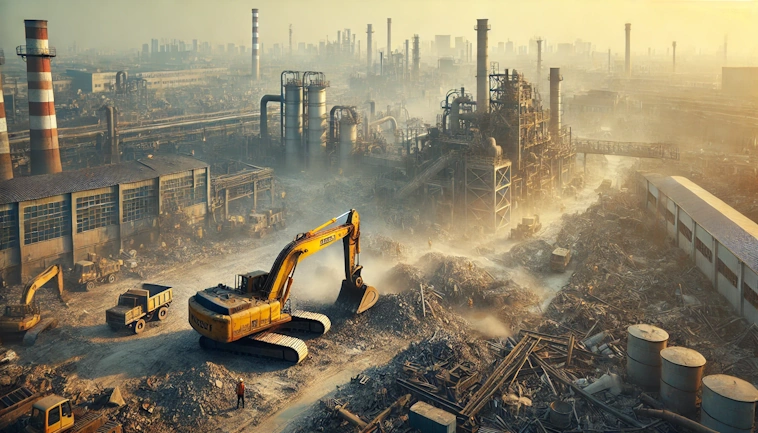
- Habitat Loss: Urban expansion often means clearing forests, draining wetlands, and other forms of habitat destruction. This loss of habitat is one of the biggest threats to wildlife, as it removes the resources species need to survive.
- Pollution: Cities can create significant pollution problems, from air quality issues caused by car and factory emissions to water pollution from industrial and residential waste. This not only affects human health but also damages aquatic life and can disrupt entire ecosystems.
- Climate Change: Urban areas are major contributors to climate change. The concentration of vehicles, industries, and energy use in cities leads to substantial greenhouse gas emissions. Additionally, the heat generated by buildings and roads creates “urban heat islands,” making cities warmer than their rural surroundings, which can alter local climates and weather patterns.
Today, urbanisation is more relevant than ever. Over half of the world’s population now lives in urban areas, and this number is expected to rise. Cities are often seen as engines of economic growth and cultural melting pots, but they also face significant challenges like housing shortages, traffic congestion, and social inequality. Balancing these issues while minimising environmental impact is one of the key challenges of modern urban development.
Urbanisation’s tale is one of transformation and adaptation. As we look to the future, the sustainability of this growth will depend on our ability to innovate and implement solutions that respect both our needs and the environment’s limits. Whether it’s through green architecture, sustainable transport, or smarter resource management, the goal is clear: to make cities liveable and sustainable for the generations to come.
Urbanisation: Definitions and Key Concepts
Urbanisation is quite the buzzword these days, isn’t it? It’s all about the movement of people from rural areas to cities, which turns these cities into bustling hubs of activity and growth. It’s like watching a small town in fast-forward, growing up into a big city right before our eyes.
Urban Sprawl
Think of urban sprawl as the city stretching its arms and legs. It’s when a city expands outwards in a kind of uncontrolled spread, often eating into rural land. This can lead to neighbourhoods popping up like daisies here and there without much planning, which might sound nice but can create quite a few challenges. These areas often lack sufficient public transport or services, leading to heavy car dependence and increased traffic jams.
Infrastructure Development
Now, infrastructure development is what happens when a city decides to pump up its game. It involves building or upgrading facilities like roads, bridges, schools, and hospitals to support the growing urban population. It’s like ensuring the city has a strong skeleton and vital organs to keep it healthy and functioning. Proper infrastructure is essential to make life in the city smooth and efficient, ideally keeping up with or even staying a step ahead of growth.
Population Density
Population density is all about how cosy we are with our neighbours. It measures the number of people living in a given area. High population density can mean a lot of folks packed into a small space, like in Manhattan or downtown Tokyo. This can make for vibrant neighbourhoods with lots of activities and amenities close by. On the flip side, it can also lead to overcrowding, strain on services, and sometimes a bit too much closeness for comfort.
When we talk about urbanisation and its impacts, these terms help us get a clearer picture of the challenges and opportunities cities face as they grow and evolve. Whether it’s managing the sprawl, beefing up the infrastructure, or dealing with the hustle and bustle of densely packed areas, it’s all part of the urban adventure.
The Impact: How Cities Affect Local Ecosystems
Urban growth sure has a way of leaving its mark on the environment, and while cities are great for coffee shops on every corner and endless nightlife, they do pose some tricky challenges for Mother Nature.
Habitat Fragmentation
When cities expand, they can slice and dice the natural habitats into smaller, isolated patches. This is like having a big, beautiful jigsaw puzzle and then scattering the pieces all over the place. Animals and plants that once had a large, continuous home find themselves confined to smaller areas, which can make it tough for them to thrive. They might have a harder time finding food, mates, or just a peaceful spot to hang out without human interference.
Pollution: Air, Water, and Soil
Cities can be a bit messy, and with urban growth comes various types of pollution:
- Air Pollution: This is the biggie. Cars, factories, and even heating systems pump out a mix of pollutants like carbon monoxide, sulphur dioxide, and nitrogen oxides. This not only messes with our lungs but can affect wildlife, damage trees, and even alter the chemistry of lakes far from the city limits.
- Water Pollution: Cities generate a lot of waste—things like oils, chemicals, and untreated sewage can end up in rivers and lakes. This makes life tough for aquatic creatures and can disrupt whole water ecosystems.
- Soil Pollution: Construction, industrial waste, and even some urban gardening practices can lead to soil contamination. Contaminated soil affects plant life and can have a domino effect, impacting everything from ground-dwelling insects to the birds that feed on them.
Heat Island Effect
Have you ever noticed it feels a bit hotter in the city than in the countryside? That’s the urban heat island effect at play. Cities with all their concrete, steel, and activity tend to absorb and re-radiate heat more than rural areas. This not only cranks up the thermostat for city dwellers but can also affect local weather patterns and ecosystems. Plants and animals adapted to cooler climates may find the city too hot to handle, altering the species’ composition over time.
Urban growth certainly brings a lot of conveniences and opportunities, but it’s clear it also requires us to think critically about how we expand and what measures we can take to mitigate these environmental impacts. Whether through greener infrastructure, stricter pollution controls, or simply planting more trees, there are lots of ways to make urban life a bit more friendly for all the living things around us.
Examples of Urbanisation and Ecosystem Disruption
Urban expansion is a global phenomenon, with cities from North to South and East to West all experiencing their own unique growth spurts and the environmental challenges that come with them.
Case Study 1: The Everglades, USA
Down in sunny Florida, the Everglades are a prime example of how urban development can clash with natural habitats. Known as the “River of Grass,” the Everglades have been significantly affected by the expansion of cities like Miami. As new developments and agricultural interests pushed into the wetlands, water flow was diverted and habitats were disrupted. This led to serious consequences for native species such as the Florida panther and the manatee. Efforts are ongoing to restore parts of the Everglades, but it’s a tough balance to strike as the urban areas continue to grow.
Case Study 2: Chennai, India
Chennai, a bustling city on India’s east coast, has witnessed rapid urbanisation which has severely impacted its water bodies. The city’s expansion often encroached upon and filled in local lakes and wetlands, which traditionally served as natural buffers against floods. With these being replaced by concrete, the city faced devastating floods in recent years, notably in 2015, which were exacerbated by this loss of natural landscape. Urban planners are now grappling with the need to integrate sustainable water management practices into city planning.
Case Study 3: Amazon Rainforest, Brazil
It might seem a stretch to talk about cities in the Amazon, but urban centres like Manaus are expanding, and with that expansion comes the deforestation of one of the Earth’s most vital ecosystems. Roads carve through the jungle, opening it up to further exploitation such as logging and farming, which in turn pushes the forest back even more. This deforestation has profound impacts not only on biodiversity but also on the global climate. The challenge remains in developing these urban areas while maintaining the incredible natural wealth of the Amazon.
Case Study 4: Beijing, China
Beijing has experienced some of the most dramatic urban growth over the past few decades. As the city sprawled, it engulfed surrounding villages and farmland, transforming them into urban districts. This rapid expansion has led to significant air pollution issues due to increased traffic and industrial emissions. Moreover, the surrounding regions have suffered from the depletion of water resources as the city demands more and more water, impacting agricultural practices and natural river systems.
Each of these case studies tells a story of growth and its repercussions, serving as a reminder of the complexities involved in urban planning. The balance between development and environmental stewardship is delicate, and these examples highlight the need for innovative solutions to ensure that our urban futures are sustainable and harmonious with the natural world.
Secondary Impacts on Biodiversity and Climate
Urbanisation doesn’t just reshape landscapes; it also reshuffles the deck for local biodiversity and the broader climate. The effects can be quite profound, like a ripple effect in a pond, where the initial splash is just the beginning.
Impact on Biodiversity
As cities expand, the natural habitats that many plants and animals rely on get fragmented or disappear altogether. This loss of habitat is like taking away the home base for these species, forcing them to either adapt quickly or face the risk of extinction.
- Species Loss: When urban sprawl takes over, many species can’t keep up with the rapid changes. This often leads to a decrease in species diversity. For instance, large mammals and specialised species that require extensive territories or specific habitats are often the first to be edged out.
- Invasive Species: Interestingly, urban environments can become hotspots for invasive species. These newcomers often thrive in disturbed areas and can outcompete native species for resources. Cities inadvertently become launch pads for these invasives, spreading them through transport routes to other areas.
Altered Climate Patterns
Urban areas also play a significant role in changing local and regional climates:
- Urban Heat Island Effect: This is one of the most direct climatic effects of urbanisation. Cities with their concrete, asphalt, and minimal vegetation absorb and retain heat much more than rural areas. This leads to higher temperatures, which not only make city life uncomfortable during hot weather but also alter local weather patterns, like increasing the frequency and intensity of heatwaves.
- Changes in Rainfall: The heat generated by cities can also affect local weather systems. For example, the increased heat can lead to greater local convection, which might increase cloud formation and result in more rainfall over or downwind of cities. This altered precipitation can affect regional water cycles and agriculture.
- Carbon Emissions: Urban areas are significant contributors to global carbon emissions due to dense populations and heavy reliance on vehicles and industrial processes. This contributes to global climate change, impacting weather patterns far beyond the city limits.
Urbanisation’s secondary effects on biodiversity and climate are significant and complex. They underscore the need for urban planning that respects natural ecosystems and seeks to minimise environmental impacts. Green spaces, sustainable urban designs, and policies that protect natural habitats could help mitigate some of these effects, ensuring cities grow in harmony with their environment. Engaging in such practices could make our urban centres not just places to live and work, but also beacons of biodiversity and climate resilience.
Urban Planning and Ecosystem Conservation
Urban planning is not just about building more efficiently; it’s also about building more thoughtfully. By considering the ecological impacts of urbanisation, planners and designers can create spaces that not only serve human needs but also support the health of the planet. There are some really innovative ways that cities can grow while still keeping their green hearts beating strong.
Green Spaces
Integrating green spaces into urban environments is like giving the city a set of lungs. Parks, gardens, and even green roofs can help improve air quality, cool down urban heat islands, and provide havens for local wildlife and residents alike.
- Parks and Gardens: These are not just spots for leisure but are crucial for biodiversity. By planting native species, these green spaces can become mini-reserves for local flora and fauna.
- Green Roofs and Walls: These can be added to buildings to not only insulate and reduce energy costs but also to create habitats and reduce the urban heat island effect.
Wildlife Corridors
Wildlife corridors are essentially nature’s highways that connect different habitats. Urban planners can design these corridors to weave through the city, allowing animals to move safely between green spaces without coming into dangerous contact with urban environments.
- Overpasses and Underpasses: Specially designed structures can help larger wildlife cross busy roads safely. These have been used effectively in places like Banff National Park in Canada and along highways in the Netherlands.
- Riparian Strips: Preserving natural vegetation along riverbanks within urban areas not only helps manage stormwater but also serves as important pathways for wildlife.
Sustainable Building Practices
Sustainable building practices are about constructing with an eye toward the future. This includes using materials that are environmentally friendly and designing buildings that consume less energy.
- Energy Efficiency: Buildings designed to make use of natural light, solar energy, and efficient heating and cooling systems reduce the overall carbon footprint of a city.
- Material Choices: Using recycled materials, sustainably sourced wood, and less concrete can help reduce a building’s environmental impact.
Integrated Planning Approaches
The magic really happens when urban planners bring all these elements together in a holistic approach. This can include:
- Zoning for Sustainability: Cities can designate zones not just for commercial and residential use, but also for green spaces, agriculture, and conservation.
- Water-Sensitive Urban Design: Techniques like rain gardens, permeable pavements, and enhanced wetlands not only manage stormwater but improve water quality and provide habitat.
By adopting these innovative planning strategies, cities can become leaders in sustainability, showing that development and ecological integrity can go hand in hand. It’s all about creating a blueprint for the future that respects both our needs and those of the environment. This kind of thoughtful urban planning not only makes cities more liveable but also turns them into active participants in preserving our planet.
Predicting Urban Growth and Environmental Outcomes
Urbanisation is one of those unstoppable forces like a wave constantly reshaping the shoreline. As we look to the future, we can spot some trends and possible outcomes based on how cities are growing today, what technology is coming into play, and how policies are evolving.
Population Forecasts
Experts predict that by 2050, nearly 70% of the world’s population will be living in urban areas. That’s a lot of people moving to the cities! With more folks in urban spaces, the demand for housing, services, and infrastructure will only grow. This intensifies the pressure on surrounding natural areas unless urban planning can effectively manage and accommodate this growth sustainably.
Technological Advances in Construction
Technology is stepping up to the plate in some pretty exciting ways. We’re seeing advancements like:
- Green Building Materials: Innovations such as self-healing concrete, which reduces the need for repairs, or pollution-absorbing bricks that can actually clean the air as part of a building’s structure.
- Smart Growth: The use of AI and big data in planning can lead to smarter urban growth, optimising everything from traffic flow to energy use, reducing the overall environmental footprint of cities.
Evolving Environmental Policies
Governments and organisations worldwide are getting more tuned in to the need for sustainable urban planning. Policies are increasingly favouring:
- Green Spaces: Mandates for integrating parks, tree-lined streets, and green roofs into urban projects to help tackle air pollution and provide urban cooling effects.
- Wildlife Corridors: Recognising the importance of biodiversity, some cities are beginning to design and implement connectivity strategies within urban planning.
- Carbon Reduction Initiatives: More cities are setting ambitious targets to become carbon neutral, impacting how buildings are constructed and how cities operate.
Potential Future Outcomes
Given these trends, here’s how the future could look:
- Resilient Ecosystems: With integrated green spaces and advanced building technologies, cities could become havens for wildlife, not just people. These technologies could help maintain, or even improve, biodiversity within urban areas.
- Climate Adaptation: Cities might become more resilient against climate challenges like heatwaves and flooding through innovative infrastructure and urban design.
- Socio-Economic Benefits: As cities become greener and more sustainable, the quality of life for residents could improve, with cleaner air, more accessible green spaces, and enhanced connectivity between different parts of the city and its surroundings.
The path we’re on suggests a future where cities not only grow in size but also in thoughtfulness, with a keen eye on sustainability and environmental stewardship. By leveraging technology and forward-thinking policies, urban centres can ensure that they’re places where both people and nature thrive.
The Path Forward in Urban Ecology
When we think about urban planning, it’s easy to get caught up in the hustle and bustle of city life—where the next big development is going up or how the new transit system is going to connect one bustling neighbourhood with another. But there’s another side to the story that’s just as crucial, and that’s the natural environment that cradles and interweaves with our urban spaces. It’s about recognising that our cities are part of larger ecosystems, and that thriving cities depend on the health of these ecosystems.
The Need for Integrated Urban Planning
Integrated urban planning is about taking a step back and seeing the bigger picture. It means not just planning for economic growth and infrastructure but also considering the rivers, forests, wildlife, and air quality that make a city liveable and sustainable. It’s about understanding that an environmentally degraded city can lead to serious health and social issues for its residents.
Call for Awareness and Action
- Policymakers: Those in power need to craft policies that prioritise sustainability. This could mean enforcing stricter environmental impact assessments or offering incentives for green building practices. The goal should be to embed ecological considerations into the very fabric of urban planning.
- Developers: For the folks who actually build our cities, there’s a huge opportunity to lead the way in sustainable development. This means choosing to invest in green technologies, respecting natural habitats during construction, and seeing sustainability as a cornerstone of modern development, not just a bonus.
- General Public: Everyone has a stake in this game. By staying informed, advocating for green policies, and supporting eco-friendly developments, the public can help shape the cities into green, vibrant spaces. Community involvement can make a huge difference in pushing for developments that are not only economically beneficial but also environmentally responsible.
Benefits of a Holistic Approach
By adopting integrated approaches, we can ensure that:
- Urban and Natural Environments Coexist: Creating spaces where both nature and people flourish side by side, improving quality of life and biodiversity.
- Resilience Against Climate Change: More green spaces and sustainable practices mean cities can better withstand the pressures of climate change, like extreme heat and flooding.
- Economic Benefits: Believe it or not, sustainable cities attract more investment. Businesses and residents are drawn to environments that are not only economically vibrant but also clean, green, and sustainable.
The call to action is clear: Let’s plan our cities with a vision that encompasses both the grey of the concrete and the green of the natural world. It’s not just about making cities more liveable—it’s about ensuring they are resilient, sustainable, and healthy places for future generations. The more we integrate ecological thinking into urban planning, the more harmonious and sustainable our urban future will be.
Conclusion
As we’ve seen, the link between urbanisation and ecosystem disruption is undeniable. Cities, with their sprawling suburbs and towering skyscrapers, do not exist in isolation—they are vibrant parts of a larger environmental tapestry that includes forests, rivers, and wildlife. While urban growth brings with it the promise of economic prosperity and cultural dynamism, it also poses significant challenges to the natural environments that surround and sustain these urban centres.
The way we develop and expand our cities can have profound impacts on local ecosystems, from fragmenting habitats and increasing pollution to altering climate patterns. However, this doesn’t mean urbanisation and environmental health are mutually exclusive. With thoughtful, integrated urban planning that embraces green spaces, promotes sustainable practices, and prioritises the health of ecosystems, cities can grow in ways that not only minimise harm but also contribute positively to the well-being of the planet.
Taking action now is crucial. By engaging policymakers, developers, and the general public in a dialogue about sustainable urban development, we can begin to foster environments where both urban and natural realms thrive together. After all, the health of our cities is deeply intertwined with the health of the ecosystems they interact with. Ensuring a harmonious balance between urban expansion and ecological preservation is not just beneficial—it’s essential for the future prosperity of both human and natural communities.