
What Happens to Coral Reefs as Ocean Temperatures Rise?
Coral reefs, often dubbed the rainforests of the sea, are facing significant threats from rising ocean temperatures. This vibrant underwater world, teeming with life and colour, relies heavily on a delicate temperature balance. As the mercury climbs, the survival of these ecosystems hangs in the balance. Understanding the impact of warmer waters on coral reefs reveals both the challenges and the urgent need for action to protect these vital marine habitats.
What Happens to Coral Reefs as Ocean Temperatures Rise?
What You’ll Discover
Coral Reefs and Climate Change
The Science of Coral Bleaching
Recent Trends in Ocean Temperature Increases
Impacts on Coral Reef Biodiversity
Case Studies: Reefs Around the World
Coral Reefs and Coastal Communities
Mitigation and Adaptation Strategies
The Future of Coral Reefs
Coral Reefs and Climate Change
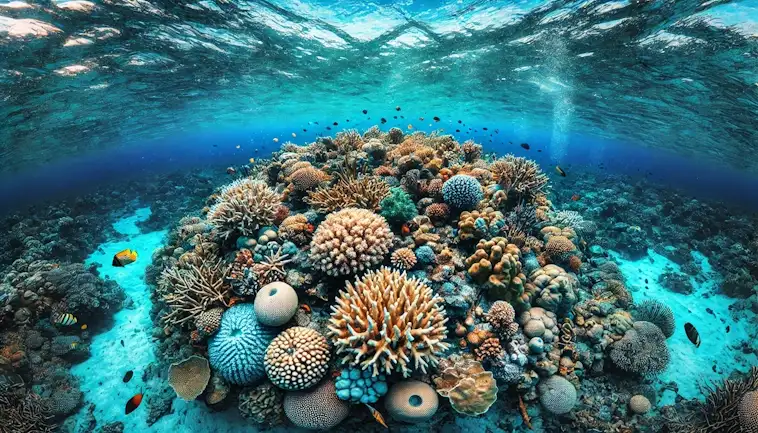
Coral reefs are like the bustling cities of the ocean world! They’re incredibly vibrant and full of life, playing a crucial role in the marine ecosystem. Here’s why they’re so important and what’s threatening their survival:
Ecological Importance of Coral Reefs
- Biodiversity Hotspots Coral reefs are some of the most diverse ecosystems on the planet. They’re home to thousands of species of fish, invertebrates, and sea mammals, many of which are not found anywhere else in the world.
- Protection for Coastlines These reefs act like natural barriers that protect coastlines from the impact of waves and storms, helping to prevent erosion, property damage, and loss of life.
- Economic Value Beyond their beauty, reefs are economic powerhouses for many communities through tourism, fishing, and medicine. Many people rely on reefs for their livelihoods, particularly in places where other resources are scarce.
Impact of Climate Change on Coral Reefs
- Coral Bleaching When water temperatures rise, corals get stressed and expel the algae living in their tissues, causing them to turn completely white, a phenomenon known as bleaching. Bleached corals are not dead, but they are at a higher risk of dying.
- Acidification The ocean absorbs a significant portion of the CO₂ added to the atmosphere. More CO₂ in the water lowers the pH level, making it more acidic. This acidification can weaken coral skeletons, making it harder for corals to grow.
- Increased Storm Frequency and Intensity As the climate changes, storms are becoming more intense and frequent. These storms can physically damage coral structures, leaving them fragmented and vulnerable.
The combination of warming waters, acidification, and severe weather events spells trouble for coral reefs. It’s a bit like a one-two punch where just as they’re getting over one hurdle, another one comes along. Protecting these natural treasures is crucial, not just for the marine species that call them home, but for humanity as well. Whether it’s through cutting emissions, supporting sustainable fishing, or investing in marine protected areas, every little bit helps in keeping our coral reefs, and by extension, our planet, vibrant and healthy.
The Science of Coral Bleaching
Coral bleaching is a fascinating, though concerning, phenomenon. It revolves around the delicate relationship between coral and tiny algae called zooxanthellae, which live inside the coral’s tissues. This relationship is essential for the survival of both, but it’s quite sensitive to changes in their environment, particularly temperature.
The Symbiotic Relationship
- Mutual Benefits The coral provides the algae with a safe home and compounds they need for photosynthesis. In return, the algae share the sugars they produce from photosynthesis with the coral, which is a major source of food for the coral. This cooperation allows the coral to get enough energy to build the vast, hard calcium carbonate structures we know as reefs.
- Colourful Living It’s actually the zooxanthellae that give coral its vibrant colours. Without them, coral tissue is mostly transparent.
When Temperatures Rise
- Stress Response When water temperatures climb above the normal threshold, corals become stressed. This stress affects the photosynthesis process of the zooxanthellae, making it less efficient. As a result, the algae begin to produce toxic oxygen radicals instead of food.
- Protective Measure In response to these toxins, the coral protects itself by expelling the zooxanthellae. While this might save the coral from immediate harm, it loses its major food source and its vibrant colours, turning stark white or “bleached.”
- Vulnerability Though bleached corals are not dead, they are under significant stress and more susceptible to disease and death, especially if the high temperatures persist and they can’t recover by attracting new algae.
Coral bleaching is a clear signal that our marine environments are under strain. The increasing frequency and severity of bleaching events are concerning signals pointing towards the broader impacts of climate change on our oceans. So, while the coral’s response to eject the algae might save it in the short term, it’s a problem that reveals much larger environmental challenges.
Recent Trends in Ocean Temperature Increases
Ocean temperatures have been climbing, and the trends are pretty revealing when we look at the data over the years. This warming trend is not just a matter of warmer beach vacations; it has profound impacts on marine ecosystems, including those vibrant coral reefs we talked about.
A Quick Dip into History
- Starting Point Historically, ocean temperatures have varied, but the significant rise in temperatures aligns closely with increased industrial activity and greenhouse gas emissions over the past century.
- Data Collection Scientists have been rigorously tracking ocean temperatures using a variety of methods, from old-school bucket measurements to modern satellites and automated buoy systems.
Recent Trends and What They Tell Us
- Accelerated Warming Over the last few decades, the rate of warming has increased. According to the National Oceanic and Atmospheric Administration (NOAA), the global sea surface temperature has risen at an average rate of 0.13°F per decade since 1880; however, this rate has more than doubled since 1981.
- Deeper Waters It’s not just surface temperatures that are rising. Deep-sea temperatures are also increasing, which can disrupt ocean currents and the marine life that depends on them.
Projections from Climate Models
- Future Scenarios Climate models are pretty unified in predicting that oceans will continue to warm throughout the 21st century. How much and how quickly depend on our global carbon emissions and efforts to mitigate climate change.
- Impact Studies These models aren’t just about predicting temperature changes; they also help us understand potential impacts. Warmer oceans can lead to more intense and frequent hurricanes, rising sea levels, and, as we discussed, increased coral bleaching events.
The data and models are crucial as they not only help us understand what’s happening but also guide policy and conservation efforts. By keeping an eye on these trends, scientists can help sound the alarm for when intervention is necessary to protect our oceanic resources. The ocean’s warming trend is a global thermometer that tells us a lot about the health of the planet—it’s getting feverish, and it’s up to us to respond to its needs.
Impacts on Coral Reef Biodiversity
When ocean temperatures rise, it’s like turning up the dial on a complex machine; things start to go a little haywire. Coral reefs, those colourful metropolises of marine biodiversity, feel the heat quite literally, and the effects ripple through their ecosystems.
Decline in Species Diversity
- Coral Bleaching As we touched on earlier, warmer waters can lead to coral bleaching. When corals bleach and potentially die, it doesn’t just affect the corals themselves but also the myriad species that rely on them for food, shelter, and breeding grounds.
- Loss of Nursery Grounds Many fish and marine species use the complex structures of coral reefs as nurseries for their young. A decline in coral health means less cover and fewer safe spots for young fish to thrive, leading to a decrease in these populations.
Changes in Species Composition
- Shifts in Residents Some species are more tolerant of warmer waters than others. As temperatures rise, these heat-tolerant species might thrive, while others diminish or move to cooler areas. This can lead to a change in the types of species that dominate the area.
- Invasive Species Warmer waters can also be more inviting for invasive species, which can further disrupt the native ecological balance. These newcomers can outcompete, prey on, or bring diseases to native species, exacerbating the stress on the ecosystem.
Broader Implications for Marine Ecosystems
- Food Web Disruption Coral reefs are key nodes in the oceanic food web. A decline in reef health can lead to reductions in fish populations that many larger predators rely on, which can alter the natural balance of marine environments.
- Economic Impact Many human communities rely on the biodiversity of coral reefs for their economic well-being through tourism and fishing. A decline in reef health can have direct socioeconomic impacts on these communities.
In essence, rising temperatures act as a kind of test that many species fail. The alteration in coral reef communities is a stark reminder of the interconnectedness of global ecosystems. When the reefs suffer, it’s not just a local issue but a global concern, reflecting broader environmental changes that affect biodiversity and human societies alike. These underwater cities are on the frontline of climate change, and their fate may presage wider changes across our planet’s ecosystems.
Case Studies: Reefs Around the World
So, let’s take a closer look at two of the world’s most famous coral reef systems—the Great Barrier Reef in Australia and the Caribbean reefs. Both are stunningly beautiful but have been facing some tough times due to rising temperatures.
The Great Barrier Reef: A Giant Under Stress
- Massive Bleaching Events The Great Barrier Reef has suffered from several severe bleaching events over the past decades, notably in 2016, 2017, and again in 2020. These events have resulted in significant losses of coral cover.
- Recovery Challenges While corals can sometimes recover from mild bleaching, the frequency and intensity of recent events don’t give them much breathing room. The damaged reefs have less resilience, which complicates their ability to bounce back, affecting biodiversity across the entire reef system.
- Scientific Monitoring and Action The situation has sparked extensive scientific monitoring and the implementation of various conservation strategies aimed at protecting and rehabilitating this natural wonder. Efforts include improving water quality, reducing coastal development impacts, and researching coral resilience.
Caribbean Reefs: Battling Warm Waters and More
- Widespread Decline Caribbean reefs have not only been battling rising temperatures but also dealing with overfishing, pollution, and invasive species like the lionfish. These factors have compounded the stress on these ecosystems.
- Shifts in Coral Composition There’s been a notable shift in the types of corals that dominate Caribbean reefs. More resilient species are slowly overtaking more sensitive ones, altering the look and function of these reefs.
- Conservation Efforts Across the Caribbean, numerous initiatives are underway to protect these vital ecosystems. These include establishing marine protected areas, restoring mangrove buffers in coastal zones, and engaging local communities in sustainable fishing practices.
Both the Great Barrier Reef and Caribbean reefs showcase the devastating impacts of climate change, but they also highlight a hopeful element: the concerted efforts to save these vital ecosystems. It’s a global challenge that requires both local action and international cooperation. Every effort to reduce greenhouse gas emissions and protect marine environments counts towards giving these reefs a fighting chance to adapt and thrive in a warmer world.
Coral Reefs and Coastal Communities
Coral reefs do so much more than just dazzle us with their beauty; they’re also economic powerhouses for many coastal communities. When these reefs suffer from degradation, the ripple effects on local economies and livelihoods can be pretty serious.
Decline in Fisheries
- Fisheries at Risk A lot of fish species rely on coral reefs for their spawning and nursery grounds. When the reefs degrade, these fish populations can plummet, leading to smaller catches for local fishermen. This isn’t just about fewer fish; it’s about the economic survival for families and communities that depend on fishing as their primary source of income.
Drop in Tourism
- Fewer Tourists Imagine you’re planning a vacation to go snorkelling or diving, but you hear that the once-vibrant coral reefs are now bleached and deteriorating. Chances are, you might just change your destination. This scenario is playing out in many places, where declining reef health is directly linked to a drop in tourist numbers.
- Economic Downturn Tourism is a major source of revenue and employment in many reef-adjacent areas. When fewer tourists visit, it affects not just the tour operators but also the wider local economy, including hotels, restaurants, and other businesses.
Weaker Protective Barriers
- Increased Vulnerability to Storms Coral reefs act like natural breakwaters, absorbing wave energy and providing a buffer against storms and erosion. When these reefs degrade, coastal areas become more vulnerable to the impact of hurricanes and tropical storms. The result? More frequent and expensive repairs and a higher risk to lives and properties.
- Costs of Erosion With less protection from reefs, coastal erosion can accelerate, leading to loss of land and further economic burdens on communities trying to manage and mitigate these changes.
The socioeconomic impacts of coral reef degradation are far-reaching. They touch upon every aspect of coastal living, from economic activities centred around the reefs to the fundamental safety and sustainability of the communities themselves. It’s a stark reminder of just how interconnected our ecosystems and economic systems really are. The health of coral reefs is not just an environmental issue; it’s also a crucial economic one for millions of people around the globe.
Mitigation and Adaptation Strategies
Tackling the issue of rising temperatures and adapting to changes in coral reef ecosystems involves a mix of global strategy and local initiative. Let’s explore some of the cool ways communities and countries are stepping up to the plate.
Global Strategies: Cutting Down on the Heat
- Reducing Greenhouse Gas Emissions The big one! Globally, cutting down on greenhouse gas emissions is crucial. This means shifting towards renewable energy sources like solar, wind, and hydro, improving energy efficiency in buildings and transportation, and encouraging sustainable agricultural practices. Every bit of CO₂ we keep out of the atmosphere helps slow temperature rises.
- International Agreements Agreements like the Paris Accord are vital, as they commit countries to reduce their carbon footprints and support global climate resilience and adaptation strategies. It’s all about teamwork on a planetary scale!
Local Tactics: Protecting Our Reefs
- Marine Protected Areas (MPAs) Establishing MPAs is a fantastic local strategy. These areas restrict human activity to give coral reefs a break from pressures like overfishing and pollution, helping to maintain biodiversity and ecosystem services. They’re like underwater sanctuaries where reefs can regenerate and thrive.
- Coral Breeding and Transplantation Scientists and conservationists are also getting hands-on with techniques like selective breeding of corals that can withstand warmer temperatures and acidified waters. These super corals can then be transplanted back into the wild to help repopulate damaged areas.
- Local Education and Engagement Educating and engaging local communities in reef conservation efforts is vital. When people understand the value of the reefs and the impacts of their actions, they’re more likely to support and participate in conservation efforts.
Adapting to Changes: Resilience is Key
- Building Resilience Beyond prevention, it’s about building resilience in the existing reef systems. This can involve everything from restoring mangrove forests that protect shorelines to improving fishery regulations to prevent overexploitation.
- Community-Based Adaptation Projects These projects involve local stakeholders in efforts to adapt to climate change impacts, ensuring that adaptation measures are tailored to local needs and are more readily accepted and maintained.
By combining global and local efforts, we can tackle the challenges from both ends—reducing the overall warming while also making our reefs tougher and more resilient. It’s a big task, but with continued innovation and cooperation, we can make a significant impact in preserving these beautiful and crucial ecosystems for future generations.
The Future of Coral Reefs
Looking ahead at the future of coral reefs, we’re at a bit of a crossroads, and what happens next could go a few different ways depending on how we handle the global challenge of climate change. Let’s break it down into some potential future scenarios, all underscored by the urgency to act now to preserve these vital ecosystems.
Scenario 1: The Optimistic Outlook
- Effective Global Action In our best-case scenario, the world effectively curbs greenhouse gas emissions, keeping global warming within 1.5 to 2 degrees Celsius above pre-industrial levels. Here, coral reefs still face challenges but can maintain more of their biodiversity and ecological functions.
- Advancements in Conservation Continued advancements in coral science, like breeding heat-resistant corals and successful transplantation projects, help damaged reefs recover. Marine protected areas expand, giving reefs a buffer from human impact and allowing ecosystems to stabilise and eventually thrive.
Scenario 2: The Middle Road
- Moderate Changes If global efforts to reduce emissions are less effective but still implemented to some degree, temperature increases might stay around 2-3°C. This scenario would likely see significant coral bleaching and die-offs, but some areas, particularly those rigorously protected and managed, could adapt and survive.
- Localised Success Stories In areas with strong local management, innovative restoration projects may prove successful in preserving pockets of coral ecosystems, serving as vital refuges for marine biodiversity and as models for global efforts.
Scenario 3: The Grim Forecast
- Insufficient Action If current trends continue and global actions to significantly reduce emissions fall short, we could see temperature rises exceeding 3°C. This scenario could spell disaster for coral reefs globally, with widespread and possibly irreversible damage.
- Loss of Ecosystem Services The loss of coral reefs would mean not just a loss of biodiversity but also crucial ecosystem services like coastal protection, fisheries, and tourism revenue. This would have devastating effects on the millions of people who depend on these ecosystems for their livelihoods and protection against storms.
The Urgency of Now
No matter which scenario, one thing is clear: the time to act is now. Coral reefs are among the most sensitive and vital ecosystems on our planet, and their health is a bellwether for the overall health of the seas. Every fraction of a degree in temperature rise averted can make a difference in giving coral reefs a fighting chance.
The urgency to address climate change cannot be overstated—it’s not just an environmental issue but a socioeconomic one that impacts food security, tourism, and protection against natural disasters. By taking decisive action today, we can hope to steer towards the optimistic scenario and preserve these incredible underwater worlds for future generations. Let’s keep the momentum going and make the choices that help keep our planet cool and our reefs vibrant.
Conclusion
As ocean temperatures continue to climb, the future of coral reefs hangs in a delicate balance. These underwater ecosystems are not only spectacular in their beauty but also crucial in their ecological and economic roles. The ripple effects of their decline reach far beyond the ocean, touching lives and livelihoods worldwide. From the bustling biodiversity beneath the waves to the coastal communities that rely on reefs for protection and income, the stakes are undeniably high.
Facing these challenges, there’s a silver lining in the form of global cooperation and innovative conservation efforts that are making strides towards protecting and revitalising these vital marine habitats. By reducing greenhouse gas emissions and investing in reef-friendly practices, we have the tools to combat the warming that threatens these vibrant underwater cities.
Understanding the impacts of rising ocean temperatures on coral reefs gives us the knowledge and motivation needed to make changes. It’s a global effort, requiring a mix of local action and international collaboration. Let’s continue to champion our planet’s reefs, ensuring they remain colourful, lively, and thriving for generations to come. The health of coral reefs is a powerful indicator of the health of the planet itself and safeguarding them is a testament to our commitment to a sustainable and vibrant Earth.