

Weather Warnings: Understanding the Impact of Climate Shifts
Weather warnings are becoming more frequent and intense as our climate changes. It’s crucial to grasp how these shifts impact our daily lives and long-term safety. From stronger hurricanes to unexpected heatwaves, understanding these patterns helps us prepare better. Let’s look at the real effects of climate change on our weather, why it matters, and what we can do about it.
Weather Warnings: Understanding the Impact of Climate Shifts
What You’ll Discover
What Are Climate Shifts?
Historical Changes in Weather Patterns
How Meteorologists Predict Severe Weather
Major Climate Events and Their Global Impact
Understanding the Economic Consequences
Public Health Concerns Linked to Climate Shifts
Adaptation and Mitigation Strategies
The Future of Climate Research and Weather Prediction
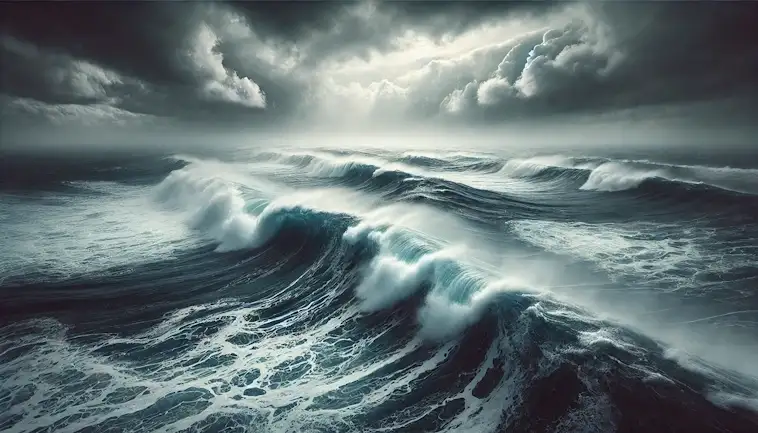
What Are Climate Shifts?
Climate shifts refer to long-term changes in temperature, precipitation, winds, and other aspects of the Earth’s climate system. Unlike regular weather patterns, these changes are persistent and can alter the baseline conditions of our environment.
Why Are Climate Shifts Significant?
- Environmental Impact: Climate shifts can lead to severe weather events like hurricanes, droughts, and floods, which can devastate ecosystems and biodiversity.
- Economic Consequences: Changes in climate affect agriculture, forestry, and fisheries, directly impacting food supply and economic stability.
- Health Risks: Increased temperatures and fluctuating weather patterns contribute to health issues, including heat-related illnesses and vector-borne diseases.
How and Why Is the Climate Changing?
- Global Warming: This is the gradual increase in Earth’s average surface temperature due to greenhouse gases like carbon dioxide emissions from burning fossil fuels or deforestation.
- Human Activities: Industrial activities, agricultural practices, and urbanisation increase greenhouse gas emissions, leading to climate change.
- Natural Factors: Volcanic eruptions, solar radiation, and natural variability also play roles, but their impacts are often overshadowed by human activities.
Importance of Understanding Climate Shifts
- Future Planning: Knowing how climate shifts can help governments and organisations plan infrastructure resilient to extreme weather.
- Adaptation Strategies: Communities can develop ways to manage water supplies, agriculture, and coastal zones in response to changing climatic conditions.
- Mitigation Efforts: Understanding the specific factors that contribute to climate change helps in devising effective strategies to reduce emissions and mitigate the effects.
Climate shifts are significant because they influence every aspect of our lives. Recognising and understanding these shifts is essential for developing effective strategies for adaptation and mitigation, ensuring a sustainable future for all.
Historical Changes in Weather Patterns
Weather patterns have always fluctuated, but recent centuries have seen some of the most dramatic changes, influenced heavily by human activity since the Industrial Revolution. Here are a few notable historical shifts:
- The Little Ice Age (1300-1850 AD): This period was marked by cooler temperatures across the Northern Hemisphere. It led to shorter growing seasons and harsher winters than we experience today. Famous rivers like the Thames in London froze over, and Viking colonies in Greenland were abandoned due to harsh conditions.
- The Dust Bowl (1930s): In the central USA, particularly during the 1930s, over-farming and drought led to the Dust Bowl. Massive dust storms swept away topsoil, leading to agricultural collapse, economic hardship, and mass migration from affected areas.
- The 1970s Shift: Around 1976, the Pacific Ocean experienced a significant shift in temperature patterns, known as the Pacific Decadal Oscillation. This shift altered weather patterns across North America and other parts of the world, affecting marine ecosystems and weather extremes.
Case Studies and Their Impacts
Let’s look at a couple of specific examples:
- Sahel Drought (Late 20th Century): The Sahel region of Africa suffered a severe drought from the late 1960s to the 1980s. The drought caused widespread famine and displacement, which was exacerbated by poor land management and population pressures.
- European Heat Wave (2003): Europe faced an unprecedented heat wave in 2003, which led to over 70,000 deaths across the continent. It was a wake-up call for Europe regarding the severe impacts of intense and prolonged heatwaves.
Setting a Precedent for Understanding Current Shifts
These historical events show us how sensitive our environment is to changes in weather patterns. They help us understand the potential scale and impact of today’s climate shifts. By studying these past events, we can:
- Learn how to better predict changes.
- Implement effective adaptation strategies.
- Minimise negative impacts on our ecosystems and societies.
The past offers valuable lessons on how weather changes can reshape lives and landscapes. Understanding these patterns equips us to handle current and future challenges more effectively, ensuring that we’re prepared for what our planet’s climate has in store.
How Meteorologists Predict Severe Weather
Meteorologists use a variety of tools and data to predict the weather:
- Satellites: These are like the Earth’s eyes in the sky. They capture images and data from space, showing cloud movements, storm developments, and more.
- Radar Systems: Radar helps see rain, snow, and other precipitation. It can tell how heavy the precipitation is and which direction it’s moving.
- Weather Stations: Spread around the world, these stations collect data on temperature, wind speed, humidity, and atmospheric pressure.
- Computer Models: Meteorologists use all this data in computer models that simulate the weather. These models help predict how storms will move and change.
Monitoring Weather Changes
The technology for monitoring weather is quite advanced:
- Doppler Radar: This special radar can detect wind direction and speed. It’s crucial for spotting tornadoes and severe thunderstorms.
- Geostationary Satellites: These satellites stay over the same spot above the Earth. They provide constant updates on weather changes in real time.
- Weather Balloons: These are released into the atmosphere. They measure upper air conditions, which are essential for weather predictions.
Issuing Warnings
When it comes to issuing warnings, meteorologists follow a detailed process:
- Monitoring: Continuous monitoring of the weather to spot any potential threats.
- Analysis: Using radar, satellite, and model data to analyse storm strength and movement.
- Criteria for Warnings: Specific criteria are used to decide when to issue a warning. For example, a tornado warning requires evidence of a tornado forming or spotted on the ground.
- Communication: Once a warning is needed, meteorologists quickly inform the public through TV, radio, and emergency alert systems.
Classifying Weather Threats
Weather threats are classified to help understand their potential impact:
- Watches: These are issued when conditions are right for severe weather but it hasn’t started yet. It means “watch out” and be ready.
- Warnings: These mean severe weather is happening or will happen very soon. It’s time to take immediate action to stay safe.
- Advisories: Issued for less severe conditions. These can still affect travel and outdoor activities, so they advise caution.
Predicting and warning about severe weather involves complex technology and careful processes. This system helps keep us safe by giving us time to prepare for and respond to severe weather conditions.
Major Climate Events and Their Global Impact
Let’s explore a few major climate events from recent years to understand their impact on our world. Each event is a reminder of how shifts in our climate affect ecosystems, economies, and communities.
Hurricane Katrina (2005)
Hurricane Katrina is one of the most infamous weather disasters. It struck the Gulf Coast of the United States, especially hitting New Orleans hard.
- Ecosystems: The hurricane caused severe damage to marine and wetland areas. It also led to large-scale animal habitat loss.
- Economies: Katrina resulted in over $125 billion in damages, impacting local and national economies significantly.
- Communities: The storm displaced thousands of people, many of whom couldn’t return home for months or years.
The Australian Bushfires (2019-2020)
These fires were some of the most extensive in Australia’s history, burning large areas and lasting for many months.
- Ecosystems: The fires devastated unique wildlife habitats, killing or displacing nearly three billion animals.
- Economies: The damage to property and the loss of tourism revenue were substantial, costing billions of dollars.
- Communities: Air quality plummeted, creating health issues for millions and displacing thousands of people.
The European Floods (2021)
In July 2021, heavy rains led to catastrophic flooding across Western Europe, particularly in Germany and Belgium.
- Ecosystems: The floods damaged river ecosystems and local flora and fauna. They caused significant soil erosion and habitat disruption.
- Economies: The estimated damages were in the tens of billions of euros, affecting businesses and infrastructure.
- Communities: Over 180 people died, and thousands were left without homes.
The California Droughts (2011-2017, ongoing issues)
California has faced severe droughts that have stretched resources thin and impacted the state’s large agricultural sector.
- Ecosystems: Droughts have led to water shortages for wildlife, increased wildfires, and forest die-offs.
- Economies: The agricultural sector suffered heavily, with billions in losses and increased costs for water irrigation.
- Communities: Water restrictions were common, and the drought heightened tensions over water rights and usage.
These events show the direct effects of climate shifts on our world. They underscore the need for preparedness and adaptation strategies to mitigate future risks and protect our planet and its people.
Understanding the Economic Consequences
Severe weather events have huge economic implications, affecting many areas of life.
Damage Repair
When severe weather hits, the damage can be extensive and costly.
- Homes and Buildings: Fixing or rebuilding homes, businesses, and schools can cost billions of dollars.
- Utilities: Restoring power, water, and communication lines often requires significant time and money.
Lost Productivity
Severe weather can grind businesses to a halt.
- Work Stoppages: Floods, hurricanes, and snowstorms can close businesses temporarily, leading to lost productivity and wages.
- Agriculture: Droughts or floods disrupt farming, which can lead to crop failures and affect food supply and prices.
Necessary Adaptations
To cope with severe weather, adaptations are necessary but can be expensive.
- Agriculture: Farmers may need to invest in irrigation systems or switch to drought-resistant crops.
- Insurance: The industry has to adjust premiums and policies to cover the increased risk of severe weather.
- Public Infrastructure: Cities and towns need to build flood defences, upgrade drainage systems, and strengthen roads and bridges.
Overall Impact
- Increased Costs: All these factors lead to higher costs for governments, businesses, and individuals.
- Economic Shocks: Local economies can suffer shocks that take years to recover from, especially in areas frequently hit by severe weather.
The economic implications of severe weather are vast and varied. They affect everything from individual homes to entire national economies. Investing in resilience and preparation can help mitigate these costs, ensuring more stable economic conditions even when severe weather strikes.
Public Health Concerns Linked to Climate Shifts
Climate shifts are affecting our health in several ways, from heat-related illnesses to respiratory problems.
Heat-related Illnesses
As temperatures rise, so do cases of heat stroke and dehydration.
- Who’s at risk? The elderly, children, and outdoor workers are particularly vulnerable.
- Prevention: Communities can set up cooling centres. Public health campaigns can educate people on the importance of hydration and staying indoors during peak heat.
Vector-borne Diseases
Warmer temperatures mean longer breeding seasons for mosquitoes and ticks, which can spread diseases like malaria, dengue, and Lyme disease.
- Who’s at risk? Anyone, especially in areas with increasing mosquito and tick populations.
- Prevention: Public health officials can monitor and control insect populations. Education on using repellents and reducing standing water can help reduce risk.
Respiratory Problems
Poor air quality is often made worse by wildfires and pollution. This can lead to asthma attacks and other respiratory issues.
- Who’s at risk? People with pre-existing respiratory conditions, the elderly, and children.
- Prevention: Alerts about air quality can help people stay indoors on poor air days. In the long term, reducing emissions can improve air quality.
Public Health Preparedness and Response
To minimise these impacts, communities need strong strategies.
- Surveillance Systems: Keeping track of disease patterns and environmental changes helps predict and manage health risks.
- Education and Outreach: Informing the public about risks and prevention strategies is crucial.
- Infrastructure Improvements: Investing in healthcare facilities and ensuring they can withstand extreme weather is key.
Overall, tackling the public health dimensions of climate shifts requires cooperation across government, health services, and communities. By being prepared and informed, we can protect health and well-being in a changing climate.
Adaptation and Mitigation Strategies
Climate change calls for action from everyone, from governments to individuals. Here are some smart strategies for adapting to and mitigating the effects of climate shifts.
Urban Planning Adjustments
Cities can become safer and more resilient through thoughtful planning.
- Green Infrastructure: Planting more trees and creating green roofs can help cool cities and manage stormwater.
- Flood Defences: Building levees, improving drainage, and designing flood-resistant buildings can protect communities.
Sustainable Agricultural Practices
Farmers can adapt to changing climates by shifting how and what they farm.
- Crop Diversification: Planting a variety of crops can reduce the risk of total crop failure.
- Water Management: Techniques like drip irrigation and rainwater harvesting help make the most of every drop of water.
Renewable Energy Adoption
Switching to renewable energy can reduce our carbon footprint and slow climate change.
- Solar and Wind Power: These clean energy sources can power homes, businesses, and vehicles without emitting greenhouse gases.
- Energy Efficiency: Upgrading to energy-efficient appliances and lighting reduces energy use and emissions.
Community and Individual Actions
Everyone can contribute to fighting climate change.
- Public Transportation and Carpooling: Reducing the number of cars on the road cuts emissions and traffic.
- Recycling and Composting: These practices reduce waste and lower greenhouse gas emissions from landfills.
- Supporting Local and Sustainable Products: This reduces transportation emissions and supports responsible farming and production practices.
By adopting these strategies, governments, communities, and individuals can help mitigate the effects of climate shifts and build a more sustainable future. Let’s work together to make our planet a better place to live for future generations.
The Future of Climate Research and Weather Prediction
The future of climate research and weather prediction is exciting, with new technologies like AI and machine learning leading the way. These advancements promise to make weather predictions more accurate and help us better understand climate changes.
AI and Machine Learning in Weather Prediction
AI and machine learning are changing how meteorologists predict weather.
- Better Accuracy: These technologies can analyse huge amounts of data quickly, spotting patterns that humans might miss. This means more accurate weather forecasts.
- Faster Predictions: AI can process data in real-time, allowing for quicker updates during fast-changing weather events like hurricanes.
International Cooperation in Climate Research
Climate change is a global issue that needs worldwide solutions.
- Sharing Data: Countries can share climate data and research findings, helping scientists everywhere better understand climate patterns.
- Joint Projects: International projects can pool resources and expertise, leading to more effective climate solutions.
- Policy Alignment: By working together, countries can create policies that address climate change more effectively.
As we move forward, the role of technology in climate research will only grow.
- Satellites and Sensors: New satellites and sensors provide more detailed data about Earth’s atmosphere and oceans.
- The Internet of Things (IoT): Devices connected across the globe can gather and share environmental data, giving researchers a clearer picture of climate changes.
The combination of advanced technologies and international cooperation sets the stage for significant progress in understanding and combating climate change. With these tools, we can hope to build a sustainable future for all.
Conclusion
As we’ve seen, weather warnings are more than just alerts on our phones; they are a crucial part of our preparation for and response to the ever-changing climate around us. Understanding the impact of climate shifts helps us stay a step ahead of severe weather, protecting our communities, economies, and ecosystems.
By keeping informed about the latest in weather prediction technology and international efforts to monitor climate changes, we can better anticipate and react to the challenges posed by our planet’s dynamic atmosphere. Remember, staying prepared and informed is our best defence against the unpredictable nature of weather and its impacts. Together, we can ensure a safer, more resilient future for everyone.