

Beyond the Bag: The Stark Reality of Single-Use Plastics
Single-use plastics are everywhere, from shopping bags to packaging, and their impact on the environment is alarming. Many of us use these items once and then toss them away, not seeing the bigger picture of the environmental cost. Time to shed some light on the sheer scale of single-use plastics consumption and its stark implications for our planet. What steps can we take to minimise our plastic footprint? Let’s consider practical alternatives and strategies that can make a real difference.
Beyond the Bag: The Stark Reality of Single-Use Plastics
What You’ll Discover
Unveiling the Veil on Single-Use Plastics
The Lifecycle of Single-Use Plastics
Consequences for Our Ecosystems
Health Hazards: The Invisible Threat
Economic Implications of Plastic Dependency
Global Responses and Resistance
Towards Sustainable Alternatives
What Can We Do?
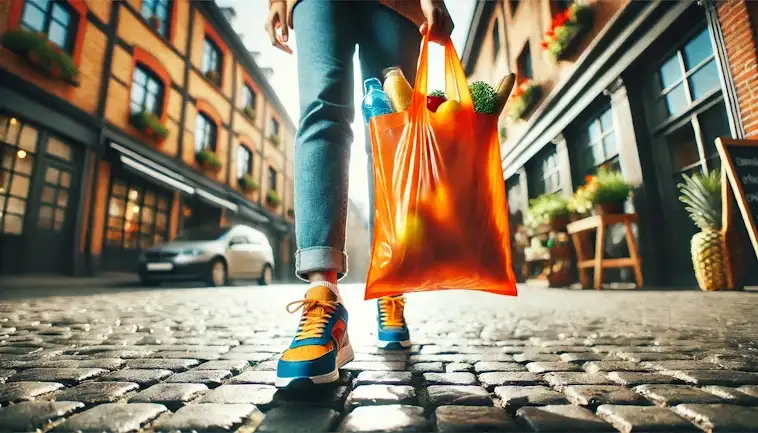
Unveiling the Veil on Single-Use Plastics
Single-use plastics are exactly what they sound like: plastic items designed to be used once and then thrown away. These are things like plastic bags, straws, coffee stirrers, soda and water bottles, and most food packaging. Despite their convenience, these plastics pose a serious problem for the environment.
What’s the Big Deal?
Quick Consumption and Disposal
- Every year, we produce about 300 million tons of plastic waste. To put that in perspective, that’s nearly equivalent to the weight of the entire human population.
- A significant portion of this—nearly 50%—is single-use plastic.
- On average, a plastic bag is used for just 12 minutes before it’s discarded.
Impact on the Environment
Why Should We Be Concerned?
- Wildlife Endangerment: Animals often mistake plastic for food, which can lead to injury or death.
- Pollution: The production and decomposition of plastics contribute to air pollution and climate change.
- Health Risks: Chemicals leached from plastics may harm human health, affecting our hormone systems and overall health.
The Urgency of the Issue
The relentless production and disposal of single-use plastics have created an environmental crisis that is urgent and accelerating. Reducing the production and consumption of these plastics is crucial to preventing further environmental damage and safeguarding our health and the health of future generations. This isn’t just an environmental issue—it’s a sustainability challenge that affects all aspects of human life.
The Lifecycle of Single-Use Plastics
Single-use plastics start their life as fossil fuels, mostly oil and natural gas. These materials are the building blocks of plastics. Here’s a friendly walkthrough of how these plastics are made, used, and thrown away, along with the environmental toll they take at each step.
From Oil Rig to Plastic Bag: The Production Process
- Extraction and Refining: First, oil and natural gas are extracted from the earth. This process itself is intense, using big machines, and lots of energy, and it can disrupt wildlife and ecosystems. After extraction, these materials are sent to refineries to transform them into plastics. This refining process releases large amounts of greenhouse gases.
- Manufacturing: Next, the refined materials are turned into resins, which are then moulded into the plastic products we use every day—like shopping bags, straws, and water bottles. This step also consumes a lot of energy and emits even more greenhouse gases.
- Transportation: After they’re made, these plastics are packaged and shipped around the world. Transportation, whether by truck, ship, or plane, uses fossil fuels, adding to the carbon footprint of these products.
The Short Life of a Plastic Straw
Think about a plastic straw. You might use it for just a few minutes to sip your drink. It’s convenient, sure, but it’s also wasteful. After it’s thrown away, it can last in the environment for hundreds of years.
Disposal and the Long-Term Impact
- Landfills: Many single-use plastics end up in landfills where they slowly break down into smaller pieces called microplastics, but they don’t fully decompose. They just pile up, taking up space and potentially leaking harmful chemicals into the ground.
- Oceans: Worse yet, a lot of plastic waste doesn’t make it to a landfill. It ends up in our oceans, where it harms marine life. Animals mistake it for food, which can be fatal. Plus, these plastics continue to break down and release toxins into the water.
- Incineration: Sometimes, plastics are burned to dispose of them. This might seem like a quick fix, but burning plastic releases toxic chemicals into the air, contributing to air pollution and climate change.
The Bottom Line on Sustainability
Every step in the life cycle of a single-use plastic item uses valuable resources and generates pollution. From the fossil fuels used to create them to the emissions from their disposal, single-use plastics pose serious sustainability challenges. Reducing our reliance on these plastics can significantly cut down on waste and emissions, leading to a cleaner, healthier planet. It’s about making better choices, both small and large, to protect our environment.
Consequences for Our Ecosystems
Single-use plastics have a huge impact on our oceans and aquatic life. These everyday items are causing big problems underwater and along our coastlines.
How Plastics Enter Our Waters
It starts when plastic items are carelessly tossed aside. They might be thrown away far from the shore, but many find their way to the ocean through rivers, wind, and drainage systems. Once they reach the ocean, they stay there, slowly breaking down into smaller pieces.
The Trouble with Plastics in the Ocean
- Entanglement: Marine animals, like turtles, seals, and birds, often get caught in plastic waste. For example, six-pack rings from soda cans can trap and strangle sea turtles who mistake them for jellyfish. Nets and other larger plastics can entangle whales and dolphins, leading to injury or death.
- Ingestion: Smaller plastics pose a different threat. Fish and other marine creatures eat these plastics, mistaking them for food. This can be fatal. For instance, a whale found dead in the Philippines had 88 pounds of plastic bags in its stomach. This is a stark example of how deadly plastics can be when they end up where they don’t belong.
- Habitat Disruption: Coral reefs, which are vital to marine biodiversity, are also at risk. When plastics smother coral reefs, they block sunlight and reduce the oxygen level in the water, stressing the coral and making it more susceptible to disease.
- Chemical Pollution: As plastics break down, they release harmful chemicals into the water. These chemicals can disrupt the growth and reproductive systems of marine animals. They also make their way up the food chain—ultimately affecting humans who consume seafood.
A Closer Look: The Great Pacific Garbage Patch
One striking example of how severe this issue has become is the Great Pacific Garbage Patch. It’s a massive area in the Pacific Ocean where currents have collected millions of pieces of plastic debris. This floating trash island disrupts the natural environment, harming marine life that comes into contact with it and altering the ecosystem in ways we’re still trying to understand.
Health Hazards: The Invisible Threat
Single-use plastics are not just a problem for the environment; they can also pose serious health risks to us humans. These everyday items could be affecting your health without you even realising it.
Chemical Leaching: What’s Seeping into Your Food?
Plastics are made with a variety of chemicals, some of which can leach into food and drinks. For example, when plastic food containers or bottles are heated up or scratched, chemicals like BPA (Bisphenol A) can seep out. BPA is known to affect the endocrine system, which is responsible for hormone regulation. This can lead to potential health issues such as reproductive problems, obesity, and increased cancer risk.
Ingesting Plastics Without Knowing
It might sound strange, but we are likely ingesting small amounts of plastic regularly. Microplastics, which are tiny pieces of degraded plastic, have been found in tap water, sea salt, and even in the air we breathe. These microplastics can carry toxic chemicals and bacteria into our bodies.
The Seafood Connection
If you enjoy seafood, there’s another risk factor to consider. Many marine animals ingest microplastics in the ocean. These plastics, along with the chemicals they contain, can accumulate in the animals’ bodies. When we eat seafood, we might also be ingesting these microplastics and chemicals. Studies have shown that microplastics are found in popular seafood like shrimp, oysters, and fish.
Broader Implications for Food Safety
The presence of plastics and chemicals in our food chain has broader implications for food safety and public health. Chemicals from plastics can affect the immune system and might contribute to an increased risk of chronic diseases. The impact of long-term exposure to these chemicals and microplastics is still being studied, but the potential risks are significant.
It’s important to be aware of these risks and to take steps to minimise our exposure:
- Use glass or stainless steel containers instead of plastic.
- Avoid heating food in plastic containers.
- Choose fresh, unpackaged food whenever possible.
By understanding and addressing these health risks, we can make safer choices for ourselves and for future generations.
Economic Implications of Plastic Dependency
Managing plastic waste isn’t just an environmental challenge; it’s also a costly economic burden. And the costs stack up, from cleanup efforts to the impact on local economies, and a shift to sustainability might just be the financially smarter move.
The High Cost of Cleanup
Cleaning up plastic waste is expensive. Cities spend millions every year to collect and manage litter before it ends up in rivers and oceans. For instance, coastal cleanups can cost local governments substantial amounts of money. The funds come from taxpayers’ pockets—money that could be used elsewhere.
Recycling Isn’t Always the Answer
Recycling seems like a great solution, but it’s not always cost-effective. Processing and recycling plastic requires a lot of energy and technology, which can be expensive. Plus, not all plastics can be recycled equally. Some are too costly to process, and others can’t be recycled at all, leading to higher waste management costs.
Impact on Tourism and Fishing
Plastic pollution can seriously damage industries like tourism and fishing, which many communities depend on for their livelihoods. Tourists are less likely to visit beaches littered with plastic. This can lead to a drop in tourism revenue, hurting local businesses and jobs. In the fishing industry, plastic debris can damage fishing gear and reduce fish populations, leading to lower catches and economic losses for fishermen.
Financial Benefits of Sustainability
Moving towards a more sustainable model offers significant financial benefits:
- Reduced Waste Management Costs: By reducing the amount of single-use plastics, cities can lower the cost of waste management.
- Boost in Tourism: Cleaner beaches and natural environments attract more tourists, which boosts local economies.
- Sustainable Fishing: Fewer plastics in the ocean mean healthier marine ecosystems and more robust fishing industries.
- Innovation and Jobs: Investing in sustainable technologies and green industries can create jobs and lead to innovations that may offer new sources of revenue.
A Sustainable Future Is Cost-Effective
Investing in sustainability isn’t just good for the planet; it makes economic sense. By reducing our reliance on single-use plastics, we can decrease cleanup costs, protect vital industries like tourism and fishing, and open up new opportunities in the green economy. The upfront costs of shifting towards sustainability are far outweighed by the long-term savings and benefits. Making this change is not only environmentally necessary but economically smart too.
Global Responses and Resistance
Countries around the world are taking steps to tackle the issue of single-use plastics through various approaches, from strict bans to promoting innovative alternatives. However, these efforts often meet resistance, and enforcing new rules can be a challenge.
Leading the Charge with Legislation and Bans
- European Union (EU): The EU has been a leader in this area, implementing a ban on single-use plastics like straws, cutlery, and plates. They’re pushing for products that are easier to recycle and encouraging manufacturers to use less plastic.
- India: In India, many regions have introduced bans on specific types of single-use plastics. The country has ambitious goals to eliminate single-use plastics nationwide targeting a wide range of products.
- Rwanda: Rwanda is often hailed as a success story, having enforced a ban on non-biodegradable polythene bags as early as 2008. This move has significantly cleaned up the environment and streets across the nation.
Innovations in Plastic Alternatives
Across the globe, there’s a push towards finding sustainable alternatives to single-use plastics:
- Biodegradable plastics: These are made from natural materials like corn starch and break down more easily than traditional plastics.
- Edible cutlery: In places like India, entrepreneurs are producing edible spoons and forks from millet, rice, and wheat as a tasty and eco-friendly option.
- Plant-based packaging: Companies are exploring packaging made from seaweed, mushrooms, and other plant materials that decompose quickly and harmlessly.
Resistance and Enforcement Challenges
Despite these positive steps, not everyone is on board:
- Industry Resistance: Many manufacturers argue that alternatives can be more expensive to produce and may not offer the same level of functionality or hygiene. Plastic industry groups often lobby against bans and regulations, citing job losses and economic impacts.
- Enforcement Issues: Ensuring compliance with new laws can be tricky. In countries with vast and porous borders, smuggled plastic goods can still find their way onto store shelves. Local enforcement agencies may also lack the resources to monitor and penalise violators effectively.
While the road to reducing single-use plastics is fraught with challenges, the global momentum towards tackling this issue continues to grow. By combining legislative action with innovative alternatives and addressing industry concerns, we can make significant strides in reducing the environmental impact of plastic waste. The journey isn’t easy, but the ongoing efforts across different countries and regions are promising steps towards a more sustainable world.
Towards Sustainable Alternatives
As the world moves away from single-use plastics, a variety of alternatives are stepping up to the plate, offering sustainable and innovative solutions.
Biodegradable Materials
Biodegradable materials break down naturally and quickly, leaving no harmful residues. Products made from cornstarch, sugarcane, and even potatoes are becoming popular. For instance:
- Corn starch utensils dissolve in water and soil within a few months, significantly reducing waste.
Reusable Products
Reusable items are a simple yet effective alternative to single-use plastics. They reduce waste and often save money over time.
- Reusable shopping bags made of cloth or other durable materials are common in many households now. They last for years and cut down on plastic bag use.
- Water bottles and coffee cups made from stainless steel or glass are not only stylish but also reduce the millions of disposable ones thrown away daily.
Innovations in Packaging
Innovative packaging solutions are also making waves:
- Edible packaging: Imagine eating your ice cream and then munching on the wrapper, too. Edible packaging, often made from seaweed or rice paper, is a tasty and trash-free option.
- Mushroom packaging: This material, grown from mycelium and agricultural waste, is compostable and has already been adopted by companies like IKEA for packaging.
Success Stories
- United Kingdom: The UK has seen a significant reduction in plastic bag use since implementing a small charge for them. This simple measure has cut use by over 85%.
- Bali: Social enterprises in Bali are turning seaweed into packaging that is not only biodegradable but also edible, helping reduce the island’s plastic waste.
Viability and Scalability
While these alternatives are promising, their success on a larger scale depends on several factors:
- Cost and Production: Many alternatives are currently more expensive than traditional plastics. Scaling up production and improving technology can help reduce costs over time.
- Consumer Behaviour: Widespread adoption depends on changing consumer habits. People need to be willing to choose and consistently use these alternatives.
- Regulatory Support: Government policies can accelerate the shift by imposing bans on single-use plastics and providing incentives for sustainable alternatives.
Moving towards sustainable alternatives is not just a trend but a necessity. By embracing these innovations and adapting our habits, we can make a significant impact on reducing plastic waste. The journey is challenging, but the progress made so far shows that it’s both possible and positive.
What Can We Do?
Reducing our plastic footprint is a powerful way for each of us to help protect our planet. Here’s how you, your community, and our policymakers can make meaningful changes today. Let’s work together to tackle this issue head-on and make a real difference.
Tips for Individuals
- Choose Reusable Over Disposable: Swap out single-use plastics for reusable alternatives. Carry a reusable water bottle, coffee cup, and shopping bags. It’s a simple change that has a big impact.
- Buy in Bulk: Reduce packaging waste by buying bulk items when you can. This means fewer plastic wrappers and containers.
- Support Eco-friendly Products: Look for products with minimal packaging, or packaging made from recycled or biodegradable materials. Your purchasing power sends a strong message to businesses about what consumers want.
Ideas for Communities
- Organise Clean-up Drives: Gather your neighbours for local clean-up events at parks, beaches, or riverbanks. It’s a great way to raise awareness and keep your community clean.
- Educational Workshops: Host workshops to educate community members about the impact of plastic waste and how to reduce it. Knowledge is power!
- Promote Local Recycling Programs: Help improve recycling rates in your area by promoting and participating in local recycling programs. Ensure everyone knows what can be recycled and how.
Actions for Policymakers
- Implement Bans on Single-Use Plastics: Enact regulations that limit or ban the use of single-use plastics. Policies like these have proven effective in many places around the world.
- Incentivise Sustainable Practices: Offer tax breaks or subsidies to businesses that reduce waste, use recycled materials, or produce sustainable products.
- Fund Research on Alternatives: Invest in research and development of alternative materials that are less harmful to the environment.
You Can Make a Difference!
Every small action adds up to a big impact. By making informed choices and encouraging others to do the same, you can help reduce the flow of plastics polluting our planet. It’s about being mindful of our daily habits and making changes where we can. Let’s inspire each other and push for broader societal shifts. Together, we can pave the way for a cleaner, healthier environment. So, let’s get started today—every step counts!
Conclusion
Single-use plastics, clearly the challenge is significant but not insurmountable. Each of us has the power to make a difference. By choosing reusable items, supporting sustainable products, and participating in community clean-ups, we can start to turn the tide against plastic pollution.
Policymakers also play a crucial role. By implementing effective regulations and supporting innovative alternatives, they can help lead the way to a less wasteful future.
Together, we can reduce our plastic footprint and move towards a cleaner, healthier planet. Let’s take these steps today and every day to protect our environment for generations to come. It’s not just about changing a habit—it’s about changing the future.