

Tornado Alley: Why It Exists and How It’s Changing
Tornado Alley is a region in the U.S. known for frequent, powerful tornadoes. Covering parts of several states, this area sees more tornadoes than almost anywhere else in the world. Why does Tornado Alley exist, and what makes it so prone to these intense storms? Changes in climate and shifting weather patterns also raise questions about how this zone is transforming. Let’s take a closer look at the forces behind Tornado Alley and examine how its characteristics are evolving.
Tornado Alley: Why It Exists and How It’s Changing
What You’ll Discover
What Do We Mean by Tornado Alley?
The Meteorological Mechanics of Tornado Formation
Historical Data on Tornadoes in Tornado Alley
The Impact of Topography and Geography
Climate Change and Shifting Patterns
Future Predictions: Models and Expert Opinions
Adapting to a Changing Tornado Alley
The Importance of Awareness and Preparedness
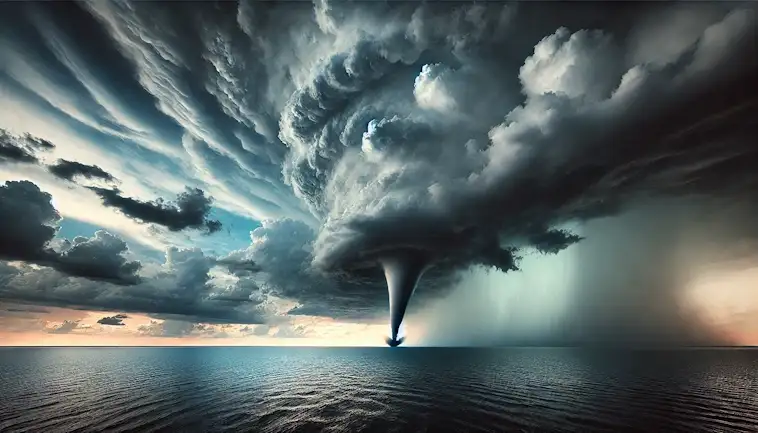
What Do We Mean by Tornado Alley?
Tornado Alley is a popular name for a region in the United States that’s famous for frequent tornado occurrences. This area includes several states, mainly Texas, Oklahoma, Kansas, Nebraska, and South Dakota. The exact boundaries can vary depending on who you ask, but these states are commonly included.
So, why does Tornado Alley get so many tornadoes?
- Geography and Weather Patterns: Tornado Alley is in a unique spot where cold, dry air from Canada meets warm, moist air from the Gulf of Mexico. When these air masses collide, they create perfect conditions for tornadoes.
- Flat Terrain: The flat landscape of the Great Plains allows cold and warm air to mix and move freely, which helps to foster the development of severe storms and tornadoes.
- Timing: Tornadoes in this region are most common in the spring and early summer, especially during May and June. This is when the conditions for severe weather are often at their peak.
Living in Tornado Alley means being prepared for severe weather, as this region sees some of the most powerful and frequent tornadoes in the world. The phenomenon is not just a meteorological interest but also a crucial aspect of life for the residents and communities in these areas. They have developed various safety measures and alert systems to protect against these powerful storms.
The Meteorological Mechanics of Tornado Formation
Tornadoes are fascinating but also quite scary because of their power and unpredictability. They form under specific conditions, and in places like Tornado Alley, these conditions come together more often than not. Here’s a simple breakdown of what’s needed for a tornado to form, focusing on supercell thunderstorms, which are the most common breeders of tornadoes in this region:
- Supercell Thunderstorms: These are not your average thunderstorms. They are larger, more organised, and have a rotating updraft called a mesocyclone. Supercells are the main type of storm that spawns tornadoes, especially the strong ones.
- Jet Stream: This is a fast-moving band of air high in the atmosphere. It plays a huge role by helping to create strong wind shear, which is a difference in wind speed and direction at different altitudes. This wind shear can tilt the rotating updraft of a supercell, keeping the storm going and possibly leading to a tornado.
- Dry Lines: Imagine a battlefield where dry, hot air from the deserts in the west meets warm, moist air from the Gulf of Mexico. This meeting point is called a dry line, and it’s often found in Tornado Alley. When these air masses clash, it can lead to severe thunderstorms and, yes, tornadoes.
- Instability: Warm, moist air at the surface and cooler air aloft create an unstable atmosphere. This instability helps thunderstorms grow taller and stronger, increasing the chances of tornadoes forming.
These factors all contribute to making Tornado Alley a hotspot for tornadoes. The geography of the Great Plains, combined with atmospheric conditions like the jet stream and the clash at dry lines, creates a perfect storm scenario for these awe-inspiring yet dangerous weather events.
Historical Data on Tornadoes in Tornado Alley
Tornado Alley has witnessed some of the most significant and devastating tornadoes in history. The frequency and severity of these events have had profound impacts on the communities there.
- The Tri-State Tornado (1925): This is one of the deadliest tornadoes in U.S. history. It travelled across Missouri, Illinois, and Indiana, covering 219 miles in just 3.5 hours. The tornado claimed 695 lives and injured over 2,000 people, leaving a lasting mark on the communities it hit.
- The Moore, Oklahoma Tornado (2013): Moore has experienced multiple severe tornadoes, but the 2013 event was particularly brutal. It was an EF5 tornado, the highest rating possible, with winds over 200 mph. The tornado caused 24 deaths and injured 212 others, and it resulted in significant damage to thousands of homes and businesses.
- The Joplin, Missouri Tornado (2011): Another EF5, this tornado was part of a larger tornado outbreak across the Midwest and Southeast. It directly hit Joplin, causing 158 fatalities and over 1,000 injuries. It’s considered one of the costliest tornadoes ever, with damages near $2.8 billion.
These events show just how sudden and severe tornadoes can be, particularly in Tornado Alley. The communities affected by these storms have had to rebuild and recover, often reinforcing buildings and improving warning systems to better protect against future tornadoes. The history of tornadoes in this region underlines the need for continued vigilance and preparedness in the face of such powerful natural disasters.
The Impact of Topography and Geography
The Great Plains region, often called Tornado Alley, is famously flat and open. This unique landscape plays a crucial role in the formation and intensification of tornadoes.
- Flat and Open Terrain: The lack of significant hills or mountains in the Great Plains means there’s nothing to block or slow down the winds. This allows the winds to speed up and move freely across the landscape.
- Visibility and Air Movement: The open spaces make it easier for cold and warm air masses to meet and mix. This mixing is essential for creating the supercell thunderstorms that often lead to tornadoes.
- Sustaining Storms: Once a tornado forms, the flat plains can help sustain and even intensify it. Without physical barriers to disrupt the airflow, tornadoes can maintain their power over longer distances and periods.
- Heat and Moisture: The sun beating down on the expansive, flat terrain warms the air near the ground. This warm air rises, and if moist enough, contributes to the instability needed for severe weather, providing energy to developing storms.
This combination of flat land, open space, and suitable atmospheric conditions makes the Great Plains a prime area for some of the most powerful tornadoes we see. This geographical setup not only facilitates the creation of these severe weather patterns but also helps sustain them once they’ve formed.
Climate Change and Shifting Patterns
As global temperatures rise, the conditions that create tornadoes are also changing. This can impact how often tornadoes occur and how intense they are.
- Changing Ingredients: Tornadoes need specific conditions to form, like warm, moist air at low levels and cooler, drier air above. With global warming, these conditions are appearing in new areas and at different times, changing traditional weather patterns.
- Frequency and Intensity: Studies and models suggest mixed results. Some predict an increase in the conditions that lead to severe storms, potentially causing more intense tornadoes. However, others suggest a decrease in frequency but an increase in intensity. It’s a complex picture that scientists are still trying to fully understand.
- Shifting Boundaries: Traditionally, Tornado Alley covers parts of the central United States. But recent trends show tornado activity increasing in the Southeastern U.S., an area now sometimes called “Dixie Alley.” This shift could be due to changing atmospheric conditions driven by global warming, altering the traditional tornado hotspots.
- Future Predictions: Models predict that as the climate continues to warm, we may see more significant shifts in where and when tornadoes occur. This could challenge existing preparedness and response strategies and necessitate updates to safety guidelines and infrastructure.
Overall, rising global temperatures are making the science of tornado prediction more crucial yet more challenging. Communities may need to adapt to changes in tornado risk and ensure they are prepared for new weather patterns in the future.
Future Predictions: Models and Expert Opinions
As climate change progresses, meteorologists and climate scientists are closely watching how it could reshape Tornado Alley. They’re considering various scenarios to understand potential changes in weather patterns, tornado season length, and storm intensity.
- Changes in Weather Patterns: The collision of warm, moist air from the Gulf of Mexico with cold, dry air from the Rockies fuels tornadoes in Tornado Alley. With climate change, these air masses may behave differently. The warming climate could make the Gulf air even warmer and moister, potentially leading to more volatile weather conditions.
- Extended Tornado Season: Traditionally, Tornado Alley sees the most tornado activity in the spring and early summer. However, as global temperatures rise, the season could start earlier and end later. This would mean a longer period each year when tornadoes are possible, stretching the resources of communities and emergency responders.
- Increased Intensity: While predictions vary, there’s a consensus that the intensity of storms could increase. Warmer temperatures can create more energy in the atmosphere, which might lead to stronger tornadoes. This means that even if the number of tornadoes doesn’t significantly increase, their power and the potential for destruction could grow.
- Shifting Geographical Focus: Some studies suggest that the core of Tornado Alley might shift eastward toward the Mississippi River and the Southeastern United States. This would not only change the geographic areas at greatest risk but also impact the types of communities that need to be prepared for severe weather.
Overall, scientists are urging communities in and around Tornado Alley to prepare for potentially significant changes in tornado behaviour due to climate change. This includes updating emergency preparedness plans and considering new approaches to building and community safety to withstand more powerful storms.
Adapting to a Changing Tornado Alley
As tornado patterns shift and potentially intensify due to climate change, communities, governments, and individuals must step up their preparedness.
- Advancements in Forecasting: Technology is a game-changer in how we predict and track tornadoes. Meteorologists now use more sophisticated models and tools, like Doppler radar, to provide earlier warnings. This gives people more time to seek safety when a tornado is approaching.
- Strengthening Building Codes: One of the best ways to reduce damage from tornadoes is by building more resilient structures. Some areas are updating building codes to require sturdier constructions, such as reinforced safe rooms and tornado-proof foundations. These enhancements can make a big difference in protecting lives and property.
- Community Preparedness Programs: Governments and local organisations are developing programs to educate people about tornado safety. These programs often include drills, providing information on safe shelters, and distributing emergency kits. Knowing what to do when a tornado warning is issued is crucial.
- Emergency Alert Systems: Improvements in alert systems help ensure that everyone receives timely warnings during severe weather. This includes outdoor sirens, text alert services, and automatic notifications on TVs and radios.
- Individual Preparedness: At the individual level, having a personal safety plan is key. This means knowing where to go during a tornado, having an emergency kit ready, and staying informed about the local weather conditions.
By investing in these areas, communities in Tornado Alley and other at-risk areas can better protect themselves from the impacts of tornadoes. As weather patterns continue to evolve, staying proactive and informed is more important than ever.
The Importance of Awareness and Preparedness
Understanding the dynamics of Tornado Alley, the impacts of climate change, and the importance of preparedness cannot be overstated. As our climate continues to change, so too do the patterns of tornado activity. This makes ongoing research and adaptation strategies crucial for our safety and resilience.
- Continual Learning: The behaviour of tornadoes is complex and ever-changing. By keeping up with the latest research, you can better understand the risks and prepare accordingly. Scientists are constantly learning more about how tornadoes form and behave, and sharing this knowledge can save lives.
- Adapting to Changes: As we see shifts in when and where tornadoes occur, our strategies for dealing with them must also evolve. This includes building safer homes, improving community warning systems, and ensuring that all residents know what to do in case of a tornado.
- Community Engagement: Engaging with local safety programs is a proactive step you can take. These programs offer valuable information and resources that can help you and your community withstand the effects of tornadoes. Participation in drills, community meetings, and educational programs strengthens the entire community’s ability to respond to disasters.
- Personal Preparedness: Finally, your personal preparedness is key. This includes having an emergency kit, a family communication plan, and knowing your local emergency shelters. The more prepared you are, the safer you and your family will be when a tornado strikes.
By understanding more about Tornado Alley and staying engaged in local safety efforts, we can all contribute to a more resilient community. As we face the challenges brought by climate change, it’s more important than ever to be informed, prepared, and proactive.
Conclusion
Tornado Alley is a unique and dynamic region shaped by its geography and the clash of different air masses. As we witness shifts due to climate change, the patterns of tornado activity are also evolving. Understanding these changes is crucial for everyone living in or near this area. By keeping informed about weather predictions, improving our buildings, and participating in community safety programs, we can better prepare for what the future holds. Let’s all commit to staying alert and making the necessary adjustments to safeguard our communities against the powerful force of tornadoes. Together, we can face these challenges head-on and continue to thrive in Tornado Alley.