

Nature’s Last Stand: The Urgent Need for Conservation Action
Nature is in a delicate state, calling for immediate conservation efforts. Around the world, habitats are shrinking and species are facing the brink of extinction. This situation demands our attention and action. It’s time to look closely at the challenges nature faces and the steps we can take to ensure its survival. Engaging with the realities of environmental decline can empower us to make a difference. Let’s discuss how vital these efforts are for maintaining the balance of our ecosystems.
Nature’s Last Stand: The Urgent Need for Conservation Action
What You’ll Discover
Biodiversity Loss: Causes and Consequences
The Role of Protected Areas in Safeguarding Wildlife
Climate Change: Amplifying Threats to Nature
From the Brink of Extinction to Recovery
Innovative Conservation Strategies
Policy and Legislation Protecting Nature
The Economic Value of Ecosystem Services
Taking Action for Conservation
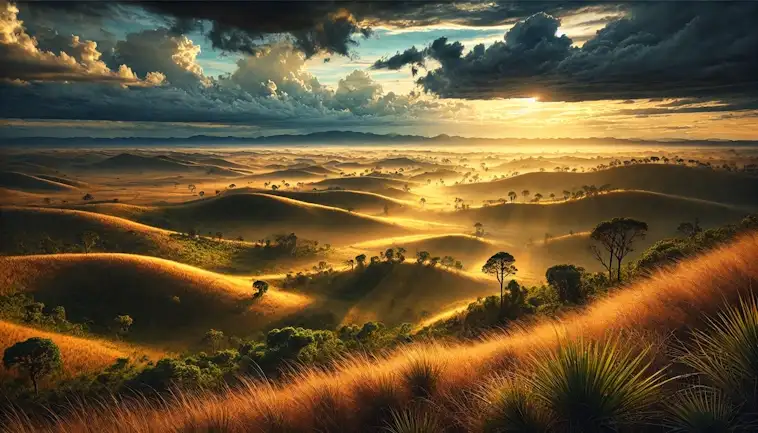
Biodiversity Loss: Causes and Consequences
Biodiversity globally is experiencing a significant decline due to several interconnected factors.
- Habitat Destruction: This is one of the most critical factors driving biodiversity loss. When natural habitats are destroyed or altered (due to deforestation, urban expansion, agriculture, and mining), many species lose their homes. Without their natural habitats, they struggle to survive, reproduce, and find food.
- Climate Change: Climate change compounds the issue of habitat destruction. As temperatures rise and weather patterns shift, many species find it difficult to adapt to these new conditions. For instance, warmer temperatures can alter migration patterns and breeding seasons, affecting food availability for wildlife.
- Pollution: Pollution affects air, water, and soil quality. Chemicals released into environments—from industrial waste, agricultural runoff, and plastic pollution—can be toxic to wildlife. Water pollution, for example, can lead to dead zones in aquatic habitats where little to no life can exist due to a lack of oxygen or the presence of harmful substances.
- Overexploitation of Resources: Overfishing, hunting, and poaching, as well as the harvesting of plants and animals faster than they can replenish, lead to significant declines in species populations. This not only affects the targeted species but also the broader food web that depends on them.
Interconnection and Cascading Effects
- These causes are deeply interconnected. For example, climate change can exacerbate habitat destruction: as sea levels rise, coastal habitats may disappear. Similarly, habitat destruction can lead to increased carbon emissions (from activities like deforestation), which in turn fuel climate change.
- Pollution can interact with climate change by affecting the health and reproductive success of species, making them more vulnerable to changes in their habitat due to warming temperatures or altered rainfall patterns.
- Overexploitation often happens when natural habitats are degraded, and human communities turn to remaining wildlife and plants as resources to sustain their livelihoods.
Impact on Ecosystems
- The combination of these factors leads to a reduction in species diversity and ecological resilience. As species disappear, ecosystems lose their ability to perform essential functions like pollination, water purification, and carbon sequestration.
- This loss of biodiversity creates a weaker system that is less able to cope with additional stresses, such as natural disasters or new diseases, further threatening the survival of remaining species and the health of the planet.
Understanding and addressing the interconnections among these causes is crucial in our efforts to conserve and restore biodiversity. Each action we take to mitigate one issue can often help alleviate others, emphasising the need for integrated conservation strategies.
The Role of Protected Areas in Safeguarding Wildlife
Establishing and maintaining protected areas like national parks, wildlife reserves, and marine protected zones is incredibly important for our planet.
- Conserving Critical Habitats: Protected areas offer a safe space for diverse habitats. These habitats are essential for the survival of countless plant and animal species. By keeping these areas safe from human interference, we ensure that natural habitats are preserved, which is vital for biodiversity.
- Safe Havens for Endangered Species: Many species are on the brink of extinction due to various threats like poaching or habitat loss. Protected areas provide a sanctuary where these species can live, breed, and thrive without the immediate pressures that threaten their existence outside these zones.
- Maintaining Natural Ecological Processes: Protected areas help keep ecological processes intact. These processes include things like pollination, seed dispersal, and nutrient cycling. They are the natural activities that make ecosystems productive, resilient, and capable of supporting life.
Benefits Beyond Borders
- Protected areas not only safeguard the species and habitats within their boundaries but also offer benefits beyond their borders. For example, forests in protected areas can improve air quality and regulate the climate both locally and globally.
- Marine protected zones help maintain fish populations, supporting fisheries that local communities rely on for food and livelihood.
A Source of Knowledge and Enjoyment
- These areas also serve as living laboratories where scientists can conduct research and learn how ecosystems work and how to best protect them. This knowledge is crucial for making informed conservation decisions.
- Plus, they provide a space for people to connect with nature, promoting mental and physical well-being and increasing awareness and support for conservation efforts.
Protected areas are fundamental to conserving our natural heritage, protecting endangered species, and maintaining the health of our planet. They are invaluable not just for wildlife but for us too, helping ensure a healthy and sustainable environment for future generations.
Climate Change: Amplifying Threats to Nature
Climate change has a big impact on conservation efforts, making it even harder to protect our wildlife and habitats.
- Rising Temperatures: As temperatures go up, many species struggle to survive. They might find it too hot in their traditional homes and try to move to cooler areas. But moving isn’t always easy or possible, especially if human development blocks their path.
- Changing Weather Patterns: Changes in rainfall and seasons can disrupt the natural rhythms of wildlife. Some plants may bloom earlier than usual, and animals that rely on those plants for food might not sync up with these changes. This mismatch can lead to food shortages and affect the survival of both plants and animals.
- Extreme Weather Events: More frequent and severe storms, floods, and droughts can destroy habitats suddenly. This can wipe out large numbers of plants and animals in one go. For example, coral reefs are particularly vulnerable to strong storms and warming seas, leading to coral bleaching and the loss of these vital ecosystems.
Complicating Conservation Efforts
- Climate change makes it tough for conservationists to plan and implement strategies. As conditions change quickly and unpredictably, strategies that worked in the past may no longer be effective.
- Efforts to establish protected areas or restore habitats must now consider these changing conditions. This means more resources and more flexible, innovative approaches are needed to keep up with the pace of change.
Climate change adds an extra layer of urgency to conservation efforts. It’s not just about saving species and habitats anymore; it’s about adapting our strategies to ensure these efforts are effective in a rapidly changing world. This requires continuous monitoring and updating of conservation practices to stay one step ahead of these changes.
From the Brink of Extinction to Recovery
Here are a few inspiring examples of how human intervention has helped bring species back from the brink of extinction:
- The California Condor: This majestic bird was nearly wiped out by poaching, lead poisoning, and habitat destruction. In the 1980s, there were only 27 California condors left. Conservationists began a breeding program, caring for the birds in zoos and gradually reintroducing them to the wild. Today, over 400 California condors are flying free!
- The American Bison: Once, up to 60 million bison roamed North America. By the late 1800s, hunting and expansion had reduced their numbers to just a few hundred. Efforts to protect and breed bison in protected areas and reservations have been successful. Now, over 500,000 bison live in preserves and ranches across the United States.
- The Arabian Oryx: This beautiful desert antelope was extinct in the wild by the early 1970s, due to overhunting. However, a few were kept in zoos, and these formed the basis of a breeding program. In 1982, oryx were reintroduced to the wild in Oman, and now several hundred live in protected areas across the Arabian Peninsula.
These examples show how thoughtful conservation strategies and dedicated efforts can really make a difference. By understanding the needs of endangered species and taking action, we can help them thrive once again.
Innovative Conservation Strategies
Technology is changing the game in conservation, offering new tools to protect wildlife and habitats.
- Wildlife Tracking: Scientists use GPS collars and tags to track animals in real-time. This helps them understand migration patterns, habitat use, and how animals are adapting to changes in their environment. With this data, conservationists can make better decisions about how to protect these animals.
- Drones: Drones are incredibly useful for monitoring large, hard-to-reach areas. They help spot illegal activities like poaching and logging from the air. This real-time surveillance allows for quick responses and helps protect vulnerable wildlife and forests.
- Genetic Research: Advances in genetics allow scientists to study the DNA of animals and plants. This can help identify endangered species, understand genetic diversity, and even resurrect plants from seeds that are centuries old. Genetic insights are crucial for breeding programs and reintroducing species into the wild.
The Role of Local Communities
- Involving local communities in conservation is key to success. When local people are part of the planning and implementation, conservation efforts are more likely to be respected and maintained.
- Local communities often have deep knowledge of their natural environment. This knowledge can be incredibly valuable in managing ecosystems wisely.
- By involving locals, conservation projects also provide economic benefits, such as jobs and sustainable income sources. This makes the projects more appealing and sustainable in the long run.
Combining modern technology with the traditional knowledge of local communities creates powerful conservation strategies that are effective and sustainable. This approach not only saves species and habitats but also builds stronger, more resilient communities.
Policy and Legislation Protecting Nature
Legal and policy frameworks are essential for supporting conservation efforts. These laws and agreements help protect our natural world.
- International Treaties: One of the key international agreements is the Convention on Biological Diversity. It was adopted in 1992 and has three main goals: conserving biological diversity, using biological resources sustainably, and sharing the benefits of genetic resources fairly. Countries that sign this treaty are committed to protecting biodiversity through their own national strategies and plans.
- National Laws: Countries often have their own laws to protect habitats and wildlife. For example, the United States has the Endangered Species Act, which provides a legal framework for conserving threatened and endangered species and their habitats. Such laws make it possible to take action against threats like illegal wildlife trade, habitat destruction, and pollution.
- The Role of Organisations: Both governmental and non-governmental organisations (NGOs) play crucial roles in shaping and enforcing conservation policy. Governmental agencies might create and enforce regulations, manage national parks, and fund conservation projects. NGOs often work on the ground to implement conservation projects, raise awareness, and push for stronger legal protections.
Working Together
- Cooperation between countries, governments, NGOs, and even private sectors is vital. By working together, they can ensure that conservation laws and policies are effective and adapt to new challenges.
These legal and policy frameworks create a structured approach to conservation. They provide the tools needed to protect our planet’s invaluable natural resources and biodiversity.
The Economic Value of Ecosystem Services
Conservation isn’t just good for plants and animals; it makes economic sense too. Ecosystems provide amazing services that are crucial for human life and our economies.
- Benefits of Pollinators: Pollinators like bees, butterflies, and birds play a critical role in agriculture. They help pollinate crops, which is essential for producing fruits, vegetables, and nuts. Without pollinators, many of the foods we rely on would be in short supply and more expensive.
- Forests and Carbon Sequestration: Forests are incredible at absorbing carbon dioxide from the atmosphere, which helps fight climate change. By storing this carbon, forests help regulate the climate and reduce the impacts of global warming, which can save money in terms of climate-related damages in the future.
- Wetlands and Flood Mitigation: Wetlands act like natural sponges, soaking up excess water during storms and reducing flood risk. This can save billions of dollars in potential damage to homes, businesses, and agriculture. Plus, wetlands filter out pollutants from water, which helps keep our water supply clean and reduces the need for expensive water treatment.
Why Invest in Conservation?
- Investing in the conservation of these ecosystems means maintaining their ability to support us. It’s much cheaper to protect natural services than to replace them with man-made alternatives.
- Healthy ecosystems also support tourism and recreation industries, which provide jobs and economic benefits to local communities.
The economic rationale for conservation is strong. By protecting nature, we ensure that ecosystems continue to provide the services we depend on for our health, economy, and well-being. It’s a smart investment in our future.
Taking Action for Conservation
You can play a big part in conservation efforts, and it doesn’t have to be complicated.
- Adopt Sustainable Practices: Simple changes in your daily life can make a difference. Try using less water, reducing waste, recycling, and choosing sustainable products. Even reducing your energy use by turning off lights when they’re not needed can help.
- Support Conservation Organisations: Many organisations work hard to protect wildlife and habitats. You can help by donating money or even volunteering your time. These groups often need help with everything from office work to fieldwork.
- Participate in Local Restoration Projects: Look for opportunities to get involved in restoring natural areas in your community. This could be planting trees, cleaning up beaches, or helping at a local park. It’s a hands-on way to contribute to the health of your local environment.
- Spread Awareness: Talk about the importance of biodiversity with friends and family. Share information on social media. The more people understand the value of conservation, the more support these efforts will gain. Teaching others can inspire them to take action too.
By taking these steps, you contribute to a bigger movement. Every action counts, and together, they add up to significant positive impacts on our planet.
Conclusion
We’re at a critical moment in our relationship with the natural world. The need for conservation action has never been more urgent. Our planet’s health, the survival of countless species, and the future of generations to come depend on the choices we make today.
By understanding the challenges and embracing solutions—from supporting protected areas to adopting sustainable practices—we can make a real difference. Let’s not wait to act. The time to protect our precious planet is now. Let’s work together to ensure that nature’s beauty and bounty can be enjoyed by all, far into the future. It’s not just an obligation; it’s a privilege to be part of this vital effort to save our earth.