
Can Engineering Projects Effectively Stop Coastal Erosion?
Coastal erosion is a pressing issue affecting many communities worldwide. Can engineering projects provide a sustainable solution? This question brings to light various innovative methods being tested to protect our shorelines. From seawalls to beach nourishment, let’s take a closer look at how these projects are performing. Are they truly effective in halting erosion, or could they possibly introduce new challenges? Join us as we examine the effectiveness of these engineering solutions in safeguarding our coasts.
Can Engineering Projects Effectively Stop Coastal Erosion?
What You’ll Discover
Coastal Erosion: Causes and Impacts
Engineering Approaches to Coastal Protection
Success Stories of Coastal Engineering
Challenges and Limitations of Engineering Solutions
Environmental Considerations and Impact
Emerging Technologies in Coastal Engineering
Community Involvement and Policy Implications
The Effectiveness of Engineering Projects
Coastal Erosion: Causes and Impacts
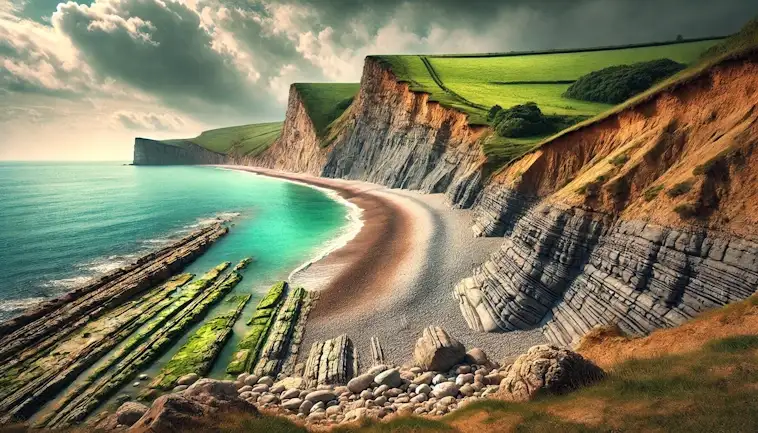
Coastal erosion is a natural process where beaches, cliffs, and coastlines are worn away by the force of water, wind, and other environmental factors. It happens all over the world and can have both natural and human-induced causes. Understanding why it occurs and its impacts can help us figure out how to manage it better.
Natural Causes of Coastal Erosion
- Wave Action: Waves, especially during storms, hit the shoreline with immense force, pulling sand and rock back into the ocean.
- Currents: Ocean currents can be powerful. They move along the coast, sweeping away sediment and reshaping the shoreline.
- Sea-Level Rise: As the planet warms, sea levels rise, which increases the reach of waves and currents, accelerating erosion along coastlines.
Human-Induced Causes
- Construction: Building too close to the shoreline can destabilise the area. Structures like seawalls or jetties can sometimes make erosion worse by disrupting natural sediment flows.
- Deforestation: Removing vegetation from coastal areas removes the roots that hold the soil together, making it easier for the soil to be washed away.
Impacts of Coastal Erosion
- Ecosystems: Erosion can destroy habitats for wildlife, including important breeding grounds for fish and birds.
- Property: Homes, businesses, and infrastructure near the coast can be damaged or completely destroyed as the land they are built on erodes.
- Communities: Local communities may lose not only their homes but also access to cultural heritage sites and recreational areas. Additionally, the economic impact can be significant, affecting livelihoods and local economies.
Given these impacts, it’s clear that managing coastal erosion is critical. Engineering interventions, like building breakwaters, replenishing beaches, or restoring natural vegetation, are essential to mitigate these effects. These solutions not only help protect the coastline but also support the resilience of local communities and ecosystems against future erosion.
Engineering Approaches to Coastal Protection
Coastal erosion can be a big problem, but engineers have come up with several smart ways to tackle it. These methods fall into two main categories: hard engineering and soft engineering. Each type has its own techniques and benefits.
Hard Engineering Solutions
- Seawalls: These are strong barriers built along the coastline. They’re made from concrete or steel and stand between the waves and the land. Seawalls aim to reflect wave energy back into the sea, protecting the coast behind them from erosion. However, they can be expensive and may increase erosion further down the coast.
- Groynes: These are barriers built perpendicular to the shore, usually made of wood or concrete. Groynes work by trapping sand moving down the beach due to currents. This helps build up the beach and protects the shore from waves. But, like seawalls, they can cause erosion on the down-current side because they stop the natural flow of sand.
- Breakwaters: These structures are built offshore and parallel to the coast. They’re usually made of large rocks or concrete blocks. Breakwaters reduce the power of incoming waves by creating a calm zone of water between the structure and the shore. This helps to slow erosion and protects the coastline.
Soft Engineering Methods
- Beach Nourishment: This method involves adding sand to the beach from other sources. It’s like giving the beach a fresh layer of sand that waves and currents had washed away. This helps to widen the beach and absorb wave energy, protecting the coastline.
- Dune Restoration: Sand dunes are natural barriers against the sea. Dune restoration involves planting vegetation or placing sand fences to trap sand and build up dunes. Healthy dunes act as buffers against waves and help to stabilise the beach.
Both hard and soft engineering solutions have their places in managing coastal erosion. Hard engineering often provides immediate and robust protection but can be costly and have negative effects on neighbouring areas. Soft engineering works more with nature and can be more sustainable in the long run. Often, a combination of both methods works best to protect our coastlines effectively.
Success Stories of Coastal Engineering
Coastal erosion is a global issue, but through clever engineering, many places around the world have managed to protect their shorelines. Here are a few examples of where these efforts have been successful, using different strategies to combat the effects of erosion.
The Netherlands: The Delta Works
- Strategy: Combination of dams, sluices, locks, dikes, and storm surge barriers.
- Outcome: Known as one of the most sophisticated flood prevention systems in the world, the Delta Works protects the coastal areas of the Netherlands, which are below sea level. This system not only prevents flooding but also significantly reduces coastal erosion.
Dubai: Palm Islands
- Strategy: Land reclamation and breakwater construction.
- Outcome: For the famous Palm Islands, millions of cubic meters of sand were dredged from the sea floor and placed to form artificial islands. A crescent-shaped breakwater surrounds each island, reducing wave energy and protecting the reclaimed beaches from erosion. This project not only protected the coast but also created new land for development.
Florida, USA: Miami Beach
- Strategy: Beach nourishment.
- Outcome: Miami Beach has undergone multiple beach nourishment projects where sand from offshore sources is placed along the beach. This has helped to combat the severe erosion caused by storms and rising sea levels, maintaining the beach’s appeal and protecting coastal properties.
United Kingdom: Blackpool
- Strategy: Sea walls and rock groynes.
- Outcome: Blackpool has used a combination of sea walls to deflect wave energy and rock groynes to trap sand moving along the coast. These measures have been crucial in protecting the promenade and infrastructure from storm damage and erosion, keeping the tourist-friendly beaches intact.
Japan: Tokyo Bay
- Strategy: Seawalls and super levees.
- Outcome: Tokyo Bay is surrounded by some of the world’s highest seawalls, designed to protect against typhoons and tsunamis. These walls have significantly reduced coastal erosion and safeguarded the densely populated metropolitan areas.
These examples show how diverse engineering solutions can be adapted to local conditions to effectively manage coastal erosion. Each location requires a tailored approach that considers both the natural environment and human needs, ensuring the protection of shorelines while supporting ecological balance.
Challenges and Limitations of Engineering Solutions
While engineering projects to combat coastal erosion are essential, they don’t always work out as planned. These projects come with their own set of challenges and limitations and understanding these can help improve future efforts.
High Costs
Engineering solutions like building seawalls or replenishing beaches can be incredibly expensive. The cost doesn’t just stop at building them; maintaining these structures can also require a lot of money. For many communities, especially smaller or less wealthy ones, these costs can be a significant barrier.
Maintenance Issues
These projects need continuous maintenance to be effective. For example, beach nourishment must be repeated as sand continues to wash away. Structures like groynes and breakwaters also need regular checks and repairs. If maintenance is neglected, the effectiveness of these projects can diminish over time, leading to wasted resources and continued erosion.
Unintended Environmental Impacts
Engineering projects can sometimes have negative effects on the environment. For instance:
- Seawalls can lead to increased erosion downstream or underwater because they change the natural dynamics of water flow.
- Groynes might trap sand on one side of the beach but cause erosion on the other side.
- Beach nourishment can disrupt local marine life and habitats if the sand used is not similar to the natural beach sand.
Also, these projects can affect the natural landscape, which might impact local wildlife and ecosystems. The alteration of natural processes can have long-term ecological consequences that are not always predictable.
Adaptation and Learning
Given these challenges, it’s clear that while these engineering solutions are necessary, they also need to be part of a broader approach that includes environmental consideration and community involvement. Learning from past projects, both successes and failures is crucial. By adapting methods and incorporating new technologies, we can find more sustainable and effective ways to protect our coastlines.
Environmental Considerations and Impact
Engineering projects along coastlines are crucial for protecting against erosion and flooding, but they can also have big impacts on coastal ecosystems. It’s important to consider the environment when planning and executing these projects.
Environmental Considerations
When building structures like seawalls and groynes, or adding sand to beaches, it’s vital to think about the local wildlife and habitats. These projects can change the natural landscape in several ways:
- Habitat Disruption: Construction can damage or destroy habitats where plants and animals live. This can affect everything from birds nesting on the beach to fish breeding in shallow waters.
- Changes in Water Flow: Structures in the water can alter how water moves around. This might lead to changes in sediment movement, which can affect the food sources and breeding grounds for marine life.
- Pollution: During construction, pollutants can enter the water and harm local ecosystems. Even after construction, hard structures can continue to affect the water quality around them.
Minimising Ecological Damage
Modern engineering projects are becoming more sensitive to these environmental issues.
- Eco-Friendly Designs: Projects are increasingly designed with nature in mind. For example, some seawalls are now constructed with nooks and crannies to provide habitats for marine life.
- Using Natural Materials: Choosing materials that blend more naturally with the environment can reduce impacts. For example, using geotextiles that are biodegradable for dune restoration can support plant growth without long-term harm to the area.
- Monitoring and Adaptation: Continuous monitoring of the project’s impact on the local ecosystem is essential. This way, if a problem is detected, steps can be taken to mitigate harm quickly.
Overall, while engineering projects are necessary for protecting coastlines, incorporating environmental considerations is equally important. By using thoughtful, innovative approaches, it’s possible to protect our shores while also preserving the rich and diverse life that depends on these habitats.
Emerging Technologies in Coastal Engineering
As coastal erosion continues to be a significant challenge, scientists and engineers are getting creative with new technologies to tackle the problem.
Artificial Reefs
Artificial reefs are structures placed on the seabed to mimic natural reefs. They do more than just protect coastlines; they also create habitats for marine life. Made from materials like concrete or repurposed ships, these reefs can absorb wave energy and reduce the impact on the shore.
Geo-Tubes
Geo-tubes are large, durable fabric tubes filled with sand. They are placed along the beach to act as barriers against waves. Over time, sand covers these tubes, integrating them into the natural environment. Geo-tubes help in stabilising the shoreline and preventing further erosion.
Biodegradable Materials
Using biodegradable materials in coastal protection is a growing trend. These materials can be used to build structures like dunes or barriers that eventually break down and merge with the environment. This approach minimises long-term environmental impacts and supports the natural processes of coastal ecosystems.
Hybrid Solutions
Combining hard and soft engineering methods, hybrid solutions aim to provide robust coastal protection while enhancing the ecological value of the area. For example, a seawall might be designed with sections that allow for the growth of plants and become a living part of the coastal landscape.
These cutting-edge technologies and approaches represent a shift towards more sustainable and environmentally friendly methods to manage coastal erosion. By innovating and adapting, we can find solutions that protect our coastlines and support the health of our planet’s ecosystems.
Community Involvement and Policy Implications
Coastal erosion projects are most successful when local communities and supportive policies are involved. But why is this collaborative approach so important?
Community Involvement
Local communities often understand their coastline better than anyone else. They can provide valuable insights about how the area has changed over time and what solutions might work best. By getting involved in coastal projects:
- Residents can share local knowledge, which can help tailor solutions to specific needs.
- Community support ensures that projects are not only designed but also maintained over time. This is crucial for the long-term success of any coastal protection effort.
- Involvement builds trust and cooperation between residents and authorities, which is essential for the smooth execution of projects.
Supportive Policies
Governmental and regulatory frameworks play a key role in sustainable coastal management. Effective policies:
- Provide funding and resources for coastal erosion projects. Without financial support, even the best plans can’t be implemented.
- Ensure that projects meet environmental standards, helping to protect both the coast and the broader ecological systems.
- Promote long-term planning which is essential for dealing with issues like rising sea levels and increased storm intensity due to climate change.
Collaboration for Sustainability
For coastal protection efforts to be sustainable, they must align with both local needs and broader environmental goals. Governments can foster this by:
- Encouraging public participation in the planning and decision-making processes.
- Integrating scientific research into policy-making to ensure decisions are based on the latest knowledge.
- Creating transparent processes that keep everyone informed and involved.
When communities are engaged and policies are supportive, coastal erosion projects are more likely to succeed and have lasting benefits. This collaborative approach not only protects the coastline but also strengthens the community and promotes environmental stewardship.
The Effectiveness of Engineering Projects
Evaluating the effectiveness of coastal engineering projects is crucial to ensure they provide long-term benefits.
Longevity
- Durability: How long is the project expected to last? Successful projects are designed to withstand the conditions over many years.
- Maintenance Needs: Does the project require a lot of maintenance? Frequent repairs can indicate issues with the initial design or construction.
Cost-Effectiveness
- Initial Costs: How much did the project cost to implement? It’s important to consider whether the financial investment aligns with the benefits.
- Ongoing Costs: Are there ongoing costs for upkeep? Projects that require less frequent and costly maintenance provide better long-term value.
Environmental Impact
- Habitat Preservation: Does the project preserve or enhance local habitats? Successful projects support or improve the ecological environment.
- Pollution: Does the project contribute to pollution? Ideally, projects should have minimal negative impacts on the surrounding environment.
Performance Metrics
- Erosion Control: How effectively does the project control erosion? Measurements of beach width, dune height, or sediment levels can provide concrete data.
- Risk Reduction: Has the project reduced the risk of property damage or loss of land? Evaluating this can involve looking at historical data compared to conditions after project completion.
Community Feedback
- Local Satisfaction: Are the local communities satisfied with the project? Their support often reflects the project’s success in addressing their needs.
- Usability: Has the project improved the usability of the coast for activities like recreation? This can also mark its success.
By using these criteria to assess coastal engineering projects, stakeholders can determine whether the interventions are successful and sustainable. This helps guide future projects and ensures resources are used effectively to protect and enhance coastal areas.
Conclusion
It’s clear that engineering projects have a significant role in combating coastal erosion. These initiatives, ranging from hard structures like seawalls to softer approaches such as dune restoration, provide essential protection for coastlines. However, their success often hinges on careful planning, community involvement, and ongoing maintenance.
While these projects can effectively reduce erosion and protect coastal areas, they also come with challenges. Costs can be high, maintenance can be demanding, and environmental impacts must be carefully managed. Moreover, no single solution fits all situations. Each coastline has its unique characteristics and requires tailored solutions.
Ultimately, the best strategies blend engineering with ecological sensitivity, ensuring that protective measures not only guard against erosion but also support the health of coastal ecosystems. By continuing to innovate and adapt, we can enhance our coastal defences and ensure that they serve both our communities and the environment well into the future.