

Transform Your Backyard: Mastering the Art of Organic Gardening
Are you ready to turn your backyard into a thriving organic garden? Starting your own organic garden is a great way to enjoy fresh, healthy produce right from your home. It’s not only rewarding to see your plants grow, but it’s also good for the environment. Whether you’re a beginner or a seasoned green thumb, there are plenty of simple strategies and tips to help you succeed. From choosing the right soil to picking the best plants for your climate, we’ll cover everything you need to know to create a beautiful and productive garden.
Transform Your Backyard: Mastering the Art of Organic Gardening
What You’ll Discover
Choosing the Right Location
The Foundation of Organic Gardening
Plants for Your Organic Garden
Maximising Growth and Yield
Natural Predators and Barriers
Conservation Techniques for the Organic Garden
Feeding Your Plants Naturally
Reaping the Rewards of Your Organic Garden
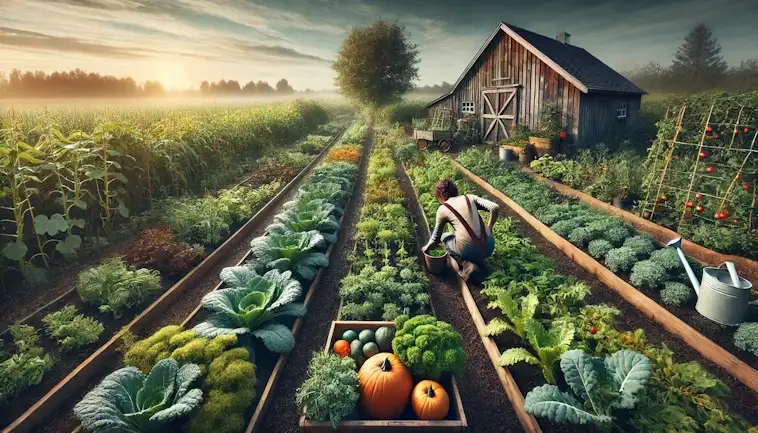
Choosing the Right Location
When planning the best spot for an organic garden in your backyard, it’s important to consider a few key factors that will help ensure your garden thrives. Here’s a friendly guide on what to look for and some tips on setting up your garden:
Sunlight Exposure
- Assess the Sun: Vegetables and most flowers need about 6 to 8 hours of direct sunlight daily. Watch how sunlight moves across your backyard throughout the day. Identify spots that get consistent sunlight and are free from shadows cast by buildings or trees.
- Best Practice: Morning sunlight is particularly valuable because it dries the dew on plants, helping to prevent diseases.
Drainage
- Check Water Drainage: Good drainage is crucial to prevent over-saturated roots which can lead to plant diseases. After a heavy rain, observe where water tends to collect or drain quickly.
- Improvement Tips: If drainage is an issue, consider elevating your garden beds or incorporating organic materials like compost or peat moss to improve soil structure and water flow.
Wind Factors
- Wind Protection: Notice if any areas are particularly windy, as strong winds can damage plants and dry out the soil faster.
- Shelter Solutions: Use natural windbreaks like fences, shrubs, or trees that can shield your plants from harsh winds.
Soil Health
- Soil Testing: Test the soil for pH level and key nutrients to get a baseline of soil health. Kits are available at garden centres or you can sometimes get tests through your local cooperative extension office.
- Enrich the Soil: Based on the test results, amend your soil with compost, aged manure, or other organic materials to improve fertility and texture.
Garden Setup Tips
- Raised Beds: They are great for controlling soil quality and improving drainage. They also reduce strain on your back when bending down to tend plants.
- In-Ground Plots: These are more traditional and can be easier to start, but you’ll need to work more with the natural soil conditions of your yard.
- Container Gardening: A versatile option if space is limited or soil conditions are poor. Almost any plant can grow in a container if it has enough space and proper soil.
By taking the time to assess these aspects of your backyard, you’ll find the best spot for your organic garden. Whether you choose raised beds, in-ground plots, or containers, make sure to provide your plants with the best environment possible for growth.
The Foundation of Organic Gardening
Preparing your garden soil without synthetic chemicals is a rewarding practice that nurtures healthier plants and a more sustainable environment.
Enriching Soil with Organic Matter
- Use Compost: Compost is decomposed organic material like kitchen scraps and yard waste. It’s a fantastic way to add nutrients back into the soil. Mix it into your garden beds to improve soil structure and fertility.
- Add Manure: Well-aged manure from cows, horses, or chickens is rich in nutrients. Ensure it’s fully composted to avoid introducing pathogens to your garden.
- Incorporate Green Waste: Things like grass clippings and leaves can be turned directly into the soil. They break down and add organic matter and nutrients.
Understanding and Adjusting Soil pH
- Why pH Matters: Soil pH affects how well plants can absorb nutrients. Most plants thrive in soil with a pH between 6.0 and 7.0.
Natural pH Adjusters
- To Raise pH (make the soil more alkaline): Add garden lime.
- To Lower pH (make the soil more acidic): Use sulphur or organic mulches like pine needles.
Techniques for Soil Aeration
- Why Aerate: Aeration helps improve water and nutrient absorption and encourages roots to grow deeply.
- How to Aerate: You can aerate your garden soil by gently turning it with a garden fork. Be careful not to disturb the soil too much to avoid harming beneficial organisms and root structures.
Benefits of Companion Planting
- Improves Soil Health: Certain plant combinations can enhance nutrient uptake, improve soil structure, and prevent soil-borne diseases.
- Examples: Planting nitrogen-fixing plants like peas or beans near nutrient-hungry plants like corn can naturally replenish nitrogen in the soil.
Using these natural methods to prepare and maintain your garden soil can lead to a thriving garden full of healthy plants. By enriching the soil organically, adjusting pH naturally, aerating the soil, and practising companion planting, you’re on your way to creating a sustainable and productive garden.
Plants for Your Organic Garden
Choosing the right plants for your climate zone and soil type is key to a successful garden.
Selecting Plants for Your Climate and Soil
- Know Your Zone: Check to find out which plants will thrive in your climate.
- Understand Your Soil: Test your soil to learn its type—clay, loam, or sandy—and its pH. Choose plants that match these conditions for better growth.
Heirloom vs. Hybrid Varieties
- Heirloom Plants: These are old varieties passed down over generations. They are known for their flavour and variety. Heirlooms can be more adaptable to local conditions and often have a greater genetic diversity, which might help them resist pests and diseases naturally.
- Hybrid Plants: Hybrids are bred for specific traits like disease resistance, yield, and uniformity. They can be more reliable in terms of production but usually do not adapt to local environments as heirlooms might.
Starting Seeds Indoors
- Why Start Indoors?: Starting seeds indoors allows you to control growing conditions and extend the growing season.
- How to Start: Use seed-starting mix in trays or pots with drainage holes. Keep the soil moist and provide plenty of light once seeds sprout.
Transplanting Young Plants Outdoors
- Timing is Everything: Transplant after the last frost date for your area to avoid cold damage.
- Acclimatise Your Plants: Gradually introduce your plants to outdoor conditions over a week. This process is called “hardening off.”
By choosing plants suited to your climate and soil, deciding between heirloom and hybrid varieties, starting seeds indoors, and transplanting them at the right time, you’re setting your garden up for a fruitful season.
Maximising Growth and Yield
Effective planting strategies can make a big difference in how well your garden grows.
Spacing Guidelines and Planting Depth
- Right Spacing: Check the seed packet or plant tag for spacing instructions. Proper spacing helps plants get enough sunlight and nutrients. It also prevents overcrowding.
- Correct Depth: Plant seeds at the depth recommended on the packet. A good rule of thumb is to plant seeds three times as deep as their diameter.
Maximising Sunlight and Air Circulation
- Sunlight for All: Arrange your garden so that all plants get the sunlight they need. Taller plants should be at the back of your garden or the north side to avoid shading smaller plants.
- Good Air Flow: Leave enough space between plants and rows. This helps reduce the risk of diseases and allows plants to dry quicker after watering.
Succession Planting
- Continuous Harvest: Plant new seeds every few weeks instead of all at once. This way, as one crop finishes, another starts. It keeps your garden producing all season long.
- Plan Ahead: Choose fast-growing crops like lettuce or radishes for quick yields and keep your garden active.
Intercropping
- Grow Together: Plant compatible crops close together. For example, tall sun-loving tomatoes can shade cooler-weather lettuce underneath.
- Maximise Space: Use the area efficiently by mixing fast-growing crops with slower ones. The fast growers will be harvested by the time the slow growers need more room.
Using these strategies, you’ll be able to get the most out of your garden space, ensuring healthy plants and a steady flow of produce throughout the growing seasons.
Natural Predators and Barriers
Keeping your garden safe from pests and diseases the organic way is both effective and environmentally friendly.
Using Barriers
- Netting and Row Covers: These physical barriers can keep bugs and small animals away from your plants. They’re especially useful for protecting young seedlings.
- Floating Row Covers: These are lightweight and let light and water in while keeping pests out. You can use them to cover carrots, lettuce, and strawberries.
Natural Pest Control
- Ladybugs: These cheerful beetles love to eat aphids and other harmful pests. You can buy ladybugs at garden centres and release them into your garden.
- Neem Oil: This natural oil comes from the neem tree and works as a great organic pesticide. It’s safe for beneficial insects when used correctly.
Maintaining Biodiversity
- Plant Variety: Growing a variety of plants attracts and supports beneficial insects and birds that eat pests.
- Healthy Soil: Rich, diverse soil supports healthy plants that are better able to resist pests and diseases.
- Companion Planting: Some plants naturally repel pests. For example, marigolds can deter beetles and nematodes.
By using these organic methods, you can protect your garden from pests and diseases without relying on harsh chemicals. Embrace barriers, natural predators, and a diverse ecosystem to keep your garden healthy and thriving.
Conservation Techniques for the Organic Garden
Using water sustainably in your garden is not only great for the environment but also for your plants.
Drip Irrigation
- Efficient Watering: Drip irrigation delivers water slowly and directly to the base of each plant. This means less water wasted and more water absorbed by the soil where it’s needed most.
- Easy Setup: You can install a drip irrigation system with a timer to automate watering. This is especially handy during hot weather or if you’re away.
Rainwater Harvesting
- Collect Rain: Use barrels or a rainwater harvesting system to collect water from your roof. This water is great for your plants and reduces your water bill.
- Use It Wisely: Connect your rainwater collection system to your irrigation or use a watering can to distribute the water around your garden.
Determining Water Needs
- Check the Soil: Stick your finger about an inch into the soil. If it feels dry, it’s time to water. Different plants need different amounts of water, so it’s good to check each type.
- Read Up: Plant tags or gardening books can tell you the specific water needs of each plant.
Best Times to Water
- Early Morning: Watering in the early morning is best. The cooler air helps reduce evaporation, and the plants have time to dry off during the day, which helps prevent fungal diseases.
- Avoid Evening Watering: If you water in the evening, plants stay damp overnight, which can promote disease.
By using these sustainable water practices, you’ll ensure that your garden is healthy while also conserving water. Drip irrigation and rainwater harvesting are efficient and knowing when and how much to water your plants will help them thrive.
Feeding Your Plants Naturally
Organic fertilisers are a fantastic way to nourish your garden while being kind to the environment.
Fish Emulsion
- What It Is: A liquid fertiliser made from processed fish. It’s rich in nitrogen, which is great for leafy plant growth.
- How to Use: Dilute it with water (follow the label directions) and apply it to your plants every 2-4 weeks during the growing season.
Bone Meal
- What It Is: A powder made from ground animal bones, high in phosphorus and calcium. This is perfect for promoting strong root development and blooming in plants.
- How to Use: Sprinkle it around the base of plants, particularly when planting new bulbs and perennials. It’s slow-releasing, so a couple of applications per season should suffice.
Compost Tea
- What It Is: A nutrient-rich liquid made by steeping compost in water. It’s full of beneficial microbes that help plants absorb nutrients.
- How to Use: You can apply compost tea to the soil or use it as a foliar spray to help with nutrient uptake and disease prevention. Apply every 2-3 weeks during the growing season.
Matching Fertiliser Types with Plant Needs
- Assess Plant Needs: Different plants have different nutrient needs at various stages of their growth. Leafy greens love nitrogen, while flowering plants may prefer phosphorus.
- Application Schedule: Timing is crucial. Apply fertilisers when plants are actively growing and can use the nutrients. For instance, apply nitrogen-rich fish emulsion to vegetables early in the season for growth, and switch to phosphorus-rich bone meal when it’s time for them to flower.
By choosing the right type of organic fertiliser and applying it at the right time, you can boost your garden’s productivity without the downsides of chemical fertilisers. This not only helps your plants but also supports a healthier ecosystem in your backyard.
Reaping the Rewards of Your Organic Garden
Harvesting your vegetables at just the right time means you’ll get the best flavour and nutritional bang for your buck.
Harvesting Vegetables at Their Peak
- Know When to Pick: Each vegetable has its own sign of readiness. For example, tomatoes are best picked when they’re a vibrant, even colour and slightly soft to the touch.
- Morning Harvest: Try to pick your vegetables early in the morning. This is when they are most hydrated and plump.
Storing Produce to Extend Freshness
- Curing: Some vegetables, like potatoes, onions, and garlic, benefit from curing. Leave them in a dry, well-ventilated place for a few weeks to toughen their skins.
- Freezing: Blanch veggies by briefly boiling them and then plunging into ice water. Dry them off and freeze them in airtight containers or bags. This is great for peas, beans, and broccoli.
- Canning: Preserve fruits and some vegetables by canning. This involves packing them into jars and heating them to kill any bacteria and sealing the jars tightly.
Additional Tips
- Cool and Dark Storage: Keep root vegetables like carrots and beets in a cool, dark place, perhaps in boxes of damp sand.
- Refrigeration: Most other vegetables like lettuce and cucumbers should be stored in the refrigerator. Wrap them loosely in a paper towel and place them in a bag to keep them crisp.
By harvesting your vegetables when they’re just right and using these storage methods, you’ll maximise the taste and nutrition of your garden bounty. Plus, you’ll be able to enjoy your hard work for months to come!
Conclusion
Ready to dive into organic gardening? You’ve got all the tools you need to make your backyard a thriving oasis of health and sustainability. From choosing the right spot and preparing your soil to selecting the best plants and watering them wisely, you’re all set. Remember, using organic methods to nurture your garden not only helps your plants flourish but also supports a healthier environment. So, put on your gardening gloves, grab your tools, and transform your backyard into a vibrant garden full of life and growth. Happy gardening!