

The Ripple Effects of Reusing: How Conservation Impacts Our Communities
Reusing materials isn’t just good for the environment; it’s great for our communities too. Every bottle, bag, or item of clothing that gets a second life helps reduce waste and can even create jobs. This positive impact goes beyond just keeping things out of landfills. It can lead to stronger local economies and more connected neighbourhoods. As more people choose to reuse, they contribute to a cycle of conservation that benefits everyone. Let’s talk about how this simple act can bring about significant changes in our surroundings.
The Ripple Effects of Reusing: How Conservation Impacts Our Communities
What You’ll Discover
The Power of Reuse
Reducing Waste and Landfill Contributions
Conservation of Resources and Energy
Economic Benefits: Saving and Creating Value
Empowering Communities through Upcycling Initiatives
Environmental Impact: Mitigating Pollution and Climate Change
Social Cohesion and Community Engagement
Integrating Reuse into Daily Life
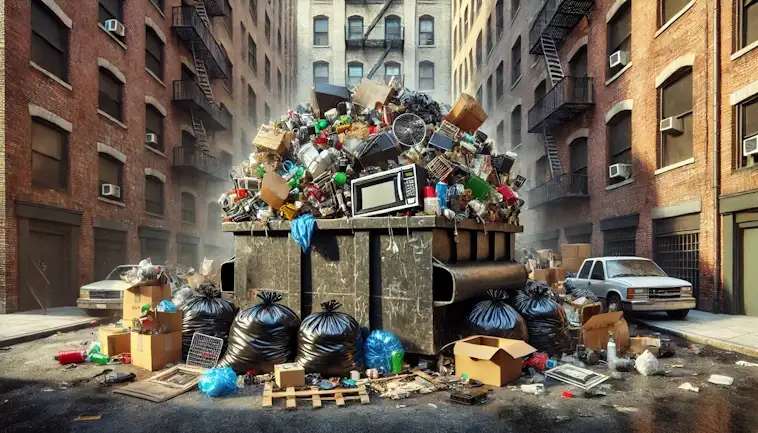
The Power of Reuse
Reuse is all about giving items a second life or even a third and fourth. It’s a simple yet powerful way to minimise waste and reduce the demand for new resources. When we talk about sustainability, we’re often looking at how we can maintain our quality of life without compromising the planet’s health. Reuse plays a crucial role in this because it helps us do more with less.
Think about it this way: every time you reuse something—whether it’s a shopping bag, a water bottle, or even clothes—you’re cutting down on the resources (like water, energy, and raw materials) typically used to make new items. Plus, you’re also reducing the amount of waste that could end up in landfills or, worse, in our oceans and other natural habitats.
This act of reusing can lead to significant environmental benefits. For one, it conserves resources, which can also help reduce pollution and greenhouse gas emissions during production processes. On top of that, it can help lessen the burden on our waste management systems.
But the impact of reuse isn’t just environmental—it’s also social. By choosing to reuse, you can save money, which is a big plus for anyone. Moreover, the habit of reusing items can foster a sense of community. For example, donating your used clothes or household items can help those in need. Community initiatives, like tool libraries or swap meets, not only promote reuse but also strengthen community ties.
Simple actions like reusing everyday items don’t just help save the planet; they also create a ripple effect that benefits our communities and economies. It shows how intertwined our individual choices are with the larger goals of environmental conservation and sustainability. So next time you think about throwing something away, consider if it has the potential for reuse. You might be surprised by how such a small shift in behaviour can lead to significant changes.
Reducing Waste and Landfill Contributions
Every year, millions of tons of waste are dumped into landfills around the world. For instance, in the United States alone, over 250 million tons of trash were generated in recent years, and a significant chunk of that ended up in landfills. However, by reusing items, we can dramatically decrease this number.
The idea behind reuse is to extend the life of items, thereby reducing the need to create new products and, consequently, reducing waste. When items like clothing, electronics, and even furniture are reused, they don’t just disappear into landfills—they get a new lease on life, which can massively cut down on waste.
Take the example of San Francisco, a city that has been a pioneer in waste reduction initiatives. San Francisco has implemented comprehensive recycling and composting programs but has also focused heavily on reuse. By promoting and facilitating the reuse of items, the city has achieved an impressive diversion rate of 80% of its waste away from landfills. This is a big deal because it not only conserves resources but also reduces pollution and greenhouse gas emissions associated with waste disposal.
Another inspiring case is the Freecycle Network, a global online platform where people give away items for free to others in their community. This initiative helps keep usable items out of landfills and fosters a sense of community. It’s a brilliant example of how technology can help facilitate reuse on a large scale.
By diverting waste from landfills through reuse, we see not just environmental benefits but economic ones as well. Less waste means lower disposal costs and prolonged landfill lifespans, which is a win for everyone involved.
So, it’s clear: reusing items can have a significant impact on reducing landfill waste. Simple actions like donating old clothes, sharing tools, or even upcycling furniture can contribute to a substantial decrease in waste generation. These efforts, while seemingly small, can collectively lead to major changes and inspire wider adoption of sustainability practices.
Conservation of Resources and Energy
When we reuse items, we essentially bypass the need to produce new ones. This is important because manufacturing anything—from a wooden chair to a metal can—requires raw materials and energy. By reusing, we can significantly cut down on both.
For instance, producing new paper from trees is resource-intensive. It requires timber, water, and energy. The numbers are quite striking: making a ton of paper from recycled materials saves up to 17 trees and uses 50% less water. That’s a massive saving, especially considering the ongoing global issues of deforestation and water scarcity.
Similarly, consider the process of mining metals like aluminium or iron. Mining not only depletes the earth’s mineral resources but also consumes a lot of energy. However, using recycled metals can save a considerable amount of energy. For example, recycling aluminium saves about 90% of the energy needed to produce it from raw materials. These savings are huge when you think about reducing the carbon footprint of production processes.
The impact of reusing items extends beyond just saving raw materials. It also conserves energy in the production phase. Energy is one of the largest costs in manufacturing, and reducing this demand helps lower greenhouse gas emissions and other pollutants.
Let’s take a real-world example: Patagonia, the outdoor clothing company, has long emphasised repairing and reusing garments. They encourage buyers to send in their worn gear for repair instead of purchasing new. This initiative not only saves the raw materials and energy that would have been used to produce new garments but also sets a standard in the industry for environmental responsibility.
Reusing items doesn’t just save on the cost of materials like timber, water, and minerals—it also slashes energy consumption in production. These efforts help in managing resource depletion and in promoting a more sustainable and environmentally friendly approach to our consumption habits. Every item reused is a step towards a more sustainable planet.
Economic Benefits: Saving and Creating Value
Starting with consumers, the savings from reusing items can be substantial. Think about it: opting for second-hand goods or engaging in DIY projects not only reduces spending but also extends the life of items you already own. Whether it’s furniture, clothing, or electronics, buying used items or repairing what you have can drastically cut costs compared to purchasing new ones. For instance, refurnishing a second-hand table or sewing up a torn jacket costs much less than buying new, and often the results are just as good—if not uniquely better!
Now, let’s talk about businesses. For them, reusing isn’t just eco-friendly—it’s economically smart. Adopting principles of the circular economy, where the goal is to keep resources in use for as long as possible, can lead to significant cost savings. For example, by designing products that are easier to repair, reuse, or recycle, companies can reduce their material costs and waste disposal fees.
Businesses that embrace these practices often find they can attract a growing base of environmentally conscious consumers. This can boost brand loyalty and open up new markets. A good example is the tech industry, where companies refurbish electronics and sell them at a lower price. Not only does this approach reduce e-waste, but it also taps into the market of consumers who might not be able to afford or choose not to spend on new, high-cost devices.
Moreover, companies can gain financial incentives through government subsidies and tax breaks for engaging in sustainable practices, which include reusing and recycling efforts. This not only improves their bottom line but also elevates their reputation in the public eye.
Reusing items offers clear economic benefits: consumers save money and reduce waste, while businesses can cut costs and tap into new customer bases. The financial gains are as significant as the environmental ones, making reuse a smart choice all around.
Empowering Communities through Upcycling Initiatives
Across the globe, innovative community projects are showing just how much can be done with items that would otherwise be considered waste. These initiatives not only reduce waste but also bring people together, fostering a strong sense of community spirit and collective creativity.
Take, for instance, a community workshop in Portland, Oregon. Here, locals gather to learn how to turn old bicycle parts into everything from wall art to furniture. These workshops not only teach valuable skills but also help people see the potential in items they might have thrown away. The result is a win-win: reduced waste and new, useful products created with minimal expense.
Another inspiring story comes from a small town in Sweden, where a group of residents started a project to upcycle old textiles. They transform discarded fabrics into beautiful, handcrafted bags, clothes, and accessories. This initiative not only keeps textiles out of landfills but also revives traditional sewing and crafting skills. The project has become a community hub, where people of all ages come together to learn, create, and socialise.
Community gardens also serve as excellent examples of reusing materials creatively. Urban areas worldwide are turning empty lots into vibrant green spaces using reclaimed materials for planters and garden tools. These gardens do more than just beautify the neighbourhood; they provide fresh produce, promote biodiversity, and serve as peaceful gathering places for community members.
Such projects demonstrate that with a little creativity and collaboration, communities can transform waste into resources, bringing both environmental and social benefits. By upcycling, communities not only reduce their ecological footprint but also strengthen the bonds among their members, creating a more connected and sustainable society. This kind of community-led innovation shows how collective action can make a big difference, turning the challenge of waste reduction into an opportunity for growth and creativity.
Environmental Impact: Mitigating Pollution and Climate Change
When we choose to reuse items, we’re doing more than just saving money; we’re actively participating in the reduction of pollution and greenhouse gases. Here’s how it works: manufacturing new products typically involves extracting and processing raw materials, which is a major source of industrial pollution and carbon emissions. By reusing items, we reduce the demand for new products and, consequently, lower the emissions linked to their production.
For example, reusing an item like a glass bottle means we avoid the energy-intensive process of making a new bottle from raw materials. The energy saved translates into fewer emissions of carbon dioxide, a key greenhouse gas. This is a straightforward yet powerful way to contribute to climate change mitigation.
On a broader scale, if communities and even whole countries embrace reuse, the cumulative effect can be massive. Reducing the overall production of new goods decreases the strain on our natural resources, like forests and water bodies, helping to preserve them and the ecosystems they support. This preservation is crucial for maintaining the planet’s carbon balance and biodiversity, both of which are key to combating climate change.
Moreover, reuse promotes a circular economy, where products and materials are kept in use as long as possible. This model not only cuts down on waste but also lessens the need for raw material extraction, which can significantly reduce environmental degradation.
By adopting small-scale reuse habits, individuals contribute to these global goals. Every reused item counts, reducing the carbon footprint and helping slow down global warming. Actions like using refillable containers, opting for second-hand goods, and repairing rather than discarding items, all add up to substantial environmental benefits.
Reuse not only lessens the immediate environmental impact by reducing waste and saving resources but also plays a crucial role in larger efforts to mitigate climate change. These everyday actions are integral to achieving global environmental goals, demonstrating that individual choices can indeed make a world of difference.
Social Cohesion and Community Engagement
Community-driven initiatives like clean-ups and swap events are wonderful examples of how simple actions can bring people together. These events don’t just help clean up neighbourhoods or swap items among residents; they also create spaces for people to meet, connect, and work towards a common goal—keeping their environment clean and sustainable.
For instance, imagine a local park clean-up day. Here, community members of all ages gather to pick up litter, maybe plant some trees, and beautify their shared spaces. Such activities not only improve the physical environment but also give everyone a sense of accomplishment and pride in their community. Plus, these events are perfect opportunities for neighbours to meet each other, often leading to new friendships and stronger community bonds.
Swap events are another great way to bring people together while promoting reuse. At these events, community members can bring items they no longer need and exchange them for something else. This not only reduces waste but also helps people save money. More importantly, swap events can be fun, social occasions where people share stories about the items they’re exchanging, offering a personal touch that can enrich community life.
Engagement and education are key to these initiatives. By involving people in environmental education activities and showing them the tangible benefits of their participation, communities can build a deeper understanding of sustainability issues. This knowledge empowers residents, making them more likely to take initiative and lead further actions.
Moreover, these collective efforts enhance community resilience. When people come together to solve problems, they are better prepared to handle other challenges, whether environmental, social, or economic. Strong, connected communities are more adaptable and can better withstand adverse situations.
Reuse and conservation efforts do much more than just help the environment. They are catalysts for building stronger, more cohesive communities. Through these activities, people not only engage in meaningful work but also lay the foundations for lasting relationships and a resilient community spirit.
Integrating Reuse into Daily Life
Integrating reuse practices into your daily life is a fantastic way to support sustainability and conservation. Let’s break down some practical ways you can get started and maintain this eco-friendly lifestyle.
First, start simple. Look around your home for items you often throw away and think about how they might be reused. Glass jars, for example, can be cleaned and used for storing leftovers or organising small items like screws or buttons. Before you throw something out, ask yourself, “Can this be used for something else?”
Next, make it a habit to buy second-hand. Thrift stores, online marketplaces, and garage sales are treasure troves of items looking for a second life. Not only will you save money, but you’ll also avoid the environmental impact of producing new goods. From clothes to furniture, second-hand items can add character and style to your life without the environmental cost.
Another tip is to repair instead of replacing. Whether it’s mending a shirt or fixing a leaky faucet, learning basic repair skills can extend the life of many products. There are plenty of online tutorials and local workshops that can teach you how to fix things. This not only saves you money but also reduces waste.
Consider hosting or attending a swap event in your community. These events are great for exchanging items you no longer need for things you will use. It’s a fun way to declutter, save money, and interact with your neighbours.
Lastly, share your journey and encourage others. Talk about your reuse projects on social media, blog about your experiences, or simply share tips with friends and family. Spreading the word increases awareness and inspires others to join in.
Maintaining a lifestyle focused on reuse isn’t just about being eco-friendly—it also enriches your life, saves you money, and can be a lot of fun. With each small step, you’re contributing to a larger movement towards sustainability and conservation. So why not start today and see the positive impact you can make?
Conclusion
The act of reusing items carries powerful ripple effects that extend far beyond individual benefits. When we embrace conservation, we not only preserve natural resources and reduce waste but also strengthen the fabric of our communities. Each act of reuse, whether it’s fixing an old piece of furniture or passing clothes on to someone who can use them, helps build a more sustainable world.
Through these actions, we foster a deeper connection with those around us, creating networks of support and cooperation that make our neighbourhoods more resilient and vibrant. These community bonds are crucial as we face environmental challenges together. By committing to reuse, we’re not just saving items from landfills—we’re also saving energy, reducing pollution, and setting a positive example for future generations.
Let’s keep this momentum going by making reuse a part of our daily routines and encouraging those around us to do the same. Together, we can make a lasting impact that not only benefits the planet but also enhances our lives and communities. Every small effort counts, and together, these efforts add up to significant change. Let’s continue to drive forward with this spirit of conservation and collaboration.