

The Relentless Tide: Understanding Coastal Erosion
Ever walked along the beach and noticed how the coastline seems to be changing? That’s coastal erosion in action! It’s a natural process, but one that’s becoming more and more concerning. The relentless tide is constantly reshaping our shores and understanding why is crucial. Time to take a look at what coastal erosion is, what forces drive it, and why it matters. We’ll look at waves, currents, wind, and even the geology of the coast. Plus, we’ll discuss how human activities play a role and what we can do about it. Let’s learn about this dynamic process that shapes the world around us.
The Relentless Tide: Understanding Coastal Erosion
What You’ll Discover
What is Coastal Erosion?
The Dynamic Dance of Waves and Shorelines
Currents and Tides: The Supporting Cast
Wind’s Influence: Blowing Ashore and Away
The Geology of the Coast: A Foundation Under Threat
Human Impact: Accelerating the Inevitable
The Consequences of Erosion: Loss and Change
Living with the Tide: Coastal Management Strategies
What is Coastal Erosion?
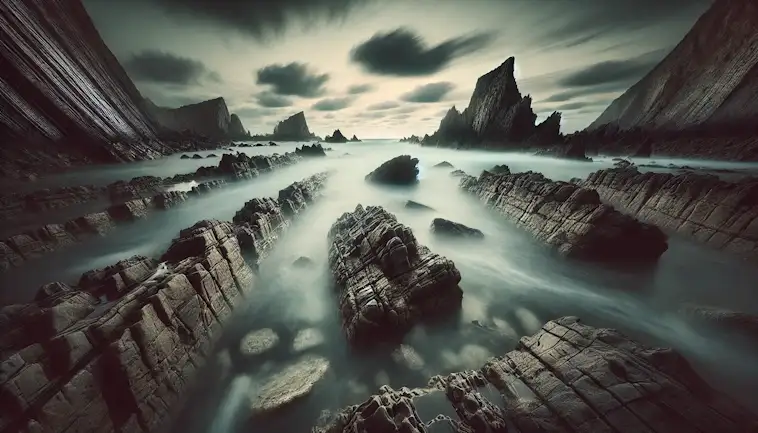
Coastal erosion is a natural process where the land along the coastline gradually wears away. This happens because of the constant action of waves, currents, tides, and wind. Picture the ocean waves hitting the shore, slowly taking bits of sand, rock, and soil back into the sea every time they pull away. Over time, this can change the shape of the coastline, making beaches narrower and cliffs shorter.
Now, while coastal erosion is completely natural, human activities can speed it up. For example, when we build structures like sea walls or harbours, we can alter the natural movement of the water. This might protect one area, but it can cause more erosion in another. Also, when we remove sand or vegetation from beaches, we take away the natural barriers that help protect the coastline.
It’s important to understand that coastal erosion has both positive and negative effects. On the positive side, erosion can create new landforms, like sand dunes and cliffs, which are not only beautiful but also important habitats for wildlife. However, the negative side can be quite serious. It can lead to the loss of valuable land, damage to properties, and even make some areas unsafe for people to live or visit.
Addressing coastal erosion often involves a balance. We try to protect important areas while also allowing nature to take its course where possible. This might include building structures that absorb the energy of the waves or using natural materials to help reinforce the shoreline. By managing our activities and interventions carefully, we can help preserve our beautiful and dynamic coastlines for future generations.
The Dynamic Dance of Waves and Shorelines
Waves are primarily created by wind blowing across the surface of the sea. The size and energy of a wave depend on the wind speed, the distance over which the wind blows (known as the fetch), and how long the wind blows in the same direction. When these waves travel towards the coast, they carry a lot of energy, which has a big impact on the coastline.
As waves crash into the shore, they interact with the coastline in several ways, leading to different types of wave erosion:
- Hydraulic action This happens when waves hit the cliffs and push air into cracks in the rock. The pressure exerted by the trapped air can cause the rock to break apart.
- Abrasion This occurs as waves throw sand, pebbles, and larger rocks against the shoreline, effectively sandpapering it.
- Attrition Waves cause rocks and pebbles to collide and gradually break down into smaller, smoother pieces.
- Solution Some types of rock dissolve when they come into contact with seawater, a chemical reaction that also contributes to erosion.
The energy from waves doesn’t just erode the coast; it also helps shape it. When waves hit the shore, their energy is dissipated, smoothing out the coastline. However, the way this energy spreads out can vary. In some areas, waves hit directly and erode the land quickly. In other places, the energy is spread more evenly, leading to slower erosion.
Longshore drift is another crucial concept in understanding coastal changes. This process occurs when the waves approach the beach at an angle and sweep sand and sediment along the coastline instead of straight back out to sea. It acts like a conveyor belt, moving sediment down the coast. This sediment transport plays a vital role in shaping the shoreline and forming various coastal features like spits and bars.
Overall, wave action is a powerful force that continuously moulds and transforms the coastline, guided by both the relentless energy of the sea and the patterns of the land it meets.
Currents and Tides: The Supporting Cast
While waves often steal the spotlight in shaping our coastlines, currents and tides also play crucial roles in this dynamic environment.
Longshore currents are powerful movers. They flow parallel to the beach, created by waves hitting the shore at an angle. As these currents sweep along the coast, they carry sand and other sediments with them. This process not only contributes to erosion as sediments are dragged away from one part of the beach but also to deposition, where these materials are eventually dropped off, building up new areas. This constant movement of sediment can dramatically change the landscape over time, creating features like sandbars and larger formations such as spits extending into the water.
Tidal currents, particularly in estuaries and inlets, also have a significant impact. These currents are driven by the rising and falling of the tide, and they can be quite strong. In estuaries, where rivers meet the sea, tidal currents can scour deep channels through the sediment, allowing ships to navigate but also reshaping the underwater landscape. In inlets, these currents can lead to the formation or erosion of key features, altering the way water flows and interacts with the land.
Rip currents are another aspect of coastal currents that deserve attention, not just for their role in shaping the coastline but for their potential danger to swimmers. These are strong currents that flow directly away from the shore, cutting through the lines of breaking waves. Swimmers caught in rip currents can be pulled out to sea quickly and unexpectedly, which is why they’re considered hazardous.
These forces collectively work to sculpt the shore, each playing a unique role in the creation and transformation of our coastal environments.
Wind’s Influence: Blowing Ashore and Away
Wind plays a significant role in coastal erosion, particularly through a process known as aeolian erosion. This occurs when the wind picks up and carries away particles like sand grains from the dunes and other loose surfaces along the coast. Over time, this action can reshape entire landscapes, moving large amounts of sand away from one area to another, often creating new dunes or altering existing ones.
The power of wind becomes especially evident during storms. Strong winds associated with storms like hurricanes or nor’easters can whip up much larger and more powerful waves than usual. These big waves crash against the coast with increased force, leading to accelerated erosion. They can strip away beaches, undercut dunes, and even cause damage to human-made structures like seawalls and piers.
But it’s not all about destruction. Vegetation plays a crucial role in protecting coastal areas from the ravaging effects of wind. Plants, especially those adapted to life on sand dunes, help to stabilise these structures. Their roots bind the sand together, making it harder for the wind to carry it away. Vegetation also acts as a natural barrier, reducing the wind’s speed and, consequently, its ability to erode the surface.
Grasses, shrubs, and trees can create a protective mat over the dune surface. This not only prevents the sand beneath from being blown away but also helps to trap additional sand, allowing dunes to grow and strengthen over time. This natural defence is why planting vegetation has become a popular method for managing coastal erosion.
While wind can be a powerful agent of erosion, capable of reshaping coastlines through both direct action on sand and by generating larger waves during storms, vegetation serves as a crucial protector of these vulnerable areas. By understanding and harnessing these natural interactions, we can better protect and manage our coastal environments.
The Geology of the Coast: A Foundation Under Threat
The type of rock or sediment that makes up a coastline plays a crucial role in determining how vulnerable that coastline is to erosion. Not all rocks are created equal when it comes to withstanding the relentless forces of waves, wind, and water.
Softer rocks like clay and sandstone erode much faster than harder rocks such as granite or basalt. This is because softer rocks are more porous and less dense, allowing water to penetrate and weaken them more easily. As a result, coastlines made up of softer rocks often change shape quickly, leading to significant landscape transformations over relatively short periods.
On the other hand, coastlines formed of harder rocks tend to erode much slower. These rocks can withstand the pounding of the waves better, leading to more stable and gradual changes. For example, the famous cliffs of Dover in the UK are made of chalk, a relatively soft rock that erodes faster than the granite cliffs you might find in parts of Scotland or the basalt columns along the Giant’s Causeway in Northern Ireland.
Geological structures like faults and joints also significantly influence erosion patterns. Faults are breaks in the Earth’s crust where significant movement has occurred, while joints are cracks where the rock has been fractured but not displaced. These features can create weaknesses in the rock, making it easier for erosive forces to do their work. Water can seep into these cracks, freeze, and expand, or simply exert pressure that causes pieces of rock to break off.
Take, for example, the Jurassic Coast in southern England, where different rock types are laid out almost side by side. You can see rapid erosion in the softer sedimentary layers, while the harder limestone and chalk areas erode much more slowly, creating a varied and picturesque coastline that includes features like natural arches and stacks.
Understanding these geological factors helps explain why different coastlines around the world look so different and change at different rates. It also underscores the importance of considering these natural characteristics when planning coastal management and protection strategies.
Human Impact: Accelerating the Inevitable
Coastal erosion is a natural process, but did you know that human activities can speed it up? Yes, the things we do along our coastlines can sometimes make erosion worse, changing our beautiful beaches and cliffs much faster than nature alone would.
One way humans contribute is through the construction of seawalls and other coastal defences. While these structures are built to protect the shore from erosion, they can have unintended consequences. For example, a seawall can actually increase erosion further down the coast because it disrupts the natural flow of sand and water. This can lead to more severe erosion in areas without protection.
Dredging and sand mining are other activities that can accelerate coastal erosion. Dredging, which involves scooping out sand and mud from the seabed to keep waterways clear or to gather construction materials, can disturb the marine environment and lead to erosion by changing natural currents and removing protective sand barriers. Similarly, sand mining, which is the removal of sand for construction or other uses, directly takes away the materials that form beaches and dunes, leaving the coastline more vulnerable to the ocean’s forces.
Climate change is also playing a big role in accelerating coastal erosion. Rising sea levels mean that more water reaches further inland, eroding beaches and cliffs. Additionally, climate change is linked to increased storm intensity, which brings stronger waves and winds that can dramatically speed up the rate of erosion.
Given these challenges, the importance of sustainable coastal management practices becomes clear. We need strategies that not only protect our coastlines but also preserve the natural balance of coastal environments. This could mean using softer, more natural engineering solutions, like planting vegetation to stabilise sand dunes or creating artificial reefs to buffer waves, rather than relying solely on hard structures like seawalls. By considering the long-term health of our coastlines, we can ensure that they continue to be enjoyed by future generations while maintaining their vital ecological roles.
The Consequences of Erosion: Loss and Change
Coastal erosion can have deep impacts, affecting both natural ecosystems and human communities in significant ways. Let’s explore how this natural phenomenon can lead to challenges like loss of land, damage to infrastructure, and even changes in tourism and recreation.
First off, as coastal erosion wears away the shoreline, it can lead to the loss of land and property. This means that homes, businesses, and public spaces that were once safe from the ocean’s reach may find themselves at risk. In places like Louisiana, USA, coastal erosion combined with rising sea levels has swallowed up vast areas of land, threatening local communities and forcing people to relocate.
The damage doesn’t stop at private property. Infrastructure such as roads, bridges, and sewage systems can also be compromised. For instance, in the UK, coastal roads and railways have been damaged or destroyed by severe erosion, leading to costly repairs and disruptions in transportation.
The displacement of communities is another serious consequence. As erosion progresses, some residents are forced to move away from their homes. This not only disrupts lives but also strains resources in new areas where these displaced populations relocate. In small island nations like Tuvalu in the Pacific, entire communities are facing the threat of becoming climate refugees as their land erodes away.
Erosion also hits natural habitats hard. Beaches, dunes, and cliffs all provide vital spaces for wildlife to live and breed. When these are eroded, the biodiversity of the area can suffer. For example, erosion of beaches can destroy nesting grounds for sea turtles, which depend on sandy shores to lay their eggs.
Finally, coastal erosion can negatively impact tourism and recreation, which are often major economic drivers for coastal regions. Beautiful beaches and robust coastal ecosystems attract tourists from around the world. As these areas become damaged or disappear, the tourism sector suffers, leading to lost revenue and jobs. This has been seen in places like Bali, Indonesia, where beach erosion has visibly reduced beach sizes, affecting the appeal for tourists.
Addressing these challenges requires proactive measures and sustainable coastal management to mitigate the impacts of erosion and protect our valuable coastlines.
Living with the Tide: Coastal Management Strategies
Coastal erosion can be managed in several ways, ranging from “hard” engineering solutions to “soft” engineering approaches. Each method has its benefits and challenges, and choosing the right strategy often depends on the specific conditions and needs of the area.
Hard engineering solutions include structures like seawalls, groynes, and breakwaters. Seawalls are built parallel to the coast to protect the land from the force of incoming waves. However, while they protect one area, they can increase erosion further down the coast. Groynes are barriers built at right angles to the shore to trap sand moved by longshore drift, helping to build up the beach. Breakwaters are structures placed offshore to break the power of incoming waves and protect the coast behind them. These solutions are effective at preventing erosion but can be expensive and may have negative impacts on the natural coastal environment.
Soft engineering approaches are more about working with nature. Beach nourishment involves adding sand to beaches to replace what has been lost to erosion. This helps maintain the beach’s recreational value and provides a buffer against waves. Dune restoration includes planting vegetation to stabilise sand dunes, which not only helps protect the coast but also enhances natural habitats. Managed retreat is another approach where, instead of trying to hold back the sea, areas are allowed to flood naturally, reducing damage and costs in the long run.
Effective coastal management also involves planning and zoning regulations. These rules help minimise risks by controlling development in vulnerable areas. This can include setting building restrictions on eroding coasts or requiring that new constructions be set back from the shoreline.
Managing coastal erosion requires a balanced approach. We need to consider both human needs and the natural dynamics of the coast. By combining hard and soft engineering solutions and implementing thoughtful planning regulations, we can protect our coastlines and the communities that depend on them while also preserving the natural beauty and ecological health of these areas.
Conclusion
As we’ve seen, coastal erosion is a complex and ongoing process influenced by natural forces like waves, wind, and tides, as well as human activities. While erosion can reshape landscapes and create stunning natural features, it also poses challenges to ecosystems and communities. From the loss of habitats and property to the displacement of people, the impacts are far-reaching.
Fortunately, there are several strategies we can use to manage and mitigate these effects. Whether it’s through the sturdy barriers of hard engineering or the more natural solutions of soft engineering, each approach offers unique benefits. By incorporating careful planning and zoning regulations, we can further safeguard our coastal areas.
Understanding and addressing coastal erosion is crucial for protecting these dynamic environments. With a balanced approach that respects both human needs and natural processes, we can ensure that our coastlines continue to thrive and support diverse life for generations to come. Let’s cherish and sustain the beaches, cliffs, and dunes that so many of us call home or seek out for their beauty and tranquillity.