

Soil Erosion Is Threatening Our Future Food Security
Soil erosion is a problem that’s putting our future food security at risk. When topsoil is washed or blown away, it takes with it vital nutrients that crops need to grow. This means less food can be produced. Every year, large areas of fertile land are lost, making it harder for farmers to keep up with the world’s food needs. Understanding the causes and impacts of soil erosion helps us find better ways to protect our soil and ensure that we can feed everyone, now and in the future.
Soil Erosion Is Threatening Our Future Food Security
What You’ll Discover
What is Soil Erosion?
Global Hotspots of Soil Erosion
How Soil Erosion Undermines Agriculture
Wider Environmental Impacts
Innovative Agricultural Practices
Shaping Solutions Through Legislation
Community Efforts in Erosion Control
Research and Technology in Erosion Management
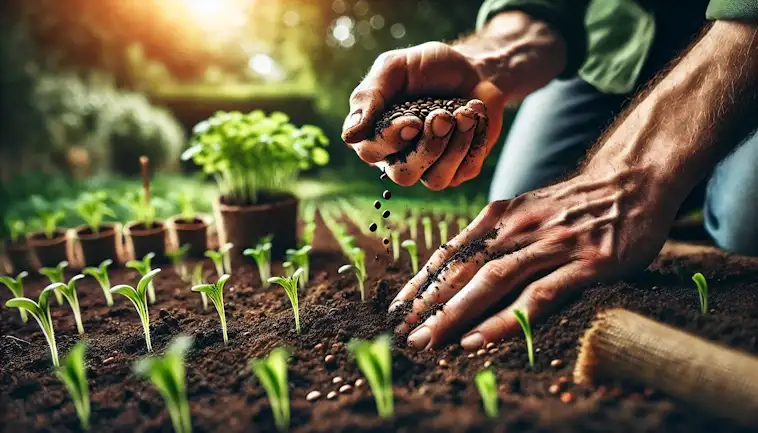
What is Soil Erosion?
Soil erosion is like a quiet thief that gradually steals the ground beneath us. It happens when soil is worn away, usually by water, wind, or farming activities. This isn’t just about losing dirt; it affects everything from agriculture to our natural ecosystems.
Water erosion is the most common form. Picture rain falling on an unprotected field. As the water flows, it picks up soil and carries it away. This can happen slowly during light rains or dramatically during heavy storms.
Wind erosion takes place in dry, bare areas. The wind acts almost like a strong river current but in the air. It lifts and sweeps away fine soil particles. This is especially problematic in places like deserts and farmland that lack windbreaks like trees and shrubs.
Tillage erosion happens due to farming practices. When farmers plough their fields, the process can actually push soil downhill. Over time, this movement strips soil from higher ground, depositing it in lower areas, which changes the landscape and reduces the soil’s quality.
Each type of erosion, in its own way, wears down the foundation of our environment, making it a slow but devastating force against productive and healthy land.
Global Hotspots of Soil Erosion
Soil erosion is a global issue, affecting vast areas of our planet. Let’s zoom in on some of the most severely affected regions and see how this issue plays out.
The Loess Plateau in China is one of the most eroded regions in the world. This area is covered in a fine, fertile soil called loess. Unfortunately, it’s also highly prone to erosion. Over centuries, intense farming without adequate conservation practices led to severe soil loss. This damaged the land, caused frequent dust storms and reduced agricultural productivity. Efforts to restore the area have been underway, but it’s a slow and challenging process.
In the Great Plains of the USA, wind and water erosion are big problems. This region, known as America’s breadbasket, relies heavily on agriculture. Historically, practices like deep ploughing exposed the topsoil to wind and rain, leading to significant soil loss during the 1930s Dust Bowl. Today, although better farming techniques have reduced erosion, it remains a concern. Losing topsoil here reduces the soil’s fertility, threatening crop yields and local economies.
Other notable areas include parts of Sub-Saharan Africa, where both drought and heavy rains contribute to severe soil erosion. This affects food production and leads to poverty and instability in the region.
Each area shows just how deeply environmental and economic issues are linked regarding soil erosion. The land’s degradation leads to lower crop yields, which affects farmers’ livelihoods and can even change entire economies. It’s a stark reminder that protecting our soil is important for both our environment and our economic future.
How Soil Erosion Undermines Agriculture
Soil erosion hits agriculture hard, and here’s how that happens. When topsoil erodes, it takes away the rich, nutrient-packed layer where plants thrive best. This top layer is super important because it has the organic matter, minerals, and microorganisms that plants need to grow.
Without this fertile topsoil, crops don’t do as well. They might grow slower, look less healthy, and produce fewer fruits or grains. This means farmers get lower yields from the same amount of land. It’s like trying to bake a cake with half the ingredients missing—it just doesn’t turn out as good.
As the soil quality goes down, farmers must often use more fertilisers and more water to try and make up for it. This increases costs for farmers and puts extra pressure on our environment. More fertilisers can lead to chemical runoff into nearby streams and rivers, causing pollution. More irrigation strains our water resources too, especially in already dry areas.
So, soil erosion isn’t just about losing soil—it’s about a cycle that can make farming tougher and more harmful to the planet if we don’t manage it carefully.
Wider Environmental Impacts
Soil erosion doesn’t just strip away the land; it also messes up our waterways and habitats. When soil gets washed away, it doesn’t just disappear. It ends up in rivers, lakes, and streams. This is called sedimentation, and it can have big consequences.
For example, sedimentation can clog up waterways, making them shallower and slower. This changes how rivers flow and can even lead to flooding. One real-world example is the Mississippi River in the USA. Here, sediment buildup has changed river paths and contributed to significant flooding during heavy rains.
This extra dirt isn’t just a problem for water flow. It also harms water quality. Murky, sediment-filled water blocks sunlight from reaching aquatic plants. These plants need sunlight to grow and provide oxygen to water habitats—a key for fish and other aquatic life to survive.
The impact on ecosystems can be dramatic. In Brazil’s Amazon region, soil erosion from deforested areas leads to silted rivers. This affects fish populations that local communities rely on for food. The fewer fish there are, the harder life gets for these communities.
Sedimentation from soil erosion also disrupts terrestrial habitats. When topsoil is lost, the ground becomes harder and less fertile, affecting plant life and the animals that depend on those plants for food and shelter. This disrupts local biodiversity and can decrease the area’s natural resilience to environmental changes.
The ripple effects of soil erosion touch everything from the ground we walk on to the water we drink and the air we breathe. It’s a big deal that calls for careful management and sustainable practices.
Innovative Agricultural Practices
Farming smarter, not harder, can help fight soil erosion while also boosting soil health. Here are cool, sustainable techniques farmers are using:
Cover Cropping: This is like giving the soil a protective blanket. Farmers plant certain crops, like rye or clover, that aren’t meant to be harvested. These cover crops cover the ground all year round. They help prevent erosion by shielding the soil from rain and wind. Plus, they keep weeds in check and improve soil health by adding organic matter.
Contour Farming: This technique involves ploughing and planting across the slope of the land, rather than up and down. This simple change in direction can make a big difference. It helps slow down water runoff, giving it time to soak into the soil instead of washing soil away.
Erosion Control Nets: These are nets made from natural or synthetic materials that farmers lay over the soil. They help stabilise the soil, keep the seeds from washing away, and give new plants a chance to take root. Once the plants are established, they can take over holding the soil in place.
All these methods do more than just stop soil from eroding. They also make the soil healthier. Healthier soil holds water better and supports more vibrant plant life. This means less need for fertilisers and irrigation, which saves money and is better for the environment. It’s a win-win for everyone, especially our planet.
Shaping Solutions Through Legislation
When stopping soil erosion, policies and laws play a huge role. Both national and international rules are set up to protect our soil and make sure it’s managed sustainably.
National Policies: Many countries’ laws encourage farmers to adopt practices that protect the soil. For example, in the United States, there’s the Farm Bill. It includes conservation programs that help farmers manage soil erosion. Farmers get financial incentives to use practices like contour farming or to set aside land where they don’t plant crops to give the soil a break.
International Frameworks: On a global scale, agreements like the United Nations Convention to Combat Desertification (UNCCD) bring countries together to tackle soil erosion. This convention helps countries share ideas and strategies to protect soil, especially in places at high risk of becoming deserts.
These laws and agreements are key because they provide support and resources for soil conservation. They make it easier for farmers to choose sustainable practices by offering financial assistance or technical help. Plus, they set standards that guide how land should be used and kept healthy for the future.
Good policy doesn’t just prevent soil erosion; it encourages everyone to take better care of the earth. This leads to healthier farms, more stable food supplies, and a better environment overall. It’s all about making sure that managing land today doesn’t harm our tomorrow.
Community Efforts in Erosion Control
Communities are rolling up their sleeves to tackle soil erosion from the ground up, and it’s inspiring! Local projects and community-led initiatives are showing how powerful grassroots actions can be.
Take community gardens, for example. These gardens green up neighbourhoods and help control soil erosion. How? By planting in areas that might otherwise be bare and vulnerable to erosion. Plus, these gardens become little hubs where people learn about composting, which enriches the soil and makes it less likely to wash away.
Then there are local workshops. In many places, communities organise workshops to teach each other about soil health. They share tips on planting techniques that protect the soil, like mulching or using native plants that are good at holding the soil together.
Some communities even work on larger projects like building terraces on slopes. Terraces stop water from rushing down hillsides, which prevents the soil from eroding. These projects often become community efforts that bring everyone together for a common goal—saving their soil.
These grassroots actions show that when communities get involved, they can make a big difference. They spread knowledge, unite neighbours, and implement practical solutions that help manage soil erosion right where it happens—at home.
Research and Technology in Erosion Management
The future of erosion management looks promising, with exciting research and cool new technologies on the horizon.
Biodegradable Barriers: Scientists are working on creating barriers that can be placed on slopes to stop soil from washing away. These aren’t just any barriers; they’re biodegradable. This means they break down naturally and enrich the soil as they degrade. It’s a double win for the environment!
Drone Technology: Drones are becoming a game-changer for managing soil erosion. They can fly over large areas of land and collect data quickly. This helps farmers and scientists see where erosion is happening and how severe it is. Armed with this information, they can plan exactly where to plant cover crops or build barriers.
Genetic Engineering: There’s also amazing work being done with plants. Researchers are using genetic engineering to create crop varieties that can withstand harsh conditions like drought or heavy rains, which are both big triggers for erosion. These tougher plants survive better and help hold the soil together.
Each advancement brings us closer to smarter, more sustainable ways to protect our soil. As we learn more and invent more, we can look forward to a where soil erosion is much less of a problem. And that’s good news for everyone.
Conclusion
Understanding soil erosion is important for protecting our earth. By recognising how water, wind, and farming contribute to this issue, we can better address it.
Innovative farming techniques, strong policies, and community action all play a role in fighting erosion. We’re learning more every day about how to keep our soil where it belongs and make it healthier. Together, with new technologies and sustainable practices, we can reduce erosion and preserve our land for future generations.
It’s about taking care of our planet today to ensure a fertile, vibrant earth tomorrow. Let’s keep pushing for a greener, more sustainable future.