
How Is Climate Change Impacting Our Oceans?
Climate change is seriously affecting our oceans, and it’s important to understand the impacts. Warmer ocean temperatures can harm marine life and lead to more frequent and intense hurricanes. Rising sea levels threaten coastal areas, putting homes and ecosystems at risk. Additionally, increased CO₂ levels are making our oceans more acidic, which affects coral reefs and the species that rely on them. Let’s look at these changes and what they mean for our planet’s health and our future.
How Is Climate Change Impacting Our Oceans?
What You’ll Discover
The Ocean’s Role in Earth’s Climate System
Rising Temperatures: Oceans Under Thermal Stress
Acidification: The Carbon Dioxide Threat
Climate Change and Melting Polar Ice Caps
Warmer Waters and Reduced Oxygen
Disruption of Marine Food Chains
Socioeconomic Impacts: Fishing and Coastal Economies
Mitigation and Adaptation: Strategies Moving Forward
The Ocean’s Role in Earth’s Climate System
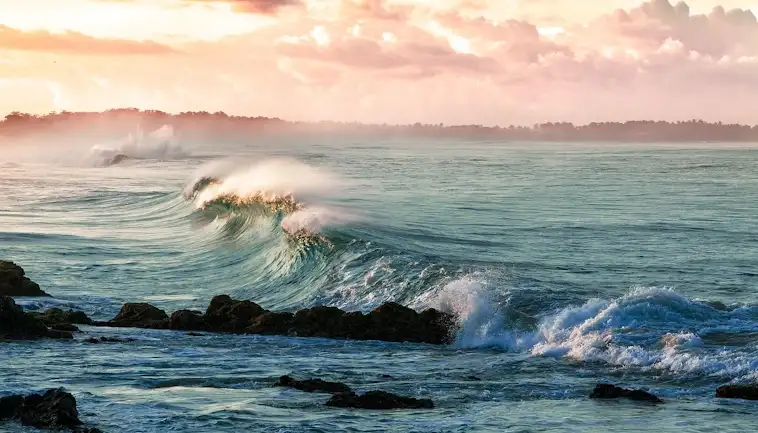
The oceans play a critical role in shaping our climate and weather patterns. Essentially, they act like a giant thermostat and carbon sink for the Earth. This means they absorb a lot of the heat and carbon dioxide (CO₂) from the atmosphere. When sunlight hits the ocean, it doesn’t just warm the surface; the heat gets mixed into deeper layers, travelling far and wide through currents. This helps distribute the heat around the planet, which influences climate and weather patterns.
Now, about carbon dioxide—oceans absorb CO₂ from the atmosphere, which helps to regulate the amount of greenhouse gases and, in turn, influences the Earth’s climate. This absorption process is mainly through phytoplankton, small oceanic plants that consume CO₂ during photosynthesis, just like trees on land.
However, the oceans can only absorb so much. As they take in more heat and CO₂, their temperature rises and their chemistry changes, which can affect marine life and the effectiveness of these natural processes. In other words, while oceans buffer the impacts of climate change, they are also vulnerable to its effects.
This interaction between the oceans and the atmosphere is essential for keeping our planet’s climate stable and making Earth a comfortable place for us to live. But as we continue to see shifts due to global warming, understanding and protecting our oceans is more crucial than ever.
Rising Temperatures: Oceans Under Thermal Stress
As global temperatures climb, the oceans feel the heat too. This rise in sea temperatures causes coral bleaching, a stressful condition for coral reefs. Here’s what happens: corals have algae living in their tissues, which give them colour and nutrients through photosynthesis. When the water gets too warm, corals get stressed and expel the algae, turning white or “bleached.” While bleached coral isn’t dead, it’s certainly in danger. Without the algae, the coral loses a major source of food and is more susceptible to disease and death.
Disruption of Marine Biodiversity
Warmer oceans don’t just affect corals; they disrupt the entire marine ecosystem. Many marine species are highly sensitive to temperature changes. These species rely on specific conditions to thrive, reproduce, and, simply, survive. As temperatures rise, the delicate balance of marine life gets disrupted. Some species might adapt by moving to cooler areas, while others could face increased competition for food, or worse, extinction. This loss of biodiversity harms the whole oceanic food chain, affecting species large and small.
Changes in Migratory Patterns
The warming of our oceans also messes with the migratory patterns of sea life. Species like fish, whales, and even seabirds that depend on the ocean follow intricate paths triggered by environmental cues like temperature and the availability of prey. As sea temperatures change, so do these patterns. Fish that used to migrate to certain areas at specific times of the year might arrive earlier, later, or not at all. This not only affects the species themselves but also the ecosystems and human economies that rely on them, such as fishing industries and tourism.
The impact of rising global temperatures on our oceans is profound and far-reaching. Coral reefs are bleaching, biodiversity is getting disrupted, and migratory patterns of sea life are changing. These changes remind us of the interconnectedness of our global ecosystem and the urgent need to address climate change to protect our oceans.
Acidification: The Carbon Dioxide Threat
Oceans act like a giant sponge for carbon dioxide, a major greenhouse gas. When CO₂ from the atmosphere comes into contact with seawater, it doesn’t just sit there—it dissolves. This starts a series of chemical reactions. First, the CO₂ combines with water to form carbonic acid. It’s a weak acid, but it sets off a chain reaction that leads to the formation of bicarbonate and hydrogen ions.
The Rise in Ocean Acidity
The increase in hydrogen ions is where the trouble starts. These ions make the ocean more acidic. We measure this change with the pH scale, where lower numbers mean more acidity. Over the past 200 years, ocean surface water pH has dropped by about 0.1 pH units. While this change might seem small, it actually represents about a 30% increase in acidity. That’s a significant shift for ocean life.
Impact on Calcareous Organisms
This increased acidity hits calcareous organisms like corals and shellfish hard. These creatures build their shells and skeletons by pulling calcium carbonate from seawater. They combine calcium ions with carbonate ions to make this calcium carbonate, a process that’s crucial for their survival and growth.
However, the ocean’s rising acidity messes with this process. The extra hydrogen ions react with the carbonate ions, making them less available to form calcium carbonate. As a result, organisms find it harder to build and maintain their structures.
Undermining Structural Integrity
For corals, this means weaker skeletons, making them more vulnerable to erosion and breakage. Shellfish, like clams and oysters, struggle to form strong shells, affecting their ability to survive and reproduce. This not only threatens these creatures but also the vast marine food webs that depend on them.
As oceans absorb more CO₂ and become more acidic, the very foundation of marine life faces increasing risks. This highlights yet another complex challenge posed by climate change and underscores the urgent need for global environmental stewardship.
Climate Change and Melting Polar Ice Caps
Climate change is warming our planet, and one of the most visible effects is the melting of polar ice caps. This melting process adds more water to the world’s oceans and leads to rising sea levels.
Rising Sea Levels and Coastal Ecosystems
As sea levels rise, coastal ecosystems face severe disruptions. Mangroves, marshes, and other wetlands may drown, unable to keep pace with the water’s rise. These ecosystems are crucial as they act as buffers against storms and provide breeding grounds for marine life. Losing them affects biodiversity and reduces natural coastal protection.
Impact on Human Populations
For humans living in coastal areas, the rising sea levels pose a direct threat. Cities and communities can experience more flooding, especially during storms. This not only damages property but can also lead to freshwater contamination, which poses serious health risks. In the long run, some coastal areas might become uninhabitable, forcing people to relocate.
Effects on Marine Species
Marine species are also affected by the changing conditions. As ice caps melt, the colder, nutrient-rich waters they release can alter ocean currents. These currents are essential for transporting nutrients and regulating temperature across the globe. Changes here can disrupt marine habitats and the availability of food for sea creatures, impacting the entire marine food chain.
The melting of polar ice caps due to climate change leads to rising sea levels, which have profound implications for our planet. Coastal ecosystems are losing ground, human populations face increased risks, and marine life must adapt to changing habitats. The interconnectedness of these issues shows just how widespread the impacts of climate change are, emphasising the need for global efforts to mitigate these changes.
Warmer Waters and Reduced Oxygen
As ocean temperatures rise, the water holds less oxygen. Warm water simply doesn’t absorb oxygen as well as cold water does. This reduction can lead to the creation of “dead zones,” areas where the oxygen levels are too low to support marine life.
The Formation of Dead Zones
Dead zones often form near heavily populated coastal regions or near agricultural run-off areas. Here’s how it happens: Nutrients like nitrogen and phosphorus wash into the oceans from farms and cities. These nutrients feed massive blooms of algae. When these algae die, they decompose, a process that consumes oxygen from the surrounding water. As the oxygen levels drop, marine life either moves away or dies off, creating a dead zone.
Impact on Marine Habitats
The consequences for marine habitats are severe. Reduced oxygen levels disrupt the delicate balance of marine ecosystems. Species that cannot move to higher oxygen areas perish. This loss of biodiversity can lead to the collapse of local marine ecosystems, which many species rely on for food and shelter.
Implications for the Fishing Industry
For the global fishing industry, the implications are dire. Many commercial fish species, like cod and shrimp, depend on these ecosystems for breeding and feeding. Dead zones can drastically reduce the populations of these species, leading to fewer catches and economic losses. Fishermen may have to travel further and invest more to find viable fishing grounds, increasing the cost and effort needed to sustain their livelihoods.
Warmer ocean waters lead to reduced oxygen levels and the creation of dead zones, which pose significant challenges for marine habitats and the global fishing industry. Protecting our oceans from further warming and pollution is crucial to preventing these dead zones and preserving marine biodiversity and economic stability.
Disruption of Marine Food Chains
Climate change is reshaping marine ecosystems in profound ways. As ocean temperatures rise and waters become more acidic, the foundational elements of marine food chains are disrupted. Small but mighty, phytoplankton—tiny plants that are the base of the oceanic food web—decline in numbers when conditions are unfavourable. This decline has a domino effect up the food chain, affecting all species that rely on them, from small fish to large whales.
Loss of Biodiversity
The loss of biodiversity in marine environments is another severe consequence of climate change. Species that cannot adapt to rapidly changing conditions either migrate to cooler waters or face an increased risk of extinction. This loss of species diversity weakens marine ecosystems, making them less resilient to environmental stresses and reducing their ability to provide services like carbon sequestration and oxygen production.
Case Studies of Affected Ecosystems
- The Great Barrier Reef: The world’s largest coral reef system has suffered massive coral bleaching events due to warming sea temperatures. These events have not only caused widespread coral death but also affected the myriad species that depend on the reef for habitat and food sources.
- The Gulf of Maine: This region is warming faster than most of the world’s oceans. Rapid temperature rise has affected lobster populations, which are migrating to cooler waters. This shift threatens the local fishing industry and disrupts existing ecosystems.
Broader Implications
The broader ecological impacts of these changes are profound. Disrupted food chains lead to unstable ecosystems, which can result in sudden and unpredictable collapses of fish populations. The loss of biodiversity and the alteration of habitats pose critical challenges to marine life and the humans who depend on them for food, economic activity, and cultural value.
Climate change’s impact on marine ecosystems is extensive and multifaceted, involving the disruption of food chains and significant biodiversity loss. Highlighted case studies like the Great Barrier Reef and the Gulf of Maine underscore the urgent need for global environmental efforts to mitigate these effects.
Socioeconomic Impacts: Fishing and Coastal Economies
Climate change affects sea temperatures and disrupts marine habitats, which directly impacts the fishing industry. Fish populations are declining or moving to cooler waters, making it harder for fishermen to catch them in traditional fishing grounds. This means less fish to sell and more effort needed to catch them, reducing income for those who depend on fishing for their livelihood.
Effects on Coastal Tourism
Tourism in coastal areas is also taking a hit. Beautiful beaches and vibrant marine life draw tourists from around the world. However, as coral reefs bleach and coastal waters warm, the scenic underwater landscapes that attract snorkelers and divers are disappearing. Fewer tourists mean less business for local hotels, restaurants, and tour operators, affecting the overall economy of these areas.
Property Damage from Storms and Rising Sea Levels
The human aspect of climate change is starkly visible when it comes to property damage caused by increasingly severe storms and rising sea levels. Coastal properties are particularly vulnerable. Stronger storms mean more significant storm surges, higher waves, and more severe flooding. Rising sea levels exacerbate this, putting low-lying areas at risk of chronic flooding and even permanent submersion. This not only leads to direct property damage but also to higher insurance costs and decreasing property values, affecting homeowners and entire communities.
Broader Human Impact
The broader human impact is significant. People who live and work along the coasts are adjusting to these changes. Some are rebuilding or relocating, while others are changing their business models or finding new sources of income. The challenges are enormous, but so is the resilience of these communities.
Climate change is deeply affecting those who depend on the sea. The fishing industry is struggling with shifting fish populations, tourism is declining as marine beauty fades, and coastal property owners face increasing threats from severe weather and rising seas. Addressing these issues requires both local resilience and global action to mitigate the effects of climate change.
Mitigation and Adaptation: Strategies Moving Forward
One of the most effective strategies for mitigating climate change’s impact on the oceans is through international agreements. These agreements, like the Paris Climate Accord, involve countries pledging to reduce greenhouse gas emissions and promote sustainability. By lowering the rate of climate change, we can reduce its effects on ocean temperatures and acidity.
Local and Global Conservation Efforts
Conservation efforts play a crucial role. Marine protected areas (MPAs) are established to safeguard entire ecosystems. These protected zones help to maintain biodiversity and support fish populations, which can spill over into non-protected areas, benefiting local fisheries. Efforts like restoring mangroves and coral reefs also help buffer against storm surges and provide critical habitats.
Innovative Technologies
Innovative technologies are being developed to address the challenges facing our oceans. For example, scientists are working on breeding heat-resistant coral species that can withstand warmer temperatures. There are also projects focused on developing artificial upwelling systems, which can bring nutrient-rich cold water from the deep ocean to the surface, helping to support marine life in warmer waters.
Regional Adaptations
Different regions and industries can adapt in various ways. For the fishing industry, this might mean using advanced tracking and forecasting technologies to find and catch fish more efficiently, reducing waste and increasing sustainability. Coastal cities can invest in better coastal defences and smarter, more resilient infrastructure to handle rising sea levels and stronger storms.
The Role of Individuals and Communities
Finally, individuals and communities have a role to play. By supporting sustainable seafood, reducing pollution, and advocating for cleaner energy solutions, everyday actions can contribute to larger ocean conservation goals.
Tackling the effects of climate change on the oceans requires a multifaceted approach. International agreements, conservation efforts, innovative technologies, and regional adaptations are all crucial. Together, these strategies can help protect our oceans and the myriad of life and human economies they support.
Conclusion
Climate change is having a profound impact on our oceans. From the warming waters that disrupt marine ecosystems to the rising sea levels that threaten coastal communities, the effects are widespread and deeply interconnected. Addressing these challenges requires a collective effort—combining international cooperation, innovative technologies, and local conservation initiatives.
By working together, we can mitigate these impacts and ensure that our oceans remain vibrant and healthy for generations to come. Let’s embrace the responsibility to protect these incredible resources, understanding that the health of our oceans is directly linked to the health of our planet.