

Exploring the Greenhouse Effect and Climate Feedback Loops
Understanding the greenhouse effect and climate feedback loops is essential for grasping how our planet manages heat. These natural processes can greatly influence global weather patterns and long-term climate changes. By examining how these systems work, we can better appreciate their impact on everyday weather and the broader changes in our environment. This knowledge is also crucial in addressing climate change, as it helps us see the connections between human activities and their effects on our world. Let’s take a closer look at these fascinating atmospheric phenomena.
Exploring the Greenhouse Effect and Climate Feedback Loops
What You’ll Discover
What is the Greenhouse Effect?
Key Greenhouse Gases and Their Sources
Understanding Climate Feedback Loops
The Albedo Effect: Reflection and Absorption
Oceanic Influences on Climate
The Role of Clouds in Climate Regulation
Human Impact and the Intensification of the Greenhouse Effect
Mitigating the Risks: Strategies to Manage and Adapt
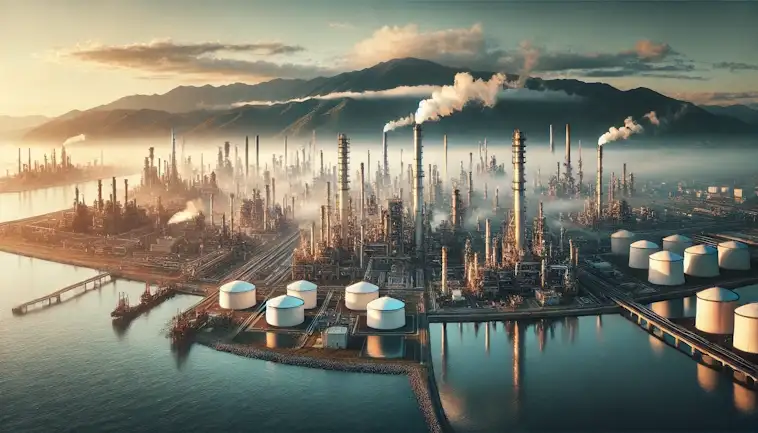
What is the Greenhouse Effect?
The greenhouse effect is a natural process that warms Earth’s surface, making it a comfortable home for all kinds of life.
Imagine the Earth is wrapped in a blanket. This “blanket” is actually a mix of gases in the atmosphere, including carbon dioxide, methane, and water vapour. These gases act like the glass walls of a greenhouse, which is where this effect gets its name.
The sun sends light and heat to Earth. This energy passes through the atmosphere and warms the planet’s surface. Normally, heat would escape back into space, keeping our planet from getting too hot. But here’s the important part: the greenhouse gases in our atmosphere trap some of this heat. They absorb it and then release it, warming the Earth.
This trapping of heat is essential for life as we know it. Without the greenhouse effect, our planet would be too cold, much like Mars, and life would be much harder to sustain.
But here’s a note of caution: while the greenhouse effect is natural and necessary, human activities, like burning fossil fuels and cutting down forests, have increased greenhouse gases in the atmosphere. This can lead to too much heat being trapped, which causes global warming and can disrupt life on Earth.
So, the greenhouse effect is like a natural thermostat that keeps Earth warm enough to support life. It’s all about balance, and we need to make sure we don’t tip that balance too far.
Key Greenhouse Gases and Their Sources
The main gases that contribute to the greenhouse effect are carbon dioxide, methane, and nitrous oxide. Each gas has both natural sources and is increased by human activities. They also affect our climate differently.
Carbon dioxide (CO₂) is the most talked-about greenhouse gas. Trees and oceans naturally release and absorb carbon dioxide. However, humans add extra CO₂ into the atmosphere mainly by burning fossil fuels like coal, oil, and gas. This extra CO₂ traps more heat, leading to warming.
Methane (CH₄) is much less common than carbon dioxide but is really good at trapping heat. It’s about 25 times stronger than CO₂ over a 100-year period. Natural sources include wetlands and termites. Human sources come from livestock, like cows, and from leaks in oil and gas production. It also comes from landfills as organic waste decomposes without oxygen.
Nitrous oxide (N₂O) is less well-known but is around 300 times more potent than CO₂ at trapping heat. Soil management practices, such as the use of synthetic and organic fertilisers, release nitrous oxide naturally. Other human sources include fossil fuel combustion and industrial processes.
Each gas has a different impact on the climate because of how long they stay in the atmosphere and how strongly they trap heat. Methane, for example, doesn’t last as long as CO₂, but it’s much more effective at trapping heat while it’s there. This means even small amounts can have big effects.
The balance of these gases is delicate. While they naturally create a warm planet suitable for life, human activities are tipping this balance, enhancing the greenhouse effect and leading to global warming. Managing and reducing our emissions of these gases can help stabilise our climate.
Understanding Climate Feedback Loops
Climate feedback loops are like chains of reactions that can either speed up or slow down global warming. These loops can be positive or negative, and they play a big role in our climate.
Positive feedback loops make things warmer. They amplify the effects of greenhouse gases. For example, think about Arctic Sea ice. Normally, ice reflects sunlight, keeping the Earth cooler. But as the planet warms, some of this ice melts and reveals the darker ocean water beneath. This darker water absorbs more sunlight than ice does, which warms the planet further, causing more ice to melt. It’s a cycle that keeps speeding up warming.
Negative feedback loops help to cool the planet or reduce warming. A good example is the growth of certain types of plants and trees. As carbon dioxide levels rise, some plants can grow faster and bigger because they use CO₂ to make food through photosynthesis. More plants mean more CO₂ is absorbed from the atmosphere, which can help to mitigate warming.
Each type of feedback loop significantly affects how quickly our climate changes. Positive feedback loops are concerning because they can lead to faster and potentially uncontrollable warming. Negative feedback loops offer hope because they can slow down the changes, giving us more time to address the causes of global warming.
The Albedo Effect: Reflection and Absorption
The albedo effect is a fascinating part of how our planet manages heat. It’s all about how much sunlight Earth’s different surfaces reflect or absorb.
“Albedo” refers to the reflectiveness of a surface. Bright surfaces like ice and snow have a high albedo, meaning they reflect a lot of sunlight back into space. This helps keep our planet cooler. You can think of it like wearing a white T-shirt on a sunny day to stay cool.
Darker surfaces, such as oceans or forests, have a low albedo. They absorb more sunlight and heat up. It’s like wearing a black T-shirt in the sun—you feel much hotter.
Now, here’s why this is crucial for global warming: as the Earth warms up due to increased greenhouse gases, more ice and snow melt. This reveals darker surfaces below, such as water or land, which absorb more heat. This creates a warming loop—less ice leads to more warming, which leads to even less ice.
This effect can speed up global warming significantly, making the albedo effect a critical piece of the climate puzzle. By understanding and tracking changes in Earth’s albedo, scientists can better predict and respond to changes in our climate.
Oceanic Influences on Climate
Oceans are like Earth’s thermostat. They play a huge role in regulating our climate.
First, oceans are great at absorbing carbon dioxide (CO₂) from the atmosphere. This helps keep the levels of CO₂ lower than they would be otherwise, which is important because CO₂ is a major greenhouse gas that warms the planet.
Oceans also absorb a lot of the Earth’s heat. This ability is partly due to what’s called thermal inertia. It means that oceans can store and hold onto heat for a long time before gradually warming up. This helps moderate the temperature of the planet, preventing extreme changes in weather and climate.
Now, about El Niño and La Niña—these are two phenomena that show just how influential oceans can be on global weather.
El Niño happens when the Pacific Ocean warms up more than usual. It can lead to more rain in some parts of the world and drought in others. For example, places like Australia might experience drier conditions, while the southern United States might get more rain and even flooding.
La Niña is the opposite. It occurs when the Pacific Ocean cools down. This can also shake up weather patterns, typically bringing wetter conditions to places like Australia and drier conditions to parts of the Americas.
Both El Niño and La Niña can affect weather all over the globe, showing just how connected our climate system is and how central the role of the oceans is in it. They help illustrate how changes in just one part of the ocean can send ripples through the weather systems of the entire world.
The Role of Clouds in Climate Regulation
Clouds impact Earth’s climate, and they can both cool and warm our planet.
First, clouds can cool the Earth. They act like a giant mirror for sunlight. When clouds cover the sky, they reflect some of the sun’s rays back into space. This means less heat reaches the Earth’s surface, which can cool things down. This is especially true for thick, bright clouds.
At the same time, clouds can also trap heat, much like a blanket at night. They absorb heat rising from the Earth and send some of it back down, warming the surface. This is more common with thinner, wispy clouds you might see at higher altitudes.
Changes in cloud cover can really influence our climate. If there are more clouds reflecting sunlight, the Earth might cool. If there are more clouds trapping heat, the Earth might warm up. This is part of what scientists call climate feedback loops.
For example, as the Earth warms and more water evaporates, it can lead to more clouds. Depending on the type of clouds formed, they can either amplify the warming (by trapping more heat) or mitigate it (by reflecting more sunlight). This delicate balance and how clouds change with the climate make them an important factor in understanding and predicting our weather and climate systems.
Human Impact and the Intensification of the Greenhouse Effect
Human activities, especially burning fossil fuels and cutting down forests, have affected Earth’s natural greenhouse effect, leading to global warming.
Fossil fuels like coal, oil, and gas are a major part of the problem. When we burn these for energy—to power our cars, heat our homes, and run factories—we release a lot of carbon dioxide (CO₂) into the air. This CO₂ is extra to what the natural world can handle. It builds up in the atmosphere, traps more heat, and raises the Earth’s temperature.
Deforestation is another big issue. Trees absorb CO₂, so when we cut them down, not only do we release the CO₂ stored in the trees, but we also lose their ability to take more CO₂ out of the air. This double impact further increases the amount of greenhouse gases in the atmosphere.
The scientific evidence linking these human activities to climate change is solid and multifaceted:
- Atmospheric measurements: We’ve seen CO₂ levels rise from about 280 parts per million before the Industrial Revolution to over 415 parts per million today. This increase matches up with the growth of industrial activities.
- Temperature records: Global surface temperatures have increased, especially over the past 40 years. The warmest years on record have all occurred since 2001.
- Ice cores: Samples from ice cores show that current CO₂ levels are higher than they have been for at least 800,000 years.
- Satellite data: Observations from space show changes in Earth’s climate system and surface conditions, confirming the ground-based data.
All these pieces come together to provide a clear picture: human activities are significantly enhancing the natural greenhouse effect, leading to changes in climate that are faster than what we’ve seen in natural cycles. This is why scientists are calling for urgent action to reduce emissions and mitigate climate change impacts.
Mitigating the Risks: Strategies to Manage and Adapt
Tackling the enhanced greenhouse effect and slowing down global warming involves many solutions and strategies. Some key ones include advancements in renewable energy, carbon capture technologies, policy measures, and the need for global cooperation.
- Renewable Energy: One of the biggest steps we can take is switching to renewable energy sources like solar, wind, and hydroelectric power. These sources produce energy without emitting carbon dioxide. Solar panels and wind turbines are becoming cheaper and more efficient, making them great alternatives to fossil fuels.
- Carbon Capture Technologies: These are methods designed to capture carbon dioxide directly from the air or from industrial sources before it can enter the atmosphere. Once captured, the CO₂ can be stored underground or even used to make products like concrete. This technology is still developing but holds promise for significantly reducing greenhouse gases.
- Policy Measures: Governments play a crucial role by setting policies that encourage or require cleaner practices. This can include taxing carbon emissions, setting limits on how much CO₂ companies can emit, and investing in public transportation to reduce car usage. Policies that support clean energy development and make it more affordable for everyone are also vital.
- Global Cooperation: Climate change is a global issue that requires countries to work together. International agreements like the Paris Agreement aim to unite countries in reducing their carbon emissions. Effective global cooperation means sharing technologies, funding, and strategies to help all countries, especially those with fewer resources, to meet their climate goals.
By combining these strategies, we can effectively manage and mitigate the enhanced greenhouse effect. It’s about acting at every level, from individual choices to international policies, to ensure a sustainable future for our planet.
Conclusion
Understanding the greenhouse effect and climate feedback loops is key to grasping why our planet is warming. The greenhouse effect keeps Earth habitable by trapping heat, but human activities like burning fossil fuels and deforestation have intensified this natural process. This has triggered feedback loops that can either accelerate or mitigate climate change.
Tackling these challenges requires innovative solutions—from advancing renewable energy and carbon capture technologies to enacting strong policies and fostering global cooperation. By addressing these issues collectively, we can manage Earth’s warming and secure a sustainable future for all.