

What Are the Primary Causes of Global Warming Today?
Global warming is a pressing issue affecting our planet. It’s mainly caused by an increase in greenhouse gases like carbon dioxide and methane in the atmosphere. These gases trap heat, leading to a gradual rise in Earth’s temperature. Activities such as burning fossil fuels for energy, deforestation, and industrial processes contribute significantly to these emissions. Understanding these causes helps us identify better ways to protect our environment and ensure a sustainable future.
What Are the Primary Causes of Global Warming Today?
What You’ll Discover
Fossil Fuel Combustion: The Leading Culprit
How Deforestation Contributes to Global Warming
Industrial Activities: More Than Just Production
Agricultural Practices: The Double-Edged Sword
Waste Management and Methane Emission
Energy Consumption in Buildings
Transportation: Emissions on the Move
Policy and Global Cooperation: Navigating the Path Forward
Fossil Fuel Combustion: The Leading Culprit
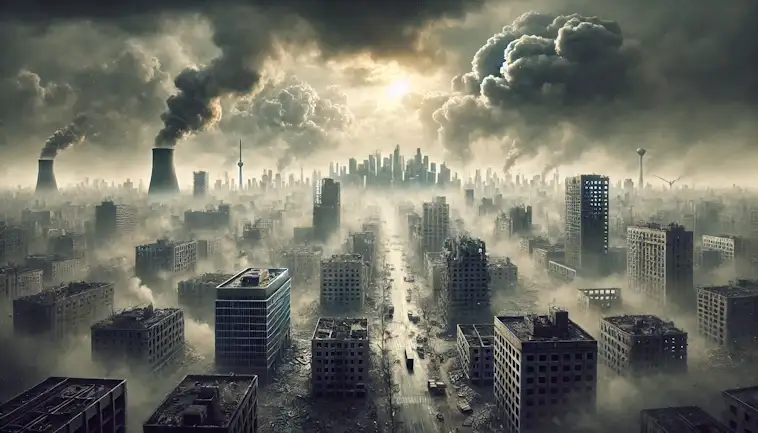
Fossil fuels include coal, oil, and natural gas. When we burn these for energy, they release a lot of carbon dioxide (CO₂) and other greenhouse gases into the atmosphere. These gases are like a blanket around the Earth. They trap heat from the sun and cause the planet’s temperature to go up, a process we often refer to as global warming.
Different industries contribute to this problem in various ways. For example, energy production is a major player. Power plants that burn coal and gas to generate electricity are among the biggest sources of CO₂ emissions. Then there’s the transportation sector, which includes cars, trucks, planes, and ships. This sector relies heavily on oil, making it another significant contributor to greenhouse gas emissions.
Manufacturing is another key area. Factories that produce everything from clothes to electronics use fossil fuels not just for power but also as raw materials in some manufacturing processes. This adds more greenhouse gases to our atmosphere.
So, all these industries, while essential for our modern lives, also play a big part in the environmental challenges we face today. It’s a complex issue, but understanding where these emissions come from is a crucial step in figuring out how to deal with them.
How Deforestation Contributes to Global Warming
Deforestation is a major factor contributing to global warming. When we clear forests, we lose trees that play a crucial role in absorbing carbon dioxide (CO₂), a prominent greenhouse gas.
Trees as Carbon Sinks
Trees act as carbon sinks, which means they absorb CO₂ from the atmosphere during the process of photosynthesis. This helps to regulate the global climate by reducing the amount of CO₂, a major contributor to the Earth’s greenhouse effect. When trees are cut down, not only is this CO₂ absorption capacity lost, but the carbon stored in the trees is often released back into the atmosphere, especially if the wood is burned or left to rot.
The Effects of Deforestation
The immediate effects of deforestation include:
- Increased CO₂ Levels: Fewer trees mean less CO₂ is absorbed from the atmosphere, increasing the rate of global warming.
- Loss of Biodiversity: Forests are home to many species. When their habitats are destroyed, it leads to a loss of biodiversity.
- Alteration of Water Cycles: Trees play a critical role in water cycles, and removing them can lead to drier climates and less fertile soils.
Land Use Changes and Their Impact
Changes in land use, such as converting forested areas to agriculture or urban development, further intensify the problem. Here’s how these activities contribute to global warming:
- Agricultural Expansion: This often involves clearing forests to create farmland. Not only does this reduce the number of trees, but agricultural activities themselves can produce significant amounts of greenhouse gases.
- Urban Development: Building cities requires space. This often leads to cutting down more trees and reducing green cover, which exacerbates the warming effect since urban areas typically have higher temperatures due to the heat island effect.
The combined effect of deforestation and land use changes is a significant increase in atmospheric CO₂ levels and a decrease in the Earth’s ability to moderate its climate. Addressing these issues is critical in the fight against global warming. By managing forest resources sustainably, reducing the need for land clearing for agriculture, and designing cities more thoughtfully, we can mitigate these effects and help stabilise our climate.
Industrial Activities: More Than Just Production
When we talk about greenhouse gases and their impact on our planet, it’s important to consider the role of various industrial processes. These processes, which transform raw materials into the products we use every day, are significant sources of these gases.
For example, take the construction industry. One of the key materials it uses is cement. Making cement involves chemical reactions that naturally release a lot of carbon dioxide, a major greenhouse gas. But cement is just one part of the story.
Industries need a lot of energy to run their operations, from manufacturing to transportation. This energy often comes from burning fossil fuels like coal, oil, and natural gas, which sends more carbon dioxide into our atmosphere. It’s a big loop where more energy use means more emissions.
Then there’s something a bit less talked about: fluorinated gases. These are used in a variety of industrial applications, including refrigeration and air conditioning. Despite being less common, fluorinated gases are incredibly potent at trapping heat in the atmosphere, much more so than carbon dioxide.
All these factors add up. The more industries emit these gases, the more they contribute to global warming. It’s a significant challenge, but understanding these processes is the first step toward finding solutions to curb emissions and protect our planet.
Agricultural Practices: The Double-Edged Sword
Methane (CH₄) is a potent greenhouse gas, and a significant amount of it comes from agricultural practices, particularly livestock digestion. Ruminant animals like cows, goats, and sheep have a unique digestive system that ferments plant-based food in a special stomach compartment known as the rumen. This process, called enteric fermentation, produces methane as a byproduct. When these animals burp, they release methane into the atmosphere.
Here are some key points about methane from livestock:
- High potency: Methane traps significantly more heat in the atmosphere than carbon dioxide, making it a potent contributor to global warming.
- Global contribution: Livestock emissions contribute to about 40% of the global agricultural methane emissions.
Nitrous Oxide from Fertilised Soils
Nitrous oxide (N₂O) emissions are another critical factor in agriculture’s impact on global warming. This gas comes primarily from nitrogen-enriched soils. When farmers apply synthetic fertilisers, manure, or sewage sludge, they add nitrogen to the soil. Not all of this nitrogen is used by plants. Some of it is transformed into nitrous oxide by soil microbes through processes called nitrification and denitrification and then released into the atmosphere.
Consider these details about nitrous oxide:
- Strong impact: Nitrous oxide is about 300 times more effective at trapping heat in the atmosphere than carbon dioxide.
- Major sources: Besides synthetic fertilisers, other sources include manure management and the burning of agricultural residues.
Impacts from Rice Paddies
Rice paddies are another lesser-known but significant source of methane emissions. The flooded fields create an anaerobic environment (lacking oxygen), ideal for methane-producing bacteria. These bacteria decompose organic material submerged in water, releasing methane.
Key aspects of rice paddies include:
- Water management: Changes in water management techniques in rice farming can help reduce methane emissions.
- Global significance: Rice paddies are among the largest anthropogenic sources of methane, crucial in countries with large rice consumption like China and India.
Decay of Organic Material
The decay of organic material in agricultural settings, particularly in wetlands and peatlands, also releases methane. This decay process is similar to what happens in rice paddies but can occur in any organic-rich, waterlogged soil.
Important points about decay include:
- Wet conditions: The wetter the conditions, the more likely methane will be produced.
- Management practices: Proper management of land and organic waste can significantly reduce methane emissions.
Agriculture significantly contributes to global warming through the release of methane and nitrous oxide. Addressing these emissions through improved agricultural practices and innovative technologies is crucial for mitigating climate change.
Waste Management and Methane Emission
When we toss things like food scraps, yard waste, or other organic materials into the trash, they often end up in landfills. In these landfills, because there’s not much oxygen, these organic materials break down in a way that doesn’t use oxygen. This process is called anaerobic decomposition. One of the byproducts of this process is methane, which is a very potent greenhouse gas. Methane can trap a lot more heat in the atmosphere than carbon dioxide, making it a significant contributor to climate change.
Now, how can we reduce these methane emissions? There are a few strategies we can adopt:
- Recycling and Composting: By recycling materials like plastics, metals, and glass, and composting our organic waste, we can ensure less of it ends up in landfills. Composting allows organic waste to break down aerobically (with oxygen), which doesn’t produce methane.
- Waste Reduction: Reducing what we use and what we throw away is crucial. Choosing products with less packaging, repairing instead of replacing items, and using reusable bags and containers can significantly cut down the amount of waste we produce.
- Landfill Management Improvements: Modern landfills can be designed to capture the methane they produce. This methane can then be used to generate electricity or heat, turning a harmful emission into a useful energy source.
By adopting these strategies, not only do we reduce methane emissions, but we also contribute to a cleaner, more sustainable planet. It’s all about making conscious choices and managing our waste more effectively.
Energy Consumption in Buildings
Buildings play a significant role in global warming, contributing to a substantial portion of global greenhouse gas emissions. This comes from the energy used to heat, cool, and power residential and commercial structures.
High Energy Demand in Buildings
Buildings, both residential and commercial, require a lot of energy. This energy is mostly used for heating and cooling spaces, and for powering various appliances and lighting. The sheer volume of energy consumed by buildings globally makes them major contributors to carbon emissions. Here’s a breakdown:
- Heating and Cooling: Maintaining comfortable temperatures year-round consumes a lot of energy, especially in regions with extreme temperatures.
- Electricity Use: From lights to computers to kitchen appliances, electricity powers almost everything in modern buildings.
Outdated Infrastructure
Many buildings, especially older ones, were not designed with energy efficiency in mind. Here’s how outdated infrastructure impacts energy use:
- Old Heating and Cooling Systems: These systems are often inefficient and use more energy than necessary to heat or cool buildings.
- Poor Building Design: Buildings without proper orientation, window placement, or layout can require more artificial heating, cooling, and lighting.
Poor Insulation
Insulation is key to reducing energy consumption, as it helps keep heat in during the winter and out during the summer. Unfortunately, poor insulation is common and leads to:
- Higher Energy Costs: Buildings lose heat through walls, roofs, and windows, requiring more energy to maintain temperatures.
- Increased Carbon Footprint: More energy use means higher emissions, particularly if the energy comes from fossil fuels.
Reliance on Non-Renewable Energy Sources
The source of energy buildings use significantly affects their environmental impact. Here are the key points:
- Fossil Fuels: Many buildings still rely on coal, oil, and natural gas for heating and electricity, which are major sources of carbon emissions.
- Inefficient Energy Systems: Older systems that have not been updated or replaced often waste energy, emitting unnecessary greenhouse gases.
Key Points to Remember
- Buildings are significant energy consumers, with substantial carbon footprints.
- Outdated infrastructure and poor insulation exacerbate energy inefficiency.
- Reducing reliance on non-renewable energy sources and upgrading infrastructure can significantly decrease emissions.
Addressing these issues isn’t just beneficial for the environment; it also helps reduce energy costs and can enhance the comfort of living and working spaces. By focusing on energy-efficient designs and systems, and by investing in renewable energy, we can greatly reduce the impact of buildings on global warming.
Transportation: Emissions on the Move
Transportation is a big part of our lives, whether it’s cars, planes, ships, or trains. Unfortunately, these modes of transport contribute significantly to air pollution and climate change. They mostly run on petroleum-based fuels like gasoline and diesel, releasing carbon dioxide (CO₂) and other pollutants into the atmosphere.
Cars are everywhere, and they’re a major source of CO₂ emissions. The problem is that they burn gasoline or diesel, which releases not only CO₂ but also harmful particulates and nitrogen oxides. These pollutants are bad for both our health and the environment.
Airplanes are similar. They require a lot of fuel, especially for long flights. The aviation industry produces around 2-3% of all global CO₂ emissions. Air travel also emits other greenhouse gases and contrails, which can trap heat in the atmosphere.
Ships, while efficient in moving large quantities of goods over long distances, also rely heavily on heavy fuel oil. This type of fuel is thicker and dirtier than what cars and planes use. The emissions from ships include sulphur oxides, which are harmful to the atmosphere and human health.
Trains are often seen as a greener option. In many countries, trains run on electricity, which can be sourced from renewable energy. However, in places where the electricity comes from fossil fuels, trains still contribute to pollution. Diesel trains, which are common in areas without electric rails, emit similar pollutants to cars and trucks.
Transitioning to cleaner alternatives, like electric vehicles (EVs) and sustainable aviation fuels, is challenging but essential. Electric cars are becoming more popular and more affordable, but the shift requires building a lot of charging stations and ensuring that the electricity they use comes from renewable sources. For aeroplanes, developing electric technology or biofuels that can replace traditional jet fuel is still in the early stages and faces technological and economic hurdles.
For ships, the transition is even more complex due to the sheer scale of energy needed. Some promising options include using liquefied natural gas (LNG) or experimenting with hydrogen and ammonia fuels.
Overall, moving away from petroleum-based fuels involves big changes. It requires not only technological innovation but also policy support, investment in new infrastructure, and changes in consumer behaviour. The goal is clear: to reduce pollution and protect our planet, but the road ahead is still long and requires cooperation from governments, industries, and individuals alike.
Global warming poses a serious threat to our planet. It’s a complex issue that crosses national borders and demands coordinated action. This is where policy-making and international cooperation come into play. They are crucial in tackling the environmental challenges we face.
International Agreements: Steering Collective Action
A key example of international cooperation is the Paris Agreement. Established in 2015, this global pact aims to limit global warming to well below 2°C above pre-industrial levels, with an ambitious goal of keeping the increase to 1.5°. Here’s how it works:
- Collective Goals: Countries commit to reducing their carbon emissions to meet these targets.
- Regular Updates: Every five years, nations must present their progress and set new, more ambitious targets.
This agreement shows how nations can come together for a common cause. However, the challenge lies in enforcement. There’s no strict mechanism to force compliance. Countries are mostly on an honour system to follow through on their promises.
Challenges of Enforcing Global Commitments
Enforcing international climate commitments is tough. Here’s why:
- Diverse Economic Interests: Different countries have varied economic priorities that can conflict with aggressive climate goals.
- Political Changes: Shifts in government can lead to changes in climate policies, affecting long-term consistency.
National Policies: Building a Sustainable Future
National policies are equally important. They provide the framework for action within countries and can be tailored to specific environmental and economic needs. For example:
- Renewable Energy Subsidies: These can encourage businesses and consumers to choose greener options.
- Regulations on Emissions: Stricter rules can push industries to adopt cleaner technologies.
Countries can also lead by example, inspiring others by showing that sustainable practices are both feasible and beneficial.
While international agreements like the Paris Agreement are vital in the fight against global warming, their success largely depends on individual countries’ willingness and ability to implement effective national policies. By working together and honouring commitments, we can tackle global warming more effectively. This cooperation is not just beneficial; it’s essential for our survival on this planet.
Conclusion
Global warming, well it’s clear that human activities are the main culprits behind the rising temperatures we’re experiencing. Burning fossil fuels, such as coal, oil, and gas, is a major one. This releases large amounts of carbon dioxide, a greenhouse gas that traps heat in our atmosphere. Deforestation is another big factor. When trees are cut down, not only does this reduce the Earth’s capacity to absorb carbon dioxide, but it also releases more of this gas into the air.
Agriculture practices contribute too, especially with the methane emissions from livestock. As our population grows, so does the demand for these practices, pushing our planet even further towards warming. Understanding these factors is crucial because it informs us about where we can start making changes. If we shift towards more sustainable energy sources, protect our forests, and rethink our agricultural methods, we can fight against global warming effectively. Let’s each do our part and encourage others to join in, creating a healthier planet for future generations.