
Eroding Coastlines: Exploring the Causes of Shore Loss
Coastlines are constantly changing, shaped by the forces of nature and human activity. From the powerful impact of storm surges to the subtle influence of rising sea levels, coastal erosion affects us all. But it’s not just nature at work—our own actions play a significant role too. Construction, deforestation, and other activities disrupt the delicate balance of coastal ecosystems. Let’s get a clearer picture of why our shores are vanishing and what it might mean for our future.
Eroding Coastlines: Exploring the Causes of Shore Loss
What You’ll Discover
Storm Surge: The Power Behind the Waves
Wave Energy Dynamics: Erosion’s Natural Engine
Rising Sea Levels: A Slow-Moving Threat
Human Construction: The Coastal Conundrum
Deforestation and Vegetation Loss: Unseen Underminers
River Engineering: Downstream Effects
Sand Mining: The Double-Edged Sword
Public Awareness: Steering the Future of Our Coasts
Storm Surge: The Power Behind the Waves
Storm surges are powerful phenomena that often occur during hurricanes and cyclones. These surges can create immense pressure on coastlines, drastically affecting them in several ways.
First, imagine a huge volume of water being pushed towards the shore by the intense winds of a storm. This isn’t just a regular wave; it’s a massive rise in sea level that can happen quickly. When these surges hit, they bring a lot of energy to the coastline. This can lead to severe flooding, especially in low-lying areas that aren’t well-protected.
One of the most visible effects of storm surges is the erosion of beaches. As the surge pushes water onto the beach, it doesn’t just stop there; it also pulls back sand into the ocean as it recedes. Over time, and with repeated surges, this can significantly reduce the amount of sand on the beach. Sometimes, entire beaches can seem to shrink or disappear, robbing local communities of valuable recreational space and natural beauty.
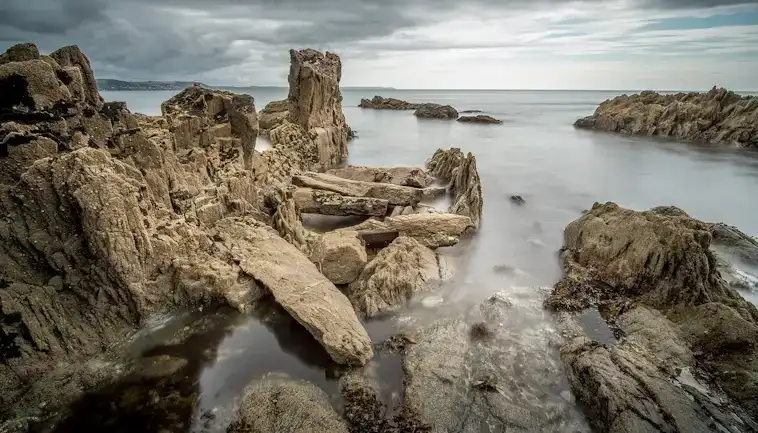
The impact on cliffs is also profound. Cliffs can be eroded from below by these powerful waves. As the base of a cliff is worn away, its structural integrity is compromised. Pieces of the cliff may fall off, or in extreme cases, large sections of the cliff may collapse. This not only changes the landscape dramatically but also poses serious risks to any structures and habitats near these cliffs.
These rapid changes to coastal landscapes highlight the powerful and sometimes devastating impact of nature. They remind us of the strength of natural forces and the need for careful management and protection of our coastal areas. By understanding these processes, communities can better prepare for and mitigate the effects of storm surges, helping to preserve these important environments for future generations.
Wave Energy Dynamics: Erosion’s Natural Engine
The energy from ocean waves is a powerful force that plays a major role in coastal erosion. When you see waves crashing against the shore, a lot is going on beneath the surface that affects the coastline.
Waves carry energy from far out in the ocean and release it when they reach the shore. Each time a wave hits, it acts like a giant scoop. It picks up sand, rocks, and other particles and carries them back into the ocean. Over time, this constant removal of material can change the shape of the coastline.
The intensity of the waves is a big factor in how much erosion occurs. Bigger, stronger waves have more energy and can do more damage to the shore. They can pull more material away and at a faster rate. For example, during storms, waves are usually much stronger and cause more significant changes to the coastline.
The angle at which waves hit the shore also matters. Waves that strike the shore head-on have a direct impact and can erode the shore more intensely. But waves that come at an angle might move sand along the shore, reshaping it rather than wearing it away. This process can create different features like sandbars and spits.
All these effects contribute to the loss of shoreline, which can be rapid in some places. It’s fascinating to see how natural forces like ocean waves can shape our world, constantly changing the landscape of our coastlines. Communities living near these areas need to understand these processes to protect their homes and the environment. This understanding can help in planning buildings and defences that can withstand the power of the ocean.
Rising Sea Levels: A Slow-Moving Threat
As the planet warms up, one of the big changes we’re seeing is rising sea levels. This happens for a couple of reasons. Firstly, as global temperatures climb, ice caps and glaciers begin to melt. This adds more water to our oceans. Second, water expands when it gets warmer. So, as the ocean heats up, it takes up more space. Both these factors cause the sea levels to rise.
Higher sea levels mean that waves and storm surges can reach further inland than they used to. This is especially noticeable during high tides, which are higher than ever because of the increased water levels. When these higher tides come in, they can bring more water onto the shore. This isn’t just a bit of extra water at the beach; it’s a powerful force that can have big effects.
For coastal areas, this means a lot more erosion. The higher reach of waves and surges means they can eat away at the shore more aggressively. This erosion can happen faster and be more destructive. It’s not just about losing bits of sandy beach; erosion can also affect land use, damage properties, and even change habitats for wildlife.
This situation is a big deal for people living in coastal communities. They’re facing more frequent flooding, and their beaches and land are changing or even disappearing. That’s why understanding the link between rising global temperatures and sea levels is so important. It helps us see the challenges we need to prepare for and gives us a chance to come up with ways to protect our coastal areas. This could mean building stronger sea defences, restoring natural barriers like mangroves and wetlands, or planning safer, more resilient ways for coastal communities to live and thrive.
Human Construction: The Coastal Conundrum
Building along the coast, whether it’s homes, roads, or seawalls, can mess with the natural flow of things. The coast has its own way of moving sand and sediment around. This movement is a big part of how beaches and shorelines stay healthy and in balance. But when we build structures on or near the beach, it can throw off this natural balance.
When hard structures like buildings or seawalls are put in place, they act like barriers. They stop the sand from moving the way it’s supposed to. Imagine throwing a big rock into a stream. The water must go around it, right? It’s similar to these structures on the coast. They can block the normal movement of sand along the shore.
This not only affects the area right around the structure but can also have a ripple effect down the coast. The energy from the waves must go somewhere. If it can’t go through, it goes around. This can mean that other parts of the coastline, which might have been fine before, now face much stronger wave action. This can speed up erosion in those areas.
Over time, the shoreline can look very different. Places that used to have lots of sand might become rocky or even disappear. Other places might see more sand piling up.
We need to think about these effects when planning coastal construction. If we’re not careful, we could cause more problems than we solve. Communities need to consider how structures will affect their coastline and look for ways to build that keep the natural movement of sand in mind. This could help protect their beaches and shorelines for years to come.
Deforestation and Vegetation Loss: Unseen Underminers
Vegetation like trees, shrubs, and grasses is super important for holding soil together and protecting coastlines from erosion. These plants do a lot more than just make the landscape look pretty; they are nature’s own defence system against the forces that wear away the earth.
The roots of these plants dig deep into the soil, creating a network that acts like a net. This “net” helps to hold the soil in place, making it much harder for water or wind to wash it away. Above the ground, the leaves and branches of the plants slow down raindrops before they hit the earth, reducing the impact that can cause soil to erode.
When we cut down these plants for things like agriculture or to make room for new buildings, we’re taking away this natural protection. Without vegetation, the soil is left unprotected and much more vulnerable to erosion. This is especially risky in coastal areas where the combination of waves and rain can quickly wash away large amounts of soil.
Once the vegetation is gone, the soil becomes much lighter and looser, making it even easier for erosion to occur. This can lead to bigger problems like landslides, where large chunks of land suddenly slide away. It can also change the coastline, causing beaches to shrink and land to become less stable.
To protect our coasts and keep the soil where it belongs, it’s important to maintain healthy vegetation. This might mean avoiding unnecessary deforestation and finding ways to manage land use that include keeping plenty of plants around. By preserving these natural barriers, we can help safeguard our coasts and ensure they remain vibrant and stable for future generations.
River Engineering: Downstream Effects
When we change rivers by building dams or channelling them into specific paths, it affects more than just the river flow—it impacts the coastlines too. Normally, rivers carry sediment from the land as they flow into the ocean. This sediment is super important because it helps replenish beaches and protects against wave action.
Think of sediment as a replenishing ingredient for beaches. It’s like adding fresh soil to a garden. This sediment helps build up the beaches and acts as a buffer against the waves that constantly pound the shoreline. Without it, beaches can wear away faster.
When we build dams, they stop a lot of the sediment from travelling downstream. The sediment gets trapped behind the dam instead of flowing into the ocean. Channelling rivers is another way we interfere. By directing rivers along specific paths, we prevent them from meandering and naturally depositing sediment along their banks and into their deltas.
With less sediment reaching the deltas and beaches, these areas can become weaker. They don’t have enough new material to stand up to the erosion caused by waves and currents. Over time, this can lead to coastlines receding. Beaches might become narrower or disappear entirely, which isn’t just a problem for people who enjoy the beach—it can also lead to more severe erosion and flooding inland.
By understanding the crucial role of sediment in protecting coastlines, we can look for ways to manage rivers that don’t cut off this vital supply. Maybe we can design dams that let some sediment pass through or find other solutions that help keep our rivers and coastlines healthy and stable.
Sand Mining: The Double-Edged Sword
Sand mining from beaches and riverbeds is a common practice, mostly because sand is a key material in construction. However, taking sand from these natural environments can cause a lot of problems for our coastlines.
Sand on beaches and in riverbeds isn’t just there to look pretty. It serves an important role in protecting the land behind it. When waves crash onto the shore, sand acts as a buffer, absorbing much of the energy. Without enough sand, waves can hit the shore with more force, leading to greater erosion and weakening the coastline.
Removing sand affects what experts call the “sediment budget.” This is a balance of how much sediment is added to a coastline versus how much is lost. Normally, rivers help replenish beach sand as they carry sediment downstream to the ocean. But if we mine sand from these sources, we’re taking away the material that helps to keep this balance.
When the sediment budget is thrown off, beaches can shrink because there isn’t enough new sand to replace what is washed away by waves and currents. This not only affects the beauty of the beaches but also exposes nearby land and communities to the effects of coastal erosion, like flooding and land loss.
The removal of sand also changes the landscape of the riverbeds, affecting the habitat for aquatic life and changing the flow of the river, which can lead to further erosion both upstream and downstream.
We need to realise that while mining sand might help build things like buildings and roads, it also takes away the first line of defence against coastal erosion. Finding more sustainable ways to source sand and manage our natural resources is crucial for protecting our coastlines and maintaining healthy natural habitats.
Public Awareness: Steering the Future of Our Coasts
Understanding coastal erosion and how human activities affect it is super important for keeping our coastlines healthy. When more people know about what causes erosion and the impact we have on it, we can manage our coasts better. This knowledge helps everyone from local communities to policymakers make smarter choices about how to use and protect our coastal areas.
Coastal erosion happens naturally, but our actions can speed it up. Things like building too close to the shore, removing sand for construction, and altering rivers can all make erosion worse. When we mess with the natural systems that protect the coastline, like sand movement and vegetation, we leave our shores more vulnerable to the sea.
To manage this, we need policies that regulate how we use our coasts. This means setting rules about where and how buildings can be constructed, making sure activities like sand mining are controlled, and avoiding damaging the natural defences against erosion, such as mangroves and coral reefs.
Mangroves and reefs are amazing at protecting coastlines. Mangroves are like nature’s storm barriers. Their roots trap sediments and break the force of waves. Reefs act as underwater breakwaters, reducing the power of waves before they hit the shore. Protecting these natural buffers isn’t just good for the environment—it also helps to protect coastal communities from damage.
By boosting public awareness, we can encourage support for these protective policies. When people understand the risks and the ways we can mitigate them, they’re more likely to back measures that keep our coastlines safe. This is key to preserving these beautiful and crucial areas for future generations. Education and informed policies are the best tools we have to ensure our coasts remain vibrant and stable.
Conclusion
As our shores continue to face the threats of coastal erosion, understanding its causes and the impact of our actions is important.
By recognising how activities like construction, sand mining, and changing river flows contribute to erosion, we can take steps to protect our coastlines.
Implementing policies that respect and preserve natural buffers like mangroves and reefs is vital. Together, we can combat erosion and ensure our coastlines remain vibrant and secure for generations to come.
Let’s commit to safeguarding these precious natural resources and maintaining the beauty and stability of our shores.