

Wildfire Woes: Urgent Threats Demand Immediate Action
Wildfires are growing more frequent and intense, making headlines around the world. Climate change and human activity play a big role in this troubling trend. These fires don’t just scorch the earth and destroy homes; they also have long-term impacts on our ecosystems and communities. This is a pressing issue that requires our immediate attention and action. By understanding the causes, effects, and ways to mitigate these devastating events, we can work together to find solutions. Read on to learn more about the urgent threats posed by wildfires and what we can do to combat them.
Wildfire Woes: Urgent Threats Demand Immediate Action
What You’ll Discover
The Rising Threat of Wildfires
The Impact of Wildfires on Ecosystems
Human Cost: Lives and Livelihoods at Stake
Government Response to Wildfire Risks
Technological Advancements in Wildfire Management
Preparing for Wildfire Threats: Practical Advice
Sustainable Practices to Mitigate Wildfire Risks
Take Action Now: Combating Wildfires Together
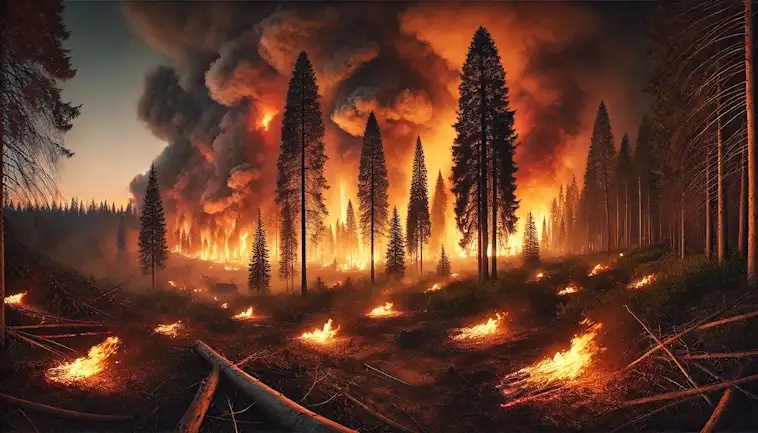
The Rising Threat of Wildfires
Wildfires are becoming an increasingly urgent global issue, exacerbated by climate change and human activities. Their frequency, intensity, and the lengths of fire seasons are all on the rise, posing serious threats to biodiversity, human safety, and economies.
Increasing Frequency and Intensity
In recent years, we’ve witnessed devastating wildfires around the world. For instance, the 2020 California fire season was unprecedented, with over 4 million acres burned, the largest amount recorded in a single year. Similarly, Australia’s 2019-2020 bushfire season, known as “Black Summer,” saw nearly 46 million acres consumed by fire.
Experts link these escalating fire activities to a combination of factors:
- Climate Change: As the planet warms, we see hotter temperatures and more extreme droughts, both of which contribute to the dry conditions favourable for wildfires. The Intergovernmental Panel on Climate Change (IPCC) reports that the likelihood of extreme fire weather days is increasing globally.
- Human Activities: Land clearing, accidental ignitions, and inadequate land management practices also play significant roles. About 85% of wildfires in the U.S. are caused by human activity.
The Urgency of Addressing Wildfires
The impact of wildfires extends far beyond the immediate destruction they cause. They affect air quality, release massive amounts of carbon dioxide, and disrupt ecosystems and communities. Here are a few statistics that highlight the urgency of the situation:
- Air Quality and Health: Wildfires produce smoke and fine particles that can travel hundreds of miles, affecting air quality and potentially causing respiratory issues and other health problems.
- Economic Costs: The cost of fighting wildfires has also soared. In the U.S., federal spending to suppress wildfires has exceeded $2 billion annually in recent years.
To mitigate the impact of wildfires, experts suggest several strategies:
- Enhanced Monitoring and Preparedness: Improving early detection systems and resource allocation for firefighting.
- Sustainable Land Management: Adopting better land management practices to reduce fire risks, such as controlled burns and clearing of underbrush.
- Community Engagement: Increasing public awareness and involvement in wildfire prevention.
The growing threat of wildfires requires a coordinated global effort that includes policy changes, community engagement, and a strong commitment to combating climate change. Without significant action, wildfires will likely continue to increase in frequency and intensity, posing even greater challenges in the future.
The Impact of Wildfires on Ecosystems
Wildfires play a complex role in nature. They are not only destructive but also a crucial part of many ecosystems’ renewal processes. However, when fires become too frequent or severe, the consequences can be devastating.
Wildfires in Natural Cycles
In many ecosystems, especially forests and grasslands, wildfires are natural and necessary. They help:
- Clear out dead material: This reduces disease spread and recycles nutrients back into the soil.
- Promote new growth: Many plants need the heat from fires to germinate seeds.
- Maintain balance: Fires can help control competing species, maintaining ecological balance.
For example, in fire-adapted forests, some trees like the giant sequoias have evolved thick barks to protect against heat and rely on fire to release their seeds.
Negative Impacts of Severe Wildfires
While natural fires are beneficial, the situation changes when they occur too frequently or with too much intensity. This can lead to:
- Loss of habitat: Severe fires can destroy habitats faster than they can naturally recover, leaving animals without shelter or food.
- Reduced biodiversity: When ecosystems don’t have time to recover, the variety of life can diminish. Some species might become endangered or extinct.
- Soil degradation: Intense fires can burn all the organic matter in the soil, reducing its fertility and increasing erosion.
The Consequences for Biodiversity
Biodiversity suffers when the natural fire regime changes. Here’s how:
- Altered ecosystems: Some plants and animals are more susceptible to changes than others. This can shift the whole makeup of an ecosystem.
- Endangered species: Animals that rely on specific plants or stable environments may face extinction if they are lost to frequent fires.
- Invasive species: After a fire, invasive species can take over, outcompeting native plants and animals.
Understanding and managing the role of wildfires is crucial. We need to balance suppression with the natural benefits of fire. This includes:
- Controlled burns: These are managed fires that help maintain the health of fire-adapted ecosystems.
- Restoration efforts: After severe fires, restoring ecosystems can help support biodiversity recovery.
Managing wildfires thoughtfully helps us protect our natural environments and the incredible variety of life they support. It’s all about finding that balance.
Human Cost: Lives and Livelihoods at Stake
Wildfires have a profound and often devastating impact on communities. Their effects can be immediate and long-term, disrupting lives and causing extensive damage.
Immediate Impacts of Wildfires
The most immediate effects of wildfires are often the most harrowing:
- Loss of life: Wildfires can rapidly become deadly, trapping residents and overwhelming escape routes.
- Property damage: Homes and businesses can be consumed in minutes, leaving people without shelter and livelihoods.
- Evacuations: Tens of thousands may need to flee their homes, often with little notice.
A personal story that stands out is from the 2018 Camp Fire in California, which claimed 85 lives and destroyed the town of Paradise. Survivors often speak of the terrifying speed with which the fire spread and the confusion and fear that followed.
Long-Term Economic Hardships
The aftermath of wildfires can be felt for years:
- Rebuilding costs: Reconstructing a community is expensive. Insurance may not cover all the damages, adding financial strain on families and businesses.
- Loss of jobs: With businesses destroyed, jobs are scarce, worsening economic stability.
- Decreased property values: Areas prone to wildfires might see a drop in property values, affecting homeowners’ investments.
Personal Stories and Case Studies
Case studies often reveal the resilience and challenges of affected communities. For example, after Australia’s Black Summer, many small towns faced lengthy recovery processes. Local businesses struggled to reopen, and residents worked tirelessly to rebuild their lives and communities.
Wildfires impact communities deeply, touching every aspect of life. While the immediate danger of flames is terrifying, the long journey of recovery that follows is often equally challenging. Stories from places like Paradise, CA, and small towns in Australia highlight the strength and resilience required to rebuild and recover, showcasing the human spirit’s capacity to overcome even the direst circumstances.
Government Response to Wildfire Risks
Governments at all levels are tackling the escalating challenge of wildfires through various policies, regulations, and initiatives. The effectiveness of these efforts varies, and continuous improvements are necessary.
Local Government Initiatives
Local governments often focus on immediate response and community preparedness:
- Building codes: Some areas prone to wildfires have updated building codes to require fire-resistant materials.
- Evacuation plans: Detailed and regularly updated evacuation routes and plans are critical.
- Public education: Programs aimed at teaching residents about fire safety and preparedness are widespread.
These measures are crucial for immediate safety but need regular updates and enforcement to remain effective.
National Policies and Regulations
At the national level, the approach includes funding and regulatory frameworks:
- Firefighting resources: Significant funds are allocated for firefighting services, including advanced technologies like firefighting aircraft.
- Land management: Policies aimed at reducing fire risks, such as controlled burns and forest management, are in place but often face bureaucratic delays.
National policies often lack flexibility and may not address the specific needs of different regions effectively.
International Cooperation
Internationally, efforts are more about sharing resources and knowledge:
- Data sharing: Countries share satellite data and research to predict and manage wildfire risks better.
- Resource sharing: International agreements exist to provide mutual support in firefighting efforts across borders.
However, global initiatives can struggle with coordination and timely deployment.
Suggested Improvements
Improvements are needed at all government levels to handle wildfires more effectively:
- Faster deployment: Reducing bureaucratic hurdles for quicker response and resource allocation.
- Community involvement: Enhancing local capabilities with more funding and training.
- Global standards: Developing international standards for wildfire management to improve cooperation and effectiveness.
While various government efforts are in place to combat wildfire risks, the increasing frequency and intensity of wildfires call for more dynamic and coordinated approaches. By focusing on rapid response, community-based strategies, and international collaboration, we can hope to mitigate the impact of wildfires more effectively.
Technological Advancements in Wildfire Management
Technology is transforming how we detect, monitor, and combat wildfires. From satellites in space to drones buzzing through smoky skies, innovative tools are becoming vital in managing these natural disasters.
Satellites and Wildfire Detection
Satellites play a crucial role in early wildfire detection. They provide:
- Real-time imagery: Satellites capture high-resolution images that help spot fire outbreaks faster than ever before.
- Wide-area monitoring: They can monitor vast, remote areas that are hard to reach on foot or by vehicle.
This technology allows responders to act quickly, potentially saving lives and property.
Drones: Eyes in the Sky
Drones are the on-the-ground (or above-the-ground) support to satellite technology:
- Immediate surveillance: Drones can fly into areas that are too dangerous for human firefighters.
- Thermal imaging: Equipped with thermal cameras, drones can identify hotspots that are invisible to the naked eye.
- Delivery of supplies: In some scenarios, drones can deliver essential supplies to firefighters on the front lines.
Drones not only improve safety but also enhance the effectiveness of firefighting efforts.
Artificial Intelligence in Fire Management
Artificial Intelligence (AI) is a game-changer in making sense of the data collected by satellites and drones:
- Predictive analytics: AI algorithms analyse past fire data and current conditions to predict where wildfires are most likely to occur.
- Resource allocation: AI can suggest optimal deployment of resources to combat fires effectively.
AI helps make decisions faster and with more accuracy, which is critical in emergency response.
The Future of Wildfire Management
The potential for these technologies to improve future wildfire responses is immense. They offer the possibility of:
- Faster responses: Technology reduces the time between detection and action.
- Safer conditions for firefighters: With better information and tools, firefighters can stay safe while doing their jobs.
- Less damage: Quick and effective responses mean less damage to the environment and properties.
As wildfires become more frequent and intense, the need for advanced technology to manage them grows. By integrating satellite imagery, drones, and AI into wildfire management strategies, we can improve not only the speed but also the safety and effectiveness of our responses.
Preparing for Wildfire Threats: Practical Advice
When it comes to wildfires, being prepared can make all the difference. Here’s some straightforward advice on how you can get ready and reduce the risks to your home and family.
Create a Defensible Space
A defensible space is your first line of defence against wildfires. Here’s how to create one:
- Clear dead vegetation: Remove dead plants, leaves, and branches from around your home.
- Trim trees: Keep branches at least 10 feet away from your chimney and other trees.
- Maintain your lawn: Keep your grass mowed and watered.
These steps can help to stop a fire spreading to your home.
Emergency Evacuation Plans
Having a plan in place can save lives. Make sure everyone in your household knows what to do if a wildfire approaches:
- Establish escape routes: Identify several ways to safely leave your home and practice them.
- Prepare an emergency kit: Include essentials like water, food, medications, and important documents.
- Stay informed: Keep a battery-powered radio handy to listen to emergency updates.
A good plan ensures that everyone knows where to go and what to take with them in an emergency.
Participate in Community Drills
Working with your community can enhance your preparedness:
- Join community preparedness programs: Learn about programs like Firewise USA that teach fire safety skills.
- Participate in drills: Engage in community evacuation drills to practice your response.
- Cooperate on clearing efforts: Work with neighbours to clear communal areas of potential fuel for fires.
Community cooperation increases everyone’s chances of staying safe.
Preparing for wildfires involves creating a safe environment around your home, having a clear action plan, and working with your community. By taking these steps, you can greatly reduce the risks associated with wildfires and ensure that you, your family, and your neighbours are better protected.
Sustainable Practices to Mitigate Wildfire Risks
To combat the increasing threat of wildfires, it’s crucial to adopt sustainable land management practices. These strategies not only reduce the frequency and intensity of wildfires but also promote healthier ecosystems.
Controlled Burns: A Proactive Tool
Controlled burns, also known as prescribed burns, are an effective way to manage land sustainably:
- Reduce fuel loads: By burning accumulated dead vegetation, controlled burns prevent these materials from fuelling larger, uncontrolled wildfires.
- Restore ecosystems: Many natural habitats depend on periodic fires to maintain their health and biodiversity.
- Control invasive species: Fire can help reduce non-native plants that disrupt local ecosystems.
Using fire carefully and under controlled conditions helps maintain the balance of nature and reduces wildfire risks.
Sustainable Forestry Management
Forestry management is another key strategy in preventing severe wildfires:
- Thinning and pruning: Removing weaker trees and excess foliage can reduce the chance of fire spreading.
- Selective logging: Responsibly removing trees helps reduce density and allows remaining trees more access to resources, making them healthier and more fire-resistant.
- Replanting: After logging or fires, replanting native species promotes a resilient forest structure.
These practices ensure forests are not only less vulnerable to fires but also better equipped to recover when fires do occur.
A Call for Proactive Resource Management
To effectively address the root causes of severe wildfires, a more proactive approach to land and resource management is essential:
- Integrate local knowledge: Local communities often have a deep understanding of their natural surroundings. Integrating this knowledge can lead to more effective wildfire prevention strategies.
- Invest in research and technology: Advancements in technology can improve how we predict, monitor, and manage fire landscapes.
- Policy support: Strong policies that prioritise long-term environmental health are crucial. These should support sustainable practices and provide adequate funding for them.
A proactive approach to land management, including controlled burns and sustainable forestry practices, is essential to reduce the risk of severe wildfires. By investing in these strategies, we can protect our natural environments, enhance biodiversity, and safeguard communities from the devastating effects of wildfires.
Take Action Now: Combating Wildfires Together
Wildfires are a growing threat, but together, we can make a difference. Here’s how you can take immediate action and encourage others to join in. Collective effort is key to tackling this challenge effectively.
Support Policy Changes
Policy changes can have a huge impact. Here’s what you can do:
- Stay informed: Learn about wildfire management policies and their impacts.
- Vote: Support politicians and policies that prioritise sustainable land management and environmental protection.
- Speak up: Contact your representatives to express your concerns and push for stronger wildfire prevention measures.
Every voice counts in shaping policies that can lead to significant improvements.
Participate in Community Preparedness
Getting involved locally can greatly enhance your community’s resilience:
- Join local groups: Many communities have groups focused on wildfire preparedness. Get involved!
- Educate others: Share information with friends and neighbours about how to prepare for wildfires.
- Volunteer: Help with local efforts to clear brush or participate in community drills.
When communities are prepared, the impact of wildfires can be significantly reduced.
Advocate for Global Environmental Initiatives
Wildfires are a global issue, and they need global solutions:
- Support international efforts: Look for and support organisations that work on global forest conservation and fire management.
- Reduce your carbon footprint: Climate change is a big driver of increased wildfire activity. Actions like reducing waste, conserving energy, and using public transport can make a difference.
- Educate yourself and others: Understanding the link between environmental health and wildfires is crucial. Spread the word about how protecting our environment can help reduce wildfire risks.
We all have a role to play in combating wildfires. Whether it’s through supporting policy changes, getting involved locally, or advocating for global initiatives, your actions matter. Let’s work together to protect our communities, preserve our environment, and tackle the challenge of wildfires head-on. The time to act is now—let’s make a difference together.
Conclusion
Wildfires are growing in both frequency and ferocity, presenting urgent challenges that demand our immediate attention and action. From individual efforts at home to collective measures on a global scale, we all have a part to play. By supporting policy changes, participating in community preparedness, and advocating for global environmental initiatives, we can help turn the tide against this fiery threat.
We must act now. By doing so, we not only protect our present but also secure a safer, healthier future for generations to come. Together, we can make a significant impact in the fight against wildfires. Let’s step up, stay informed, and stay engaged—it’s time to make a difference.